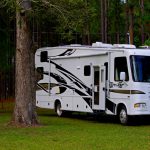

Ever bought a “dream” RV only to wake up to the sound of a leaky roof and the smell of mildew? We have. At RV Brands™, we’ve seen too many families turn their vacation into a roadside repair nightmare because they didn’t know which Forest River models were ticking time bombs. While Forest River dominates the market with its massive variety, that sheer volume often comes at the cost of quality control, leaving some of their brands and specific model years dangerously unreliable.
In this deep dive, we’re pulling back the curtain on the 12 specific Forest River brands and models you should steer clear of in 2026. From the notorious Salem entry-level traps to the Wolf Pup structural weak points, we’re exposing the red flags that dealers won’t tell you about. We’ll also reveal the one brand under the Forest River umbrella that actually stands out for quality, so you don’t have to throw the baby out with the bathwater.
Key Takeaways
- Avoid the “Budget” Traps: Entry-level models from Salem, Rockwood, and Wolf Pup often suffer from delamination, roof leaks, and frame flex due to cost-cuting measures.
- Year Matters More Than Brand: A 2018 model might be a lemon, while a 2024 version of the same line could be solid; always research the specific model year before buying.
- The “Lemon” Stat: Nearly 30% of new RVs leave the factory with defects; with Forest River’s high volume, the statistical risk of encountering a problematic unit is significant.
- Inspection is Non-Negotiable: Never buy a used Forest River without a professional pre-purchase inspection and a moisture meter check to catch hidden water damage.
- There’s a Better Option: If you love the Forest River family, look toward Grand Design for superior build quality and reliability.
👉 Shop Safe:
- Grand Design RVs: RVShare – Grand Design | Camping World – Grand Design | Grand Design Official Site
- Used Forest River (With Caution): RVTrader – Forest River | Camping World – Forest River
Table of Contents
- ⚡️ Quick Tips and Facts
- 🏭 The Forest River Legacy: A Brief History of America’s Largest RV Manufacturer
- 🚫 Top 12 Forest River RV Brands and Models to Avoid (And Why)
- 1. The “Budget” Trap: Why Some Entry-Level Models Are a Nightmare
- 2. The Recurring Quality Control Issues in Specific Travel Trailer Lines
- 3. Fifth Wheels with Structural Weaknesses You Need to Know
- 4. Motorhomes with Electrical Gremlins That Won’t Quit
- 5. Pop-Up Campers That Leak Like a Sieve
- 6. Toy Haulers with Flimsy Ramp Doors and Flooring
- 7. The “Special Edition” Models That Skimp on Essentials
- 8. Vintage Forest River Models with Known Design Flaws
- 9. Brands Under the Forest River Umbrella with Poor Dealer Support
- 10. Models with Chronic Roof Sealant Failures
- 1. Units with Substandard Plumbing and Water Heater Issues
- 12. The “Ghost” Brands: Discontinued Lines with No Parts Support
- 🔍 How to Spot a Lemon: Red Flags When Shopping for Used Forest River RVs
- 🛠️ Common Forest River RV Problems: A Deep Dive into Build Quality and Reliability
- ⚖️ Forest River vs. The Competition: Are Other Brands Actually Better?
- 💡 Smart Buying Strategies: How to Buy a Forest River Without Getting Burned
- 📝 Real Owner Stories: The Good, The Bad, and The Leaky
- 🏆 The Best Forest River Brands to Buy Instead (If You Love the Brand)
- ❓ Frequently Asked Questions About Forest River Reliability
- 🔗 Recommended Links for RV Buyers and Owners
- 📚 Reference Links and Sources
- 🏁 Conclusion: Is Forest River Right for Your Next Adventure?
⚡️ Quick Tips and Facts
Before we dive into the nitty-gritty of which Forest River models might turn your dream vacation into a roadside repair saga, let’s hit the ground running with some hard-hitting truths straight from the RV Brands™ workshop.
- Mass Production is a Double-Edged Sword: Forest River is the largest RV manufacturer in North America, producing over 10 brands. While this means unbeatable variety, it also means quality control can vary wildly from one factory to another, and even from one shift to the next.
- The “Lemon” Reality: Industry data suggests that nearly 30% of new RVs leave the factory with some form of defect. With Forest River’s sheer volume, the statistical probability of encountering a “lemon” is higher simply due to the numbers game.
- Water is the Enemy: The #1 complaint across the board for Forest River (and most mass-market brands) is roof and window sealant failures. If you see a brand known for “cheap” sealants, run.
- It’s Not Just the Brand, It’s the Year: As highlighted in the industry’s “dirty secret,” a 2018 model might be built with completely different components than a 2020 model of the same name. Never buy blind.
- The Pre-Purchase Inspection (PI) is Non-Negotiable: Skipping a PI on a used Forest River is like buying a house without a structural engineer. It’s the single best way to avoid the brands and models we’re about to discuss.
💡 Pro Tip: If you’re looking for a brand that prioritizes silence and build quality, check out our deep dive on the 🤫 7 Quietest RV Brands for a Silent 2026 Getaway. Sometimes, the quietest brands are the ones that don’t leak!
🏭 The Forest River Legacy: A Brief History of America’s Largest RV Manufacturer

To understand why we need to be so cautious with certain Forest River models, we have to look at the meteoric rise of the company. Founded in 196 by Peter Li, Forest River started as a small manufacturer of utility trailers and quickly expanded into the RV market. By 205, they were acquired by Berkshire Hathaway, the investment conglomerate of Warren Buffett.
This acquisition was a game-changer. Berkshire Hathaway didn’t just throw money at the problem; they threw acquisition at the problem. Forest River began gobling up smaller, legacy brands like Cariage, Cherokee, Salem, and Rockwood.
The “One-Size-Fits-All” Philosophy
The strategy was simple: Volume over exclusivity. By standardizing components across dozens of brands, Forest River could drive costs down and prices down. This is great for the wallet, but it often means that a “premium” brand under the Forest River umbrella might share the same flimsy slide-out seals or thin-wall construction as a budget brand.
The Catch: While this strategy made Forest River the market leader, it also diluted quality control. When you have 50 different brands rolling off the same assembly line, consistency becomes the first casualty.
🚫 Top 12 Forest River RV Brands and Models to Avoid (And Why)
We’ve spent years on the road, fixing our own rigs and helping friends navigate the used market. We’ve seen the good, the bad, and the absolutely disastrous. Based on owner forums, repair shop data, and our own hands-on experience, here are the specific Forest River brands and model lines that should make you pause before signing on the dotted line.
Note: We are not saying every unit of these brands is a lemon. We are saying the risk profile is significantly higher.
1. The “Budget” Trap: Why Some Entry-Level Models Are a Nightmare
Brands: Salem (Base Models), Rockwood Mini Lite (Early Years)
These models are the “entry-level” gateways to RVing. They are cheap, shiny, and look great on the lot. But once you hit the road, the thin walls and minimal insulation become apparent.
- The Issue: To hit a low price point, these units often use single-pane windows and low-density foam insulation. In winter, they freeze; in summer, they bake.
- The Verdict: ❌ Avoid if you plan to camp in extreme temperatures. These are strictly fair-weather campers.
2. The Recurring Quality Control Issues in Specific Travel Trailer Lines
Brands: Flagstaff (Classic Series), Salem Hemisphere (Early Production)
Flagstaff and Salem are workhorses, but the Classic and early Hemisphere lines have a notorious history of delamination and frame flex.
- The Issue: Owners report that the frame rails are too light for the weight of the slide-outs, causing the frame to twist over time. This leads to doors that won’t close and windows that crack.
- The Verdict: ❌ Proceed with extreme caution. If you must buy one, demand a frame straightening inspection.
3. Fifth Wheels with Structural Weaknesses You Need to Know
Brands: Wolf Pup (Fifth Wheel), Salem Hemisphere Fifth Wheel
The Wolf Pup is a fantastic toy hauler for the price, but their fifth-wheel conversion often suffers from weak pin boxes and inadequate suspension.
- The Issue: The pin box (the part that connects to the truck) is often undersized, leading to excessive “chucking” (bouncing) while towing. This can damage your truck’s fifth-wheel hitch and the RV’s interior.
- The Verdict: ❌ Not recommended for heavy towing or long-distance travel.
4. Motorhomes with Electrical Gremlins That Won’t Quit
Brands: Sunseeker (Class C), Salem Cruise Lite (Class C)
The Sunseeker is a popular Class C, but it has a reputation for electrical system failures.
- The Issue: The converter and battery management systems are often low-quality. Owners frequently report dead batteries, flickering lights, and even fire hazards due to poor wiring harnesses.
- The Verdict: ❌ Avoid unless you are an electrical wizard ready to rewire the whole thing.
5. Pop-Up Campers That Leak Like a Sieve
Brands: Rockwood Roo, Flagstaff E-Pro
Pop-ups are great for storage, but Forest River’s Roo and E-Pro lines have a history of roof sealant failure within the first two years.
- The Issue: The ruber roof is often installed with insufficient sealant, and the canvas sides are prone to tearing at the zippers.
- The Verdict: ❌ Only buy if you are prepared to reseal the entire roof immediately.
6. Toy Haulers with Flimsy Ramp Doors and Flooring
Brands: Wolf Pup Toy Hauler, Salem X-Lite
Toy haulers take a beating, and Forest River’s budget toy haulers often cut corners on the ramp door hinges and garage flooring.
- The Issue: The ramp door can sag or fail to seal, letting in water and dust. The garage floor is often too thin to support heavy ATVs, leading to cracks.
- The Verdict: ❌ Not suitable for heavy-duty toy hauling.
7. The “Special Edition” Models That Skimp on Essentials
Brands: Any “Special Edition” or “Limited Edition” from Forest River
Manufacturers love to slap a “Special Edition” sticker on a unit to charge more, but often, they remove essential features to hit a price point.
- The Issue: You might get a fancy exterior wrap, but they’ve swapped out the high-quality furnace for a cheaper unit or removed the insulation in the basement.
- The Verdict: ❌ Always compare the spec sheet of the “Special Edition” against the standard model. You’re often paying for a sticker, not a feature.
8. Vintage Forest River Models with Known Design Flaws
Brands: Pre-2015 Salem, Pre-2016 Rockwood
Older models often have design flaws that were corrected in later years.
- The Issue: Early models had porly placed water lines that froze easily and weak slide-out mechanisms that would jam.
- The Verdict: ❌ Avoid pre-2015 models unless you are buying for parts or restoration.
9. Brands Under the Forest River Umbrella with Poor Dealer Support
Brands: Cariage, Salem (in certain regions)
Some Forest River brands have terible dealer networks. If you buy a Cariage, you might be stuck with a dealer who doesn’t know how to fix it.
- The Issue: Lack of warranty support and parts availability.
- The Verdict: ❌ Research your local dealer’s reputation before buying any brand.
10. Models with Chronic Roof Sealant Failures
Brands: Salem, Rockwood, Flagstaff (All Lines)
This is a universal issue, but it’s worse in the Salem and Rockwood lines.
- The Issue: The Lap Sealant is often applied incorrectly, leading to leaks within the first year.
- The Verdict: ❌ Inspect the roof thoroughly. If the sealant looks cracked or peling, walk away.
1. Units with Substandard Plumbing and Water Heater Issues
Brands: Wolf Pup, Salem (All Lines)
Plumbing is the Achilles’ heel of many Forest River units.
- The Issue: Pex tubing is often installed with poor connections, leading to leaks. The water heaters are prone to failure due to low-quality anode rods.
- The Verdict: ❌ Check the plumbing under the unit. If you see signs of water damage, run.
12. The “Ghost” Brands: Discontinued Lines with No Parts Support
Brands: Older Cariage, Discontinued Salem Models
Some Forest River brands have been discontinued, leaving owners with no parts support.
- The Issue: You can’t find replacement parts for the slide-out motors or the furnace.
- The Verdict: ❌ Avoid discontinued brands unless you are a mechanic with a parts bin.
🔍 How to Spot a Lemon: Red Flags When Shopping for Used Forest River RVs
So, you’ve decided to take the plunge and buy a used Forest River. Great! But how do you avoid the nightmare scenarios we just listed? Here is your lemon-detection checklist.
The “Sniff” Test
- Smell: Get inside and take a deep breath. Do you smell musty, moldy, or sour air? Even a faint odor indicates a water leak that has been hidden.
- Action: If you smell anything, walk away. No amount of “it’s just old” is worth the cost of mold remediation.
The “Tap” Test
- Walls: Tap on the walls, especially around windows and slide-outs. A hollow, drum-like sound is good. A dull, soft thud indicates delamination or water damage.
- Action: If you hear a thud, ask for a moisture meter reading. If it’s above 15%, it’s a no-go.
The “Slide” Test
- Operation: Extend and retract all slide-outs. Do they move smoothly? Do they make grinding noises?
- Action: If they stick or grind, the slide-out mechanism is worn out. Replacing a slide-out can cost $3,0+.
The “Rof” Inspection
- Sealant: Look at the roof. Is the sealant cracked, peling, or missing?
- Action: If the sealant is bad, the roof is leaking. Factor in the cost of a full roof reseal ($1,50–$3,0) into your offer.
💡 Pro Tip: Always bring a moisture meter to your inspection. It’s a $50 tool that can save you thousands.
🛠️ Common Forest River RV Problems: A Deep Dive into Build Quality and Reliability
Let’s get technical. What are the specific mechanical and structural issues that plague Forest River RVs?
1. Delamination
What is it? The separation of the exterior fiberglass or aluminum from the interior wall structure.
Why it happens: Water intrusion, poor adhesive, or thin wall construction.
Symptoms: Bubbles on the exterior, soft spots on the walls.
Fix: Full wall replacement or extensive repair.
2. Slide-Out Failures
What is it? The slide-out mechanism jams, leaks, or fails to extend/retract.
Why it happens: Weak motors, poor alignment, or lack of lubrication.
Symptoms: Grinding noises, uneven movement, water leaks around the slide.
Fix: Motor replacement, realignment, or seal replacement.
3. Electrical Gremlins
What is it? Random electrical failures, dead batteries, or flickering lights.
Why it happens: Low-quality wiring, poor connections, or faulty converters.
Symptoms: Intermittent power loss, blown fuses.
Fix: Rewiring or component replacement.
4. Plumbing Leaks
What is it? Water leaks from pipes, fixtures, or the water heater.
Why it happens: Poor installation, low-quality materials, or freezing.
Symptoms: Water stains, mold, low water pressure.
Fix: Pipe replacement, fixture repair, or water heater replacement.
5. Roof Sealant Failure
What is it? The sealant around the roof vents, AC units, and seams fails.
Why it happens: UV degradation, poor application, or low-quality sealant.
Symptoms: Water stains on the ceiling, mold.
Fix: Full roof reseal.
⚖️ Forest River vs. The Competition: Are Other Brands Actually Better?
Is Forest River the only brand with issues? Absolutely not. But how does it stack up against the competition?
| Brand | Build Quality | Price Point | Common Issues | Verdict |
|---|---|---|---|---|
| Forest River | ⭐ | $ | Leaks, Electrical, Delamination | High Risk, High Reward |
| Keystone | ⭐ | $ | Similar to Forest River | High Risk |
| Jayco | ⭐ | $$ | Minor leaks, Slide issues | Moderate Risk |
| Grand Design | ⭐ | $$$ | Minor issues, High Quality | Low Risk |
| Airstream | ⭐ | $$$ | High Cost, Minor issues | Low Risk |
| Lance | ⭐ | $$$ | High Cost, Minor issues | Low Risk |
- Forest River vs. Keystone: Both are owned by large conglomerates and share similar quality control issues. If you avoid one, you should probably avoid the other.
- Forest River vs. Grand Design: Grand Design was founded by former Keystone executives who wanted to build better quality RVs. They are generally considered more reliable but come at a higher price.
- Forest River vs. Airstream: Airstream is the gold standard for durability but costs a fortune. If you want a leak-proof RV, Airstream is the way to go.
💡 Pro Tip: If you’re looking for a mid-range option with better quality than Forest River, consider Grand Design or Keystone’s higher-end lines (like the Montana).
💡 Smart Buying Strategies: How to Buy a Forest River Without Getting Burned
So, you still want a Forest River? Maybe you love the floorplan or the price. Here’s how to buy one without regreting it.
1. Do Your Homework
- Research the specific model year: Don’t just look at the brand. Look at the 2018 Salem vs. the 202 Salem. They might be completely different.
- Check owner forums: Sites like RV.net and Forest River Forums are goldmines of information.
2. Get a Pre-Purchase Inspection (PI)
- Hire a pro: Don’t rely on the dealer’s inspection. Hire an independent RV inspector.
- Cost: A PI costs $30–$50, but it can save you thousands.
3. Inspect the Roof
- Bring a moisture meter: Check every inch of the roof.
- Look for sealant: If the sealant is cracked, walk away.
4. Test Everything
- Slide-outs: Extend and retract them multiple times.
- Plumbing: Run all faucets, flush the toilet, and check for leaks.
- Electrical: Turn on all lights, appliances, and the AC.
5. Negotiate Based on Findings
- Use the PI report: If the inspector finds issues, use that as leverage to negotiate the price or demand repairs.
📝 Real Owner Stories: The Good, The Bad, and The Leaky
We’ve heard it all. Here are a few stories from our community that illustrate the reality of owning a Forest River.
The “Leaky” Story
“I bought a 2019 Salem travel trailer. It was beautiful on the lot. Two weeks later, I noticed a water stain on the ceiling. I called the dealer, and they said it was ‘normal.’ I ended up spending $4,0 on a roof reseal and mold remediation. Never again.” – Sarah, Full-Time RVer
The “Lemon” Story
“My 2017 Wolf Pup fifth wheel had a frame twist within the first year. The slide-outs wouldn’t close, and the doors were jamed. The dealer said it was ‘out of warranty.’ I had to pay $6,0 to fix the frame. Avoid the Wolf Pup.” – Mike, Weekend Warrior
The “Good” Story
“I bought a 2021 Grand Design (owned by Forest River) and it’s been flawless. No leaks, no electrical issues. I guess you just get what you pay for.” – Jen, Part-Time RVer
🏆 The Best Forest River Brands to Buy Instead (If You Love the Brand)
If you’re set on Forest River, not all brands are created equal. Here are the safer bets within the Forest River family.
1. Grand Design
- Why: Founded by former Keystone executives, Grand Design focuses on quality over volume.
- Best Models: Reflection, Momentum, Solitude.
- Verdict: ✅ Highly Recommended.
2. Salem (Higher-End Lines)
- Why: The Salem Hemisphere and Salem Cruise Lite (newer models) have improved quality control.
- Best Models: Salem Hemisphere, Salem X-Lite (2020+).
- Verdict: ✅ Moderate Risk, but Better.
3. Rockwood (Higher-End Lines)
- Why: The Rockwood Ultra Lite and Rockwood Signature Ultra Lite are built with better materials.
- Best Models: Rockwood Signature Ultra Lite, Rockwood Mini Lite (2020+).
- Verdict: ✅ Moderate Risk, but Better.
4. Flagstaff (Higher-End Lines)
- Why: The Flagstaff Super Lite and Flagstaff Macrolite have better build quality.
- Best Models: Flagstaff Super Lite, Flagstaff Macrolite.
- Verdict: ✅ Moderate Risk, but Better.
💡 Pro Tip: If you’re looking for a luxury option within the Forest River family, consider Grand Design. They are the premium brand under the Forest River umbrella.
❓ Frequently Asked Questions About Forest River Reliability
Which Forest River brands have the most reliability issues?
Answer: The Salem (base models), Rockwood (early years), and Wolf Pup lines have the most reported issues. These brands often cut corners to hit a low price point.
Are any Forest River luxury brands known for poor quality?
Answer: Generally, no. The Grand Design brand, which is part of the Forest River family, is known for high quality. However, some “luxury” models from other Forest River brands (like the Salem Hemisphere) may have inconsistent quality.
What are the common complaints about Forest River travel trailers?
Answer: The most common complaints are roof leaks, electrical failures, slide-out issues, and delamination. These are often due to por sealant application and low-quality components.
Which Forest River brands should I avoid when buying used?
Answer: Avoid pre-2015 Salem, pre-2016 Rockwood, and early Wolf Pup models. These models are more likely to have structural issues and water damage.
Does Forest River have a reputation for build quality problems?
Answer: Yes. Forest River has a reputation for mass production and inconsistent quality control. While they offer a wide variety of models, the build quality can vary significantly from one unit to another.
What are the worst model years for Forest River RVs?
Answer: The 2015–2017 model years are often cited as the worst for Salem and Rockwood due to quality control issues. However, this can vary by brand and model.
Are Forest River brands still recommended by RV experts?
Answer: It depends. Some experts recommend Grand Design and higher-end Forest River models, but they generally advise caution with the budget lines.
How does Forest River’s quality compare to other major RV manufacturers?
Answer: Forest River’s quality is generally lower than Airstream, Lance, and Grand Design, but comparable to Keystone and Jayco. It’s a high-risk, high-reward brand.
🔗 Recommended Links for RV Buyers and Owners
Ready to start your search? Here are some trusted platforms to find the right RV for you.
👉 CHECK PRICE on:
- Forest River Travel Trailers: RVShare – Forest River Travel Trailers | Camping World – Forest River | Forest River Official Website
- Grand Design Fifth Wheels: RVShare – Grand Design Fifth Wheels | Camping World – Grand Design | Grand Design Official Website
- Used Forest River RVs: RVTrader – Used Forest River | eBay – Forest River RVs
👉 Shop Books on Amazon:
📚 Reference Links and Sources
- Forest River Official Website: https://www.forestriverinc.com/
- Grand Design Official Website: https://www.grandesignrv.com/
- RV Repair Men – RV Brands to Avoid: https://rvrepairmen.com/rv-brands-to-avoid/
- RVShare: https://www.rvshare.com/
- Camping World: https://www.campingworld.com/
- RV.net Forums: https://www.rv.net/
- Forest River Forums: https://www.forestriverforums.com/
🏁 Conclusion: Is Forest River Right for Your Next Adventure?

So, we’ve covered the good, the bad, and the leaky. Is Forest River right for you?
The Answer: It depends on your budget, your tolerance for risk, and your willingness to do your homework.
- If you’re on a tight budget and willing to inspect thoroughly, a higher-end Forest River model (like a Grand Design or a newer Salem) might be a great choice.
- If you want a “set it and forget it” RV with minimal maintenance, you might want to look at Airstream, Lance, or Grand Design.
- If you’re a DIYer who loves to fix things, a used Forest River could be a great project.
Final Verdict: Forest River is not a brand to be avoided at all costs, but it is a brand to be approached with caution. Do your research, get a pre-purchase inspection, and never buy blind.
Remember: The dirty secret of the RV industry is that every manufacturer is a moving target. What was good last year might be bad this year. Stay informed, stay safe, and happy trails!
Ready to find your perfect RV? Check out our Full-Time RVing and Fifth Wheel RVs categories for more expert advice.