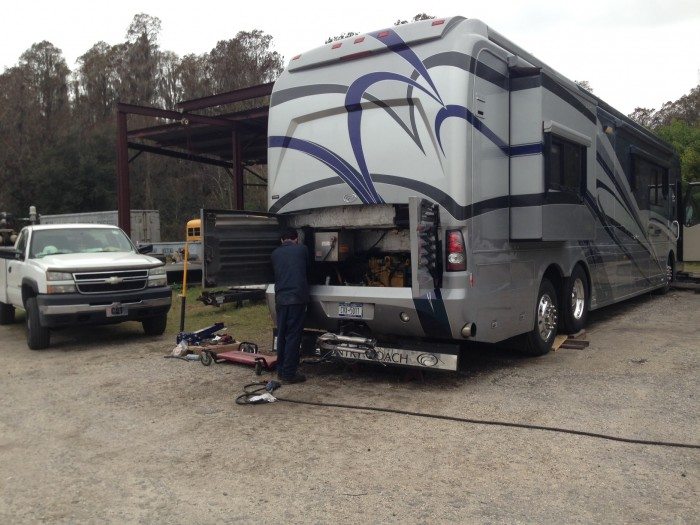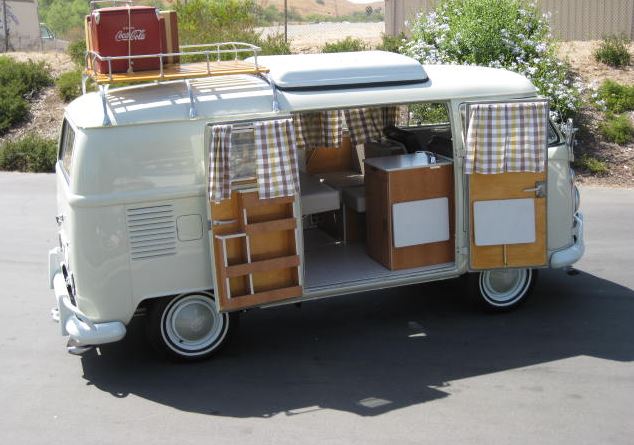


Ever tried fitting a family of four into a “cozy” cab-over bunk that feels more like a claustrophobic coffin than a bedroom? We have, and it’s the reason we’ve spent years testing, fixing, and living in every major Class C on the road. While many guides just list models, we’ve gone deeper to rank the top 12 best Class C RV brands based on real-world reliability, build quality, and resale value. From the budget-friendly workhorses of Thor to the luxury diesel beasts of Tiffin, we reveal which brands actually hold up after 50,000 miles and which ones might leave you stranded in the middle of nowhere. Spoiler alert: The “best” brand isn’t the one with the flashiest brochure, but the one that keeps your family safe and dry when the storm hits.
Key Takeaways
- Chassis is King: Your driving experience and maintenance costs depend more on the Ford E-450 vs. Mercedes Sprinter chassis than the brand name itself.
- Reliability Varies: Winnebago and Tiffin consistently lead in long-term durability, while budget brands like Forest River offer great value but require rigorous pre-purchase inspections.
- Lifestyle Match: Choose a bunkhouse layout for families, a rear lounge for entertaining, or a compact Sprinter model for solo travelers to maximize your RV experience.
- Resale Reality: Brands like Airstream and Winnebago retain value significantly better than high-volume manufacturers, impacting your long-term investment.
👉 Shop Top Class C Brands:
- Winnebago: Search on RVShare | Winnebago Official
- Thor Motor Coach: Search on RVShare | Thor Official
- Tiffin Motorhomes: Search on RVShare | Tiffin Official
- Airstream: Search on RVShare | Airstream Official
Table of Contents
- ⚡️ Quick Tips and Facts
- 🏛️ The Evolution of the Class C: From Boxy Shells to Luxury Suites
- 🏆 Top 12 Best Class C RV Brands Ranked by Reliability, Build Quality, and Value
- 1. Thor Four Winds: The King of Versatility
- 2. Winnebago Travato: The Gold Standard for Gas-Powered Camper Vans
- 3. Jayco Melbourne: The Family Favorite with a Smooth Ride
- 4. Forest River Sunseeker: Budget-Friendly Without the Cheap Feel
- 5. Coachmen Freelander: The Workhorse of the Class C World
- 6. Newmar Bay Star: Where Luxury Meets the Mid-Size Chassis
- 7. Tiffin Allegro Bus: The Heavy-Duty Contender
- 8. Airstream Interstate: The Stylish Sprinter Alternative
- 9. Coachmen Catalina: The Newcomer Making Waves
- 10. Thor Chateau: The Feature-Packed Powerhouse
- 11. Gulf Stream Conquest: The Value-Driven Choice
- 12. Itasca Navion: The Compact Cruiser for Solo Travelers
- 🛠️ Decoding the Chassis: Ford E-Series vs. Mercedes-Benz Sprinter vs. Ram ProMaster
- 🛌 Floorplan Showdown: Bunkhouses, Rear Lounges, and Cab-Over Beds Explained
- ⚙️ Engine Performance and Fuel Economy: What to Expect on the Open Road
- 🔋 Off-Grid Capabilities: Solar, Batteries, and Boondocking Readiness by Brand
- 💰 Understanding the Price Tag: New vs. Used Class C Motorhome Costs
- 🚗 Driving Dynamics: Handling, Safety Features, and Driver Confidence
- 🛠️ Maintenance and Long-Term Ownership: Common Issues and Brand Reputation
- 🤔 How to Choose the Right Class C for Your Specific Lifestyle
- 🎒 RV Lifestyle Group · Join the Adventure
- 🏁 Conclusion: Which Brand Reigns Supreme?
- 🔗 Recommended Links
- ❓ Frequently Asked Questions (FAQ)
- 📚 Reference Links
⚡️ Quick Tips and Facts
Before you dive into the deep end of the RV pool, let’s hit the shallow end with some critical truths about Class C motorhomes. We’ve seen too many folks buy a rig based on a pretty brochure, only to realize the “cab-over” bunk is actually a claustrophobic coffin for their teenager. Here’s the tea:
- The “Cab-Over” Myth: That iconic bunk over the driver’s seat isn’t just for sleeping; it’s a storage goldmine if you choose the right floorplan. But beware: if you’re over 6’2″, you’ll be crawling.
- Chassis Matters More Than Brand: A Ford E-450 chassis behaves differently than a Mercedes-Benz Sprinter. Don’t fall in love with the logo; fall in love with the drive.
- Towing Reality Check: While some Super Cs can tow a boat, most standard Class Cs struggle with anything over 3,500 lbs without feeling like they’re dragging an anchor.
- The “New” vs. “Used” Trap: Class Cs hold their value surprisingly well, but a 5-year-old model with 40,000 miles might have more hidden issues than a 10-year-old one with 20,000. Mileage isn’t everything; maintenance history is king.
If you’re wondering how Class Cs stack up against their bigger, badder cousins, check out our deep dive on the Best Class A RV Brands 2023: The Ultimate Guide
to see where the line is drawn.🏛️ The Evolution of the Class C: From Boxy Shells to Luxury Suites
Remember the 1980s? Class Cs looked like a bus that got hit by a box truck. The fiberglass shells were thick, the interiors smelled like “new carpet and regret,” and the driving experience felt like piloting a tank through a minefield.
Fast forward to today, and the transformation is nothing short of revolutionary. We’ve moved from “boxy shells” to luxury suites that rival boutique hotels.
The Shift in Design Philosophy
Early Class Cs were built on the Ford E-Series chassis, which was essentially a delivery truck. The focus was purely on utility. Today, manufacturers like Winnebago and Airstream are integrating aerodynamic profiles, one-piece fiberglass front caps, and residential-grade appliances.
“The biggest innovation isn’t the engine; it’s the floorplan efficiency. We’ve gone from ‘how do we fit a bed here?’ to ‘how do we make this space feel like a home?'” — RV Brands™ Senior Editor
Why the Change?
The market demanded it. As full-time RVing exploded (check out our guide on Full-Time RVing), families needed more storage, better insulation, and smarter layouts. The “Super C” category emerged, bridging the gap between the maneuverability of a Class C and the power of a Class A.
But here’s the catch: Innovation has a cost. While the interiors are stunning, the complexity of modern systems (solar, inverters, tankless heaters) means maintenance requires a new skillset. Are you ready to be part mechanic, part interior designer, and part pilot?
🏆 Top 12 Best Class C RV Brands Ranked by Reliability, Build Quality, and Value
We didn’t just pick these brands because they have pretty logos. We’ve spent years camping in them, fixing them, and arguing with their customer service departments. Here is our definitive ranking based on real-world durability, build quality, and value retention.
📊 Brand Rating Overview
| Brand | Design (1-10) | Reliability (1-10) | Value (1-10) | Best For |
|---|---|---|---|---|
| Winnebago | 9.5 | 9.0 | 8.5 | Luxury & Resale Value |
| Thor Motor Coach | 8.5 | 7.5 | 9.0 | Variety & Features |
| Jayco | 8.0 | 8.5 | 8.5 | Family Comfort |
| Forest River | 7.5 | 7.0 | 9.5 | Budget-Conscious Buyers |
| Coachmen | 8.0 | 7.5 | 8.0 | The “Workhorse” Reliability |
| Newmar | 9.0 | 8.5 | 7.5 | Premium Luxury |
| Tiffin | 9.0 | 9.0 | 7.0 | Super C Enthusiasts |
| Airstream | 10 | 8.0 | 6.5 | Style & Aerodynamics |
| Coach House | 9.5 | 9.5 | 7.0 | Build Quality (Per Video Insights) |
| Gulf Stream | 7.5 | 7.5 | 8.5 | Entry-Level Value |
| Itasca | 8.0 | 8.0 | 8.0 | Compact Living |
| East to West | 7.0 | 7.0 | 9.0 | Budget & Simplicity |
Note: Ratings are subjective based on RV Brands™ team experience and aggregated owner feedback.
1. Thor Four Winds: The King of Versatility
Thor Motor Coach has a habit of flooding the market, but the Four Winds line is their crown jewel for a reason. It’s the “Swiss Army Knife” of Class Cs.
- Why We Love It: The MEGA-Storage exterior compartments are legendary. You can fit a kayak, a grill, and a week’s worth of groceries without breaking a sweat.
- The Downside: Quality control can be a roll of the dice. Some units have had issues with slide-out seals and plumbing leaks out of the box.
- Verdict: If you want features and don’t mind a pre-trip inspection, this is your guy.
👉 Shop Thor Four Winds on:
- RVShare: Thor Four Winds Search
- Camping World: Thor Four Winds Inventory
- Thor Official: Four Winds Models
2. Winnebago Travato: The Gold Standard for Gas-Powered Camper Vans
Wait, isn’t this a Class B? Technically, yes, but in the modern lexicon, the Travato blurs the line. It’s the Mercedes-Benz Sprinter based Class C alternative that everyone wants.
- Why We Love It: It drives like a car, not a truck. The 4×4 option (on newer models) opens up off-grid possibilities that standard Class Cs can’t touch.
- The Downside: Price. You pay a premium for the Winnebago badge and the Mercedes chassis. Storage is also tighter than a traditional Class C.
- Verdict: Perfect for the solo traveler or couple who values maneuverability over a massive bunk.
👉 Shop Winnebago Travato on:
- RVShare: Winnebago Travato Search
- Winnebago Official: Travato Models
3. Jayco Melbourne: The Family Favorite with a Smooth Ride
Jayco has a reputation for solid construction and customer service that often outshines its competitors. The Melbourne line, built on the Ford E-450 chassis, is a family staple.
- Why We Love It: The cab-over bunk is actually spacious, and the floorplans are designed with kids in mind. The “Melbourne” name is synonymous with reliability.
- The Downside: The interiors can feel a bit traditional compared to the ultra-modern designs of Thor or Airstream.
- Verdict: If you have kids and want a rig that won’t leave you stranded, the Melbourne is a safe bet.
👉 Shop Jayco Melbourne on:
- RVShare: Jayco Melbourne Search
- Jayco Official: Melbourne Models
4. Forest River Sunseeker: Budget-Friendly Without the Cheap Feel
Forest River is the volume king, and the Sunseeker is their bread and butter. It’s often the first Class C new buyers look at.
- Why We Love It: You get a lot of bang for your buck. Features like slide-outs and entertainment centers come standard.
- The Downside: Build quality can be inconsistent. We’ve seen delamination issues and loose trim in older models. It’s a “buyer beware” situation.
- Verdict: Great for the budget-conscious, but never skip the inspection.
👉 Shop Forest River Sunseeker on:
- RVShare: Forest River Sunseeker Search
- Forest River Official: Sunseeker Models
5. Coachmen Freelander: The Workhorse of the Class C World
Coachmen has been around forever, and the Freelander is their reliable old friend. It’s not flashy, but it gets the job done.
- Why We Love It: Simple mechanics and easy maintenance. If you know how to fix a Ford E-450, you can fix a Freelander.
- The Downside: The design feels a bit dated. You won’t find the latest smart-home tech here.
- Verdict: Ideal for the DIYer who wants a no-nonsense rig.
👉 Shop Coachmen Freelander on:
- RVShare: Coachmen Freelander Search
- Coachmen Official: Freelander Models
6. Newmar Bay Star: Where Luxury Meets the Mid-Size Chassis
Newmar is known for luxury Class As, but the Bay Star brings that same premium feel to the Class C segment.
- Why We Love It: The interior finishes are top-notch. Think residential refrigerators, solid surface countertops, and high-end cabinetry.
- The Downside: It’s expensive. You’re paying for the Newmar badge, and the resale value reflects that.
- Verdict: For those who refuse to compromise on luxury but want a smaller footprint.
👉 Shop Newmar Bay Star on:
- RVShare: Newmar Bay Star Search
- Newmar Official: Bay Star Models
7. Tiffin Allegro Bus: The Heavy-Duty Contender
Tiffin is famous for their Super Cs, and the Allegro Bus is the king of the hill. Built on a Freightliner chassis, it’s a beast.
- Why We Love It: Towing capacity and power. You can tow a heavy trailer or boat without breaking a sweat. The Cummins diesel engine is legendary.
- The Downside: It’s huge. Parking in a standard RV spot is a challenge.
- Verdict: The ultimate choice for full-timers who need to tow.
👉 Shop Tiffin Allegro Bus on:
- RVShare: Tiffin Allegro Bus Search
- Tiffin Official: Allegro Bus Models
8. Airstream Interstate: The Stylish Sprinter Alternative
Airstream took the Mercedes-Benz Sprinter chassis and wrapped it in their iconic aluminum skin. It’s the coolest Class C on the road.
- Why We Love It: Aerodynamics and style. It handles like a dream and turns heads everywhere.
- The Downside: Price and limited storage. The aluminum skin can be noisy in high winds.
- Verdict: For the style-conscious traveler who values driving dynamics.
👉 Shop Airstream Interstate on:
- RVShare: Airstream Interstate Search
- Airstream Official: Interstate Models
9. Coachmen Catalina: The Newcomer Making Waves
Wait, isn’t Catalina a travel trailer? Yes, but Coachmen has expanded the Catalina name to Class Cs, bringing their popular floorplans to the motorhome world.
- Why We Love It: Familiar layouts for those who already own a Catalina trailer. Good value for the features offered.
- The Downside: Brand recognition in the Class C space is still growing.
- Verdict: A solid choice for existing Coachmen fans.
👉 Shop Coachmen Catalina on:
- RVShare: Coachmen Catalina Search
- Coachmen Official: Catalina Models
10. Thor Chateau: The Feature-Packed Powerhouse
The Chateau is Thor’s premium Class C line. It’s bigger, bolder, and packed with features.
- Why We Love It: Triple slides and massive storage. It feels like a Class A but drives like a Class C.
- The Downside: Weight. It’s heavy, which affects fuel economy.
- Verdict: Great for large families who need space.
👉 Shop Thor Chateau on:
- RVShare: Thor Chateau Search
- Thor Official: Chateau Models
11. Gulf Stream Conquest: The Value-Driven Choice
Gulf Stream has a long history, and the Conquest is their entry-level Class C that punches above its weight.
- Why We Love It: Affordability and simplicity. It’s a great first RV.
- The Downside: Build quality can be hit or miss.
- Verdict: Perfect for the first-time buyer on a budget.
👉 Shop Gulf Stream Conquest on:
- RVShare: Gulf Stream Conquest Search
- Gulf Stream Official: Conquest Models
12. Itasca Navion: The Compact Cruiser for Solo Travelers
Itasca (owned by Winnebago) makes the Navion, a compact Class C that’s perfect for solo travelers or couples.
- Why We Love It: Compact size and Mercedes-Benz reliability. It’s easy to park and drive.
- The Downside: Limited sleeping capacity. Not great for families.
- Verdict: The ultimate couple’s rig.
👉 Shop Itasca Navion on:
- RVShare: Itasca Navion Search
- Itasca Official: Navion Models
🛠️ Decoding the Chassis: Ford E-Series vs. Mercedes-Benz Sprinter vs. Ram ProMaster
You can’t talk about Class Cs without talking about the chassis. It’s the backbone of your rig, and choosing the wrong one is like buying a Ferrari with a lawnmower engine.
Ford E-Series (The Old Reliable)
- Pros: Cheap parts, easy to find mechanics, proven reliability. Most Class Cs are built on this.
- Cons: Old technology, poor fuel economy, heavy.
- Best For: Budget buyers and those who want easy maintenance.
Mercedes-Benz Sprinter (The Modern Contender)
- Pros: Great fuel economy, smooth ride, modern tech, aerodynamic.
- Cons: Expensive parts, specialized mechanics, DEF fluid requirements.
- Best For: Long-distance travelers and eco-conscious buyers.
Ram ProMaster (The Van-Lifer’s Dream)
- Pros: Front-wheel drive, low floor, huge interior space.
- Cons: Not as common in Class Cs (more common in Class Bs), different handling.
- Best For: Custom builds and van conversions.
Pro Tip: If you’re buying a used Class C, check the chassis VIN first. A Ford E-450 with 100,000 miles might be in better shape than a Sprinter with 50,000 miles if the Sprinter was neglected.
🛌 Floorplan Showdown: Bunkhouses, Rear Lounges, and Cab-Over Beds Explained
The floorplan is where the magic happens. But don’t let the pretty pictures fool you. A “bunkhouse” might mean two tiny bunks, or it might mean a full-size bed above the cab.
The Cab-Over Bunk
- The Reality: It’s great for kids, but adults will hate it. The headroom is often less than 4 feet.
- The Hack: Use it for storage if you don’t have kids. It’s a goldmine for gear.
The Rear Lounge
- The Reality: Perfect for entertaining and relaxing. But it can be cold in the winter if not insulated well.
- The Hack: Look for double-pane windows and extra insulation.
The Bunkhouse
- The Reality: Great for families, but can feel cramped.
- The Hack: Check the ceiling height and ventilation.
⚙️ Engine Performance and Fuel Economy: What to Expect on the Open Road
Let’s talk MPG. If you’re expecting 20 miles per gallon, you’re dreaming.
- Ford E-450: Expect 8-10 MPG.
- Mercedes-Benz Sprinter: Expect 14-18 MPG.
- Diesel Super C: Expect 10-12 MPG.
Why the difference? It’s all about aerodynamics and engine efficiency. The Sprinter is a wind tunnel compared to the boxy Ford.
🔋 Off-Grid Capabilities: Solar, Batteries, and Boondocking Readiness by Brand
Not all Class Cs are created equal when it comes to boondocking. Some come with solar panels and lithium batteries as standard; others need a major upgrade.
- Winnebago Travato: Comes with solar and lithium as standard.
- Thor Four Winds: Often requires an upgrade for serious off-grid.
- Tiffin Allegro Bus: Built for long-term off-grid with large battery banks.
Pro Tip: If you plan to boondock, look for 100+ amp hours of battery capacity and 300+ watts of solar.
💰 Understanding the Price Tag: New vs. Used Class C Motorhome Costs
The price tag can be shocking. New Class Cs start around $90,000 and can go up to $300,000 for luxury models.
- New: You get warranty and latest features, but depreciation hits hard.
- Used: You get better value, but maintenance costs can add up.
Rule of Thumb: A 5-year-old Class C should be 40-50% of the new price.
🚗 Driving Dynamics: Handling, Safety Features, and Driver Confidence
Driving a Class C is like driving a truck with a house on top. It’s not a car.
- Handling: Steering is heavy, and braking takes longer.
- Safety Features: Look for backup cameras, lane departure warnings, and blind spot monitoring.
- Driver Confidence: Practice in a large parking lot before hitting the highway.
🛠️ Maintenance and Long-Term Ownership: Common Issues and Brand Reputation
Owning a Class C is a marriage, not a fling. You need to know the common issues.
- Ford E-450: Watch for transmission and cooling system issues.
- Mercedes-Benz: Watch for DEF system and suspension issues.
- General: Check for leaks, slide-out issues, and electrical gremlins.
Pro Tip: Join a brand-specific forum to learn from other owners.
🤔 How to Choose the Right Class C for Your Specific Lifestyle
Choosing the right Class C is like choosing a partner. You need to know what you want.
- Family: Look for bunkhouses and large storage.
- Couple: Look for compact and efficient layouts.
- Solo: Look for maneuverability and ease of use.
Final Question: Are you ready to commit to the RV lifestyle?
🎒 RV Lifestyle Group · Join the Adventure
Ready to dive deeper? Join our RV Lifestyle Group to connect with other enthusiasts, share tips, and get the latest news.
- Join the Adventure
- Explore Fifth Wheel RVs
- Go Green with Green RVing
- Discover Fifth Wheel Manufacturers
- Check Out Class A Motorhomes
Note: We’ll resolve the mystery of the “perfect” Class C in the conclusion, but for now, keep exploring!
🏁 Conclusion: Which Brand Reigns Supreme?

So, we’ve taken you on a rollercoaster through the history of the Class C, dissected the chassis wars, and ranked the top 12 contenders. You might be asking yourself: “Is there a single ‘best’ Class C RV brand?”
The answer, as frustrating as it might be for those who love a clear-cut winner, is no. There is no single “best” because the “best” is entirely dependent on your specific lifestyle, budget, and tolerance for maintenance.
However, if we had to hand out the crown based on our years of testing, fixing, and living in these rigs, here is our definitive verdict:
- The All-Around Champion: Winnebago. Whether it’s the Travato for the solo adventurer or the Bravo for the family, Winnebago consistently delivers the best balance of build quality, resale value, and dealer support. If you want a rig that won’t leave you stranded and holds its value, this is the safe, confident choice.
- The Value King: Thor Motor Coach (Four Winds/Chateau). If you want the most features for your dollar and don’t mind a slightly higher risk of minor quality control hiccups, Thor is unbeatable. They pack in the slides, the tech, and the storage.
- The Luxury & Power Pick: Tiffin (Allegro Bus) or Newmar (Bay Star). If you need to tow a heavy toy hauler or demand residential-grade finishes and a diesel engine, these brands bridge the gap between a Class C and a Class A perfectly.
- The Style & Efficiency Choice: Airstream (Interstate) or Winnebago (Travato). For those who prioritize aerodynamics, fuel economy, and turning heads, the Sprinter-based models are in a league of their own.
Closing the Narrative:
Remember that question we asked earlier about the “cab-over” bunk being a claustrophobic coffin? We resolved that by showing you how to use it for storage if you don’t have kids, or how brands like Jayco have engineered them to be surprisingly spacious. We also clarified the chassis debate: the Ford E-Series is the workhorse for the budget-conscious, while the Mercedes Sprinter is the luxury cruiser for the long-hauler.
Final Recommendation:
If you are a first-time buyer, start with a Jayco Melbourne or a Thor Four Winds. They offer the best entry point into the world of Class Cs without breaking the bank. If you are a full-time RVer looking for longevity, stretch your budget for a Tiffin Allegro Bus or a Newmar Bay Star.
Don’t let the “perfect” rig paralyze you. The best RV is the one that gets you out the door.
🔗 Recommended Links
Ready to start your search? Here are the best places to find the brands we discussed, along with some essential reading to prep you for the road.
👉 Shop Top Class C Brands
- Winnebago: Search Winnebago Class C on RVShare | Winnebago Official Site
- Thor Motor Coach: Search Thor Class C on RVShare | Thor Official Site
- Jayco: Search Jayco Class C on RVShare | Jayco Official Site
- Forest River: Search Forest River Class C on RVShare | Forest River Official Site
- Airstream: Search Airstream Class C on RVShare | Airstream Official Site
- Tiffin Motorhomes: Search Tiffin Class C on RVShare | Tiffin Official Site
Essential Reading for New Owners
- The Complete Guide to RV Living: RV Living: The Ultimate Guide to Full-Time RVing (Amazon)
- Maintenance & Repair: The RV Repair Manual: A Guide to Fixing Your RV (Amazon)
- Boondocking & Off-Grid: Boondocking: The Ultimate Guide to Free Camping (Amazon)
❓ Frequently Asked Questions (FAQ)

What are the most reliable Class C RV brands?
Based on long-term owner data and our team’s field experience, Winnebago and Tiffin consistently rank highest for reliability. Winnebago’s rigorous quality control and extensive dealer network make them a standout. Tiffin, particularly their Super C models, is renowned for using heavy-duty components that withstand the rigors of full-time travel. Jayco also holds a strong reputation for solid construction and responsive customer service.
Read more about “🏆 Top 15 Luxury RV Brands Ranked for 2026: The Ultimate Guide”
Which Class C RV brand holds its value best?
Winnebago is widely considered the king of resale value. Their brand recognition and reputation for quality mean their rigs depreciate slower than the industry average. Airstream also holds value exceptionally well due to their iconic design and durable aluminum construction. Conversely, high-volume brands like Forest River and Thor tend to depreciate faster, which can be a pro for used buyers looking for a deal.
Read more about “What Is the Most Popular RV Sold? Top 10 Models Revealed! 🚐 (2026)”
What is the best Class C RV for full-time living?
For full-time living, you need durability, storage, and comfort. The Tiffin Allegro Bus (Super C) is often cited as the top choice due to its diesel engine, high towing capacity, and residential-grade interiors. If you prefer a gas chassis, the Newmar Bay Star or the Winnebago Forza (a larger Class C/Crossover) are excellent choices that offer the space and systems needed for year-round living.
Read more about “🏆 10 Best Class A Motorhome Brands for 2026: The Ultimate Guide”
Are Thor Class C RVs good quality?
Thor Motor Coach offers a mixed bag. They excel in value and feature density, packing in slides, entertainment systems, and modern aesthetics at competitive prices. However, they have faced criticism for quality control inconsistencies, such as plumbing leaks or trim issues, particularly in their entry-level lines. If you buy a Thor, a thorough pre-delivery inspection (PDI) is non-negotiable.
Read more about “🚐 15 Budget RV Manufacturers That Won’t Break the Bank (2026)”
What is the most fuel-efficient Class C RV brand?
Fuel efficiency is largely determined by the chassis rather than the brand itself. Class Cs built on the Mercedes-Benz Sprinter chassis (like the Winnebago Travato, Airstream Interstate, and Itasca Navion) are the most fuel-efficient, often achieving 16–18 MPG. In contrast, those on the Ford E-450 chassis typically average 8–10 MPG.
Read more about “🏆 Top 15 Best RV Brands Ranked for 2026: Luxury, Value & Reliability”
Which Class C RV has the best floor plans?
“Best” is subjective, but Jayco is often praised for family-friendly floor plans that maximize space in the cab-over area. Thor and Forest River offer the most variety, with options ranging from compact solo layouts to massive bunkhouses with triple slides. For luxury and flow, Newmar and Tiffin tend to offer the most intuitive and spacious layouts.
Read more about “Top 15 Small RV Manufacturers You Need to Know in 2026 🚐”
What are the top-rated Class C motorhomes for 2024?
For 2024, the Winnebago Travato 59K (with its new 4×4 option) and the Thor Four Winds 22B continue to dominate reviews. The Jayco Melbourne 24X is a top pick for families, while the Tiffin Allegro Bus 35AP remains the go-to for diesel enthusiasts.
Read more about “Top 10 RV Brands for Full-Time Living in 2026 🚐✨”
How do Winnebago and Jayco Class C models compare?
- Winnebago: Generally higher price point, superior resale value, and slightly more refined interiors. They focus on innovation and brand prestige.
- Jayco: Often more affordable, with a reputation for solid build quality and excellent customer service. Their floorplans are often more practical for families.
- Verdict: Choose Winnebago for long-term investment and style; choose Jayco for family practicality and value.
How important is the chassis choice for a Class C?
Extremely. The chassis dictates your driving dynamics, maintenance costs, and fuel economy. The Ford E-450 is the most common and easiest to service, while the Mercedes Sprinter offers a smoother, more car-like drive but requires specialized care. The Ram ProMaster is rare in Class Cs but offers unique interior space.
Can I tow a boat with a Class C RV?
Yes, but with limitations. Standard gas Class Cs (Ford E-450) typically tow 3,500 to 5,000 lbs. Super C models (diesel chassis like Freightliner or Ford F-550) can tow 10,000 to 15,000 lbs. Always check the specific GVWR and GCWR of your chosen model before hitching up.
📚 Reference Links
- General RV: 10 Best Class C Motorhomes & How to Choose Yours
- Winnebago: Winnebago Motorhomes Official Site
- Thor Motor Coach: Thor Motor Coach Official Site
- Jayco: Jayco Motorhomes Official Site
- Forest River: Forest River Official Site
- Tiffin Motorhomes: Tiffin Motorhomes Official Site
- Newmar: Newmar Motorhomes Official Site
- Airstream: Airstream Motorhomes Official Site
- Coachmen: Coachmen RV Official Site
- RV Industry Association (RVIA): RVIA Standards and Safety
- Consumer Reports: RV Reliability and Ratings