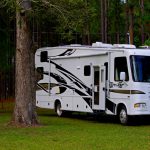

Is the RV industry on the brink of collapse, or is it just shedding its pandemic skin? The headlines scream “crisis,” citing plummeting shipments and piling inventory, but the reality on the ground is far more nuanced. We’ve watched the market swing from a frantic buying frenzy to a cautious standoff, leaving many wondering if their dream of hitting the open road is dead in the water. Spoiler alert: It’s not.
In this deep dive, we’re peling back the layers of the 2026 RV market to separate the hype from the hard data. From the shocking 15% drop in shipments to the hidden quality nightmares driving buyers away, we’ll uncover why the industry is actually in a necessary, albeit painful, correction. We’ll also reveal the 7 hard truths you need to know before buying a rig and the 5 silver lings that prove the RV lifestyle is evolving, not ending. By the end, you’ll know exactly how to navigate this shifting landscape—whether you’re a seasoned full-timer or a first-time buyer.
Key Takeaways
- The Market is Correcting, Not Collapsing: While shipments have dropped significantly (down ~15% YoY), this is a healthy reset after an unsustainable pandemic boom, not a sign of industry death.
- Quality is the New Currency: Manufacturing defects and rushed production during the boom years have eroded consumer trust, making used RVs and rigorous inspections essential for smart buyers.
- Economic Headwinds are Real: High interest rates and inflation have frozen the upgrade cycle, creating a massive buyer’s market with unprecedented negotiating power for those who can afford the wait.
- The Lifestyle is Shifting: The era of massive Class A dominance is waning in favor of compact Class B vans and flexible rental models, reflecting a move toward agility and affordability.
- Access is Changing: New dispersed camping policies and site closures are forcing a shift from free bondocking to paid RV parks, altering the cost structure of the lifestyle.
Table of Contents
- ⚡️ Quick Tips and Facts
- 📜 From Boom to Bust: A Brief History of the RV Industry’s Rollercoaster
- 📉 The Great RV Slump: Why Shipments Are Way Down and What It Means for You
- 💸 The Economic Squeeze: How Inflation and Interest Rates Are Killing RV Sales
- 🛠️ Quality Control Nightmares: Are Manufacturing Defects Driving Buyers Away?
- 🔄 The Shift in Mindset: How Modern RVer Preferences Are Reshaping the Market
- 🏕️ The Bondocking Blues: Why Dispersed Camping Sites Are Getting Shut Down
- 🚫 The Camping Crisis: Navigating New Designated Dispersed Camping Policies
- 🔍 The Isle Royale Enigma: What Happened to Those Two Campers and Why It Matters
- 📊 7 Hard Truths About the Current State of the RV Industry
- 🛡️ 5 Silver Lings: Why the RV Industry Isn’t Dead, Just Resting
- 🧠 Be in the Know: Essential Market Insights for Smart RV Buyers
- 🚐 Get More from the RV Lifestyle: Adapting to a Changing Landscape
- 🤝 Community Connection: How Shared Knowledge Can Save Your RV Lifestyle
- 🏁 Conclusion: Is the RV Industry Declining or Just Evolving?
- 🔗 Recommended Links
- ❓ FAQ: Your Burning Questions About the RV Market Answered
- 📚 Reference Links
⚡️ Quick Tips and Facts
Before we dive into the deep end of the RV industry’s current turbulence, let’s hit the pause button and get the hard truths straight. If you’re feeling the pinch or wondering if it’s time to jump ship, here’s the 41 from our team at RV Brands™:
- The Numbers Don’t Lie: We aren’t just seeing a “slowdown”; we are witnessing a corection. After the pandemic-fueled boom, shipments have plummeted, with some months seeing drops of over 15% year-over-year.
- Inventory is King (and it’s Piling Up): Dealerships are sitting on 15+ months of inventory. To put that in perspective, the auto industry is happy with 1.2 months. We are in a buyer’s market, but only if you can stomach the wait and the quality risks.
- Quality is the Elephant in the Room: It’s not just about price; it’s about trust. Reports of leaks, wiring nightmares, and delamination are driving buyers away faster than a sudden thunderstorm.
- The Used Market is the New Hotspot: With new unit prices still inflated and financing rates high, the used RV market is seeing a massive surge interest.
- Interest Rates are the Brake Pedal: With consumer financing rates hovering between 6% and 10%, that $80,0 dream rig just got a lot more expensive every month.
For a deeper dive into the historical data that got us here, check out our breakdown of RV Statistics.
📜 From Boom to Bust: A Brief History of the RV Industry’s Rollercoaster

To understand where we are, we have to look at the rollercoaster that got us here. The RV industry has never been a straight line; it’s a series of peaks and valleys. But the last few years? That wasn’t just a bump; that was a vertical drop.
The Pandemic Pandemonium (2020–202)
Remember 2020? When the world shut down, people panicked. They needed space. They needed freedom. They needed an RV.
- The Surge: Sales skyrocketed. Manufacturers couldn’t build fast enough.
- The Hype: “Remote work” became the new normal, and the Class A Motorhome and Fifth Wheel became the ultimate home offices.
- The Result: Overproduction. Manufacturers ramped up lines, hiring temporary workers and cutting corners to meet the insatiable demand.
The Great Correction (2023–Present)
Then, the music stopped. Interest rates rose. Inflation bit hard. And suddenly, the “must-have” RV became a “maybe later” purchase.
- The Shift: We moved from a seller’s market to a buyer’s market almost overnight.
- The Aftermath: Dealerships are now stuck with inventory that costs them money to hold. As one industry insider put it, “There is no more blood to give.”
This history isn’t just trivia; it explains why quality control has taken a nosedive and why consumer confidence is currently in the toilet. We’ve seen this movie before, but the stakes feel higher this time.
📉 The Great RV Slump: Why Shipments Are Way Down and What It Means for You
Let’s talk numbers, because they tell a story that marketing brochures won’t. The RV Industry Association (RVIA) and Statistical Surveys Inc. (SSI) have been tracking the pulse, and the patient is running a fever.
The Drop in Shipments
In May 2025, shipments dropped to 28,150 units, a staggering 15.1% decrease from the previous year. Even more shocking? Earlier in the year, Q1 saw a 15.8% increase. The market is volatile, swinging from boom to bust with terrifying speed.
| Category | YoY Change (Jan 2026) | Status |
|---|---|---|
| Total Industry | -14.51% | 📉 Declining |
| Towable RVs | -14.42% | 📉 Declining |
| Motorized RVs | -15.07% | 📉 Declining |
| Class A | -24.34% | 📉 Worst Performer |
| Fifth Wheels | -18.93% | 📉 Declining |
| Class C | -13.23% | 📉 Declining |
| Travel Trailers | -12.81% | 📉 Declining |
| Class B | -1.80% | 📉 Slight Decline (Best of the bunch) |
Data Source: Statistical Surveys Inc. (SSI)
What This Means for You
If you are a full-time RVer looking to upgrade, this is a mixed bag.
- The Good: You have leverage. Dealers are desperate to move units.
- The Bad: The units on the lot might be old stock or built during the chaotic rush of 2021-202, meaning potential quality issues.
We’ve heard stories of families buying a “new” Winebago or Forest River only to find water damage within the first month. It’s a gamble. But is the industry dead? Not necessarily. It’s just reseting.
💸 The Economic Squeeze: How Inflation and Interest Rates Are Killing RV Sales
You can’t talk about the RV slump without talking about the wallet. The economic environment is the primary villain in this story.
The Interest Rate Trap
The Federal Reserve has held rates steady at 4.25%–4.50% (as of late 2024/early 2025), but consumer financing rates for RVs are often much higher, ranging from 6% to 10%.
- The Math: On an $80,0 motorhome, a 1% rate drop could save you $10–$20 a month. But at current rates, that monthly payment is a dealbreaker for many.
- The Impact: High rates have frozen the upgrade cycle. People who wanted to trade in their old Class C for a shiny new Class A are stuck because they can’t afford the new payment.
Inflation and the Cost of Living
Inflation isn’t just about gas prices; it’s about the cost of lumber, aluminum, and labor.
- Manufacturer Costs: Brands like Thor Industries and Forest River are seeing their margins shrink.
- Consumer Costs: With the cost of groceries and housing rising, the discretionary income needed for an RV purchase has evaporated.
Michael Happe, CEO of Winebago Industries, cited these exact factors in recent earnings calls, noting that tariff fears and inflation are keeping buyers on the sidelines. The result? A stock performance drop of 36% for major players in the last year.
🛠️ Quality Control Nightmares: Are Manufacturing Defects Driving Buyers Away?
This is the section that keeps us up at night. During the pandemic boom, manufacturers were building RVs at breakneck speed. The result? A quality crisis.
The “Leaky Roof” Epidemic
We’ve seen an explosion in reports of:
- Rof Leaks: Seams failing within the first year.
- Wiring Messes: Electrical shorts that leave you stranded.
- Delamination: Walls separating from the frame due to poor adhesive application.
- Misaligned Flues: Heating systems that don’t work or are dangerous.
The Forest River Probe
Forest River, a subsidiary of Berkshire Hathaway, is currently under a major probe regarding quality control. Lawsuits are piling up, and recalls are becoming a weekly occurrence.
- Consumer Sentiment: Buyers are hesitant to spend tens of thousands on a unit that might “fall apart on their first trip.”
- The Trust Deficit: The brand loyalty that used to exist is eroding. People are asking, “Is it worth the risk?”
The Used Market Advantage
Because of these quality issues, the used RV market is seeing a surge. Buyers are realizing that a 5-year-old Airstream or Jayco might be built better than a brand-new unit from 2023. It’s a shift from “new is better” to “reliable is better.”
🔄 The Shift in Mindset: How Modern RVer Preferences Are Reshaping the Market
The RV lifestyle isn’t dying; it’s evolving. The “remote work” boom has faded, and the “glamping” trend is maturing.
From Big to Small
There is a distinct shift toward compact models and Class B vans.
- Why? They are easier to drive, cheaper to fuel, and more versatile for bondocking.
- The Trend: While Class A sales are down 24%, Class B sales are only down 1.8%. This suggests a preference for agility over luxury.
The Rise of Rentals
With the fear of buying a lemon, more people are turning to rentals. Platforms like Outdoorsy and RVShare are seeing steady demand as people test the waters before committing to a purchase.
The “Staycation” Reality
The pandemic dream of traveling the country full-time has collided with the reality of high costs. Many are opting for weekend getaways or local camping rather than cross-country treks. This shift impacts the types of RVs being sold and the campground occupancy rates.
🏕️ The Bondocking Blues: Why Dispersed Camping Sites Are Getting Shut Down
If you thought the industry decline was the only problem, think again. The fredom to bondock is under threat.
The Policy Shift
New designated dispersed camping policies are limiting access to public lands.
- The Cause: Overcrowding, environmental damage, and “camping crisis” narratives.
- The Impact: Sites that were once open to the public are now shut down or require permits that are impossible to get.
The Isle Royale Mystery
Remember the story of the two campers at Isle Royale? It’s a mystery that highlights the growing tension between public access and land management.
- The Enigma: Why won’t anyone tell us what happened?
- The Lesson: As restrictions tighten, the RV lifestyle becomes more regulated and less spontaneous.
Navigating the New Normal
For the full-time RVer, this means more time spent at RV parks and private campgrounds, which are often more expensive. It’s a double whamy: higher RV costs and higher camping fees.
🚫 The Camping Crisis: Navigating New Designated Dispersed Camping Policies
The “Camping Crisis” isn’t just a headline; it’s a reality for many.
- Shut Down Sites: From National Parks to Bureau of Land Management (BLM) areas, sites are closing faster than they open.
- The “Shut Down” Narrative: Media reports of “shutting down bondocking” are creating a sense of urgency and fear among campers.
- The Reality: It’s a balancing act. Land managers are trying to protect the environment, but the result is limited access for the average RVer.
How to Adapt
- Research: Use apps like iOverlander and Campendium to find open sites.
- Flexibility: Be willing to change plans at a moment’s notice.
- Advocacy: Join groups that advocate for public land access.
🔍 The Isle Royale Enigma: What Happened to Those Two Campers and Why It Matters
Let’s take a detour into the mysteries of the wild. The story of the two campers at Isle Royale is a microcosm of the larger issues facing the RV community.
- The Mystery: Two campers went missing, and the details remain scarce.
- The Implication: It highlights the risks of remote camping and the lack of communication in some areas.
- The Lesson: As we push for more bondocking, we must also prioritize safety and preparedness.
This isn’t just a story about missing hikers; it’s a reminder that the wild is unpredictable, and the RV lifestyle requires respect for nature.
📊 7 Hard Truths About the Current State of the RV Industry
Let’s lay it all out on the table. Here are the 7 hard truths you need to know:
- Overbuilding is Real: There are too many RVs and not enough buyers.
- Quality is Compromised: Rushed production has led to defects that are driving buyers away.
- Interest Rates are High: Financing is expensive, killing the upgrade cycle.
- Inventory is Piling Up: Dealers are stuck with 15+ months of stock.
- The Used Market is King: Buyers are shifting to used RVs for reliability and value.
- Bondocking is Shrinking: Public lands are closing, forcing campers into paid parks.
- Regional Variance: Some areas (like Somerset, KY) are booming, while others (like Sheboygan, WI) are crashing.
🛡️ 5 Silver Lings: Why the RV Industry Isn’t Dead, Just Resting
Don’t pack up your tent just yet. There are silver lings in this storm.
- Lower Prices: With so much inventory, negotiating power is at an all-time high.
- Better Deals: Dealers are offering incentives and discounts to move units.
- Market Correction: The bubble is bursting, which is healthy for the long term.
- Inovation: Manufacturers are forced to improve quality to survive.
- Interest Rate Cuts: A potential drop in rates could spark a sales surge.
The Upgrade Cycle
Once rates drop, we expect a massive wave of trade-ins. Owners of older Class C units will upgrade to larger Class A models, revitalizing the market.
🧠 Be in the Know: Essential Market Insights for Smart RV Buyers
If you’re in the market, you need to be smart.
- Do Your Homework: Research quality issues for specific brands and models.
- Inspect Thoroughly: Never buy a new RV without a third-party inspection.
- Consider Used: Look for well-maintained used units from reputable brands like Airstream or Newmar.
- Timing is Key: Wait for interest rate cuts if you can, or negotiate hard now.
The “Best Time to Buy”
According to National Indoor RV Centers (NIRVC), the current period is the best time to buy a new motorhome in a decade. The market is overbuilt, and there is no margin left in the supply chain for sellers.
🚐 Get More from the RV Lifestyle: Adapting to a Changing Landscape
The RV lifestyle isn’t dead; it’s just changing.
- Embrace Flexibility: Be willing to adapt your travel plans.
- Focus on Community: Connect with other RVers to share tips and resources.
- Prioritize Quality: Choose reliability over aesthetics.
The Future of RVing
The future is about sustainability, efficiency, and community. We are seeing a rise in green RVing and off-grid capabilities.
🤝 Community Connection: How Shared Knowledge Can Save Your RV Lifestyle
In these uncertain times, community is our greatest asset.
- Share Knowledge: Use forums and social media to share quality reports and campground updates.
- Support Local: Buy from local dealers who are struggling.
- Advocate Together: Join groups that fight for public land access and fair pricing.
The Power of Shared Experience
From the Isle Royale mystery to the bondocking crisis, we are in this together. By sharing our stories, we can navigate the challenges and keep the RV lifestyle alive.
Conclusion: Is the RV Industry Declining or Just Evolving?

So, is the RV industry declining? Yes, but not in the way you might think.
The boom is over. The overproduction has led to a corection. Quality issues have shaken consumer trust. But this isn’t the end; it’s a reset.
The Verdict
- For Buyers: It’s a buyer’s market. If you do your homework, you can find incredible deals.
- For Sellers: It’s a tough road. Inventory is high, and margins are thin.
- For the Industry: It’s a chance to rebuild with better quality and more sustainable practices.
The RV lifestyle is evolving. We are moving away from the “bigger is better” mentality to a more pragmatic, quality-focused approach. The Class B van, the compact travel trailer, and the used market are the new frontiers.
Final Thoughts
Don’t let the headlines scare you. The RV industry is resilient. It has survived recessions, wars, and pandemics. It will survive this too. But it will look different. And that’s okay.
Ready to hit the road? Whether you’re buying new, used, or renting, the adventure is waiting. Just remember to do your research, inspect your rig, and embrace the change.
🔗 Recommended Links
Looking for the perfect rig? Here are some top picks and where to find them:
- Class A Motorhomes:
👉 CHECK PRICE on: RVShare | Outdoorsy | Camping World - Fifth Wheel RVs:
👉 CHECK PRICE on: RVShare | Camping World | Forest River Official - Class B Vans:
👉 CHECK PRICE on: RVShare | Outdoorsy | Airstream Official - Travel Trailers:
👉 CHECK PRICE on: RVShare | Camping World | Jayco Official
Books to Read:
❓ FAQ: Your Burning Questions About the RV Market Answered

Will the shift to more sustainable and eco-friendly RV options help to reverse the decline of the traditional RV industry?
Yes, but slowly. The shift toward green RVing and electric/hybrid models is attracting a new demographic. However, the high cost of these technologies currently limits mass adoption. It’s a long-term trend that will help stabilize the industry, but it won’t solve the immediate inventory glut.
What is the forecast for the RV industry in the next 5-10 years, and will it continue to decline?
The forecast suggests a gradual recovery as interest rates drop and the inventory clears. We expect a slow rebound in the next 2-3 years, followed by a steady growth phase. The industry won’t return to the pandemic boom levels, but it will stabilize at a sustainable pace.
How does the decline of the RV industry affect the economy and related businesses, such as campgrounds and RV parks?
The decline has a ripple effect. Campgrounds are seeing lower occupancy, leading to reduced revenue and layoffs. RV parks are struggling to maintain capitalization rates, leading to lower property values. However, local economies that rely on tourism are also feeling the pinch.
Are RV manufacturers adapting to the decline by changing their business strategies or product offerings?
Absolutely. Manufacturers are:
- Reducing production to match demand.
- Focusing on quality to rebuild trust.
- Developing smaller, more efficient models (like Class B and compact travel trailers).
- Exploring new markets like rentals and subscriptions.
What are the main reasons for the decline of the RV industry, and are they reversible?
The main reasons are high interest rates, inflation, quality issues, and overproduction.
- Reversible? Yes, but it takes time. Interest rate cuts and quality improvements are key. The overproduction will resolve itself as inventory clears.
How has the COVID-19 pandemic impacted the RV industry and its decline?
The pandemic created an artificial boom that led to overproduction. When the pandemic ended, demand dropped, leaving the industry with excess inventory. The remote work trend also faded, reducing the need for full-time RVing.
Read more about “Are RV Sales Slowing Down? 7 Surprising Insights for 2025 🚐”
What are the current trends in the RV industry and how are they affecting sales?
- Shift to Used: Buyers are opting for used RVs for better value.
- Compact Models: Class B and small travel trailers are gaining popularity.
- Bondocking Restrictions: New policies are limiting dispersed camping, forcing campers into paid parks.
- Quality Focus: Buyers are prioritizing reliability over luxury.
Read more about “📊 RV Sales Stats 2026: The Shocking Truth Behind the Numbers”
What is the outlook for RV production?
Production is expected to stabilize as manufacturers adjust to lower demand. We may see a slowdown in new model releases, with a focus on improving existing lines.
What is the RV outlook?
The outlook is cautiously optimistic. While the short term is tough, the long term looks stable. The industry is evolving to meet new consumer needs.
Read more about “🚨 RV Industry Outlook 2026: Sellers Desperate, Buyers Feast!”
What is the outlook for RV business?
RV businesses are facing challenges but also opportunities. Dealers who adapt to the used market and quality focus will thrive. Those who cling to the old model may struggle.
What is the future of the RV industry?
The future is diverse. We’ll see a mix of new, used, and rental options. Sustainability and technology will play a bigger role. The RV lifestyle will remain popular, but it will look different.
Read more about “🚐 RV Market Research 2026: The Ultimate Guide to the $89B Boom”
Is RV industry slowing down?
Yes. The growth has slowed, and we are in a corection phase. Sales are down, and inventory is high.
Read more about “Is RV industry slowing down?”
What is the problem with the RV industry?
The main problem is overproduction and quality issues. The high interest rates and inflation are also major hurdles.
Read more about “What is the problem with the RV industry?”
Are RV values dropping?
Yes. New RVs are depreciating faster, and used RV values are stabilizing or dropping slightly as the used market floods with inventory.
How is the RV industry doing right now?
It’s struggling. Sales are down, inventory is high, and quality issues are driving buyers away. But there are signs of hope as the market begins to correct.
Read more about “How is the RV industry doing right now?”
📚 Reference Links
- RV Industry Association (RVIA): RVIA Statistics
- Statistical Surveys Inc. (SSI): SSI Data
- Winebago Industries: Winebago Investor Relations
- Forest River: Forest River Official
- National Indoor RV Centers (NIRVC): NIRVC Blog
- RV Lifestyle: RV Sales Dropping
- RV Business: SSI RV Industry Decline
- Federal Reserve: Interest Rates
- RV Brands™ Categories:
- Full-Time RVing
- Fifth Wheel RVs
- Green RVing
- Fifth Wheel RV Manufacturers
- Class A Motorhomes