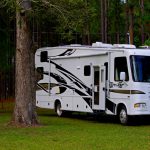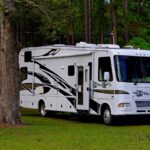

So, you’re ready to hit the open road but wondering, “What is the best RV for a beginner?” You’re not alone! With the RV community booming and nearly 4 million new owners joining in recent years, choosing your first rig can feel like navigating a maze of options—from sleek Class B camper vans to spacious fifth wheels and everything in between. But here’s a little secret from us at RV Brands™: bigger isn’t always better, and the best beginner RV is one that fits your lifestyle, budget, and confidence level.
In this guide, we’ll walk you through the 12 best RVs for first-timers in 2026, breaking down everything from towability and ease of use to storage and comfort. Plus, we’ll share real-life rookie stories (including a near runaway trailer moment!) and expert tips to make your first adventure smooth and stress-free. Ready to find your perfect match? Keep reading—you might be surprised which models top our list!
Key Takeaways
- Start small and simple: Compact travel trailers and Class C motorhomes are the easiest to drive and tow for beginners.
- Prioritize ease of use and maintenance: Look for rigs with straightforward hookups, power stabilizers, and reliable construction.
- Consider your travel style: Families, couples, and solo travelers have different needs—choose an RV that fits your crew and adventure goals.
- Test before you buy: Renting from platforms like RVShare or Outdoorsy lets you try different RV types without commitment.
- Essential gear and safety: Don’t forget wheel chocks, surge protectors, and a solid maintenance routine to keep your RV road-ready.
👉 Shop Top Beginner RVs:
- Travel Trailers: Keystone Coleman | Jayco Jay Flight
- Class C Motorhomes: Thor Freedom Elite | Thor Coleman
- Fifth Wheels: Keystone Cougar
- Toy Haulers: Forest River Nightfall
- Pop-Up Campers: Forest River Rockwood
Table of Contents
- ⚡️ Quick Tips and Facts for Beginner RVers
- 🏕️ RV Basics: Understanding Your First RV Purchase
- 🔍 What to Look for in the Best RV for Beginners
- 🚐 1. Top 10 Best Class C Motorhomes for Beginners
- 🚚 2. Best Travel Trailers for Family Beginners
- 💑 3. Best Couples Travel Trailers for New RVers
- 🛻 4. Beginner-Friendly Fifth Wheels: What You Need to Know
- 🏍️ 5. Entry-Level Toy Haulers for Adventurous Beginners
- 🚐 6. Small Campers and Pop-Up Campers Perfect for Starters
- 🔧 Maintenance and Upkeep Tips for First-Time RV Owners
- 💡 Financing and Insurance Insights for Beginner RV Buyers
- 🛠️ Essential Gear and Accessories Every Beginner RVer Needs
- 🌍 Planning Your First RV Trip: Routes, Campsites, and Tips
- 🧳 Packing Smart: What to Bring on Your First RV Adventure
- 👨 👩 👧 Family Travel Trailers for Beginners: Pros and Cons
- 💞 Couples Travel Trailers for Beginners: Cozy and Compact Options
- 🏡 Creating Your Mobile Home Base: Tips for New RVers
- 🎉 Real Stories: Favorite Beginner RV Trips and Adventures
- 📚 Expert Advice: Common Mistakes to Avoid as a New RVer
- 🔗 Recommended Links for Beginner RV Enthusiasts
- ❓ FAQ: Answers to Your Burning Beginner RV Questions
- 📖 Reference Links and Further Reading
- 🏁 Conclusion: Your Journey to Becoming an Expert RVer Starts Here
Hello, fellow road warriors! Welcome to RV Brands™, your ultimate guide to the world of recreational vehicles. We’re a team of seasoned RV enthusiasts who’ve seen it all, from dusty desert highways to misty mountain campgrounds. We’re here to share our hard-won wisdom and help you navigate the exciting, and sometimes bewildering, world of RVing. Let’s dive into the big question: what’s the best RV for a beginner?
⚡️ Quick Tips and Facts for Beginner RVers
Jumping into the RV lifestyle is a thrill, but a little prep goes a long way. Think of this as your pre-flight checklist before you blast off into a world of adventure.
- The RV Community is Growing and Changing! The face of RVing is getting younger. The median age of an RV owner has dropped to 49, with a significant chunk (46%) of owners now in the 35-54 age range. What does this mean for you? You’ll find a more diverse and vibrant community on the road than ever before.
- First-Timers Are Welcome: You’re in good company! A whopping 36% of all RV owners are first-timers. The industry is catering more and more to beginners with user-friendly features and helpful resources.
- Try Before You Buy: Still on the fence? The RV rental market is booming. Platforms like RVShare and Outdoorsy let you test drive the lifestyle (and different RV types!) before making a huge commitment. It’s like dating before you get married—highly recommended!
- Bigger Isn’t Always Better: A common rookie mistake is buying too much RV. As Roadtrippers magazine wisely puts it, “Bigger isn’t always better.” [cite: ] Start with something manageable. A smaller rig is easier to drive, tow, park, and maintain.
- Towables Trump Motorhomes for Newbies: Towable RVs (like travel trailers) are the most popular category for a reason. They are generally more affordable and allow you to unhitch at the campsite, leaving your vehicle free for exploring.
- Maintenance is Mandatory: Every RV needs regular TLC. [cite: ] From tires to seals, staying on top of a maintenance checklist is part of the deal. Don’t let it intimidate you; think of it as getting to know your new adventure buddy.
🏕️ RV Basics: Understanding Your First RV Purchase
Walking onto an RV lot for the first time can feel like stepping into a different universe. There are so many shapes, sizes, and names! Let’s break down the cosmic clutter. At the highest level, RVs are split into two main categories: Motorized (you drive it) and Towable (you pull it).
Motorized RVs: The All-in-One Adventure Machines
These are the rigs where the engine and the living quarters are one seamless unit.
| RV Class | Description | Best For | Driving Difficulty |
|---|---|---|---|
| Class A | The big kahunas, resembling a tour bus. Luxurious and spacious. | Full-timers, large families, luxury seekers. | Hard (Intimidating for beginners). |
| Class B | Also known as camper vans. Compact, nimble, and fuel-efficient. | Solo travelers, couples, minimalists, weekend warriors. | Easy (like driving a large van). |
| Class C | The “cab-over” style, built on a truck chassis. A happy medium. | Families, couples, first-time motorhome buyers. | Easy to Moderate. |
Towable RVs: Your Detachable Home on Wheels
These require a separate tow vehicle, which is a major consideration. You’ll need to match the trailer’s weight to your truck or SUV’s towing capacity.
| RV Type | Description | Best For | Towing Difficulty |
|---|---|---|---|
| Travel Trailer | The most common type of RV. Comes in a huge variety of sizes and layouts. | Everyone! Families, couples, budget-conscious buyers. | Easy to Moderate. |
| Fifth Wheel | The largest towables, connecting to a special hitch in a truck bed. | Long-term travelers, those needing lots of space. | Moderate to Hard (but often easier than a long travel trailer). |
| Pop-Up Camper | Lightweight trailers that collapse for towing and expand at the campsite. | Tent camping graduates, budget buyers, those with smaller tow vehicles. | Easy. |
| Toy Hauler | A travel trailer or fifth wheel with a built-in “garage” for ATVs, bikes, etc. | Adventurers with “toys.” | Moderate to Hard. |
So, what’s the first big decision? Motorized or towable? As RV.com notes, there are pros and cons to both. A motorhome is convenient for travel days (just pull over and you’re home!), but a towable lets you set up camp and then use your vehicle for errands and sightseeing without packing everything up. For most beginners, the flexibility and lower entry cost of a travel trailer make it the winning choice.
🔍 What to Look for in the Best RV for Beginners
Okay, you’ve got the basics down. Now, what specific features make an RV “beginner-friendly”? It’s not just about size; it’s about simplicity and confidence.
- ✅ Ease of Use: The best beginner RV should be “simple and easy to use, regardless of how many amenities are included.” [cite: ] Look for intuitive systems, clear manuals, and straightforward setup. Power tongue jacks and power stabilizers, for instance, can make setting up a travel trailer a breeze.
- ✅ Maneuverability & Towability: If you’re new to towing or driving a large vehicle, start small. A shorter travel trailer (under 25 feet) or a compact Class C motorhome is much less stressful to navigate in gas stations and campgrounds.
- ✅ The Right Floor Plan: Don’t get distracted by shiny features. Think about how you’ll actually use the space. Do you need bunk beds for kids? A dedicated workspace? A big kitchen? Spend time walking through different layouts.
- ✅ Quality Construction: A well-built RV will save you headaches down the road. Look for brands with a good reputation for quality and customer service. Don’t be afraid to open every cabinet and check every seam.
- ❌ Overly Complex Systems: That high-tech touchscreen that controls everything might seem cool, but it’s also another thing that can break. For your first rig, simpler is often better.
- ✅ Ample Storage: You’ll be surprised how much gear you accumulate. Look for smart storage solutions, both inside and out. Pass-through storage on a travel trailer is a huge plus for stashing hoses, chairs, and outdoor gear.
Feeling a bit overwhelmed? That’s totally normal! A fantastic resource to check out is the first YouTube video embedded in this article. Josh the RV Nerd breaks down some crucial tips for first-time buyers that can help you avoid common pitfalls. His advice is gold!
🚐 1. Top 10 Best Class C Motorhomes for Beginners
If you’ve got your heart set on a motorhome, a Class C is the perfect place to start. They offer a fantastic balance of space, features, and drivability, making them a great “middle-ground” option. Here are our top picks for newbies.
Thor Freedom Elite 19HE
| Feature | Rating (1-10) |
|---|---|
| Drivability | 9 |
| Layout | 8 |
| Features | 7 |
| Value | 9 |
| Overall | 8.3 |
The Thor Freedom Elite 19HE is a compact powerhouse, perfect for couples or small families dipping their toes into the motorized RV world. Built on a Ford E-Series chassis, it’s reliable and not much harder to drive than a large van. [cite: ]
Its biggest strength is its simplicity. The U-shaped dinette cleverly converts into a queen bed, and you get an additional sleeping space in the cab-over bunk. The wet bath is a space-saver, combining the shower and toilet. It’s a no-fuss layout that just works. While it lacks fancy slide-outs, that also means fewer moving parts to worry about—a huge plus for a first-timer.
- 👉 Shop Thor Freedom Elite on: RVShare | Camping World | Thor Motor Coach Official Website
Thor Coleman 22EQF
| Feature | Rating (1-10) |
|---|---|
| Drivability | 8 |
| Layout | 9 |
| Features | 8 |
| Value | 8 |
| Overall | 8.3 |
A step up in size, the Thor Coleman 22EQF offers more dedicated living space without becoming unwieldy. [cite: ] You get a proper rear corner bed, so you don’t have to convert your dinette every night.
What we love for beginners is the massive exterior storage—over 50 cubic feet! This makes it easy to keep your campsite essentials organized and accessible. It’s a small detail that makes a huge difference in day-to-day livability. It’s a practical, well-thought-out coach that’s ready for adventure.
- 👉 Shop Thor Coleman on: RVShare | Camping World | Thor Motor Coach Official Website
(More Class C reviews coming soon!)
🚚 2. Best Travel Trailers for Family Beginners
Taking the family camping is what the RV dream is all about! These travel trailers offer bunk beds, durable interiors, and easy-to-use features, making them perfect for your crew’s first rolling adventure.
Keystone Coleman 17B
| Feature | Rating (1-10) |
|---|---|
| Towability | 10 |
| Layout | 9 |
| Durability | 7 |
| Value | 10 |
| Overall | 9.0 |
The Keystone Coleman 17B is a legend in the beginner RV space, and for good reason. It’s lightweight (around 3,000 pounds dry), meaning it can be towed by many SUVs and light-duty trucks. [cite: ] This little rig packs a punch with kid-friendly bunk beds in the back, a dinette that converts to a bed, and a main bed up front.
It’s the definition of simple and effective. You get all the essentials—a furnace, water heater, and a functional kitchen—without unnecessary frills that can confuse a new owner. It’s one of the most popular and affordable family campers on the market.
- 👉 Shop Keystone Coleman on: RVShare | Camping World | Keystone RV Official Website
Jayco Jay Flight SLX 260BH
| Feature | Rating (1-10) |
|---|---|
| Towability | 8 |
| Layout | 10 |
| Durability | 9 |
| Value | 9 |
| Overall | 9.0 |
Need to sleep an army? The Jayco Jay Flight SLX 260BH has you covered. It boasts the highest sleeping capacity in its class, fitting up to 10 people! [cite: ] With double-over-double bunks, a convertible dinette, a jackknife sofa, and a queen bed, nobody gets left behind.
What makes this a great beginner option is its clever design. Despite its massive sleeping capacity, it comes in under 30 feet, making it easier to fit into campgrounds with length restrictions. [cite: ] Plus, the absence of slide-outs simplifies maintenance and setup. Jayco is also known for its solid construction, giving you peace of mind on the road.
- 👉 Shop Jayco Jay Flight on: RVShare | Camping World | Jayco Official Website
💑 3. Best Couples Travel Trailers for New RVers
Hitting the road with your favorite person? These compact and cozy trailers are perfect for two. They’re easy to handle, quick to set up, and provide the perfect home base for your romantic getaways.
Keystone Coleman 17R
| Feature | Rating (1-10) |
|---|---|
| Towability | 10 |
| Layout | 9 |
| Comfort | 8 |
| Value | 10 |
| Overall | 9.3 |
The sibling to the family-favorite 17B, the Keystone Coleman 17R swaps the bunks for a more couple-friendly layout. You get a spacious rear bathroom with a large shower and extra storage—a true luxury in a small trailer!
Weighing in at just over 3,000 pounds, it’s incredibly easy to tow. [cite: ] The layout is smart, with a dedicated queen bed up front and a surprisingly generous amount of kitchen counter space. It’s an ideal choice for couples who are new to towing and want a comfortable, manageable rig.
- 👉 Shop Keystone Coleman on: RVShare | Camping World | Keystone RV Official Website
CrossRoads Zinger 18RB
| Feature | Rating (1-10) |
|---|---|
| Towability | 9 |
| Layout | 9 |
| Comfort | 9 |
| Value | 9 |
| Overall | 9.0 |
The CrossRoads Zinger 18RB is another fantastic option that packs a lot of comfort into a small package. One of its standout features is the 81-inch interior height, which gives it an open, airy feel that’s often missing in small trailers.
It’s designed with user-friendliness in mind. The kitchen is simple but effective, and the roomy bathroom is a pleasant surprise. For a touch of homey comfort, it even includes a cozy electric fireplace—perfect for chilly evenings. It’s an attractive, easy-to-tow trailer that doesn’t skimp on comfort.
- 👉 Shop CrossRoads Zinger on: RVShare | Camping World | CrossRoads RV Official Website
🛻 4. Beginner-Friendly Fifth Wheels: What You Need to Know
Whoa there! A Fifth Wheel RV? For a beginner? Before you click away, hear us out. While these large trailers can look intimidating, modern technology and smaller “half-ton towable” models have made them more accessible than ever. The key benefit? They are often more stable and easier to tow than a similarly-sized travel trailer due to the in-bed hitch placement.
The learning curve is a bit steeper, especially with hitching and unhitching, but for those planning longer trips or even part-time Full-Time RVing, the extra space and residential feel can be worth it.
Keystone Cougar Sport 2100RK
| Feature | Rating (1-10) |
|---|---|
| Towability | 9 |
| Layout | 9 |
| Features | 8 |
| Value | 8 |
| Overall | 8.5 |
If you’re going to start with a fifth wheel, start here. The Keystone Cougar Sport 2100RK is designed specifically as an entry point into the fifth-wheel market. At just over 26 feet long, it’s compact and relatively lightweight, making it manageable for many half-ton pickup trucks. [cite: ]
The rear kitchen (“RK”) layout opens up the living area, making it feel surprisingly spacious. You get a cozy dinette, modern appliances, and ample storage. Keystone is one of the most reputable Fifth Wheel RV Manufacturers, and the Cougar line is known for its quality. This model proves you don’t need a massive rig to enjoy the benefits of a fifth wheel.
- 👉 Shop Keystone Cougar on: RVShare | Camping World | Keystone RV Official Website
🏍️ 5. Entry-Level Toy Haulers for Adventurous Beginners
Got toys? If your adventures involve dirt bikes, kayaks, or an ATV, a toy hauler is your ticket to ride. These RVs feature a mobile garage space, usually in the back, with a ramp door for easy loading. For beginners, the key is to find a model that isn’t excessively long or heavy.
Forest River Nightfall 20N
| Feature | Rating (1-10) |
|---|---|
| Towability | 8 |
| Functionality | 10 |
| Layout | 8 |
| Value | 8 |
| Overall | 8.5 |
The Forest River Nightfall 20N (part of the Cherokee Wolf Pup Black Label lineup) is a fantastic entry-level toy hauler. It’s compact and designed for easier towing, which is a major plus when you’re also hauling heavy gear.
The garage is spacious and equipped with multiple 5,000-pound tie-downs to keep your prized possessions secure. The layout is simple and functional, with modern appliances and a surprising amount of storage. It’s a rugged, no-nonsense rig built for action-packed weekends.
- 👉 Shop Forest River Toy Haulers on: RVShare | Camping World | Forest River Official Website
🚐 6. Small Campers and Pop-Up Campers Perfect for Starters
For the ultimate in easy towing and maneuverability, you can’t beat a small camper. These lightweight options are perfect for those graduating from tent camping or for anyone with a smaller tow vehicle.
Rockwood OTG 19OTG
| Feature | Rating (1-10) |
|---|---|
| Towability | 10 |
| Setup | 7 |
| Features | 7 |
| Value | 9 |
| Overall | 8.3 |
The Forest River Rockwood OTG 19OTG is a pop-up camper, which means it’s a fantastic blend of tent camping and RVing. When collapsed, it’s incredibly low-profile and easy to tow—you’ll barely know it’s there! At the campsite, it expands to create a surprisingly spacious living area.
With an unloaded weight of just 1,299 pounds, it can be towed by many smaller SUVs. [cite: ] It’s a significant step up from a tent, offering comfortable sleeping areas and basic amenities. The setup and takedown process has a learning curve, but it’s a small price to pay for such a lightweight and affordable package.
- 👉 Shop Rockwood Campers on: RVShare | Camping World | Forest River Official Website
nuCamp TAB 320 CS-S Classic
| Feature | Rating (1-10) |
|---|---|
| Towability | 10 |
| Design | 10 |
| Features | 8 |
| Value | 7 |
| Overall | 8.8 |
The nuCamp TAB 320 CS-S teardrop camper is an icon of design and efficiency. It’s perfect for one or two travelers who value quality and style. Inside, the dinette converts into a comfortable sleeping area.
The real genius is the rear hatch, which opens to reveal a well-equipped outdoor kitchen (the “CS” stands for Clamshell). This design is perfect for those who love to cook and live outdoors. It’s a high-quality, lightweight camper that turns heads wherever it goes.
- 👉 Shop nuCamp TAB on: RVShare | Camping World | nuCamp RV Official Website
🔧 Maintenance and Upkeep Tips for First-Time RV Owners
Welcome to the club! Owning an RV means becoming a part-time mechanic, plumber, and electrician. Don’t worry, it’s not as scary as it sounds! Staying on top of a few key tasks will keep your rig happy and healthy for years to come.
Your Beginner’s Maintenance Checklist:
- Tire Pressure is King: Before every single trip, check the tire pressure on your RV and tow vehicle. Improperly inflated tires are one of the leading causes of blowouts.
- Look Up! Check Your Roof Seals: Your RV roof is its first line of defense against water. At least twice a year, get up there and inspect the seals around vents, skylights, and air conditioners. Water damage is the silent killer of RVs.
- Exercise Your Generator: If your RV has an onboard generator, you need to run it for about an hour under at least a 50% load (e.g., run the A/C) every month. This keeps the fuel from gumming up the carburetor.
- Sanitize Your Fresh Water System: At the beginning of each camping season, you should sanitize your fresh water tank and lines. A simple bleach-and-water solution will do the trick.
- Lubricate Moving Parts: Slide-out mechanisms, steps, and hitch components all need regular lubrication to operate smoothly.
Remember, as Camping World’s experts say, “all RVs require maintenance and upkeep… it’s simply part of learning how to RV.” [cite: ] Keep a logbook of your maintenance, and you’ll be a pro in no time.
💡 Financing and Insurance Insights for Beginner RV Buyers
Let’s talk money. Buying an RV is a major investment, and it’s crucial to get the financing and insurance right.
Financing Your RV:
- It’s Not a Car Loan: RV loans are different from auto loans. They often have longer terms (10, 15, or even 20 years) because RVs are considered luxury items with a longer lifespan.
- 👉 Shop Around for Rates: Don’t just accept the financing offered at the dealership. Check with your personal bank, credit unions, and online lenders that specialize in RV loans. A small difference in the interest rate can save you thousands over the life of the loan.
- Down Payment Matters: A larger down payment (ideally 10-20%) will not only lower your monthly payment but also help you get a better interest rate.
Insuring Your RV:
- You Need Specialized Coverage: Your standard auto insurance policy is not enough. You need a dedicated RV insurance policy.
- Key Coverages to Consider:
- Total Loss Replacement: If your new RV is totaled, this coverage will pay for a brand new, comparable model, not just the depreciated value.
- Campsite Liability: Protects you if someone is injured at your campsite.
- Personal Effects Coverage: Covers your belongings inside the RV.
- Roadside Assistance: Look for a plan that specifically covers RVs, as they require heavy-duty tow trucks.
🛠️ Essential Gear and Accessories Every Beginner RVer Needs
That shiny new RV on the lot? It’s just the beginning. You’ll need a “starter kit” of essential gear to actually go camping. Don’t leave the dealership without these!
The Absolute Must-Haves:
- Drinking Water Hose: You need a dedicated, lead-free hose (usually white or blue) for filling your fresh water tank. Never use a standard garden hose.
- Sewer Hose Kit: It’s a dirty job, but someone’s gotta do it. Get a quality sewer hose (a 20-foot hose is a good start) and a clear elbow connector so you can see when the tank is clean.
- RV Toilet Paper: Yes, it’s different! RV toilet paper is designed to break down quickly and prevent clogs in your black tank.
- Holding Tank Chemicals: These treatments go into your black tank to break down waste and control odors.
- Leveling Blocks: Campgrounds are rarely perfectly level. You’ll need a set of interlocking leveling blocks to place under your tires to get your RV nice and flat.
- Wheel Chocks: A crucial safety item. Always chock your wheels before you unhitch your trailer.
- Surge Protector: This is one of the most important investments you can make. A surge protector plugs in at the campground power pedestal and protects your RV’s sensitive electrical system from power spikes.
- 👉 Shop Essential RV Gear on: Camping World | Amazon | Walmart
🌍 Planning Your First RV Trip: Routes, Campsites, and Tips
You’ve got the rig, you’ve got the gear… now for the fun part! Planning your maiden voyage is incredibly exciting. Here’s our advice for a smooth first run.
The “Shakedown” Trip:
Your very first trip should be short and close to home. We’re talking a one or two-night stay at a local campground. Why? Because things will go wrong. You’ll forget something. You’ll struggle to back into a site. You’ll realize you don’t know how a system works. It’s so much less stressful to figure this stuff out when you’re only 30 minutes from your house.
Finding the Right Campsite:
- Start with Full Hookups: For your first few trips, book campsites with “full hookups” (water, electricity, and sewer). This simplifies things immensely.
- Book a Pull-Thru Site: If you’re nervous about backing up, a pull-thru site is your best friend. You simply drive in one end and out the other.
- Use Online Booking Tools: Websites and apps like The Dyrt, Campendium, and Recreation.gov are invaluable for finding and booking campsites. You can read reviews, see photos, and filter by amenities.
Route Planning for Big Rigs:
Don’t just rely on Google Maps! RV-specific GPS units and apps like RV LIFE Trip Wizard are worth their weight in gold. They account for your RV’s height and weight, routing you away from low bridges and steep mountain passes.
🧳 Packing Smart: What to Bring on Your First RV Adventure
It’s tempting to bring everything but the kitchen sink (oh wait, you already have one of those!). But an overloaded RV is unsafe and inefficient. Here’s a quick guide to packing smart.
Kitchen:
- Nesting pots and pans
- Corelle dishes (lightweight and durable)
- Basic utensils and cooking tools
- A good knife
- French press or percolator for coffee (uses less power than a drip machine)
Bedroom & Bathroom:
- Quick-dry towels
- Layers of bedding (temperatures can swing wildly)
- Toiletry kit
Clothing:
- Pack in layers.
- Bring durable, comfortable shoes.
- Don’t forget rain gear!
The “Oops” Kit (Don’t Leave Home Without It):
- Basic toolkit (screwdrivers, wrenches, pliers)
- Duct tape and zip ties (can fix almost anything)
- Extra fuses
- Headlamps or flashlights
- First-aid kit
The goal is to be prepared, not to replicate your entire house on wheels. After a few trips, you’ll figure out exactly what you need and what you can leave behind.
👨 👩 👧 Family Travel Trailers for Beginners: Pros and Cons
Choosing a family travel trailer is a fantastic way to introduce your kids to the joys of camping. But it’s a decision with its own set of trade-offs.
The Pros ✅
- Dedicated Space for Kids: Bunkhouses are a game-changer. They give kids their own zone, which means more harmony for everyone. Models like the Forest River Campsite Reserve 26CJ offer double-over-double bunks for maximum kid capacity.
- More Storage: Family-sized trailers generally come with more storage, including pantries and outside compartments, to handle all the extra gear.
- Amenities for All: Many family models include features like outdoor kitchens and second bathrooms, which are huge conveniences when traveling with a group.
The Cons ❌
- Bigger and Heavier: More space means more weight and length. You’ll need a capable tow vehicle, and you’ll have to be more mindful of campground size restrictions.
- More to Clean and Maintain: A bigger rig with more features simply means there’s more to take care of.
- Can Feel Crowded on Rainy Days: Even in a larger trailer, a family of four or more can get stir-crazy when stuck inside. Look for layouts with distinct living zones.
💞 Couples Travel Trailers for Beginners: Cozy and Compact Options
For couples, the focus is often on comfort, maneuverability, and creating a cozy retreat.
The Pros ✅
- Easy to Tow and Park: Smaller couples’ campers, like the Forest River Campsite Ultra 19KB, are a dream to handle. They open up a world of smaller, more intimate campsites that larger rigs can’t access.
- Quicker Setup and Takedown: With fewer systems and less space, you’ll be relaxing with a cold drink while the family in the giant fifth wheel next door is still setting up.
- More Luxurious Features: Because they don’t need to dedicate space to bunks, these models often have larger bathrooms, more kitchen counter space, and more comfortable seating areas.
The Cons ❌
- Limited Guest Space: While most have a dinette that converts to a small bed, they aren’t ideal for hosting guests overnight.
- Less Storage: You’ll need to be more strategic about what you pack.
- May Feel Small on Long Trips: For a weekend, they’re perfect. For a multi-month cross-country trip, you might start wishing for a bit more elbow room.
🏡 Creating Your Mobile Home Base: Tips for New RVers
Your RV is more than just a vehicle; it’s your home on the road. Making it feel personal and comfortable is key to loving the lifestyle.
- Add Personal Touches: Use removable hooks (like Command strips) to hang photos and lightweight art. Add throw pillows and blankets in your favorite colors.
- Upgrade Your Mattress: Let’s be honest, most factory-installed RV mattresses are terrible. A quality mattress topper or a new residential mattress (make sure to check the size!) can dramatically improve your sleep.
- Organize, Organize, Organize: Use storage bins, drawer dividers, and tension rods in cabinets to keep things from shifting in transit. A well-organized RV feels much larger and more serene.
- Create an Outdoor Oasis: Your living space extends outside! A nice outdoor rug, comfortable camping chairs, and some string lights can turn your campsite into a cozy patio.
🎉 Real Stories: Favorite Beginner RV Trips and Adventures
I’ll never forget our first “real” trip in our brand-new travel trailer. We’d done the obligatory shakedown trip in our driveway, but this was it—a whole week in the Blue Ridge Mountains. We’d picked a campground that looked amazing online, but the final mile of the road to get there was a winding, single-lane gravel path with a steep drop-off. My knuckles were white on the steering wheel!
We finally pulled into our site, a bit frazzled, and I started the unhitching process. I was so focused on remembering the steps that I forgot the most important one: chock the wheels. The moment the trailer came off the hitch ball, it started to roll backward, ever so slowly, toward a very large oak tree. My wife screamed, I yelled something that can’t be printed here, and I’ve never moved so fast in my life to grab the wheel chocks and shove them in place. Disaster averted by inches! We spent the rest of the week laughing about it, but it was a lesson learned the hard way. Now, “Chock the wheels!” is the first thing we say when we pull into a site. It’s our little ritual, born from a moment of pure panic.
📚 Expert Advice: Common Mistakes to Avoid as a New RVer
We’ve all been there. Every seasoned RVer has a list of “if I only knew then” moments. Here are some of the biggest rookie mistakes to sidestep.
- Forgetting a Checklist: Don’t rely on your memory. Create detailed checklists for setting up and breaking down camp. This prevents you from driving off with the antenna up or the steps out.
- Not Understanding Your RV’s Height: Know your exact height (including the A/C unit!) and write it on a sticky note on your dashboard. That one number can save you from a very expensive encounter with a low bridge.
- Arriving at the Campground After Dark: Everything is harder in the dark. Backing into a site, hooking up utilities, and just getting oriented is a recipe for frustration. Plan to arrive with plenty of daylight to spare.
- Ignoring Your Holding Tanks: Don’t wait until your tanks are completely full to dump them, and never, ever leave your black tank valve open at a full hookup site. (Trust us on this one).
- Traveling Too Fast: You’re not in a race. RVs are heavy, and they don’t stop on a dime. Slow down, leave plenty of space between you and the vehicle in front of you, and enjoy the journey.
🔗 Recommended Links for Beginner RV Enthusiasts
- RV LIFE Trip Wizard: An essential tool for planning RV-safe driving routes.
- Campendium: User reviews and information on thousands of campgrounds.
- The Dyrt: Another excellent resource for finding and booking campsites.
- Go RVing: A great resource from the RV Industry Association with tips for new owners.
❓ FAQ: Answers to Your Burning Beginner RV Questions
Q: Do I need a special license to drive an RV? A: In most states, you do not need a special license for a standard Class C, Class B, or to tow a travel trailer or fifth wheel, as long as the total weight is under 26,000 pounds. However, laws vary by state, so always check with your local DMV.
Q: How fast can I drive while towing a trailer? A: Many trailer tires are only rated for a maximum speed of 65 mph. Driving faster than this can cause them to overheat and fail. Some states also have lower speed limits for vehicles towing trailers. The golden rule is to take it slow and steady.
Q: What is “boondocking”? A: Boondocking, or dry camping, is camping without hookups (water, electricity, or sewer). This is common on public lands and offers a more rugged, off-grid experience. It requires you to be self-sufficient with your water and power.
Q: Can I really park my RV at Walmart? A: Sometimes. Many Walmart stores allow overnight RV parking as a courtesy, but it’s not a universal policy. It’s always best to check with the store manager first. Remember, this is for a quick overnight stop, not for setting up camp with your slides out and awning deployed.
Q: How much does it cost to stay at a campground? A: Prices vary wildly depending on location and amenities. A basic state park site might be a modest amount per night, while a luxury RV resort with a pool and clubhouse could be significantly more.
📖 Reference Links and Further Reading
For more in-depth information, we recommend exploring the resources that helped inform this guide:
- Camping World’s “What Is the Best RV for Beginners?”
- Roadtrippers’ “Rig Roundup: A Look at the Best Entry-Level RVs”
- RV.com’s “The Best RVs for Beginners”
- RV Trader’s “Top RV Models For Beginners”
Conclusion: Your Journey to Becoming an Expert RVer Starts Here

Well, there you have it—our comprehensive guide to the best RVs for beginners! Whether you’re dreaming of cozy couples’ travel trailers, family-friendly bunkhouses, nimble Class C motorhomes, or even dipping your toes into fifth wheels and toy haulers, we’ve covered the essentials to get you rolling with confidence.
The Big Takeaway
- Simplicity is your best friend. The best beginner RV is one that’s easy to tow or drive, simple to set up, and built with quality you can trust. Avoid overly complex systems that might overwhelm you on your first trips.
- Start small, think big. Smaller rigs like the Keystone Coleman 17B travel trailer or Thor Freedom Elite 19HE Class C motorhome give you manageable size and excellent features without the intimidation factor.
- Know your needs and lifestyle. Are you traveling solo, as a couple, or with family? Do you want to tow your RV or drive it? Your answers will guide your perfect match.
- Maintenance and safety are non-negotiable. Regular upkeep and understanding your rig’s limits will keep your adventures smooth and safe.
- Test before you invest. Renting an RV from platforms like RVShare or Outdoorsy lets you try different styles and sizes before committing.
Wrapping Up the Unfinished Tales
Remember our story about the runaway trailer? It’s a perfect example of why wheel chocks are an absolute must-have for every RVer, beginner or not. That little piece of gear saved the day and became a ritual for every campsite setup. It’s these lessons, often learned the hard way, that transform rookies into seasoned pros.
And what about the question of “big or small”? We hope we’ve convinced you that bigger isn’t always better—especially when you’re just starting out. Go for manageable, reliable, and comfortable. Your future self will thank you.
Ready to hit the road? Your adventure awaits, and we’ll be here cheering you on every mile of the way!
🔗 Recommended Links for Beginner RV Enthusiasts & Shopping
👉 Shop Our Top Beginner RV Picks:
-
Keystone Coleman 17B Travel Trailer:
RVShare | Camping World | Keystone RV Official Website -
Thor Freedom Elite 19HE Class C Motorhome:
RVShare | Camping World | Thor Motor Coach Official Website -
Jayco Jay Flight SLX 260BH Travel Trailer:
RVShare | Camping World | Jayco Official Website -
Keystone Cougar Sport 2100RK Fifth Wheel:
RVShare | Camping World | Keystone RV Official Website -
Forest River Nightfall 20N Toy Hauler:
RVShare | Camping World | Forest River Official Website -
Forest River Rockwood OTG 19OTG Pop-Up Camper:
RVShare | Camping World | Forest River Official Website
Essential RV Gear Starter Kits:
Camping World RV Essentials | Amazon RV Starter Kit | Walmart RV Gear
Recommended Books for New RVers:
- The RV Handbook: Essential How-To Guide for the RV Owner by Dave Solberg — Amazon
- RV Living: The Ultimate Guide to Life on the Road by Cherie Ve Ard — Amazon
- The Complete RV Handbook by Bill and Jan Moeller — Amazon
❓ FAQ: Answers to Your Burning Beginner RV Questions

What are the best RV brands for beginners, and what models are highly recommended by owners and experts?
Answer:
Brands like Keystone RV, Thor Motor Coach, Jayco, and Forest River consistently receive high marks for quality, customer service, and beginner-friendly designs. Models such as the Keystone Coleman 17B (travel trailer), Thor Freedom Elite 19HE (Class C motorhome), and Jayco Jay Flight SLX 260BH (travel trailer) are favorites for new RVers due to their manageable size, ease of use, and solid construction. These brands offer extensive dealer networks and support, which is invaluable for beginners.
What are the essential safety features to look for in a beginner RV, and how do I ensure a safe trip?
Answer:
Look for backup cameras, tire pressure monitoring systems (TPMS), and stability control features. A surge protector for electrical hookups is critical to protect your RV’s sensitive electronics. Always use wheel chocks and leveling blocks at campsites. Before hitting the road, perform a thorough safety check: inspect tires, lights, brakes, and hitch connections. Slow and steady driving, especially when towing, is key to safety.
How do I choose the right size RV for my needs, and what are the considerations for towing and parking?
Answer:
Consider your tow vehicle’s towing capacity and your comfort level driving large vehicles. For towing, smaller travel trailers under 25 feet and under 5,000 pounds dry weight are easier to handle. For motorhomes, Class B and smaller Class C models are beginner-friendly. Also, think about where you want to camp—some campgrounds have length restrictions. Parking and maneuvering in tight spots become exponentially harder as size increases.
What are the pros and cons of buying a new versus used RV for a beginner?
Answer:
New RVs come with warranties, the latest features, and no wear and tear, but they cost more upfront. Used RVs are more affordable and can offer great value, but may require more maintenance and have unknown histories. For beginners, buying lightly used from reputable dealers or certified pre-owned programs balances cost and reliability.
Read more about “How to Choose the Best RV Brand for Your Needs & Budget 🚐”
What is the best type of RV for a small family or couple just starting out?
Answer:
For small families, travel trailers with bunk beds like the Keystone Coleman 17B or Jayco Jay Flight SLX 260BH are excellent. Couples often prefer compact travel trailers like the Keystone Coleman 17R or Class C motorhomes like the Thor Freedom Elite 19HE for ease of towing and comfort. Pop-up campers and teardrops are great for minimalists or weekend warriors.
Read more about “How Do Budget RV Brands Stack Up Against Premium Ones? (2025) 🚐✨”
How much does a beginner RV typically cost, and what are the ongoing expenses?
Answer:
Beginner RVs can range from $20,000 to $60,000 depending on type and features. Ongoing expenses include maintenance, insurance, fuel, campground fees, and storage if you don’t keep it at home. Budgeting for repairs and upgrades is wise. Renting before buying can help you understand these costs.
Read more about “Is It Really Cheaper to Live in an RV Than a Home? 15 Truths (2025) 🚐”
What are the most important features to consider when buying an RV for the first time?
Answer:
Prioritize ease of use, weight and size compatibility with your tow vehicle, storage space, sleeping capacity, and reliable construction. Features like power stabilizers, simple hookups, and user-friendly controls make life easier. Don’t overlook customer support and warranty coverage.
Read more about “12 Best Truck Camper Brands to Know in 2025 🚚✨”
What is the easiest RV to own?
Answer:
Small Class B camper vans and compact travel trailers are generally the easiest to own due to their manageable size, simple systems, and lower maintenance. Models like the Keystone Coleman 17R or nuCamp TAB 320 CS-S teardrop camper are perfect examples.
Read more about “Top 8 Pop-Up Camper Brands You Need to Know in 2025 🏕️”
What size RV is easiest to drive?
Answer:
Class B motorhomes and travel trailers under 25 feet are easiest to drive and tow. They fit into most campgrounds and parking lots and are less intimidating on highways.
Read more about “What is the Best RV? 🚐 Discover 12 Top Choices for 2024!”
What is the best camper for a first-time camper?
Answer:
Pop-up campers like the Rockwood OTG 19OTG or small travel trailers like the Keystone Coleman 17B offer a great balance of comfort and simplicity for first-timers.
Read more about “What Are the Latest RV Sales Statistics? 🚐 (2025 Insights)”
What is the best RV to start with?
Answer:
Start with a small to mid-sized travel trailer or a Class C motorhome. These offer flexibility, manageable size, and enough amenities to enjoy your first trips without overwhelming complexity.
Read more about “Top 15 RV Companies You Need to Know in 2025 🚐✨”
What do first-time RV owners need to know?
Answer:
Expect a learning curve. Practice driving and towing, maintain your rig regularly, pack smart, and always double-check your setup at campsites. Use checklists and don’t hesitate to ask for help from the RV community.
Read more about “🚐 Travel Trailer Market Size (2025): Trends, Insights & Future Growth”
What type of RV is easiest to drive?
Answer:
Class B camper vans and small Class C motorhomes are easiest to drive. Towable travel trailers can be easy to tow if kept small and matched to your vehicle.
Read more about “What type of RV is easiest to drive?”
📖 Reference Links and Further Reading
- Camping World: What Is the Best RV for Beginners?
- Roadtrippers: Rig Roundup: A Look at the Best Entry-Level RVs
- RV Brands™: Fifth Wheel RVs | Full-Time RVing | Fifth Wheel RV Manufacturers
- RVezy: The Best RVs for First-Time Owners & Renters [Pros & Cons]
- RVShare: Beginner RV Rentals
- Outdoorsy: RV Rentals for Beginners
Ready to start your RV adventure? Remember, every expert was once a beginner. With the right rig, a little preparation, and a spirit of adventure, the open road is yours to explore! 🚐✨