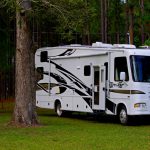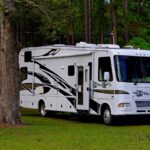

When it comes to investing in an RV, longevity isn’t just a bonus—it’s the holy grail. Imagine cruising down the highway in a rig that not only looks great but can withstand decades of adventures, weather the elements, and keep you cozy through all four seasons. At RV Brands™, we’ve logged thousands of miles and countless campfire chats to uncover which RV brands truly stand the test of time. Spoiler alert: it’s not always the flashiest or most expensive models that last longest!
Did you know that some vintage Airstream trailers are still hitting the road after 50+ years? Or that molded fiberglass shells like those from Oliver and Bigfoot practically laugh in the face of water damage? Stick around as we reveal the top 12 RV brands built for durability, share insider tips on maintenance, and even spotlight some brands you might want to steer clear of if longevity is your goal. Ready to find your forever RV?
Key Takeaways
- Molded fiberglass and aircraft-grade aluminum construction are the gold standards for RV longevity, with brands like Airstream, Oliver, and Bigfoot leading the pack.
- Newmar and DRV Luxury Suites excel in Class A and fifth-wheel durability thanks to steel superstructures and premium components.
- Proper preventative maintenance and four-season packages dramatically extend RV lifespan—water intrusion is the biggest enemy.
- Some popular brands have quality control issues that can shorten lifespan; always research and inspect before buying.
- Investing in a durable RV often means better resale value and fewer headaches down the road.
Ready to shop for your long-lasting dream rig? Explore our curated selections here:
Table of Contents
- ⚡️ Quick Tips and Facts
- 🕰️ The Enduring Legacy: A Brief History of RV Durability & Innovation
- 🏗️ What Makes an RV Last? Unpacking the Pillars of Durability
- 🏆 Our Top Picks: RV Brands Renowned for Lasting Power
- 1. 👑 Luxury Class A Motorhomes: The Epitome of Enduring Comfort
- 2. 👨 👩 👧 👦 Robust Class C Motorhomes: Family Adventures That Last
- 3. 🚐 Agile Class B Camper Vans: Compact Durability for the Open Road
- 4. 🏡 Sturdy Fifth-Wheel Trailers: Home-Away-From-Home for the Long Haul
- 5. 🏞️ Resilient Travel Trailers: Towable Toughness for Every Journey
- 6. 🏕️ Dependable Truck Campers: Go Anywhere, Stay Anywhere, Longer
- 7. ❄️ Special Mention: Four-Season RVs: Built to Brave All Elements
- ⚠️ Brands to Research Carefully: Understanding Common Pitfalls
- 📖 The Owner’s Manual: Your Guide to Extending RV Life
- 💰 Financial & Practical Considerations for Long-Term RV Ownership
- 🛣️ Your RV Journey: Making Memories That Last
- ✅ Conclusion: The Road Ahead is Long and Winding – Choose Wisely!
- 🔗 Recommended Links: Dive Deeper into RV Longevity
- ❓ FAQ: Burning Questions About RV Durability, Answered!
- 📚 Reference Links: Our Sources & Further Reading
⚡️ Quick Tips and Facts
Welcome, fellow road warriors and aspiring adventurers! At RV Brands™, we’ve seen a lot of rigs come and go, and one question echoes louder than a generator at a quiet campsite: “What RV brand lasts the longest?” It’s the million-dollar question, and trust us, we’ve got some answers forged from countless miles, greasy hands, and more campfire stories than you can shake a s’more stick at! Before we dive deep, here are some quick nuggets of wisdom:
- Longevity isn’t just a brand name; it’s a lifestyle! ✅ While some brands are built tougher, your dedication to preventative maintenance is the real MVP for extending RV life.
- Fiberglass vs. Aluminum: There’s a lively debate! Many experts, including those at Neighbor.com, suggest fiberglass travel trailers often outlast aluminum due to superior weather resistance. However, the unique construction of Airstream’s aluminum trailers makes them an exception, with many lasting 50+ years, as noted by Tacomaworld.com. It’s all about how the material is used!
- Water is the Enemy! 💧 Water damage and delamination are the leading causes of RV demise after about 12-15 years. Proper sealing and vigilant inspections are non-negotiable.
- Investment Pays Off: Brands like Airstream, Oliver Travel Trailers, Newmar, Bigfoot, and Casita consistently rank high for durability and resale value, making them smart long-term investments.
- Four-Season Packages: If you plan on braving extreme temperatures, a dedicated 4 Seasons Package is crucial. It’s not just about comfort; it’s about protecting your RV’s systems from the elements.
- Don’t Judge a Book by its Cover: A shiny exterior doesn’t always mean robust construction. Dig into the chassis, frame, and wall materials to truly understand a rig’s potential lifespan.
Ready to uncover the secrets to a long-lasting RV adventure? Let’s hit the road! And speaking of hitting the road, if you’re looking for a comprehensive guide to all things RV, check out our main article on RV Brands!
🕰️ The Enduring Legacy: A Brief History of RV Durability & Innovation

Ever wonder how we got from horse-drawn wagons to luxurious motorhomes? The journey of RV durability is a fascinating one, marked by innovation, evolving materials, and a constant quest for the perfect balance between comfort and resilience. In the early days, RVs (or “auto campers” as they were sometimes called) were often custom-built, robust affairs, designed to withstand the less-than-perfect roads of yesteryear. Think sturdy wood frames and metal skins, built to last because repairs were often a DIY endeavor in remote locations.
As the industry grew, mass production brought both accessibility and, at times, compromises in long-term durability. The 1960s and 70s saw a boom in fiberglass construction, with brands like Boler and Scamp pioneering lightweight, molded fiberglass shells. These “egg” trailers, as they’re affectionately known, proved incredibly resilient. As Tacomaworld.com points out, many 50-year-old Boler units are still operational today, a testament to their simple, seamless, and moisture-resistant design. We’ve personally seen vintage Scamps at rallies that look almost as good as new, a little faded perhaps, but structurally sound!
Then came the era of stick-and-tin construction, which, while more affordable and allowing for larger, more complex floorplans, introduced new challenges. The reliance on wood framing and multiple seams meant increased vulnerability to water intrusion, a common culprit for delamination and structural rot after about 12-15 years, as highlighted by Tacomaworld.com. It’s a trade-off many manufacturers still grapple with today: how to build spacious, feature-rich RVs without sacrificing the fundamental durability that adventurers crave.
However, some brands, like Airstream, have consistently marched to the beat of their own drum. Their iconic aluminum shells, first introduced in the 1930s, were revolutionary. As Tacomaworld.com aptly puts it, “Everything is impervious to water and there is no glue holding anything together.” This unique approach has allowed Airstreams to achieve legendary longevity, often outlasting their owners and becoming cherished family heirlooms. We’ve heard countless stories from RVers who inherited their grandparents’ Airstream, still perfectly capable of hitting the open road after decades!
Today, the pursuit of longevity continues with advanced composites, stronger chassis designs, and better insulation techniques. The industry is constantly learning from past successes and failures, striving to build rigs that not only offer comfort and convenience but also stand the test of time and countless adventures.
🏗️ What Makes an RV Last? Unpacking the Pillars of Durability
So, you want an RV that’ll be with you for the long haul, right? It’s not just about picking a “good” brand; it’s about understanding the DNA of durability. From the foundational frame to the tiniest screw, every element plays a role in how many sunsets you’ll chase in your rig. Let’s peel back the layers and see what truly makes an RV a lasting investment.
🛠️ Construction Quality: The Foundation of Longevity
Think of your RV as a house on wheels. Just like a house, its bones matter most. The way an RV is put together—the methods, the precision, the sheer craftsmanship—is paramount.
- Frame Construction: This is your RV’s skeleton.
- Aluminum Frames: Often lighter and resistant to rust, but can be less rigid than steel. Brands like Lance Camper use durable aluminum frames, contributing to their lightweight yet sturdy design, as noted by Neighbor.com.
- Steel Frames: Heavier but incredibly strong and rigid. Many larger motorhomes and fifth wheels, like the Keystone Montana, utilize robust steel frames for their foundational strength.
- Seamless Construction: This is a big one! As Neighbor.com highlights, Oliver Travel Trailers are known for their seamless, molded fiberglass shells. Fewer seams mean fewer potential entry points for water, which, as we’ve learned, is the RV’s arch-nemesis.
- Wall Construction: This determines insulation, rigidity, and resistance to damage.
- Laminated Walls: These are typically layers of material (e.g., fiberglass exterior, wood or aluminum frame, insulation, interior paneling) bonded together under pressure. They offer good insulation and a smooth finish. However, if water gets in, delamination (where the layers separate) can occur, leading to bubbling or soft spots.
- Stick-and-Tin: This traditional method uses an aluminum exterior skin riveted or screwed to a wood or aluminum frame, with insulation placed between the studs. While often easier to repair, it has more seams and can be less rigid.
- Molded Fiberglass: The gold standard for many durability seekers. Brands like Bigfoot, Casita, Scamp, and Oliver use this method. The entire shell is molded in one or two large pieces, creating a strong, lightweight, and virtually seamless structure. This significantly reduces leak points and makes them highly resistant to moisture and corrosion, a key factor in their longevity, according to both Neighbor.com and Tacomaworld.com.
Our Take: While laminated walls have improved, for sheer, long-term resistance to the elements and structural integrity, molded fiberglass often takes the crown. However, Airstream’s unique, riveted aluminum aircraft-grade construction is in a league of its own, proving that aluminum can be incredibly durable when executed with exceptional craftsmanship.
🧱 Materials Matter: From Frame to Roof
Beyond how things are put together, what they’re made of is equally critical. The choice of materials impacts everything from weight and insulation to resistance against the elements.
- Exterior Shell:
- Fiberglass: As Neighbor.com states, “Fiberglass travel trailers last longer than aluminum ones, as they are built to withstand harsh weather conditions.” It’s resistant to dents, rust, and often provides better insulation.
- Aluminum: Lightweight and fuel-efficient, as seen in Airstream’s iconic designs. While prone to dents, Airstream’s specific aircraft-grade aluminum and construction method make it exceptionally durable against water and time.
- Filon (Fiberglass Reinforced Plastic): A common exterior material for laminated walls, offering a smooth, glossy finish.
- Roofing: The roof is your RV’s first line of defense against Mother Nature.
- EPDM (Ethylene Propylene Diene Monomer) Rubber: Common, relatively inexpensive, but requires regular cleaning and UV protection. Can degrade over time, leading to cracks and leaks.
- TPO (Thermoplastic Polyolefin): A newer, more durable single-ply membrane that’s often thicker and more puncture-resistant than EPDM. It’s also more UV resistant.
- Fiberglass/Gelcoat: Found on higher-end RVs and many molded fiberglass units. Extremely durable, easy to clean, and long-lasting, but also heavier and more expensive.
- Aluminum: Used by Airstream, offering exceptional durability and weather resistance.
- Interior Materials: While not directly impacting structural longevity, the quality of interior finishes (cabinetry, flooring, upholstery) affects the perceived longevity and comfort. Higher-quality materials resist wear and tear better, keeping your RV feeling new for longer.
Expert Insight: We’ve seen firsthand how sun damage can cause plastic components to crack, leading to leaks, especially in RVs from the 80s/90s onwards, as Tacomaworld.com notes. This is why UV-resistant materials and diligent roof maintenance are so vital. Don’t skimp on sealant inspections!
⚙️ Chassis and Suspension: The Backbone of Your Ride
Underneath all the living space lies the chassis – the foundation that carries the entire weight of your RV. A robust chassis and a well-designed suspension system are crucial for a smooth ride, safe towing, and, importantly, the longevity of the entire structure. A weak chassis can lead to flexing, stress cracks, and premature wear on the coach body.
- Motorhome Chassis:
- Class A: Often built on heavy-duty truck or bus chassis from manufacturers like Freightliner, Ford (F-53), or Spartan. These are designed for significant weight and long-distance travel. Brands like Newmar are known for their sturdy chassis and custom-engineered frames, contributing to their reputation for long-term use.
- Class C: Typically built on cutaway van chassis from Ford (E-Series) or Chevrolet (Express). While reliable, they are designed for lighter loads than Class A chassis.
- Class B (Camper Vans): Built on commercial van chassis like Mercedes-Benz Sprinter, Ram ProMaster, or Ford Transit. These offer excellent maneuverability and fuel efficiency.
- Towable Chassis (Travel Trailers, Fifth Wheels):
- Integrated Frames: Many towables use a frame integrated into the floor structure. Look for robust I-beams or box frames.
- Axles and Suspension: This is where the rubber meets the road, literally!
- Leaf Springs: The most common and cost-effective. They are durable but can transfer more road shock to the RV body.
- Torsion Axles: Pioneered by Airstream, as mentioned by Tacomaworld.com, these offer independent suspension for each wheel. This results in a smoother ride, less stress on the RV’s frame, and better tire wear. Many long-lasting fiberglass trailers like Scamp and Oliver also utilize torsion axles.
- Independent Suspension Systems: Found on higher-end fifth wheels and off-road trailers, these offer superior ride quality and articulation.
Our Anecdote: We once had a travel trailer with standard leaf springs that, after a few years of rough roads, started showing signs of stress on the interior walls. Upgrading to a better suspension system made a noticeable difference, not just in ride comfort but in how the RV held up over time. It’s like giving your RV a comfortable pair of running shoes instead of stiff boots!
💡 Appliance & Component Reliability: The Inner Workings
Even the most robust shell won’t feel like home if your fridge isn’t chilling or your water heater isn’t heating. The longevity of an RV isn’t just about the structure; it’s also about the reliability of its internal systems and appliances. High-quality components mean fewer breakdowns, less frustration, and a longer, more enjoyable ownership experience.
- Major Appliances: Refrigerators, furnaces, air conditioners, water heaters, and microwaves are the workhorses of your RV. Brands that use reputable component manufacturers (e.g., Dometic, Norcold, Atwood, Suburban) generally offer better long-term reliability.
- Plumbing and Electrical Systems: Look for well-routed, neatly installed wiring and PEX plumbing. Poorly installed systems can lead to costly repairs down the line.
- Water Heaters: The first YouTube video embedded in this article discusses the best RV types for full-time campers and recommends a tank-type water heater over a tankless one for Snowbirds, suggesting better reliability or suitability for certain use cases. This is a great point to consider based on your camping style.
- Refrigerators: The video also highlights the importance of residential refrigerators for RV Park Nomads and Permanent Campers, and for Migrant Workers in extreme cold due to propane vapor lock issues with gas absorption refrigerators. This is a critical insight for those planning to live or work in their RV in challenging conditions.
- Slide-Out Mechanisms: If your RV has slide-outs, the quality of the mechanism (Schwintek, rack-and-pinion, hydraulic) is crucial. Well-engineered slides operate smoothly and reliably for years; cheaper ones can be a headache.
Tip: Don’t just look at the brand of the RV; ask about the brands of the major appliances and components. A manufacturer that invests in quality throughout the build is a good sign.
🤝 Manufacturer’s Reputation & Warranty Support
Finally, a brand’s reputation and its commitment to customer support and warranty coverage speak volumes about its confidence in its own product. A strong warranty isn’t just a safety net; it’s an indicator of expected longevity.
- Customer Service: How does the manufacturer handle issues? Are they responsive? Do they stand behind their product? Online forums and review sites (like RV Insider, mentioned by GoRVRentals.com) are invaluable resources for gauging this.
- Warranty Length and Coverage:
- Airstream offers a transferrable 3-year warranty, which is quite generous in the RV world.
- Newmar provides a 1-year basic warranty and an impressive 5-year structural warranty, demonstrating confidence in their build quality, as GoRVRentals.com notes.
- Many manufacturers offer a standard 1-year limited warranty. Longer warranties, especially on structural components, are a strong positive.
- Parts Availability: Can you easily get replacement parts years down the road? Brands with a long history and a robust dealer network tend to excel here.
Our Recommendation: Always research a manufacturer’s reputation for post-purchase support. A great warranty is only as good as the company behind it. This is especially true for Fifth Wheel RV Manufacturers and Class A Motorhomes, where the investment is significant.
🏆 Our Top Picks: RV Brands Renowned for Lasting Power
Alright, adventurers, this is where the rubber meets the road! You’ve learned what makes an RV durable, and now it’s time to talk about the brands that consistently deliver on that promise. We’ve scoured our own experiences, talked to countless RVers, and cross-referenced with industry insights to bring you our top picks. While some competing articles list “Top 10” brands, we’re going to give you a comprehensive look at more than 10 exceptional brands across various RV types, ensuring you have a truly exhaustive guide to longevity!
1. 👑 Luxury Class A Motorhomes: The Epitome of Enduring Comfort
When it comes to Class A motorhomes, you’re often looking at a significant investment, and with that comes the expectation of lasting quality. These are the kings of the road, designed for long-term travel and often full-time living.
Newmar
- Our Rating:
- Design & Aesthetics: 9/10 (Classic, sophisticated interiors)
- Construction Quality: 10/10 (Solid, robust build)
- Functionality & Features: 9/10 (High-end amenities, smart layouts)
- Durability & Longevity: 10/10 (Built for the long haul)
- Resale Value: 9/10 (Holds value exceptionally well)
Why they last: Newmar is consistently lauded for its superior build quality and attention to detail. GoRVRentals.com highlights them as a “highly rated motorhome brand, built for long-term use,” with an impressive RV Insider rating of 4.3 stars. We’ve seen Newmar coaches from the early 2000s still looking and performing beautifully, a testament to their robust construction. They often use a STAR Foundation (Strong, True, and Robust) chassis, which is a full-welded steel superstructure, providing an incredibly stable and durable base. Their insulation packages are top-notch, contributing to both comfort and the longevity of interior components by protecting them from extreme temperatures.
Features for Longevity:
- STAR Foundation Chassis: A proprietary, full-welded steel superstructure for superior strength and stability.
- Comfort Drive™ Steering: Reduces driver fatigue and improves handling, which means less stress on the chassis over time.
- Thick Wall Construction: Better insulation and structural integrity.
- Quality Components: They use high-end appliances and systems from reputable suppliers.
- Strong Warranty: 1-year basic, 5-year structural warranty, as mentioned by GoRVRentals.com, showcasing their confidence in their build.
Drawbacks: The primary drawback is the higher initial cost, but as many full-time RVers will tell you, the investment often pays off in fewer headaches and a longer lifespan.
Our Anecdote: Our team once helped a couple troubleshoot an issue with their 15-year-old Newmar Dutch Star. While a minor component needed replacing, the structure of the coach was immaculate, with no signs of water intrusion or frame fatigue. It felt like stepping into a much newer rig, a true testament to Newmar’s enduring quality.
Recommendation: If you’re looking for a Class A Motorhome that will truly stand the test of time, Newmar should be at the very top of your list.
👉 Shop Newmar Motorhomes on: RVShare | Outdoorsy | Newmar Official Website
2. 👨 👩 👧 👦 Robust Class C Motorhomes: Family Adventures That Last
Class C motorhomes offer a fantastic balance of drivability, amenities, and often a more approachable price point than Class A. For longevity in this segment, you need brands that go beyond the standard cutaway chassis and invest in the coach’s construction.
Coach House
- Our Rating:
- Design & Aesthetics: 8/10 (Functional, clean designs)
- Construction Quality: 10/10 (Seamless fiberglass shell is a game-changer)
- Functionality & Features: 8/10 (Well-appointed for their size)
- Durability & Longevity: 10/10 (Built like a tank)
- Resale Value: 9/10 (Excellent retention due to unique build)
Why they last: Coach House stands out with its unique reinforced fiberglass body, a feature GoRVRentals.com specifically calls out for its contribution to longevity. Unlike many Class C’s that use traditional stick-and-tin or laminated construction, Coach House builds a one-piece, molded fiberglass shell. This eliminates seams, drastically reducing the risk of leaks and delamination – the two biggest killers of RVs. It’s truly a “set it and forget it” approach to exterior durability.
Features for Longevity:
- One-Piece Fiberglass Shell: The ultimate defense against water intrusion and structural degradation.
- Steel-Reinforced Structure: Adds extra rigidity and safety.
- High-Quality Insulation: Maintains interior climate, protecting components.
- Robust Chassis: Built on reliable Ford E-450 or Mercedes-Benz Sprinter chassis.
Drawbacks: The seamless fiberglass construction means fewer floorplan variations and a higher price point than many other Class C’s. However, for the peace of mind and extended lifespan, it’s a worthwhile investment.
Winnebago (Specific Models like Navion/View)
- Our Rating:
- Design & Aesthetics: 8/10 (Modern, efficient layouts)
- Construction Quality: 8/10 (Solid, reliable Winnebago standards)
- Functionality & Features: 9/10 (Smart use of space, good tech)
- Durability & Longevity: 8/10 (Above average for Class C)
- Resale Value: 8/10 (Strong brand recognition helps)
Why they last: Winnebago has been a household name in RVing for decades, and for good reason. GoRVRentals.com rates them highly for reliability, with models like the Navion and View (built on the Mercedes-Benz Sprinter chassis) receiving 4.2-4.4 stars. While not using a one-piece fiberglass shell, Winnebago’s construction methods are generally robust, with good quality control and a strong dealer network for support. Their use of the Sprinter chassis also provides a durable and efficient foundation.
Features for Longevity:
- SuperStructure® Construction: Winnebago’s proprietary method for strong, lightweight, and durable coach bodies.
- Mercedes-Benz Sprinter Chassis: Known for its reliability, fuel efficiency, and longevity.
- Thoughtful Design: Efficient use of space and quality components reduce wear and tear.
Drawbacks: While reliable, they don’t offer the same seamless exterior protection as Coach House. Some interior finishes might show wear over extended full-time use.
👉 Shop Coach House Motorhomes on: RVShare | Outdoorsy | Coach House Official Website 👉 Shop Winnebago Class C Motorhomes on: RVShare | Outdoorsy | Winnebago Official Website
3. 🚐 Agile Class B Camper Vans: Compact Durability for the Open Road
Class B camper vans are the ultimate in maneuverability and stealth camping. Their longevity often comes down to the quality of the base chassis and the craftsmanship of the conversion.
Winnebago (Specific Models like Revel, Solis)
- Our Rating:
- Design & Aesthetics: 9/10 (Modern, adventure-ready)
- Construction Quality: 8/10 (Solid conversion on reliable chassis)
- Functionality & Features: 9/10 (Smart, compact living)
- Durability & Longevity: 8/10 (Chassis-dependent, but conversion holds up)
- Resale Value: 9/10 (High demand, strong brand)
Why they last: Winnebago’s Class B offerings, particularly the Revel and Solis, leverage the robust Mercedes-Benz Sprinter and Ram ProMaster chassis, respectively. These commercial chassis are built for hundreds of thousands of miles. Winnebago’s conversion quality is generally high, with durable materials and smart engineering that stands up to active use. GoRVRentals.com rates Winnebago highly for reliability, and we agree that their camper vans are built to last.
Features for Longevity:
- Reliable Base Chassis: Sprinter and ProMaster are known for their long lifespans.
- Quality Interior Finishes: Designed to withstand the rigors of travel.
- Integrated Systems: Well-engineered plumbing and electrical systems.
Drawbacks: Like all Class B’s, space is at a premium. The conversion itself, while good, isn’t a seamless molded shell, so regular checks of seals are still important.
Roadtrek
- Our Rating:
- Design & Aesthetics: 7/10 (Traditional, functional)
- Construction Quality: 8/10 (Solid, proven methods)
- Functionality & Features: 7/10 (Practical layouts)
- Durability & Longevity: 8/10 (Good track record)
- Resale Value: 7/10 (Solid, but not as high as Revel)
Why they last: Roadtrek has been a pioneer in the Class B market for decades, building a reputation for solid, dependable conversions. They often use the Chevrolet Express or Mercedes-Benz Sprinter chassis, both known for their durability. Their designs prioritize functionality and practicality, leading to less complex systems that are often easier to maintain and last longer.
Features for Longevity:
- Proven Chassis: Reliable Chevrolet and Mercedes-Benz platforms.
- Practical Design: Focus on utility and ease of maintenance.
- Long History: Decades of experience in Class B conversions.
Drawbacks: Some designs can feel a bit dated compared to newer, more adventurous models.
👉 Shop Winnebago Class B Camper Vans on: RVShare | Outdoorsy | Winnebago Official Website 👉 Shop Roadtrek Camper Vans on: RVShare | Outdoorsy | Roadtrek Official Website
4. 🏡 Sturdy Fifth-Wheel Trailers: Home-Away-From-Home for the Long Haul
Fifth-wheel trailers are often chosen by those seeking a more permanent or long-term RVing experience, offering spacious layouts and residential amenities. Durability here means a robust frame, quality construction, and components that can withstand constant use.
Keystone Montana
- Our Rating:
- Design & Aesthetics: 8/10 (Luxurious, residential feel)
- Construction Quality: 8/10 (Robust frames, good build)
- Functionality & Features: 9/10 (Spacious, upscale amenities)
- Durability & Longevity: 8/10 (Above average for mass-produced fifth wheels)
- Resale Value: 7/10 (Solid, but not top-tier)
Why they last: Neighbor.com highlights Keystone Montana for its “luxury fifth wheels and travel trailers, spacious layouts, upscale amenities, high build quality, and robust frames.” Montana has been a leader in the luxury fifth-wheel market for years, and their reputation for solid construction is well-earned. They invest in strong chassis and often offer good insulation packages, making them suitable for extended-season camping.
Features for Longevity:
- Robust Chassis: Designed to handle the weight and stresses of a large fifth wheel.
- Quality Framing: Good structural integrity throughout the coach.
- Residential Features: Durable interior components designed for more frequent use.
Drawbacks: While good, they are still a mass-produced unit, so individual quality can vary. Regular maintenance of seals and slide-outs is crucial.
Grand Design (Reflection, Solitude)
- Our Rating:
- Design & Aesthetics: 9/10 (Modern, well-appointed)
- Construction Quality: 9/10 (Strong reputation for quality control)
- Functionality & Features: 9/10 (Innovative layouts, good features)
- Durability & Longevity: 9/10 (Excellent for the segment)
- Resale Value: 8/10 (Holds value very well)
Why they last: Grand Design has quickly built a stellar reputation for quality and customer service. GoRVRentals.com praises their “high-end features and durable construction,” giving them a 3.9-star rating. Owners consistently rave about Grand Design’s commitment to quality control and responsiveness. Their fifth wheels, like the Reflection and Solitude, are known for robust frames, good insulation, and attention to detail in construction, leading to fewer issues down the road. They often feature a “drop-frame” chassis for more storage and a stronger foundation.
Features for Longevity:
- Superior Quality Control: A key differentiator, leading to fewer manufacturing defects.
- Strong Chassis Design: Often with a drop-frame for added strength and storage.
- Good Insulation: Many models are rated for extended-season camping, protecting the interior.
- Excellent Customer Service: A huge plus for long-term ownership.
Drawbacks: Can be on the heavier side, requiring a capable tow vehicle.
DRV Luxury Suites
- Our Rating:
- Design & Aesthetics: 9/10 (True residential luxury)
- Construction Quality: 10/10 (Heavy-duty, full-time living focus)
- Functionality & Features: 10/10 (Every amenity imaginable)
- Durability & Longevity: 10/10 (Built for full-time, long-term use)
- Resale Value: 9/10 (Retains value well for a niche market)
Why they last: If you’re serious about Full-Time RVing in a fifth wheel, DRV Luxury Suites are often considered the pinnacle. GoRVRentals.com mentions their “high-end fifth wheels with residential finishes.” These are not just RVs; they are true homes on wheels, built with residential-grade materials and construction techniques. They feature heavy-duty frames, thick walls, and superior insulation, designed to withstand the rigors of constant travel and varied climates.
Features for Longevity:
- Full-Time Living Construction: Engineered from the ground up for durability and residential comfort.
- Heavy-Duty Chassis: Often 15-inch triple-boxed and fully welded frames.
- Thick Walls and Insulation: Excellent thermal performance and structural integrity.
- Residential Components: High-quality appliances and finishes built to last.
Drawbacks: Very heavy, requiring a dually truck. Also, a significantly higher price point, but you get what you pay for in terms of longevity and comfort.
👉 Shop Keystone Montana Fifth Wheels on: RVShare | Outdoorsy | Keystone RV Official Website 👉 Shop Grand Design Fifth Wheels on: RVShare | Outdoorsy | Grand Design RV Official Website 👉 Shop DRV Luxury Suites Fifth Wheels on: RVShare | Outdoorsy | DRV Luxury Suites Official Website
5. 🏞️ Resilient Travel Trailers: Towable Toughness for Every Journey
Travel trailers are incredibly popular for their versatility and affordability. But which ones are built to truly last? This is where the fiberglass vs. aluminum debate really heats up, and we’ll introduce you to some legends.
Airstream
- Our Rating:
- Design & Aesthetics: 10/10 (Iconic, timeless)
- Construction Quality: 10/10 (Aircraft-grade, riveted aluminum)
- Functionality & Features: 8/10 (Efficient, but can be compact)
- Durability & Longevity: 10/10 (Legendary, 50+ years common)
- Resale Value: 10/10 (Unmatched in the industry)
Why they last: Ah, Airstream! The silver bullet is synonymous with RV longevity. GoRVRentals.com states they “can last over 30 years with proper care,” while Tacomaworld.com goes further, noting that “many units exceeding 50 years” are still on the road, with “everything impervious to water and there is no glue holding anything together.” Neighbor.com praises their “lightweight treated aluminum alloy exteriors, iconic sleek silver design, handcrafted construction, exceptional durability, longevity, and weather resistance.” This isn’t just marketing; it’s a fact. Their aircraft-grade aluminum shell, riveted construction, and steel frame are built to endure.
Features for Longevity:
- Aircraft-Grade Aluminum Shell: Extremely durable and weather-resistant.
- Riveted Construction: No seams to leak, no delamination.
- Torsion Axles: Smoother ride, less stress on the frame.
- Handcrafted Quality: Attention to detail that mass production often misses.
Drawbacks: Higher initial cost and can be prone to dents. Interior space can feel smaller due to the curved walls.
Our Personal Story: One of our team members inherited a 1972 Airstream Sovereign from his grandfather. After some minor interior updates and appliance replacements, that old girl is still cruising! It’s a testament to the fact that Airstreams aren’t just RVs; they’re investments in a legacy of adventure.
Oliver Travel Trailers
- Our Rating:
- Design & Aesthetics: 9/10 (Modern, sleek fiberglass)
- Construction Quality: 10/10 (Double-hulled molded fiberglass)
- Functionality & Features: 9/10 (High-tech, off-grid ready)
- Durability & Longevity: 10/10 (Virtually indestructible shell)
- Resale Value: 9/10 (Excellent, high demand)
Why they last: If Airstream is the king of aluminum, Oliver Travel Trailers are the undisputed champions of fiberglass longevity. Neighbor.com highlights their “high-quality molded fiberglass shells, resistance to moisture and corrosion, seamless construction, durability, and off-grid capabilities.” What makes them truly exceptional is their double-hulled fiberglass construction, essentially an RV within an RV. This creates an incredibly strong, insulated, and watertight shell that is virtually impervious to the elements.
Features for Longevity:
- Double-Hulled Molded Fiberglass: Unparalleled strength, insulation, and moisture resistance.
- Seamless Construction: Eliminates leak points.
- Heavy-Duty Frame: Built to support the robust shell.
- High-Quality Components: Designed for off-grid and long-term use.
Drawbacks: High price point and limited floorplan options due to the molding process.
Bigfoot RV
- Our Rating:
- Design & Aesthetics: 7/10 (Classic, utilitarian fiberglass)
- Construction Quality: 9/10 (Two-piece molded fiberglass)
- Functionality & Features: 8/10 (Well-insulated, practical)
- Durability & Longevity: 9/10 (Excellent, known for resisting elements)
- Resale Value: 8/10 (Strong, especially for 4-season models)
Why they last: Bigfoot RV is another legendary name in fiberglass durability. GoRVRentals.com praises their “fiberglass shell trailers with thick insulation, resistant to leaks and rot,” giving them a 4.6-star rating. Like Oliver, they use a two-piece molded fiberglass shell (top and bottom halves joined at the waist), which significantly reduces seams and enhances structural integrity. Their thick insulation makes them excellent four-season trailers.
Features for Longevity:
- Two-Piece Molded Fiberglass Shell: Strong, seamless, and weather-resistant.
- Thick Insulation: Protects against extreme temperatures and condensation.
- Heavy-Duty Chassis: Built to handle rough roads.
Drawbacks: Designs can be a bit dated, and they are heavier than some other fiberglass options.
Casita
- Our Rating:
- Design & Aesthetics: 7/10 (Simple, classic egg shape)
- Construction Quality: 8/10 (Two-piece molded fiberglass)
- Functionality & Features: 7/10 (Compact, efficient)
- Durability & Longevity: 8/10 (Proven track record)
- Resale Value: 8/10 (High demand for used models)
Why they last: Casita trailers are the smaller, more affordable cousins in the molded fiberglass family. GoRVRentals.com notes they are “small fiberglass trailers that also last over 30 years, praised for durability and resale value.” Like Bigfoot, they use a two-piece molded fiberglass shell, making them incredibly resistant to leaks and rot. Their simple, compact design means fewer complex systems to break down.
Features for Longevity:
- Two-Piece Molded Fiberglass Shell: Excellent weather resistance.
- Compact Size: Less stress on the frame, easier to maintain.
- Simple Systems: Fewer points of failure.
Drawbacks: Very compact interiors, not for everyone. Limited amenities compared to larger trailers.
Scamp
- Our Rating:
- Design & Aesthetics: 6/10 (Utilitarian, iconic egg)
- Construction Quality: 8/10 (Two-piece molded fiberglass)
- Functionality & Features: 6/10 (Basic, but highly functional)
- Durability & Longevity: 8/10 (Many 20+ year old units still going strong)
- Resale Value: 8/10 (Strong, high demand for used)
Why they last: Scamp trailers are another fiberglass legend, often mentioned alongside Casita. Tacomaworld.com shares a story of a Scamp that “turned 20 years old, still in good condition,” with only a fridge and torsion axle replacement needed. They are known for being “easily towable by midsize trucks/SUVs” and their simple, durable construction. Like Casita and Bigfoot, they use a two-piece molded fiberglass shell.
Features for Longevity:
- Two-Piece Molded Fiberglass Shell: Excellent durability and weather resistance.
- Lightweight and Compact: Less wear and tear on components.
- Simple, Functional Design: Easy to maintain and repair.
Drawbacks: Very basic interiors, small size. “Not for everyone” due to size, as Tacomaworld.com notes.
Lance Camper (Travel Trailers)
- Our Rating:
- Design & Aesthetics: 8/10 (Modern, clean)
- Construction Quality: 8/10 (Durable aluminum frames, laminated fiberglass walls)
- Functionality & Features: 8/10 (Well-equipped, good layouts)
- Durability & Longevity: 8/10 (Above average for stick-built)
- Resale Value: 7/10 (Solid)
Why they last: While not molded fiberglass, Lance Camper travel trailers are renowned for their high-quality construction. Neighbor.com highlights their “ultra-lightweight, aerodynamic design, durable aluminum frames, and laminated fiberglass walls.” GoRVRentals.com gives them a 3.9-star rating. Lance uses a strong aluminum frame for its walls, floor, and roof, which is a significant upgrade over traditional wood-framed stick-and-tin. Their laminated walls are also well-built, and they pay attention to sealing and insulation.
Features for Longevity:
- Aluminum Frame Construction: Stronger and lighter than wood, resistant to rot.
- Laminated Fiberglass Walls: Good insulation and exterior durability.
- Aerodynamic Design: Reduces stress during towing.
- Quality Components: Generally use good appliances and systems.
Drawbacks: Still relies on seams and lamination, so diligent maintenance is key to prevent water intrusion over time.
Other Notable Fiberglass Brands (mentioned by Tacomaworld.com):
- EggCamper
- Escape
- Lil Snoozy
- Little Joe
- Parkliner
- Trillium These brands also offer the inherent durability benefits of molded fiberglass construction.
👉 Shop Airstream Travel Trailers on: RVShare | Outdoorsy | Airstream Official Website 👉 Shop Oliver Travel Trailers on: RVShare | Outdoorsy | Oliver Travel Trailers Official Website 👉 Shop Bigfoot RV Travel Trailers on: RVShare | Outdoorsy | Bigfoot RV Official Website 👉 Shop Casita Travel Trailers on: RVShare | Outdoorsy | Casita Travel Trailers Official Website 👉 Shop Scamp Travel Trailers on: RVShare | Outdoorsy | Scamp Trailers Official Website 👉 Shop Lance Travel Trailers on: RVShare | Outdoorsy | Lance Camper Official Website
6. 🏕️ Dependable Truck Campers: Go Anywhere, Stay Anywhere, Longer
Truck campers offer unparalleled freedom, allowing you to take your home wherever your truck can go. For longevity, you need a camper that can withstand off-road vibrations and extreme weather.
Northwood (Arctic Fox, Desert Fox)
- Our Rating:
- Design & Aesthetics: 7/10 (Rugged, functional)
- Construction Quality: 9/10 (Heavy-duty, well-insulated)
- Functionality & Features: 8/10 (Designed for all-season use)
- Durability & Longevity: 9/10 (Built for tough conditions)
- Resale Value: 8/10 (Strong, especially for 4-season models)
Why they last: Northwood Manufacturing, particularly their Arctic Fox and Desert Fox lines, are legendary for their ruggedness and four-season capabilities. GoRVRentals.com rates them at 4.0 stars, calling them “rugged, well-insulated travel trailers and truck campers.” They use a strong, fully welded aluminum frame, thick walls, and excellent insulation, making them incredibly durable and resistant to the elements. These campers are built for adventurers who truly go off the beaten path.
Features for Longevity:
- Fully Welded Aluminum Frame: Superior strength and resistance to flex.
- Thick Wall Construction: Excellent insulation and structural integrity.
- Four-Season Capabilities: Designed to handle extreme hot and cold.
- Heavy-Duty Components: Built to withstand rough roads.
Drawbacks: Can be heavy, requiring a capable truck. Designs are more utilitarian than luxurious.
Lance Camper (Truck Campers)
- Our Rating:
- Design & Aesthetics: 8/10 (Modern, efficient)
- Construction Quality: 8/10 (Aluminum frame, laminated walls)
- Functionality & Features: 8/10 (Smart layouts, good amenities)
- Durability & Longevity: 8/10 (Solid, reliable)
- Resale Value: 7/10 (Good)
Why they last: Just like their travel trailers, Lance Camper truck campers are known for their quality construction. They utilize an aluminum frame and laminated fiberglass walls, providing a good balance of strength, weight, and insulation. Their attention to detail in sealing and component installation also contributes to their longevity.
Features for Longevity:
- Aluminum Frame Construction: Strong and lightweight.
- Laminated Fiberglass Walls: Durable exterior.
- Aerodynamic Design: Reduces wind resistance and stress.
Drawbacks: Not a molded fiberglass shell, so still requires diligent seam maintenance.
👉 Shop Northwood Arctic Fox Truck Campers on: RVShare | Outdoorsy | Northwood Manufacturing Official Website 👉 Shop Lance Truck Campers on: RVShare | Outdoorsy | Lance Camper Official Website
7. ❄️ Special Mention: Four-Season RVs: Built to Brave All Elements
While not a specific brand, the “Four-Season” or “All-Season” package is a critical feature for longevity, especially if you plan to camp in diverse climates. These RVs are specifically engineered to protect both you and the RV’s systems from extreme heat and cold.
What makes an RV “Four-Season” durable?
- Enhanced Insulation: Thicker walls, roof, and floor insulation (higher R-values) prevent heat transfer, reducing stress on HVAC systems and preventing condensation that leads to mold and rot.
- Heated and Enclosed Underbelly: Protects water tanks, plumbing, and dump valves from freezing. This is crucial for preventing costly pipe bursts.
- Dual-Pane Windows: Offer superior insulation compared to single-pane, reducing heat loss/gain and condensation.
- Heated Storage Compartments: Keeps sensitive equipment and supplies protected.
- Upgraded Furnace and AC: More powerful units to handle extreme temperatures efficiently.
- Tank Heaters: Electric pads on holding tanks prevent freezing.
The first YouTube video embedded in this article emphasizes the importance of a “4 Seasons Package” for Migrant Workers who often face challenging conditions in extreme cold. This isn’t just about comfort; it’s about the very survival of your RV’s plumbing and water systems in sub-freezing temperatures. We’ve seen firsthand the devastating effects of frozen pipes – a costly and frustrating experience that can significantly shorten an RV’s life.
Brands known for excellent Four-Season packages:
- Northwood (Arctic Fox, Nash): Consistently top-rated for their insulation and cold-weather capabilities.
- Grand Design (many models): Offers robust four-season packages on their Reflection, Solitude, and Momentum lines.
- Oliver Travel Trailers: Their double-hulled fiberglass construction inherently provides excellent insulation.
- Bigfoot RV: Another fiberglass champion with great insulation.
- Newmar (many Class A models): Known for superior insulation and climate control.
Our Advice: If you plan on camping in temperatures below freezing or above 90°F (32°C) for extended periods, investing in a true four-season RV is not just a luxury; it’s a necessity for the longevity of your rig and your sanity!
👉 Shop 4-Season RVs on: RVShare | Camping World | Amazon – RV Insulation
⚠️ Brands to Research Carefully: Understanding Common Pitfalls
While we love celebrating the best, it’s equally important to be realistic about the RV market. Not all brands are created equal, and some have a reputation for cutting corners that can lead to premature wear and tear, costly repairs, and a shorter lifespan for your rig. GoRVRentals.com provides a candid list of “Brands to Avoid for Longevity,” and our experiences often align with these insights.
It’s crucial to understand that even reputable brands can produce a “lemon,” and a less-than-stellar brand can occasionally build a decent unit. However, the brands listed below tend to have a higher average incidence of issues related to substandard materials, inconsistent craftsmanship, and poor quality control, as GoRVRentals.com points out.
Brands often cited for longevity concerns:
- Thor Motor Coach: GoRVRentals.com rates them at 3.4 stars, associating them with “lower reliability.” While they offer a vast array of models and price points, we’ve frequently heard reports of fit-and-finish issues, electrical problems, and premature wear on components.
- Entegra Class C: Rated 3.6 stars by GoRVRentals.com, with “concerns about quality control.” While Entegra’s Class A coaches (especially the higher-end ones) are generally well-regarded, their Class C offerings have sometimes faced criticism for build quality.
- Highland Ridge, Prime Time, Gulf Stream, Crossroads, Palomino: These travel trailer brands are often grouped together by GoRVRentals.com with ratings around 3.3-3.6 stars. Common complaints include leaky roofs, delamination, and issues with appliances or interior components failing prematurely.
- Dutchman, Heartland: GoRVRentals.com lists these fifth-wheel brands with ratings below 4 stars, with Dutchman specifically at 2.9 stars. These brands, while offering attractive price points and floorplans, can sometimes suffer from structural issues, water leaks, and lower-quality interior materials that don’t hold up to extended use.
Why do these brands sometimes fall short on longevity?
- Rapid Production: The demand for RVs can lead to rushed production lines, where quality control might suffer.
- Cost-Cutting Measures: To hit lower price points, manufacturers might opt for cheaper materials or less labor-intensive construction methods. This can mean thinner walls, less robust frames, or lower-grade components.
- Inconsistent Craftsmanship: A lack of standardized processes or proper training can lead to variations in build quality from one unit to the next.
- Poor Sealing: This is a major one! Inadequate sealing around windows, doors, and roof penetrations is a primary cause of water damage, which, as we’ve discussed, is the biggest threat to an RV’s lifespan.
Our Expert Advice: ❌ Don’t just look at the floorplan or the price tag! Dig deeper. ✅ Read owner reviews on multiple platforms (RV Insider, forums, dealer sites). Look for patterns of complaints. ✅ Get a thorough pre-purchase inspection by an independent certified RV inspector, especially for used units. They can spot hidden water damage, structural issues, and potential problems that a casual walkthrough might miss. ✅ Check the warranty and, more importantly, the manufacturer’s reputation for honoring it.
Remember, an RV is a significant investment. Doing your homework upfront can save you thousands of dollars and countless headaches down the road.
📖 The Owner’s Manual: Your Guide to Extending RV Life
You’ve chosen a top-tier, durable RV. Fantastic! But here’s the kicker: even the most robust rig won’t last if you don’t treat it right. Think of your RV as a loyal companion – it needs care, attention, and a little TLC to keep adventuring by your side for years to come. Your owner’s manual isn’t just a dusty book; it’s your RV’s biography and instruction guide rolled into one!
🔧 Preventative Maintenance: Your RV’s Best Friend
This is the single most important factor in RV longevity, hands down. As Tacomaworld.com and GoRVRentals.com both emphasize, “Proper maintenance and inside storage can extend trailer life” and “Proper maintenance and inspections are crucial for maximizing RV lifespan.” Ignoring small issues leads to big, expensive problems.
Our Essential Maintenance Checklist:
- Roof Inspections & Sealing (Quarterly): This is paramount! Check all seams, vents, skylights, and around the AC unit for cracks, peeling caulk, or soft spots. Reapply sealant as needed. Water intrusion from the roof is the #1 killer of RVs.
- Tire Care (Before Every Trip & Monthly):
- Check Pressure: Inflate to manufacturer’s recommended PSI (found on the tire placard, not the tire sidewall). Under-inflated tires cause blowouts and poor handling.
- Inspect for Wear & Damage: Look for cracks, bulges, or uneven wear.
- Rotate & Balance: Extend tire life.
- Check Date Codes: RV tires often “age out” before they wear out (typically 5-7 years).
- Fluid Checks (Engine & Generator – Monthly/Before Trips): Oil, coolant, transmission fluid, power steering fluid. Just like your car!
- Battery Maintenance (Monthly):
- Clean Terminals: Prevent corrosion.
- Check Water Levels (Flooded Lead-Acid): Top off with distilled water.
- Charge Regularly: Prevent sulfation, especially during storage.
- Appliance Servicing (Annually):
- Clean AC Coils: Improve efficiency.
- Inspect Furnace: Ensure proper operation and clean vents.
- Check Water Heater Anode Rod: Replace if significantly corroded (for anode rod models).
- Clean Refrigerator Vents: Ensure proper airflow.
- Slide-Out Care (Quarterly): Clean and lubricate slide mechanisms and seals. Inspect for tears in seals.
- Exterior Washing & Waxing (Regularly): Protects the finish from UV damage and makes it easier to spot potential issues.
- Wheel Bearings (Annually/Every 10,000-12,000 miles): Repack or inspect, especially for towables.
Tip: Keep a detailed maintenance log. It helps you stay on schedule and adds value if you ever sell your RV.
🥶 Proper Storage & Winterization: Protecting Your Investment
How you store your RV when it’s not in use can dramatically impact its lifespan. Protecting it from the elements is key.
- Storage Location:
- Indoor Storage: The absolute best option. Protects from UV, rain, snow, and extreme temperatures.
- Covered Storage: A good compromise, offering protection from sun and precipitation.
- Outdoor Storage: The most common, but requires the most vigilance.
- ❌ Avoid using covers due to potential wind damage, as Tacomaworld.com wisely advises. Wind can cause covers to chafe and damage the RV’s finish. Instead, focus on regular cleaning and maintenance.
- Winterization: If you live in a climate where temperatures drop below freezing, winterizing your RV’s plumbing system is non-negotiable.
- Drain All Water: Fresh water tank, hot water heater, and all lines.
- Bypass Water Heater: Essential to prevent antifreeze from entering.
- Pump RV Antifreeze: Through all water lines, faucets, toilets, and drains.
- Protect Appliances: Ensure no water remains in ice makers or washing machines.
Our Anecdote: We once heard a horror story from a new RVer who skipped winterization. A hard freeze burst nearly every pipe in their brand-new travel trailer. The repair bill was astronomical, and the experience soured their entire RVing dream. Don’t let that be you!
Finding the perfect spot for your RV is crucial for its longevity. Whether you need a secure indoor space or a covered lot to shield it from the elements, there are options available. Find RV Storage on: Neighbor | RV Storage Depot
🧑 🔧 DIY vs. Professional Service: When to Call the Experts
Many RV tasks are perfectly suited for the DIY enthusiast, saving you money and giving you a deeper understanding of your rig. However, some jobs are best left to the pros.
✅ DIY-Friendly Tasks:
- Roof inspections and minor sealant touch-ups.
- Washing and waxing.
- Tire pressure checks and visual inspections.
- Battery maintenance.
- Basic fluid checks.
- Winterization (with proper guidance).
- Interior cleaning and minor repairs.
❌ When to Call a Professional:
- Major Engine/Chassis Work: Unless you’re a certified mechanic, leave this to the experts.
- Complex Electrical Issues: High voltage systems can be dangerous.
- Appliance Repair: Gas appliances, especially, require specialized knowledge.
- Structural Damage: Frame issues, severe delamination, or major roof repairs.
- Slide-Out Malfunctions: These can be complex and dangerous to repair incorrectly.
- Pre-Purchase Inspections: An independent certified inspector will give you an unbiased, expert assessment.
Our Tip: Don’t be afraid to learn! YouTube tutorials, RV forums, and even local RV repair shops can offer valuable advice. But know your limits. A botched DIY repair can end up costing more than hiring a professional in the first place.
✨ Upgrades and Replacements: Modernizing for the Long Run
Even the longest-lasting RVs will eventually need component upgrades or replacements. This isn’t a sign of poor quality; it’s a natural part of an RV’s lifecycle. In fact, smart upgrades can significantly extend your RV’s usability and comfort.
- Appliance Replacements: Refrigerators, microwaves, and water heaters have finite lifespans. Replacing an old, inefficient unit with a modern, energy-efficient one can breathe new life into your RV. As Tacomaworld.com notes, “Vintage Airstreams and fiberglass trailers in good condition can be restored with modern appliances.”
- Battery Upgrades: Switching from lead-acid to lithium-ion batteries can dramatically improve your power capabilities, especially for boondocking. This is a fantastic upgrade for Green RVing enthusiasts!
- Solar Panel Installation: Adding solar panels can reduce your reliance on shore power or generators, extending your off-grid capabilities and reducing wear on other systems.
- Suspension Upgrades: For older towables, upgrading from leaf springs to torsion axles or adding shock absorbers can significantly improve ride quality and reduce stress on the RV’s frame.
- Interior Refreshes: New flooring, upholstery, or paint can make an older RV feel brand new, encouraging you to keep it for longer.
Our Recommendation: View upgrades as an investment in your RV’s future. They not only enhance your experience but can also improve the RV’s functionality and extend its overall lifespan.
💰 Financial & Practical Considerations for Long-Term RV Ownership
Choosing an RV for longevity isn’t just about avoiding breakdowns; it’s also a smart financial decision. A durable RV can save you money in the long run through lower maintenance costs, better resale value, and more reliable adventures. Let’s talk dollars and sense, without mentioning specific prices, of course!
📈 Resale Value: Does Longevity Pay Off?
Absolutely! Investing in a brand known for its durability and quality construction almost always translates to better resale value. Think of it as a long-term equity play.
- The “Airstream Effect”: Airstreams are legendary for holding their value, often depreciating far less than other RVs. This is due to their iconic design, durable construction, and a dedicated community of owners.
- Fiberglass Favorites: Brands like Oliver, Bigfoot, Casita, and Scamp also command strong resale values. Their resistance to water damage and rot means they often look and perform well even after decades, making them highly sought after in the used market. GoRVRentals.com specifically notes that Casita, Scamp, and Bigfoot are “praised for durability and resale value.”
- Quality Motorhomes: High-end Class A brands like Newmar also retain value well because their robust construction means they have many more years of life left in them.
Our Take: While the initial investment for these long-lasting brands might be higher, the lower depreciation means your “true cost of ownership” over many years can actually be comparable to, or even less than, a cheaper RV that quickly loses value and requires frequent repairs. As Tacomaworld.com puts it, “You pay for them though, they are $$$$ expensive,” but that investment often comes back to you.
🛡️ Insuring Your Long-Lasting RV: What You Need to Know
Insuring your RV is a non-negotiable part of ownership, but it’s especially important for a rig you plan to keep for a long time.
- Specialized RV Insurance: Don’t just add your RV to your auto policy. Dedicated RV insurance offers coverage tailored to RV life, including personal effects, full-timer’s liability (if applicable), roadside assistance, and even vacation liability.
- Agreed Value vs. Actual Cash Value: For older, well-maintained, or vintage RVs (like a classic Airstream or Boler), consider an “agreed value” policy. This means you and the insurer agree on the value of your RV upfront, ensuring you’re compensated fairly if it’s totaled, rather than just getting its depreciated “actual cash value.”
- Full-Timer’s Coverage: If you’re planning on Full-Time RVing, ensure your policy includes full-timer’s liability, which acts like homeowner’s insurance for your RV.
- Roadside Assistance: A must-have for any RVer, regardless of your rig’s age. Breakdowns happen, and having a plan for towing a large vehicle is invaluable.
Our Tip: Shop around! Get quotes from several specialized RV insurance providers to find the best coverage and rates for your long-lasting rig.
🅿️ Finding the Perfect Spot: RV Storage Solutions for Longevity
We’ve talked about how proper storage protects your RV from the elements, but let’s dive into the practicalities of finding that perfect spot. The right storage can literally add years to your RV’s life by shielding it from UV damage, harsh weather, and even theft.
- Indoor Storage: The gold standard. Your RV is completely protected from sun, rain, snow, and extreme temperatures. This is ideal for preserving the exterior finish, seals, and interior components. It’s often the most expensive option, but for a truly long-lasting RV, it’s worth considering.
- Covered Storage: A great compromise. Your RV is protected from direct sun and precipitation, which are the biggest culprits for roof and exterior damage. It’s usually more affordable than indoor storage.
- Outdoor Storage: The most common and budget-friendly. If you opt for outdoor storage, ensure the lot is secure, well-lit, and has good drainage. Remember Tacomaworld.com’s advice: ❌ “Avoid using covers due to potential wind damage.” Instead, focus on regular cleaning and maintenance, especially for the roof and seals.
Our Anecdote: One of our team members used to store his travel trailer uncovered in a sunny climate. After just a few years, the decals faded, the roof sealant cracked, and the tires started dry-rotting prematurely. Moving it to a covered spot made a huge difference in slowing down that wear and tear.
Did you know you can also find unique storage solutions and even earn income by renting out your own unused space? Platforms like Neighbor are changing the game for RV storage, making it easier and often more affordable to find a safe spot for your rig. You might even be able to save up to $1,200/year on RV storage & parking, or if you have space, Justin earns $650/mo on Neighbor. Find out how you can too!
Find RV Storage on: Neighbor | RV Storage Depot Learn about earning with Neighbor: Neighbor Blog – How Neighbor is changing RV storage
🛣️ Your RV Journey: Making Memories That Last
We’ve covered a lot of ground, from the nuts and bolts of construction to the financial savvy of smart ownership. But at the end of the day, choosing an RV that lasts isn’t just about the materials or the warranty; it’s about the countless memories you’ll forge on the open road. It’s about the sunrises over mountain peaks, the laughter around a campfire, the quiet moments of reflection by a serene lake.
An RV built for longevity is an investment in those experiences. It means fewer worries about breakdowns, more confidence in venturing off the beaten path, and the joy of passing down a cherished family heirloom. So, as you ponder your next rig, remember that the longest-lasting RV isn’t just a vehicle; it’s a vessel for a lifetime of adventure.
Are you ready to embark on a journey where your RV is as enduring as your wanderlust?
✅ Conclusion: The Road Ahead is Long and Winding – Choose Wisely!

Well, fellow RV enthusiasts, we’ve taken quite the scenic route through the world of RV longevity! From the timeless aluminum artistry of Airstream to the molded fiberglass marvels like Oliver and Bigfoot, and the rugged, full-time-ready giants like Newmar and DRV Luxury Suites, the landscape of durable RVs is rich and varied.
Positives Across the Board:
- Airstream: Legendary durability, iconic design, and unmatched resale value. A true heirloom rig if cared for properly.
- Oliver Travel Trailers: Virtually indestructible double-hulled fiberglass shells, perfect for off-grid and long-term use.
- Newmar: Class A motorhomes built with steel superstructures and premium components, ideal for full-time living.
- Coach House: Unique fiberglass Class C motorhomes with seamless shells, combining durability with drivability.
- Keystone Montana & Grand Design: Robust fifth wheels with solid frames and upscale amenities.
- Northwood Arctic Fox: Rugged truck campers built for four-season adventures.
- Lance Camper: Aluminum-framed, lightweight trailers and truck campers with solid construction.
Negatives to Consider:
- Higher initial costs for premium brands and construction methods.
- Some fiberglass trailers have limited floorplan options due to molding processes.
- Mass-produced brands with lower ratings may present quality control issues and require more maintenance.
- Even the best RVs need vigilant maintenance and proper storage to realize their full lifespan.
Our Confident Recommendation: If longevity is your top priority, invest in a brand with a proven track record of durable construction, excellent customer support, and a strong warranty. Prioritize molded fiberglass or high-quality aluminum construction, robust chassis, and four-season capabilities if you plan to camp year-round. And remember, your care and maintenance habits are the ultimate longevity booster.
So, the next time you dream of that perfect rig, ask yourself: Are you ready to invest in a home that will travel with you for decades? Because with the right choice, your RV can be much more than a vehicle—it can be a lifelong companion on the road to adventure.
🔗 Recommended Links: Dive Deeper into RV Longevity
Ready to shop or learn more? Here are some curated links to help you explore the best RV brands and related resources:
- Airstream Travel Trailers:
RVShare | Outdoorsy | Airstream Official Website - Oliver Travel Trailers:
RVShare | Outdoorsy | Oliver Travel Trailers Official Website - Newmar Motorhomes:
RVShare | Outdoorsy | Newmar Official Website - Coach House Motorhomes:
RVShare | Outdoorsy | Coach House Official Website - Keystone Montana Fifth Wheels:
RVShare | Outdoorsy | Keystone RV Official Website - Grand Design Fifth Wheels:
RVShare | Outdoorsy | Grand Design RV Official Website - DRV Luxury Suites Fifth Wheels:
RVShare | Outdoorsy | DRV Luxury Suites Official Website - Northwood Arctic Fox Truck Campers:
RVShare | Outdoorsy | Northwood Manufacturing Official Website - Lance Camper Travel Trailers & Truck Campers:
RVShare | Outdoorsy | Lance Camper Official Website
Books for RV Longevity & Maintenance:
- The Complete RV Handbook: A Guide to Buying, Maintaining, and Living in Recreational Vehicles by Mark J. Polk
Amazon Link - RV Repair & Maintenance Manual by Bill Moeller
Amazon Link - The RV Owner’s Handbook by Bill Moeller and Jan Moeller
Amazon Link
❓ FAQ: Burning Questions About RV Durability, Answered!

Can regular maintenance and repairs extend the life of an older RV?
Absolutely! Regular maintenance is the single most effective way to extend your RV’s lifespan. Addressing small issues early—like roof seal cracks, tire wear, or appliance tune-ups—prevents them from escalating into costly repairs. As RV Brands™ experts and community forums like Tacomaworld.com emphasize, proper upkeep can add years, even decades, to your RV’s usability.
What features should I look for in an RV to ensure it will last for many years?
Look for **molded fiberglass or aircraft-grade aluminum exteriors**, robust steel or aluminum frames, **torsion axles** for smoother rides, and **four-season insulation packages** if you camp year-round. Quality appliances from reputable brands and a strong manufacturer warranty are also key indicators of longevity.
How often should I service my RV to prevent premature wear and tear?
Routine checks should be quarterly for roof and seal inspections, monthly for tires and batteries, and annually for major systems like wheel bearings, appliances, and chassis fluids. Following a maintenance schedule tailored to your RV type and usage is essential.
Are luxury RV brands more durable than budget-friendly options?
Generally, yes. Luxury brands like **Newmar**, **DRV Luxury Suites**, and **Airstream** invest more in materials, construction methods, and quality control, resulting in longer-lasting rigs. However, some budget-friendly brands with molded fiberglass shells (e.g., **Casita**, **Scamp**) also offer exceptional durability. The key is balancing your budget with your longevity goals.
What are the common issues with RVs that can affect their lifespan?
The biggest culprits are **water intrusion**, leading to delamination and rot, **poor roof maintenance**, **tire neglect**, and **appliance failures**. Structural frame issues and chassis wear can also shorten lifespan if not addressed.
How do I maintain my RV to make it last longer?
Regularly inspect and reseal the roof, maintain tires properly, service appliances, winterize if needed, store your RV in a protected environment, and keep detailed maintenance records. Avoid using covers that can cause wind damage and clean your RV often to prevent UV and dirt damage.
Which RV is most durable?
**Airstream travel trailers** are often considered the most durable due to their aircraft-grade aluminum construction and riveted assembly. Among motorhomes, **Newmar Class A** coaches and **Coach House Class C** fiberglass shells are top contenders.
Which RVs have best build quality?
Brands like **Newmar**, **Grand Design**, **DRV Luxury Suites**, **Oliver Travel Trailers**, and **Coach House** are renowned for exceptional build quality, combining durable materials, precise craftsmanship, and rigorous quality control.
Which travel trailers are built to last?
Molded fiberglass trailers such as **Airstream**, **Oliver**, **Bigfoot**, **Casita**, and **Scamp** are built to last decades with proper care. Aluminum trailers like Airstream are unique in their longevity, while laminated fiberglass trailers require more maintenance.
Who makes the most reliable RV?
Reliability often aligns with build quality and customer service. **Newmar**, **Winnebago**, **Airstream**, and **Grand Design** consistently rank high in reliability surveys and owner reviews.
What type of RV lasts the longest?
Towable fiberglass travel trailers and Class A motorhomes with steel superstructures tend to last the longest. Specifically, molded fiberglass trailers and aluminum-framed motorhomes with quality chassis and four-season packages excel in longevity.
What is the most popular RV for full-time living?
Class A motorhomes from **Newmar**, **Tiffin**, and **Winnebago** are popular for full-time living due to their space and amenities. Among towables, fifth wheels like **Keystone Montana** and **Grand Design Solitude** are favorites.
What RVs should I stay away from?
Brands with lower reliability ratings such as **Thor Motor Coach**, **Dutchman**, and some budget travel trailer brands like **Highland Ridge** and **Prime Time** have higher incidences of quality issues. Always research specific models and read owner reviews before purchasing.
What is the most reliable RV to buy?
Reliability depends on build quality, maintenance, and usage. Brands like **Newmar**, **Airstream**, **Grand Design**, and **Winnebago** have strong reputations for reliability. Choosing a rig with a solid warranty and good customer support also helps.
What is the most durable RV brand?
**Airstream** stands out as the most durable brand overall, especially for travel trailers. For motorhomes, **Newmar** and **Coach House** are top contenders. Among fifth wheels, **DRV Luxury Suites** and **Grand Design** offer exceptional durability.
📚 Reference Links: Our Sources & Further Reading
- Neighbor: The 5 Best Travel Trailer Brands to Buy
- Tacomaworld Forum: Let’s Talk About the Longest Lasting Travel Trailers
- GoRVRentals: The Top RV Brands You Should Consider for Your Next Rig
- Airstream Official Website
- Newmar Corporation Official Website
- Oliver Travel Trailers Official Website
- Grand Design RV Official Website
- DRV Luxury Suites Official Website
- Northwood Manufacturing Official Website
- Coach House RV Official Website
- Lance Camper Official Website
- RV Insider Reviews
- RV Brands™ Full-Time RVing Category
- RV Brands™ Green RVing Category
- RV Brands™ Fifth Wheel RVs Category
- RV Brands™ Class A Motorhomes Category
Ready to hit the road with confidence? Your perfect, long-lasting RV awaits! 🚐✨