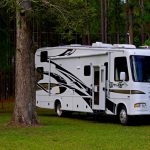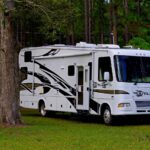

There isn’t one universal #1 camper brand. The best pick depends on the kind of RV you want and what you value most: construction, floor plans, service access, towing fit, or owner support. For a focused fiberglass travel trailer, Oliver is worth a close look; for an iconic aluminum trailer, Airstream stands out; and for broad selection, brands such as Forest River, Jayco, Keystone, and Winebago offer plenty to compare.
Why the mixed answer? “Camper” can mean anything from a truck camper to a motorhome, and brands often lead in different categories. Even “#1” claims need a closer look: Thor Motor Coach promotes itself as North America’s “#1 Motorhome Brand Manufacturer,” while Oliver’s own 2025 roundup ranks Oliver first among RV manufacturers. Those are company claims—not a single independent ranking across every camper type.
We’ve seen campground debates about the “best” RV turn into friendly arguments over aluminum trailers, fiberglass shells, and who has the easiest dealer to work with. The practical winner is the camper that fits your trip, your tow vehicle, and your ability to get timely service—not just the one with the loudest badge.
Key Takeaways
- There’s no single #1 camper brand for every buyer or RV type.
- Compare brands within the same category: travel trailer, fifth wheel, truck camper, or motorhome.
- Treat “#1” as a claim to verify. Check who made the ranking and how it was measured.
- Prioritize the exact model’s build, warranty, service access, floor plan, and owner feedback.
- Confirm towing and payload compatibility before you buy. Your vehicle’s ratings matter more than a brochure’s “lightweight” label.
- Brands to compare: Airstream, Oliver Travel Trailers, Forest River, Jayco, Keystone RV, and Thor Motor Coach.
Table of Contents
- ⚡ Quick Tips and Facts
- 🏕️ What Does “Camper Brand” Mean?
- 📜 Camper and RV Brand History: How the Market Evolved
- 🔎 So, What Is the #1 Camper Brand?
- Why There Isn’t One Universal #1
- How to Measure a Brand’s Popularity and Reputation
- 🏆 Top Camper Brands Compared
- 1. Airstream: Best-Known Premium Travel Trailers
- 2. Winebago: Broad Selection and Strong Brand Recognition
- 3. Jayco: Popular Towables and Motorhomes
- 4. Grand Design: Feature-Rich Towable RVs
- 5. Forest River: A Huge Range of RV Types and Budgets
- 6. Keystone RV: A Major Player in Travel Trailers and Fifth Wheels
- 7. Thor Motor Coach: A Leading Motorhome Manufacturer
- 8. Lance Camper: Lightweight Travel Trailers and Truck Campers
- 9. Oliver Travel Trailers: Premium Fiberglass Construction
- 10. Coachmen: Campers Across Multiple RV Categories
- 📊 Camper Brand Comparison Chart
- Best Camper Brands by RV Type
- Best Camper Brands by Camping Style
- 🚐 Camper Types: Travel Trailers, Fifth Wheels, Truck Campers, and Motorhomes
- Travel Trailers and Lightweight Campers
- Fifth Wheels and Toy Haulers
- Truck Campers and Pop-Up Campers
- Class A, Class B, and Class C Motorhomes
- ✅ What Makes a Camper Brand Worth Buying?
- Build Quality, Materials, and Quality Control
- Warranty, Repairs, and Dealer Service
- Floor Plans, Storage, and Everyday Livability
- Resale Value, Parts, and Long-Term Ownership
- 🧭 Choose the Best Camper Brand for Your Needs
- Best Camper Brands for First-Time Buyers
- Best Camper Brands for Families
- Best Camper Brands for Full-Time RV Living
- Best Camper Brands for Off-Grid Camping
- Best Camper Brands for Small Tow Vehicles
- 📝 How to Compare Camper Brands Before You Buy
- Match the Camper to Your Vehicle’s Tow Rating and Payload
- Inspect a New or Used Camper
- Read Reviews and Check Recalls
- Questions to Ask an RV Dealer
- 💬 Common Questions About the #1 Camper Brand
- What Is the Most Popular Camper Brand in the United States?
- Which Camper Brand Is the Most Reliable?
- Are More Expensive Camper Brands Always Better?
- Which RV Brands Are Owned by the Same Company?
- Is It Better to Buy a New or Used Camper?
- 🏁 Conclusion: The Best Camper Brand Is the One That Fits Your Trip
- 🔗 Recommended Links
- 📚 Reference Links
⚡ Quick Tips and Facts
- There is no single, independently verified #1 camper brand for every RV type and buyer. “Camper” might mean a travel trailer, truck camper, fifth wheel, or motorhome, and each category has different leaders.
- Thor Motor Coach calls itself North America’s “#1 Motorhome Brand Manufacturer.” That is the company’s own claim; the supplied company page doesn’t provide a ranking methodology or independent comparison. See Thor Motor Coach.
- Oliver Travel Trailers ranks itself first in its own 2025 roundup of RV manufacturers. That perspective is worth considering, but it is not an independent industry-wide ranking.
- Best-known names aren’t automatically best for you. A brand’s dealer network, service access, construction, warranty, floor plan, and fit with your tow vehicle can matter more than its headline ranking.
- Start with the vehicle, not the brochure. Check your tow vehicle’s payload and ratings against the camper’s actual loaded weight. The National Highway Traffic Safety Administration (NHTSA) offers towing-safety guidance.
- Our short version: Oliver stands out for small-batch fiberglass travel trailers; Airstream for iconic aluminum travel trailers; and large manufacturers such as Forest River, Jayco, Keystone, and Winebago for breadth of choice. The “best” answer changes with the kind of camper you mean.
🏕️ What Does “Camper Brand” Mean?
“Camper” is a wonderfully flexible word. One person means a compact trailer behind a pickup; another means a self-contained motorhome with a kitchen, bathroom, and a steering wheel. Before naming a #1, we need to agree on what’s being ranked.
In this guide, camper brand means the manufacturer or consumer-facing brand that builds an RV used for camping. It can include towable units and motorhomes. For a broader overview, explore RV brands and manufacturer families.
| What someone may mean by “camper” | Examples | What to compare |
|---|---|---|
| Travel trailer | Airstream, Oliver, Jayco, Keystone | Construction, loaded weight, towability, floor plan |
| Fifth wheel | Grand Design, Keystone, Forest River | Truck payload, hitch weight, living space, service |
| Truck camper | Lance, Travel Lite | Truck capacity, center of gravity, setup |
| Motorhome | Thor Motor Coach, Winebago, Tiffin | Chassis, service network, drivability, warranty |
| Camper van | Winebago, Thor Motor Coach, Storyteller Overland | Layout, systems, insulation, everyday usability |
A brand may be excellent in one segment and a poor match in another. Comparing a fiberglass travel trailer with a Class A motorhome is a bit like ranking hiking boots against a canoe: both are useful outdoors, but the scoreboard needs work.
📜 Camper and RV Brand History: How the Market Evolved

The American RV industry has grown into a mix of longtime names, specialized builders, and large manufacturer groups. Some companies make a broad lineup across multiple RV types; others focus on a narrower specialty, such as molded-fiberglass trailers or truck campers.
That distinction helps explain why lists of “top brands” can look so different. A dealer may highlight brands with a large selection and wide availability. A specialist builder may emphasize construction details and warranty coverage. Owners, meanwhile, may focus on repair experiences, parts access, and how a camper holds up after years of use.
A few important points:
- Brand ownership and brand identity aren’t the same thing. Several familiar RV brands operate within larger corporate groups, while companies such as Oliver operate independently.
- Production scale affects the shopping experience. Large manufacturers can offer many layouts and broader dealer availability; smaller builders may offer a more focused product and different construction approach.
- “Made well” doesn’t mean “trouble-free.” RVs contain many moving, electrical, plumbing, and weather-exposed components. Even a carefully built unit needs inspection and maintenance.
For motorhome buyers, Thor Motor Coach’s site says it offers more than 150 floor plans. That breadth is useful for comparing layouts, but a large lineup by itself doesn’t establish that a manufacturer is the best overall. Thor Motor Coach’s motorhome lineup is a starting point, not an independent report card.
🔎 So, What Is the #1 Camper Brand?
There is no trustworthy single answer without specifying camper type and what “#1” means. It might mean the most units sold, the best-known name, the widest dealer network, highest owner satisfaction, strongest resale value, or a construction style that appeals to a particular buyer. Those measures don’t necessarily point to the same brand.
Two examples show why rankings need context:
- Thor Motor Coach describes itself as North America’s “#1 Motorhome Brand Manufacturer.” This is a company claim about motorhomes, not proof that Thor is the #1 camper maker across all RV categories.
- Oliver Travel Trailers’ own 2025 article ranks Oliver first among 12 manufacturers, emphasizing build quality and warranty. That ranking reflects the article’s stated criteria and comes from the manufacturer itself, so it should be read as a company perspective rather than an independent award.
Giant RV’s page also uses category-specific “#1” descriptions: its site calls Thor Motor Coach the “#1 brand,” Winebago the “#1 motorhome brand,” Forest River Rockwood the “#1 selling trailer brand,” and Four Winds the “#1 selling Class C RV.” The page does not provide a common scoring method to establish one overall leader. See Giant RV’s brand and inventory pages.
Why There Isn’t One Universal #1
A travel trailer, a fifth wheel, a truck camper, and a motorhome face different design demands. A camper that’s excellent for a couple touring state parks may be a bad match for a family with three kids and a half-ton truck.
Rankings also depend on the source:
| Ranking source | What it may measure | What to check |
|---|---|---|
| Manufacturer website | A company’s own product claims | Is the claim independently verified? |
| Dealer website | Brands and models the dealer sells | Is the claim category-specific? |
| Owner reviews | Individual ownership experiences | How many reviews, and how recent? |
| Industry data | Shipments, sales, or market share | What period and RV category? |
| Editorial ranking | A publication’s chosen criteria | Are the criteria and evidence clear? |
Treat “#1” as a question, not a verdict. Ask: #1 for which type of camper, according to whom, measured how, and over what period?
How to Measure a Brand’s Popularity and Reputation
No single source captures the whole ownership experience. We recommend triangulating several kinds of evidence:
- Check the exact model and year. A company’s quality can vary across product lines and production years.
- Read owner feedback across multiple sources. Look for recurring themes rather than one spectacular praise—or one spectacularly sogy complaint.
- Check warranty terms and exclusions. Compare coverage length, covered components, claim process, and the service location you’d actually use.
- Inspect recall information. Search the relevant model year and vehicle type through NHTSA’s recalls database.
- Ask local service centers about support. A strong reputation is less comforting when the nearest authorized service provider is several states away.
- Compare construction and maintenance needs. Roofs, seams, plumbing, windows, and appliances deserve attention regardless of badge.
We’ve heard the same story at campgrounds many times: one owner swears by a brand because their dealer fixed a problem quickly; another says the brand is a disaster after waiting weeks for a part. Both accounts can be true. Service access and the specific unit matter.
🏆 Top Camper Brands Compared
The following brands are useful starting points, not a universal winner’s podium. Each has different strengths, product categories, and trade-offs. Verify model-specific details directly with the manufacturer, because floor plans and specifications can change.
| Brand | Known for | Potential strengths | Buyer watch-outs |
|---|---|---|---|
| Airstream | Aluminum travel trailers | Distinctive design, established identity, range of layouts | Premium construction and repair considerations; confirm tow match |
| Winebago | Motorhomes and towables | Broad recognition and varied RV categories | Compare the specific model, not just the badge |
| Jayco | Towables and motorhomes | Wide selection and family-oriented layouts | Inspect finishes, systems, and local service options |
| Grand Design | Towable RVs | Strong focus on travel trailers and fifth wheels | Check model-specific payload and warranty details |
| Forest River | Many RV categories | Extensive model variety and brand families | Product lines differ; inspect the exact unit carefully |
| Keystone RV | Travel trailers and fifth wheels | Broad range of layouts and towables | Confirm weights, equipment, and support for your model |
| Thor Motor Coach | Motorhomes | Large lineup and many floor plans | Company ranking claims are not independent comparisons |
| Lance Camper | Truck campers and travel trailers | Specialty focus and varied compact options | Truck payload and camper fit are critical |
| Oliver Travel Trailers | Molded-fiberglass travel trailers | Double-hull construction and focused lineup | Limited production and fewer model choices |
| Coachmen | Towables and motorhomes | Multiple RV types and model families | Compare build, equipment, and dealer support by model |
1. Airstream: Best-Known Premium Travel Trailers
Airstream is one of the most recognizable names in travel trailers, known for its polished aluminum exterior and distinctive rounded profile. The brand offers multiple travel-trailer lines; see its official trailer lineup.
Why buyers consider Airstream
- Iconic styling and a long-established brand identity.
- Several floor plans and sizes to compare.
- A strong following among owners and enthusiasts.
What to think about
- Airstream’s aluminum construction is distinctive, but an exterior material alone doesn’t tell you how the complete RV will perform or what repairs may involve.
- Inspect windows, seams, appliances, flooring, and signs of moisture, especially on used units.
- Verify the tow vehicle’s payload and loaded trailer weights before falling in love with a layout. Shiny aluminum is charming; an overloaded truck is not.
2. Winebago: Broad Selection and Strong Brand Recognition
Winebago makes a broad range of recreational vehicles. Its official site covers motorhomes, towables, and other RV products, so the name can appear in very different shopping conversations.
Why buyers consider Winebago
- Multiple RV categories under one widely recognized brand.
- Options for buyers comparing motorhomes and other RV styles.
- A substantial owner community and established company presence.
What to think about
- A strong brand name doesn’t make every model identical. Compare the exact floor plan, equipment, warranty, and service arrangements.
- For motorhomes, include chassis service and engine access in your inspection—not just the living area.
3. Jayco: Popular Towables and Motorhomes
Jayco’s lineup includes travel trailers, fifth wheels, and motorhomes. Its official RV lineup makes it a practical brand to include when comparing family layouts and different RV formats.
Potential advantages
- A variety of RV types and floor plans.
- Plenty of choices for families and recreational travelers.
- A recognizable manufacturer with a network of dealers.
Potential drawbacks
- Feature lists and construction vary among product lines.
- Evaluate the actual unit carefully; a brand-wide impression cannot substitute for inspecting a specific camper.
- Ask who will handle warranty work and how appointments are scheduled locally.
4. Grand Design: Feature-Rich Towable RVs
Grand Design focuses heavily on towable RVs, including travel trailers and fifth wheels. Browse its official product lineup, then compare the model’s loaded weight, storage, sleeping capacity, and systems.
Potential advantages
- A wide selection of towable layouts.
- Options for buyers looking for larger living spaces and family features.
- A useful brand to cross-shop against Keystone, Jayco, and Forest River.
Potential drawbacks
- “Towable” does not automatically mean “easy tow.” Fifth-wheel pin weight and trailer payload can challenge a truck’s capacity.
- Features vary by trim and model year; confirm what is standard versus optional.
For more category-specific browsing, see RV Brands™ guides to fifth-wheel RVs and fifth-wheel manufacturers.
5. Forest River: A Huge Range of RV Types and Budgets
Forest River builds a wide assortment of recreational vehicles, organized across numerous brand families. Its official brand directory helps shoppers see just how much variety sits under the company umbrella.
Potential advantages
- Many RV categories and floor plans to compare.
- Multiple brand families for different camping styles.
- Broad availability through dealers in many markets.
Potential drawbacks
- Because the company’s portfolio is large, a reputation attached to one product line may not apply to another.
- Be especially deliberate about checking the exact model’s equipment, fit and finish, warranty, and service history.
Forest River Rockwood is one of the names Giant RV highlights as a leading trailer brand, but that page doesn’t provide a shared ranking method for comparing it with other manufacturers. Treat the claim as a lead for research—not the end of it.
6. Keystone RV: A Major Player in Travel Trailers and Fifth Wheels
Keystone’s product catalog includes travel trailers and fifth wheels. Visit the official Keystone lineup to compare categories and individual floor plans.
Potential advantages
- Broad towable selection.
- Multiple layouts for couples, families, and extended trips.
- A useful comparison brand for shoppers considering Forest River, Jayco, and Grand Design.
Potential drawbacks
- A trailer’s advertised dry weight is not the whole towing story. Add people, cargo, water, and installed options when assessing the match.
- Confirm that your preferred service center works on the brand and model you’re considering.
7. Thor Motor Coach: A Leading Motorhome Manufacturer
Thor Motor Coach builds motorhomes across several categories. The company says it offers over 150 floor plans and describes itself as North America’s “#1 Motorhome Brand Manufacturer.” Those are useful indicators of how Thor presents its range, but the #1 wording should be understood as a company claim, not an independently verified ranking. See the Thor Motor Coach lineup.
Potential advantages
- Many floor plans to compare.
- A broad selection for buyers shopping motorhomes.
- A place to start if you’re deciding between a Class A, Class C, or other motorhome layout.
Potential drawbacks
- A high number of floor plans can make comparisons harder, not easier. Narrow your shortlist by length, sleeping capacity, chassis, cargo capacity, and service access.
- Ask about the warranty, recall history, and maintenance needs of both the motorhome and its chassis.
For more shopping guidance, browse RV Brands™ Class A motorhomes and Class C motorhomes.
8. Lance Camper: Lightweight Travel Trailers and Truck Campers
Lance makes truck campers and travel trailers. The Lance official site is the right place to confirm current models and specifications.
Potential advantages
- A specialty brand to consider when compact travel or truck-mounted camping is the goal.
- Options across more than one camper format.
- A useful comparison for shoppers whose tow vehicle or camping style favors a smaller footprint.
Potential drawbacks
- Truck campers demand close attention to payload, axle ratings, and center of gravity.
- “Lightweight” is relative; verify the unit’s actual weight with options and cargo.
9. Oliver Travel Trailers: Premium Fiberglass Construction
Oliver specializes in molded-fiberglass travel trailers. In its own 2025 brand-ranking article, the company places itself first among 12 manufacturers. The article emphasizes Oliver’s double-hull fiberglass construction, aluminum frame, lack of structural wood, and warranty coverage. Those are specific features worth comparing, but the ranking is self-published by the manufacturer.
Oliver’s article describes four fiberglass shells—two interior and two exterior—bonded into a double-hull structure, with insulation and an air gap. It also says plumbing and tanks are housed within the trailer’s structure. Check the current Oliver models and specifications directly, since configurations can change.
Potential advantages
- A construction approach that appeals to buyers concerned about moisture and long-term durability.
- A focused lineup that can make model comparisons more straightforward.
- Oliver’s article publishes warranty terms that may be longer than many buyers expect; review the current written warranty before purchase.
Potential drawbacks
- A focused manufacturer may offer fewer layout options than a large RV group.
- Limited production may mean availability and delivery timing require advance planning.
- A fiberglass shell doesn’t eliminate maintenance. Seals, appliances, plumbing, wiring, and chassis still need inspection and care.
Oliver’s article cites RV Atlas calling its trailers “the best made travel trailers in America” and an iRV2 user describing a model as “arguably the best engineered and manufactured TT in their market of sub 25′.” These are atributed opinions, not formal test ratings. They can help you understand owner enthusiasm, but they don’t replace a walkthrough or independent inspection.
10. Coachmen: Campers Across Multiple RV Categories
Coachmen offers RVs across several categories. Its official product pages make it a handy brand to include when comparing motorhomes and towables.
Potential advantages
- A range of RV styles and floor plans.
- Useful for buyers who want to compare different layouts from a single brand family.
- A brand to cross-shop alongside Jayco, Forest River, and Winebago.
Potential drawbacks
- Product details and construction vary by series.
- Check the specific unit’s warranty, equipment, and dealer service arrangements rather than relying on broad brand reputation.
📊 Camper Brand Comparison Chart
This quick comparison is about fit and focus, not a numerical quality ranking. Every brand in the chart has multiple models, and a well-maintained unit from one line may suit you better than a poorly matched unit from another.
| Brand | Main categories | Often worth a look if you want… | Verify before buying |
|---|---|---|---|
| Airstream | Travel trailers | Distinctive aluminum design and established name | Tow match, condition, service, repair needs |
| Winebago | Motorhomes and towables | A broad selection from a familiar manufacturer | Model-specific quality, warranty, support |
| Jayco | Towables and motorhomes | Multiple family-friendly layouts | Exact specifications and dealer service |
| Grand Design | Towables | Travel trailers and fifth wheels | Payload, equipment, warranty details |
| Forest River | Towables and motorhomes | A wide range of product families | Exact brand line and unit inspection |
| Keystone | Travel trailers and fifth wheels | A broad towable catalog | Loaded weights, options, service access |
| Thor Motor Coach | Motorhomes | Numerous motorhome floor plans | Claim methodology, chassis support, model fit |
| Lance | Truck campers and trailers | Compact or truck-mounted camping | Payload and vehicle compatibility |
| Oliver | Fiberglass travel trailers | A focused, construction-led trailer option | Availability, warranty, model fit |
| Coachmen | Towables and motorhomes | A range of RV categories | Specific model, components, service |
Best Camper Brands by RV Type
| If you’re shopping for… | Brands to compare | Why include them |
|---|---|---|
| Premium travel trailer | Airstream, Oliver | Different approaches to construction and design |
| Fiberglass travel trailer | Oliver, Casita, Escape | Useful comparison of molded-fiberglass options |
| Family travel trailer | Jayco, Forest River, Keystone, Grand Design | Many floor plans and towable formats |
| Fifth wheel | Grand Design, Keystone, Forest River, Jayco | Broad selection of larger towables |
| Truck camper | Lance, Travel Lite | Specialty options for pickup-based travel |
| Class A motorhome | Thor Motor Coach, Winebago, Tiffin, Newmar | Different layouts, chassis, and ownership experiences |
| Class C motorhome | Thor Motor Coach, Winebago, Jayco, Coachmen | Familiar manufacturers with multiple floor plans |
These are brands to compare, not a guarantee of quality or customer satisfaction. For motorhomes, RV Brands™ has additional guides to Class A and Class C RVs; fifth-wheel shoppers can explore fifth-wheel RVs.
Best Camper Brands by Camping Style
| Your camping style | What to prioritize | Brands worth researching |
|---|---|---|
| Weekend campground trips | Easy setup, sleeping layout, storage | Jayco, Forest River, Keystone |
| Long-distance touring | Comfortable driving or towing, service access | Winebago, Airstream, Thor Motor Coach |
| Small trailer camping | Weight, compact layout, weather protection | Oliver, Casita, Escape |
| Full-time RV living | Storage, serviceability, livable layout | Grand Design, Keystone, Winebago, Oliver |
| Truck-based adventure | Payload, secure fit, off-grid systems | Lance, Travel Lite, Storyteller Overland |
| Larger family trips | Sleeping capacity, seating, cargo space | Forest River, Jayco, Coachmen |
Camping style should narrow the list before brand reputation does. A sprawling fifth wheel is a poor answer if your truck can’t safely carry it, no matter how appealing the kitchen island looks.
🚐 Camper Types: Travel Trailers, Fifth Wheels, Truck Campers, and Motorhomes
Knowing the RV type you want will make the “#1 brand” question much easier to answer. Here’s the quick tour.
| Type | How it travels | Typical advantage | Main trade-off |
|---|---|---|---|
| Travel trailer | Towed by a ball hitch | Can be unhitched at camp | Needs an appropriately rated tow vehicle |
| Fifth wheel | Towed using a bed-mounted hitch | More spacious layouts | Requires a suitably capable pickup |
| Truck camper | Mounted in pickup bed | Compact setup and vehicle-based travel | Payload and truck fit are crucial |
| Motorhome | Self-propeled | Living space and driving space are combined | Chassis, engine, and house systems all need maintenance |
| Camper van | Self-propeled van platform | Compact, mobile, and easier to park than large RVs | Limited interior space and storage |
Travel Trailers and Lightweight Campers
Travel trailers offer plenty of choice, from compact fiberglass campers to long family units. The key is to compare the loaded trailer weight—not just a brochure’s dry weight—with the tow vehicle’s ratings.
Before choosing a brand:
- Find the tow vehicle’s ratings in its owner’s manual and door-jamb labels.
- Account for people, luggage, hitch equipment, water, and accessories.
- Check the trailer’s gross vehicle weight rating (GVWR) and cargo carrying capacity.
- Confirm the hitch, brakes, and required towing equipment are properly matched.
The NHTSA towing guide provides foundational safety information. For model-specific compatibility, consult the vehicle and trailer manufacturers.
Fifth Wheels and Toy Haulers
Fifth wheels connect to a hitch in a pickup bed. Their layouts can provide substantial living space, while toy haulers add a cargo garage for motorcycles, bikes, or other gear.
Don’t overlook truck payload. The hitch load and passengers count against the truck’s capacity. Read the truck’s ratings and the RV’s actual specifications before choosing a floor plan. Browse RV Brands™ guides to fifth-wheel RVs and fifth-wheel manufacturers.
Truck Campers and Pop-Up Campers
Truck campers mount in a pickup bed, while pop-up models may use a collapsible roof to reduce height while traveling. They can be appealing for backroads and compact camping—but vehicle compatibility is not a “close enough” exercise.
Check:
- Truck payload and axle ratings.
- Camper weight as equipped, not merely its base weight.
- Center-of-gravity information and fit requirements.
- How passengers and cargo affect remaining capacity.
- Whether the installed setup changes handling or braking.
When in doubt, get the complete rig weighed and consult the vehicle and camper manufacturers.
Class A, Class B, and Class C Motorhomes
Motorhomes combine the driving platform and living quarters. Broadly:
- Class A: A large coach-style motorhome.
- Class B: A camper van built on a van platform.
- Class C: A motorhome with a cab-over section, commonly based on a truck or van chassis.
The right choice depends on how you’ll drive, park, sleep, and maintain the RV. A large Class A may feel wonderfully spacious on the open road but less convenient in tight parking lots. A Class B can be easier to maneuver, but its compact interior asks you to befriend minimalism.
See RV Brands™ guides to Class A motorhomes and Class C motorhomes.
✅ What Makes a Camper Brand Worth Buying?
A good brand is more than a logo. When we’re evaluating a camper, we look at the entire ownership picture: construction, service, warranty, floor plan, and how easily the rig matches the buyer’s vehicle and travel style.
Build Quality, Materials, and Quality Control
Inspect how the camper is put together, and don’t rely on marketing terms alone. Look for:
- Evidence of water intrusion around windows, roof edges, doors, vents, and slide-outs.
- Secure cabinetry, latches, trim, and furniture.
- Clean, protected wiring and plumbing.
- Consistent sealant work and an accessible roof-maintenance plan.
- A chassis and suspension suitable for the camper’s rated load.
- Clear manufacturer documentation for construction and maintenance.
A video linked elsewhere in this article at #featured-video promotes a “safe list” of trailer brands based on longevity and resale. It says some trailers lose 40–60% of their value within five years and argues for prioritizing construction and value retention. That figure and ranking are the video’s claims, not a universal depreciation rule established here. Depreciation varies with brand, condition, age, market, and model. Use the video as a viewpoint to investigate—not as a substitute for verified transaction data, a condition assessment, or your ownership-cost calculation.
Warranty, Repairs, and Dealer Service
A generous warranty can be valuable, but only if you understand its limits and can access service. Compare:
- Coverage length: Which parts of the camper are covered, and for how long?
- Exclusions: What counts as wear, misuse, maintenance, or third-party equipment?
- Claim process: Who authorizes repairs, and what documentation is required?
- Service availability: Is there a qualified repair facility near you?
- Turnaround: Ask dealers about appointment availability and parts delays.
Oliver’s 2025 article lists a five-year body and chassis warranty, two years for Oliver components, and one year for third-party parts. Confirm current terms in the written warranty, because coverage can change and restrictions matter.
Floor Plans, Storage, and Everyday Livability
A floor plan can look brilliant online and feel cramped the moment two people try to pass each other. Test it like you’ll use it:
- Walk through with everyone who’ll travel.
- Sit at the dinette and check sightlines and legroom.
- Open drawers, cabinets, doors, and slides.
- Picture wet coats, muddy shoes, and groceries.
- Confirm bed dimensions and sleeping arrangements.
- Check access to the bathroom and kitchen when slides are in.
The best floor plan is the one that works on an ordinary rainy Tuesday, not just during the sunny dealership tour.
Resale Value, Parts, and Long-Term Ownership
Resale value depends on condition, demand, model, age, maintenance records, and local market conditions. A brand name can help recognition, but it does not guarantee a particular future sale price.
For a sensible long-term check:
- Compare used listings for the same model, year, and condition.
- Look for parts availability and service documentation.
- Ask owners about recurring repairs on the specific model.
- Keep receipts and maintenance records from day one.
- Budget for routine roof, seal, tire, battery, appliance, and chassis care.
Don’t treat an online asking price as a completed sale. Listings show what sellers hope to receive; actual transaction values may differ.
🧭 Choose the Best Camper Brand for Your Needs
Start with your real travel habits, then shortlist brands. This keeps a beautiful but unsuitable RV from following you home like a very expensive puppy.
Best Camper Brands for First-Time Buyers
First-time buyers should prioritize manageable size, clear documentation, nearby service, and a floor plan they can live with. Compare a few established manufacturers—such as Jayco, Coachmen, Forest River, Winebago, or Keystone—but assess the specific model and dealer.
A useful first-buy sequence:
- Decide how many people will travel and sleep in the camper.
- Choose towable or motorized based on driving and setup preferences.
- Confirm vehicle capacity before visiting a dealer.
- Walk through several floor plans in person.
- Inspect the unit and read the warranty before signing.
- Consider a professional RV inspection, especially for used units.
Best Camper Brands for Families
Families often need flexible sleeping, durable surfaces, accessible storage, and enough cargo capacity for everyone’s gear. Jayco, Forest River, Keystone, Grand Design, and Coachmen are worth comparing for their range of towable layouts.
Look beyond advertised sleeping capacity. Ask whether the beds are comfortable for the people who’ll use them, whether the bathroom is accessible at a rest stop, and whether you can reach the refrigerator with slides retracted.
Best Camper Brands for Full-Time RV Living
Full-time use places more demands on the camper than occasional weekend trips. Prioritize:
- Serviceable systems and accessible components.
- Storage for clothing, tools, and seasonal gear.
- A comfortable workspace and reliable connectivity plan.
- Heating, cooling, insulation, and ventilation suited to your travel climate.
- A layout that works when everyone is indoors for several days.
Brands such as Grand Design, Keystone, Winebago, and Oliver may appear on full-time shoppers’ shortlists, but brand reputation alone cannot tell you whether a particular unit is designed for your routine. Check the model’s specifications and warranty carefully.
Best Camper Brands for Off-Grid Camping
For bondocking, compare usable battery capacity, solar equipment, inverter output, water capacity, tank storage, heating needs, and how easy it is to add or service components. Some Oliver models emphasize off-grid systems; other manufacturers offer optional packages. Confirm the exact model-year configuration with the manufacturer.
A practical checklist:
- Estimate daily power consumption.
- Check battery chemistry and usable capacity.
- Match solar production to your likely conditions.
- Identify which appliances can run from the inverter.
- Confirm tank sizes and water-use habits.
- Plan for shade, cloudy weather, and cold temperatures.
Best Camper Brands for Small Tow Vehicles
A smaller tow vehicle narows your choices, but “lightweight” is not a safety rating. Investigate compact trailers from brands such as Oliver, Casita, Escape, or other small-trailer builders, then compare actual loaded weights against your vehicle’s ratings.
If your tow vehicle cannot comfortably carry or tow the camper and its real-world load, choose a smaller camper or a more capable vehicle. The brochure shouldn’t get the final vote—your vehicle’s ratings should.
📝 How to Compare Camper Brands Before You Buy
Here’s a step-by-step way to move from “I like that one” to “I’ve checked the important things.”
Match the Camper to Your Vehicle’s Tow Rating and Payload
- Read your vehicle’s owner’s manual. Find the towing, payload, axle, and hitch ratings.
- Check the certification label. Use the vehicle’s actual ratings, not a generic online estimate.
- Get the camper’s specifications. Review GVWR, dry weight, cargo capacity, and hitch or pin weight.
- Account for people and gear. Include passengers, luggage, accessories, water, and installed options.
- Check the complete combination. Towing capacity is only one piece; payload, axle ratings, hitch limits, and combined ratings may also matter.
- Ask a qualified dealer or technician to review the setup.
- Weigh the loaded rig when possible and compare the results with the ratings.
The NHTSA’s towing safety guidance is a useful starting point. Always follow the vehicle and trailer manufacturers’ instructions.
Inspect a New or Used Camper
New units need inspection too. We’ve seen the excitement of a walk-through turn into a hunt for missing parts and loose cabinet latches. Take your time.
- Test lights, outlets, plumbing, appliances, doors, windows, and slide-outs.
- Check the roof and exterior seals.
- Look under sinks and around the water heater for moisture.
- Inspect tires and note their age and condition.
- Check the battery, electrical systems, and generator if equipped.
- Confirm every promised feature is installed and functioning.
- For a used RV, review service records and investigate any water damage or structural repair.
A certified or experienced RV inspector can help identify concerns that are easy to miss during a quick dealership tour.
Read Reviews and Check Recalls
Look for patterns across independent owner communities, dealer feedback, and professional reviews. Give more weight to specific, repeatable descriptions than to vague praise or anger.
Then search the exact make, model, and model year in NHTSA’s recall database. A recall search doesn’t replace inspection, but it helps you identify safety issues and verify whether required repairs were completed.
Questions to Ask an RV Dealer
- What is the camper’s actual weight as equipped?
- What items are optional, and which are included?
- Who performs warranty work?
- How are warranty claims handled?
- What is the expected service wait time?
- Are there open recalls on this unit?
- Can I review the complete warranty and owner’s manual?
- What inspection and orientation happen before delivery?
- Can the unit be weighed or independently inspected?
- What maintenance is due in the first year?
A dealer who welcomes detailed questions is a good sign. If you’re being rushed past the warranty or weight labels, pause the conversation and take another look.
💬 Common Questions About the #1 Camper Brand
What Is the Most Popular Camper Brand in the United States?
There is no single answer unless you specify the RV category and the measure of popularity. Sales, shipments, website searches, and brand recognition are different things. A motorhome brand can lead a motorhome category while another manufacturer is more prominent in travel trailers or fifth wheels.
Giant RV, for example, describes Thor Motor Coach, Winebago, Forest River Rockwood, and Four Winds as leaders in different categories. Its page does not establish one overall winner using a common published methodology. Compare category-specific, dated data whenever a source claims a brand is “most popular.”
Which Camper Brand Is the Most Reliable?
No brand is guaranteed trouble-free. Reliability depends on the model, production year, maintenance, climate, usage, and quality of service. A sensible comparison combines owner feedback, recall history, written warranty terms, independent inspection, and access to repairs.
If you’re comparing brands, investigate the specific model and year, not only the manufacturer’s overall reputation.
Are More Expensive Camper Brands Always Better?
No. Premium construction, distinctive materials, or more equipment may suit your priorities, but a higher price doesn’t guarantee a better floor plan, fewer repairs, or better local service. Compare the features you’ll actually use, the construction details you can verify, and the complete cost of ownership.
Which RV Brands Are Owned by the Same Company?
Some familiar RV brands are part of larger manufacturing groups, while others operate independently. Ownership can change, so check each company’s current corporate information rather than relying on an old list. A parent company may share resources, but individual brands and product lines can still differ in design, features, and dealer support.
Is It Better to Buy a New or Used Camper?
A new camper offers a fresh unit and the benefit of applicable factory warranty coverage, but it still needs careful inspection. A used RV may offer more features for your budget, but its condition and maintenance history become especially important.
For either option, review the warranty, check recalls, inspect for water damage, and confirm the vehicle match. If you buy used, a professional inspection is money well spent.
🏁 Conclusion: The Best Camper Brand Is the One That Fits Your Trip