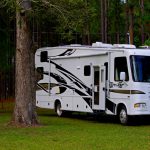


Roughly 16.9% of American households—that’s 8.1 million families—currently own an RV, shattering the myth that this lifestyle is reserved for a tiny, niche group. When you ask what percent of households own an RV, the answer reveals a massive, booming community that is younger, more diverse, and more active than ever before.
We recently met a couple in a dusty parking lot in Arizona who claimed they were “the only ones” in their town with a rig, only to discover their neighbor three doors down had a fifth wheel and their local grocery store clerk owned a Class C. It turns out, the road is far more crowded than it appears.
While headlines often fixate on the 486,0 people living full-time in RVs, that number represents just 1% of the total population. The real story lies in the millions of weekend warriors and vacationers who keep the industry rolling.
Key Takeaways
- 16.9% of US households (8.1 million) own an RV, making it one of the most popular recreational activities in the country.
- The median age of an owner has dropped to 49, with Millennials and Gen Z driving the fastest growth.
- Only about 1% of owners live full-time in their RVs, while the vast majority use them for seasonal travel.
- Towable RVs dominate the market, accounting for over 85% of all owned units.
- 16.9 million households are “intenders,” planning to buy an RV within the next five years.
Table of Contents
- ⚡️ Quick Tips and Facts
- 📜 The Evolution of the American Dream: A Brief History of RV Ownership
- 📊 What Percent of Households Own an RV? The Definitive Breakdown
- 🏠 Full-Time RV Living: How Many Americans Call the Road Home?
- 👶 Who’s Behind the Wheel? Analyzing RV Owner Demographics and Family Trends
- 🌱 The New Guard: Why Millennials and Gen Z Are Buying More RVs Than Ever
- 🛒 The Pandemic Pivot: Tracking the Surge of COVID-Era RV Buyers
- 👋 Why Did They Leave? Insights from Former RV Owners
- 🤔 The “Someday” Crowd: Understanding RV Intenders and Future Buyers
- 🗺️ Where Are the RVers? A State-by-State Look at Ownership Rates
- 🚐 Motorhomes vs. Trailers: Which Type Dominates the Market?
- 💰 The Real Cost of Ownership: Beyond the Sticker Price
- 📈 Market Trends and Industry Forecasts for the Next Decade
- ✅ Quick Tips and Facts
- 🏁 Conclusion
- 🔗 Recommended Links
- ❓ FAQ
- 📚 Reference Links
⚡️ Quick Tips and Facts
Before we dive into the nitty-gritty of RV ownership statistics, let’s hit the brakes and grab a quick coffee (or maybe a campfire mug of something stronger). Here are the absolute essentials you need to know right now:
- The Big Number: Roughly 1 in 6 American households (about 16.9%) currently owns an RV. That’s 8.1 million households rolling down the highway! 🚐💨
- The “Someday” Crowd: There are nearly 17 million more households itching to buy one. If you’re on the fence, you’re in good company.
- Full-Time Life: While it feels like everyone is living in an RV these days, only about 1% of households are full-time RVers. That’s roughly 486,0 people calling the road their permanent address.
- The Age Shift: The median age of an RV owner has dropped to 49. The “old folks in motorhomes” stereotype? Dead and buried.
- Family First: 43% of RV owners have kids under 18 at home. The family road trip is back, baby! 👨 👩 👧 👦
- New vs. Used: Despite the used market hype, 71% of buyers still opt for brand new rigs.
Curious why the numbers fluctuate so wildly between sources? Or why some states are absolutely packed with RVs while others are empty? Stick around, because the story behind these numbers is way more interesting than a simple percentage.
📜 The Evolution of the American Dream: A Brief History of RV Ownership

To understand what percent of households own an RV today, we have to look at how we got here. It wasn’t always about luxury slide-outs and solar panels.
The Wagon Train Reimagined
The concept of the recreational vehicle isn’t new. In the early 190s, the “tin lizzies” of the camping world were essentially modified trucks with canvas tops. But the real boom happened post-WII. As the American economy surged, families wanted to explore the newly built interstate system.
- 1950s: The Winebago brand was born, turning the RV from a niche curiosity into a household name.
- 1970s: The oil crisis hit, and suddenly, gas-guzzling Class A motorhomes took a backseat to fuel-efficient travel trailers.
- 20s: The rise of the Fifth Wheel and luxury Class C motorhomes brought comfort to the masses.
For a deeper dive into how these numbers have shifted over the decades, check out our comprehensive breakdown of RV Statistics.
The Modern Renaissance
Fast forward today, and the RV industry is experiencing a renaissance. We’ve moved past the “glamping” phase into a full-blown lifestyle movement. The RV Brands™ team has seen firsthand how the definition of “home” has expanded. It’s no longer just a brick-and-mortar structure; it’s a mobile sanctuary.
📊 What Percent of Households Own an RV? The Definitive Breakdown
So, here is the million-dollar question: What percent of households own an RV?
According to the latest data from the RV Industry Association (RVIA) and independent market research, the answer is 16.9%.
That translates to 8.1 million American households.
Why the Confusion?
You might have seen numbers like 10% or even 20% floating around. Why the discrepancy?
- Definition of “Owner”: Some studies count anyone who owns an RV, even if it’s been sitting in a driveway for five years. Others only count “active” owners who took a trip in the last 12 months.
- The “Intender” Factor: Many people plan to buy. If you count those who intend to buy within 5 years, the potential market jumps to 16.9 million households.
- Data Lag: Economic shifts happen fast. The 2020-2021 pandemic boom skewed data, and the market is now correcting.
| Metric | Statistic | Source Context |
|---|---|---|
| Total Households Owning an RV | 8.1 Million | RVIA 2025 Report |
| Percentage of US Households | ~16.9% | Based on ~48M total households |
| Households Intending to Buy (5 yrs) | 16.9 Million | High interest pool |
| Full-Time RV Households | ~1% | Approx. 486,0 people |
| Median Age of Owner | 49 Years | Down from 53 in 2021 |
Key Takeaway: If you walk into a random neighborhood in America, there’s a better than 1-in-6 chance someone there owns an RV.
🏠 Full-Time RV Living: How Many Americans Call the Road Home?
We touched on this in the quick facts, but let’s unpack the full-time RV living phenomenon.
The 486,0 Number
A widely cited figure, often referenced in news outlets like NBC News, suggests that about 486,0 people live full-time in an RV. This number represents a doubling of the full-time population over the last decade.
But why is this number so hard to pin down?
- No Census Data: The US Census doesn’t have a specific checkbox for “Full-Time RVer.”
- Mail Forwarding: Many full-timers use mail forwarding services, making them invisible to local census counts.
- Seasonal Nomads: Some people live in their RVs for 9 months a year and rent a small apartment for the winter. Are they full-timers? Technically, no.
Who Are They?
The full-time demographic is shifting. It’s not just retirees anymore.
- Digital Nomads: With remote work becoming standard, more young professionals are trading their cubicles for campgrounds.
- Budget-Conscious Families: With housing prices skyrocketing, some families are choosing the RV lifestyle as a financial strategy.
Pro Tip: If you are considering going full-time, remember that 486,0 is a small fraction of the total RV population. You are joining a very exclusive club!
👶 Who’s Behind the Wheel? Analyzing RV Owner Demographics and Family Trends
The stereotype of the silver-haired couple towing a trailer is so 190. The data tells a different story.
The Age Shift
The median age of an RV owner has dropped to 49.
- 35–54 Age Group: This group now makes up 46% of all owners.
- Millennials: They are the fastest-growing segment of new buyers.
Families on the Road
43% of RV owners have children under 18 in their household. This is a massive jump from previous years.
- Why? Parents want to teach their kids about nature, history, and resilience.
- The “Homeschool” Factor: Many families use their RV as a mobile classroom.
Diversity in the RV Community
The industry is finally reflecting the real US population.
- Growth Audiences: Hispanic-Americans, African Americans, Asian-Americans, and LGBTQ+ individuals now make up 30% of current owners.
- First-Time Buyers: 36% of all owners bought their first RV in the last few years.
For more insights on specific family setups, check out our guides on Fifth Wheel RVs which are often the top choice for large families.
🌱 The New Guard: Why Millennials and Gen Z Are Buying More RVs Than Ever
If you think the RV world is boring, you haven’t met the new guard. Millennials and Gen Z are driving the market.
The “Van Life” Effect
Social media has romanticized the van life aesthetic. But it’s not just about Instagram photos.
- Affordability: For many, buying a used Class B or small travel trailer is cheaper than a down payment on a house.
- Flexibility: They want the freedom to move for jobs or adventures without being tied to a mortgage.
Tech-Savy RVers
This generation expects smart technology in their rigs.
- Connectivity: Starlink, 5G boosters, and remote monitoring are non-negotiable.
- Sustainability: They are more likely to invest in solar power and lithium batteries for off-grid living.
Question: Do you think the “Van Life” trend is a fad or a permanent shift in how we live? We’ll answer this in the Market Trends section later!
🛒 The Pandemic Pivot: Tracking the Surge of COVID-Era RV Buyers
Let’s talk about the elephant in the campground: The Pandemic Boom.
The 2020-2021 Surge
When the world shut down, people needed a safe way to travel. RV sales skyrocketed.
- Inventory Shortages: Dealerships sold out of everything.
- Price Hikes: Used RV prices doubled in some cases.
The “COVID Buyers” Subgroup
According to the RVIA, a significant portion of current owners bought during this period.
- Motivation: Safety, isolation, and the need for a “home away from home.”
- Retention: Interestingly, many of these buyers kept their RVs even after restrictions lifted. They realized they loved the lifestyle.
However, the market has since cooled. Inventory is back, and prices are stabilizing. If you bought in 2021, you might have overpaid. If you’re buying now, you’re getting a better deal.
👋 Why Did They Leave? Insights from Former RV Owners
Not everyone who buys an RV keeps it. The Former Owners subgroup is a critical part of the puzzle.
The “Grass is Grener” Myth
Many people buy an RV thinking it will be a magical, low-cost lifestyle. Then reality hits.
- Maintenance Nightmares: Leaks, tire blowouts, and appliance failures.
- Storage Costs: Where do you put it when you aren’t using it?
- Lifestyle Clash: The reality of small spaces and limited privacy can be tough on relationships.
The Turnover Rate
While exact numbers vary, industry estimates suggest that a significant chunk of first-time buyers sell their RV within 3-5 years.
- Lesson Learned: Do your homework! Don’t buy a rig you can’t afford to maintain.
🤔 The “Someday” Crowd: Understanding RV Intenders and Future Buyers
There are 16.9 million households that want an RV. These are the Intenders.
Who Are They?
- The Dreamers: They watch YouTube videos and browse RVShare.
- The Hesitant: They are worried about cost, maintenance, or the “what if.”
- The Future Buyers: They plan to buy within the next 5 years.
What They Need
To convert these intenders into owners, the industry needs to address their fears.
- Education: More resources on maintenance and budgeting.
- Financing: Better loan options for first-time buyers.
- Community: A welcoming environment for newbies.
🗺️ Where Are the RVers? A State-by-State Look at Ownership Rates
Geography matters. Some states are RV havens, while others are deserts.
Top States for Ownership (Per Capita)
- Alaska: The ultimate adventure state.
- Oregon: A haven for nature lovers.
- Montana: Wide open spaces.
- Minnesota: The land of 10,0 lakes (and RVs).
- South Dakota: Home to Mount Rushmore and endless camping.
Top States for Sales Revenue
- California: Despite the cost of living, it leads in total sales revenue.
- Texas: Huge market with diverse camping options.
- Florida: The retirement capital of the US.
Fun Fact: The 10-Year Rule in many parks means that older RVs are pushed out of popular states, driving demand for newer models in these regions.
🚐 Motorhomes vs. Trailers: Which Type Dominates the Market?
When we ask “What percent of households own an RV?”, we need to know what kind of RV.
The Towable Dominance
Towable RVs (Travel Trailers, Fifth Wheels, Pop-ups) make up over 85% of the market.
- Why? They are cheaper, easier tow, and you can detach the tow vehicle for local driving.
- Top Brands: Forest River, Keystone, Grand Design, Jayco.
The Motorhome Niche
Motorhomes (Class A, B, C) are less common but highly visible.
- Class A: The luxury buses.
- Class B: The “campervans” loved by millennials.
- Class C: The family favorite with the over-cab bunk.
For a detailed comparison, check out our guide on Class A Motorhomes.
💰 The Real Cost of Ownership: Beyond the Sticker Price
Buying an RV is just the beginning. The real cost of ownership includes:
- Insurance: Varies by type and location.
- Maintenance: Expect to spend 1-2% of the RV’s value annually.
- Fuel: Gas mileage for a Class A can be as low as 6-8 MPG.
- Storage: $50-$20+ per month depending on the state.
- Campground Fees: $30-$10+ per night.
Myth Buster: “RVing is cheap.”
- Reality: It can be, if you bondock and cook at home. But if you stay at full-hookup resorts and eat out, it can cost more than a traditional vacation.
📈 Market Trends and Industry Forecasts for the Next Decade
Where is the industry going?
- Electrification: More electric drivetrains and solar integration.
- Compact Luxury: Smaller, smarter, and more efficient rigs.
- Smart Connectivity: Remote monitoring and AI-driven safety features.
- Sustainability: Eco-friendly materials and waste management systems.
The market is projected to grow at a CAGR of 7.9% through 2030. The future is bright for the RV lifestyle.
✅ Quick Tips and Facts (Recap)
Let’s recap the most critical points before we wrap up:
- 16.9% of US households own an RV.
- 486,0 people live full-time in an RV.
- 46% of owners are between 35-54 years old.
- Towables dominate the market with 85% share.
- Maintenance is the #1 reason people sell their RVs.
🏁 Conclusion

So, what percent of households own an RV? The answer is 16.9%, or roughly 8.1 million households. But the story doesn’t end there. The RV world is evolving, becoming younger, more diverse, and more integrated with our daily lives.
From the 486,0 full-time nomads to the 16.9 million intenders, the RV industry is a testament to the American desire for freedom and adventure. Whether you are a seasoned RVer or just dreaming of hitting the road, the data shows that you are part of a growing, vibrant community.
Our Recommendation:
If you are on the fence, don’t let the “maintenance myths” scare you. Start small. Rent a Class B or a small Travel Trailer for a weekend. See if the lifestyle clicks. The RV Brands™ team believes that the right RV can change your life, but only if you choose the right one for your needs.
Ready to take the plunge? Check out our Fifth Wheel RV Manufacturers guide to find the perfect rig for your family.
🔗 Recommended Links
👉 Shop Top RV Brands & Models:
- Forest River: Search on RVShare | Search on Camping World | Forest River Official
- Keystone RV: Search on RVShare | Search on Outdoorsy | Keystone Official
- Grand Design RV: Search on RVShare | Search on Camping World | Grand Design Official
- Jayco Inc.: Search on RVShare | Search on Outdoorsy | Jayco Official
- Winebago: Search on RVShare | Search on Camping World | Winebago Official
Recommended Reading:
- The Complete Guide to RV Living on Amazon
- RV Maintenance for Dummies on Amazon
❓ FAQ

How does RV ownership vary by region in the US?
RV ownership is highest in the Pacific Northwest, Mountain West, and Midwest. States like Alaska, Oregon, and Montana have the highest per-capita ownership due to their vast public lands and outdoor culture. Conversely, densely populated urban states like New York and New Jersey have lower per-capita rates, though high total sales due to population size.
Read more about “🚐 15+ Best Free RV Parking Spots in the US (2026)”
What is the cost of owning and maintaining an RV?
Beyond the purchase price, annual maintenance costs average 1-2% of the RV’s value. This includes insurance, registration, storage, fuel, and repairs. Full-time living can cost $2,0-$5,0+ per month depending on lifestyle, while weekend warriors might spend significantly less.
Read more about “5 High-End Electric RV Manufacturers Leading the 2026 Revolution 🚐⚡”
What are the main reasons people buy RVs?
The top three motivators are unwinding and relaxing, spending time in nature, and visiting locations with natural beauty. Pet ownership is also a major factor, with 43% of owners citing the ability to bring their pets as crucial.
Read more about “❄️ All-Weather RV Sales & Market Demand: The 2026 Truth”
How has RV ownership changed over the past decade?
The median age has dropped from 53 to 49. There has been a surge in Millennial and Gen Z buyers, and the diversity of the RV community has increased significantly, with growth audiences making up 30% of owners. The pandemic also accelerated the shift toward remote work and full-time living.
Read more about “🚐 RV Owner Age Shift: The 2026 Demographic Revolution”
What are the most popular types of RVs among households?
Travel Trailers are the most popular, followed by Fifth Wheels and Class C Motorhomes. Class B Campervans are seeing a massive surge in popularity among younger buyers.
How many RVs are sold annually in the United States?
In 2025, wholesale shipments are forecasted to be around 350,0 units, with a 5% growth rate. This includes both new and used units, though new sales dominate the market.
Read more about “🚐 What % of Americans Own an RV? (2026 Stats)”
What is the average age of RV owners in the US?
The median age is 49. However, the age distribution is broad, with 46% of owners falling between 35 and 54 years old.
Read more about “🚐 10 Luxury Off-Grid Adventure Van Trends Dominating 2026”
What are the benefits of owning an RV for family vacations?
RVs offer flexibility, cost savings on lodging and food, and the ability to travel with pets. They also provide a unique way to bond as a family and teach children about the outdoors.
Read more about “🚐 What is the Average Age of RV Owners? (2026 Stats)”
How many people in the US own an RV?
Approximately 8.1 million households own an RV. This translates to roughly 16.9% of all US households.
Read more about “🚐 Stay Connected & Get Care: The 2026 RV Guide”
What are the benefits of owning an RV compared to other vacation options?
RVs allow for spontaneous travel, customizable itineraries, and the ability to cook your own meals. They also eliminate the need for multiple hotel bookings and provide a consistent “home” environment while traveling.
Read more about “10 Best Class A RV Brands for 2026! 🚐”
What are the most popular types of RVs for first-time buyers?
Travel Trailers and Class C Motorhomes are the most popular for first-time buyers due to their affordability, ease of towing, and versatility.
Read more about “🚐 15 Popular Camper Van Brands Ranked for 2026”
How many people can fit in a typical RV?
This varies wildly. A small Class B might sleep 2-4, while a large Fifth Wheel can sleep 8-10. Always check the sleeping capacity and seating capacity before buying.
Read more about “🚐 Yes, You Can! 10 Ways to Make a Living in an RV (2026)”
What is the average cost of owning an RV?
The average annual cost (excluding the purchase price) ranges from $3,0 to $10,0+ depending on usage, storage, and maintenance needs. Full-time living costs are significantly higher.
Read more about “🚐 Top 10 Premium Class B Luxury Camper Vans for 2026”
How many people live full time in RV?
Approximately 486,0 people live full-time in an RV. This represents about 1% of the US population.
Read more about “12 Critical Truths for Downsizing to an RV Lifestyle (2026) 🚐”
What percentage of American households own an RV?
16.9% of American households own an RV, which equals 8.1 million households.
Read more about “🚐 2021 RV Statistics: The Record-Breaking Boom You Can’t Ignore”
📚 Reference Links
- RV Industry Association (RVIA): 2025 Go RVing RV Owner Demographic Profile
- Emergency Assistance Plus: RV Statistics and Safety Data
- NBC News: About 486,0 people live full-time in an RV
- Forest River: Official Website
- Keystone RV: Official Website
- Grand Design RV: Official Website
- Jayco Inc.: Official Website
- Winebago: Official Website
- RVShare: Search for RVs
- Camping World: Search for RVs
- Outdoorsy: Rent an RV