
Imagine driving a 43-foot luxury motorhome through a narrow, 10-foot-wide stretch of original 1920s pavement, with a “spoter” guiding you past a crumbling stone bridge that hasn’t seen a car in decades. That isn’t a movie scene; it’s the reality of the Route 6 Centennial RV road trip in 2026. As the “Main Street of America” celebrates its 10th birthday, the open road is calling louder than ever, but the question on every RVer’s mind is: Can my rig handle the Mother Road?
While the Apple Valley travel pros are leading a caravan of 13 rigs, you don’t need to join a group to experience the magic. This comprehensive guide cuts through the noise to reveal exactly how to navigate the historic alignments, where to find full hookups in the middle of nowhere, and which “ghost town” detours are worth the risk. From the corn dogs of Illinois to the Wigwam Motels of Arizona, we’ve mapped out the ultimate 8-state itinerary that balances the thrill of the original route with the safety of modern RV travel.
Key Takeaways
- Plan for the “Real” Route: The original 2,48-mile path is a patchwork of paved, unpaved, and private land; do not rely on standard GPS and expect to detour for large rigs.
- Timing is Everything: Aim for Spring (April-May) or Fall (September) to avoid extreme heat in the Southwest and massive centennial crowds.
- Rig Selection Matters: While a 43-foot Class A is possible with careful planning, a Class C or smaller offers superior maneuverability on narrow historic sections.
- Stay Connected: Cell service is spotty in remote stretches of New Mexico and Arizona; download offline maps and carry a satellite communicator.
- Embrace the Slow Travel: The centennial is about smiles per gallon, not miles per hour. Budget at least 16-20 days to truly soak in the history.
Table of Contents
- ⚡️ Quick Tips and Facts
- 📜 The Mother Road’s Centennial: A Historic RV Road Trip Overview
- 🗺️ Planning Your Ultimate Route 6 Centennial RV Itinerary
- 1. Mapping the 2,48-Mile Journey: State-by-State Breakdown
- 2. Best RV Parks and Campgrounds Along Historic Route 6
- 3. Essential Gear for the Long Haul: From Tires to Solar
- 4. Budgeting for the Centennial: Fuel, Fees, and Hidden Costs
- 5. Timing Your Trip: Seasonal Weather and Crowd Avoidance
- 🚐 Choosing the Right Rig: RV Types for the Mother Road
- Class A vs. Class C: Which is Best for Narrow Historic Sections?
- Towing Considerations: Can Your RV Handle the Canyon Roads?
- Bondocking vs. Full Hookups: Where to Stay on Route 6
- 🛣️ Navigating the Challenges: Road Conditions and Detours
- Understanding the “Original” vs. “Modern” Route 6
- Dealing with Low Bridges and Weight Restrictions
- Cell Service and Navigation Apps for Remote Stretch
- 🏛️ Must-See Attractions and Hidden Gems by State
- Illinois: The Birthplace of the Mother Road
- Missouri: Ozark Mountains and Vintage Diners
- Oklahoma: The Heart of the Route
- Texas: The Panhandle and Palo Duro Canyon
- New Mexico: Ghost Towns and Native Culture
- Arizona: The Painted Desert and Wigwam Motels
- California: The Grand Finale at Santa Monica
- 🎉 Route 6 Centennial Events, Caravans, and Festivals
- Official Centennial Celebration Calendar
- Joing the Apple Valley Travel Pros and Other RV Caravans
- Local Festivals and Parades to Attend Along the Way
- 🍔 Culinary Stops: Classic Diners and Roadside Eats
- 🏨 Historic Lodging: Wigwam Motels and Vintage Stays
- 🛠️ Maintenance and Safety Tips for the Long Haul
- 📸 Capturing the Journey: Photography and Social Media Tips
- 🤔 Frequently Asked Questions (FAQ)
- 🔗 Recommended Links and Resources
- 📚 Reference Links and Historical Sources
- 🏁 Conclusion: Your Centennial Adventure Awaits
⚡️ Quick Tips and Facts
Before you fire up the engine and point your RV toward the horizon, let’s hit the reset button on what you think you know about the Mother Road. We’ve seen too many folks pack a Class A like it’s a cross-country commute, only to get stuck on a 10-foot-wide stretch of original pavement in Arizona. Spoiler alert: Route 6 isn’t just a road; it’s a living, breathing, sometimes crumbling, always charming beast.
Here is the lowdown from our team at RV Brands™ to get your brain in gear:
- The Real Length: While often cited as 2,48 miles, the actual drivable distance varies wildly depending on how many “original” alignments you chase. Expect to log closer to 2,50+ miles if you detour for the historic bits.
- The Centennial Context: Route 6 was commissioned on November 1, 1926. The 2026 celebration marks its 10th anniversary, making this the definitive decade to make the trip.
- The “Big Rig” Reality Check: You can take a massive RV, but you cannot take a massive RV everywhere. Some original sections are narrow, winding, and lack turnarounds. Plan your stops carefully.
- The “Smiles Per Gallon” Metric: As Lisa Merrill of the Apple Valley caravan team famously said, “We need to remember that we’re not counting miles per gallon but smiles per gallon.” This trip is about the detours, not the destination.
- State Count: You’ll traverse 8 states: Illinois, Missouri, Kansas, Oklahoma, Texas, New Mexico, Arizona, and California.
- The “Ghost” Factor: About 40% of the original road is gone or replaced by interstates. Your GPS will try to send you to the I-40 or I-4. Ignore it. You need a dedicated Route 6 map or a specialized app.
Curious about how a 43-foot Newmar Dutch Star handles the tightest corners of the Mother Road? We’ll break down the specific rig challenges and why the Merrills chose their setup later in the article.
📜 The Mother Road’s Centennial: A Historic RV Road Trip Overview
Why are we all suddenly obsessed with a highway that was decomissioned in 1985? Because history doesn’t just sit in museums; it drives on asphalt.
The Route 6 Centennial isn’t just a birthday party; it’s a cultural renaissance. When the highway was established in 1926, it was the “Main Street of America,” connecting the Midwest to the Pacific. It fueled the Great Migration, the Dust Bowl exodus, and the post-war road trip boom. Now, as we approach the 10th anniversary, the Route 6 Centennial Commission is inviting us to join the “Birthday Party Club” to celebrate a century of open-road legend.
The Spirit of the Journey
Unlike a standard cross-country haul where you zip from Chicago to LA in 30 hours on the I-40, a Route 6 centennial trip is a slow travel experience. You aren’t just driving; you’re time-traveling. You’ll pass through towns that have been frozen in the 1950s, ghost towns reclaimed by the desert, and bustling cities that have reinvented themselves as heritage hubs.
Did you know? The National Park Service lists over 250 buildings, bridges, and sites along the route on the National Register of Historic Places. That’s a lot of history to absorb in one trip!
Why 2026 is the Year
The 2026 centennial is unique because it combines the official 10th-anniversary celebrations with the broader America 250 bicentennial context. This means more funding, more restored sites, and more organized events than you’ve ever seen.
- Official Events: From the “Route 6 Centennial Birthday Party Club” membership perks (like exclusive newsletters and digital swag) to massive parades.
- Community Spirit: As the first YouTube video highlights, the best guides aren’t printed in books; they are the people you meet. The centennial has reignited local pride, meaning you’ll find more welcoming faces and restored attractions than in previous years.
But here’s the catch: With the surge in popularity, crowds will be real. If you want to avoid the “herd,” you need to plan your itinerary with surgical precision. We’ll show you how to time your trip to dodge the rush in the “Timing Your Trip” section.
🗺️ Planning Your Ultimate Route 6 Centennial RV Itinerary
Planning a Route 6 trip is like assembling a puzzle where half the pieces are missing and the picture changes every time you look at it. You need a strategy that balances the must-see icons with the hidden gems that make the road magical.
1. Mapping the 2,48-Mile Journey: State-by-State Breakdown
Let’s break down the beast. You can’t just “drive Route 6.” You have to choose your path: the Modern Alignment (mostly interstates) or the Historic Alignment (the original, often narrow, sometimes unpaved roads).
| State | Key Cities/Highlights | RV Challenge Level | Recommended Stay Duration |
|---|---|---|---|
| Illinois | Chicago, Springfield, St. Louis | ⭐ (Easy, mostly modern) | 3-4 Days |
| Missouri | St. Louis, Cuba, Galena | ⭐ (Mix of narrow & wide) | 4-5 Days |
| Kansas | Galena, Baxter Springs | ⭐ (Shortest state, 13 miles) | 1 Day |
| Oklahoma | Tulsa, Oklahoma City, El Reno | ⭐ (Great RV infrastructure) | 4-5 Days |
| Texas | Amarillo, Tucumcari | ⭐ (Wide open, but long stretches) | 3-4 Days |
| New Mexico | Santa Fe, Albuquerque, Gallup | ⭐ (Mountain passes, winding) | 4-5 Days |
| Arizona | Flagstaff, Williams, Kingman | ⭐ (High elevation, narrow sections) | 4-5 Days |
| California | Barstow, Victorville, Santa Monica | ⭐ (Urban congestion, historic motels) | 3-4 Days |
Pro Tip: Don’t try to do it in 10 days. The Merrills, leading the Apple Valley caravan, took 5 days just for the core stretch, but they made 17 multi-day stops. For a relaxed centennial experience, aim for 16-20 days minimum.
2. Best RV Parks and Campgrounds Along Historic Route 6
Finding a spot for a large RV on the original road can be tricky. Many historic motels don’t have hookups, and some “campgrounds” are actually just dirt lots with a water spigot.
- Full Hookup Havens: Look for parks near the interstates (I-40, I-4) that are just a short detour from the historic route. These often offer the best amenities for large rigs.
- Historic Stays: Places like the Wigwam Motels (San Bernardino, Holbrook, Rialto) offer a unique experience but may have limited RV space.
- Bondocking: In New Mexico and Arizona, you’ll find plenty of BLM land for free camping, but be prepared for no services and potentially rough roads.
Wait, can you really stay in a Wigwam with a 40-foot RV? We’ll dive into the specifics of historic lodging and RV compatibility in the “Historic Lodging” section.
3. Essential Gear for the Long Haul: From Tires to Solar
You wouldn’t drive a marathon in flip-flops, so don’t hit Route 6 without the right gear.
- Tires: The original road can be rough. Invest in high-quality, heavy-duty tires with a good tread depth. Check your spare!
- Navigation: Do not rely solely on Google Maps. It will route you onto the I-40. Use apps like Roadtrippers or Route 6 GPS that specialize in historic alignments.
- Power: For those off-grid nights, a solar setup is a game-changer.
- Water: Carry extra water containers. Some remote stretches in Arizona and New Mexico have no services for 50+ miles.
4. Budgeting for the Centennial: Fuel, Fees, and Hidden Costs
The Merrills estimated their trip cost at nearly $16,0 (covering food, supplies, and travel) for a 5-day core trip with 17 stops. For a longer, more leisurely trip, expect to spend significantly more.
- Fuel: A large diesel pusher might get 6-8 MPG. With current diesel prices, this is a major expense.
- Campgrounds: Full-hookup sites can range from $40 to $80+ per night.
- Attractions: Many historic sites are free, but museums and guided tours add up.
- Hidden Costs: Tires, unexpected repairs, and “souvenir tax” (yes, it’s real on Route 6).
5. Timing Your Trip: Seasonal Weather and Crowd Avoidance
- Spring (April-May): Ideal. Wildflowers are bloming, and the heat hasn’t hit. This is when the Apple Valley caravan is scheduled.
- Summer (June-August): Avoid if possible. Arizona and New Mexico can reach 10°F+. Crowds are at their peak.
- Fall (September-October): Perfect weather, fewer crowds. The leaves in Missouri and Illinois are stunning.
- Winter (November-March): Some sections in New Mexico and Arizona can get snow. Many roadside attractions close for the season.
The Verdict: Aim for late April to early May or September to balance weather and crowds.
🚐 Choosing the Right Rig: RV Types for the Mother Road
So, you’re ready to hit the road. But what are you driving? The choice of RV can make or break your Route 6 experience.
Class A vs. Class C: Which is Best for Narrow Historic Sections?
| Feature | Class A Motorhome | Class C Motorhome | Travel Trailer / Fifth Wheel |
|---|---|---|---|
| Maneuverability | ❌ Challenging on narrow roads | ✅ Better turning radius | ❌ Requires towing skill |
| Comfort | ✅ Spacious, home-like | ✅ Good, but less space | ✅ Varies by size |
| Fuel Economy | ❌ Poor (6-8 MPG) | ⚠️ Moderate (8-10 MPG) | ⚠️ Depends on tow vehicle |
| Original Road Access | ❌ Limited to main alignments | ✅ Access to most historic routes | ❌ Risk of getting stuck |
| Best For | Luxury, long stays | Balanced travel, agility | Budget, flexibility |
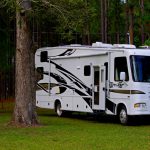
The Newmar Dutch Star Factor: The Merrills are driving a 43-foot Newmar Dutch Star. This is a beast. It’s a Class A diesel pusher known for its luxury and power. But can it handle the narrow, winding roads of the original Route 6?
- The Challenge: Some original sections in Arizona and New Mexico are barely wide enough for two cars, let alone a 43-foot rig.
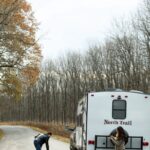
- The Solution: The Merrills use a spoter and stick to the “main” historic alignments where the road is paved and wide enough. They avoid the “ghost” alignments that are now dirt tracks or private property.
Can you take a 43-foot RV on the entire original Route 6? The answer is no. You will have to detour to the modern alignment in certain sections. But with a Class A, you get the comfort of a hotel on wheels.
Towing Considerations: Can Your RV Handle the Canyon Roads?
If you’re towing a car (dinghy) or a boat, think twice. The canyon roads in Arizona and New Mexico are steep and winding. A heavy tow vehicle can make the RV unstable.
- Recommendation: If you must tow, keep the tow vehicle light. Or, better yet, leave the tow at home and use a rental car for side trips.
Bondocking vs. Full Hookups: Where to Stay on Route 6
- Full Hookups: Essential for large rigs. Look for parks near Flagstaff, Albuquerque, and Springfield.
- Bondocking: Great for small rigs and those with solar. The Bureau of Land Management (BLM) lands in New Mexico and Arizona offer free camping, but be prepared for no water, no sewer, and no electricity.
🛣️ Navigating the Challenges: Road Conditions and Detours
Here’s where the rubber meets the road (literally). Route 6 is not a smooth highway. It’s a patchwork of original pavement, repaved sections, and dirt tracks.
Understanding the “Original” vs. “Modern” Route 6
- Original Route: The historic alignment. Often narrow, winding, and sometimes unpaved. It’s the “real” Route 6.
- Modern Route: The I-40, I-4, and other interstates. Fast, wide, and boring.
- The Hybrid Approach: Most RVers use a mix. You drive the modern route to get from town town, then detour to the original route for the “experience.”
Dealing with Low Bridges and Weight Restrictions
- Low Bridges: Some historic bridges have low clearance. Always check your RV height before entering a town.
- Weight Restrictions: Some bridges in rural areas have weight limits. A 43-foot Class A might be too heavy.
- Solution: Use a GPS designed for RVs (like RV Life or CoPilot RV) that accounts for height and weight restrictions.
Cell Service and Navigation Apps for Remote Stretch
- Cell Service: In New Mexico and Arizona, cell service can be non-existent for hours.
- Navigation Apps:
Google Maps: Good for general routing, but will send you to the interstate.
Roadtrippers: Excellent for finding attractions and campgrounds.
Route 6 GPS: Specifically designed for the historic route.
Offline Maps: Download offline maps before you leave. You don’t want to be stranded without a map.
What happens if you get stuck on a narrow section? We’ll cover emergency preparedness and what to do if you find yourself in a tight spot in the “Maintenance and Safety Tips” section.
🏛️ Must-See Attractions and Hidden Gems by State
This is the meat of the trip. Here are the must-see spots and the hidden gems you might miss if you’re not paying attention.
Illinois: The Birthplace of the Mother Road
- Springfield: The “crown jewel” of Route 6. Visit the Twin Drive-In, the Lauterbach Giant statue, and the Cozy Dog Drive In (birthplace of the corn dog).
- St. Louis: The Gateway Arch is a must, but don’t miss the Anheuser-Busch Brewery tour.
- Hidden Gem: The Pink Elephant Antique Mall in Livingston. It’s a sprawling collection of vintage goods and Americana, presided over by a giant pink elephant.
Missouri: Ozark Mountains and Vintage Diners
- St. Louis: The Gateway Arch is iconic, but the Route 6 Museum in nearby St. Charles is a hidden gem.
- Cuba: A small town that “doesn’t just sit on Route 6, it actually cares about it.” Check out the Route 6 Art Walk.
- Galena: The Cars on the Route attraction is a pilgrimage spot for fans of the Pixar movie.
Oklahoma: The Heart of the Route
- Tulsa: The Cyrus Avery Centennial Plaza features a massive bronze sculpture. Drive over the musical road that hums “This Land Is Your Land.”
- Oklahoma City: The National Cowboy & Western Heritage Museum is world-class.
- Hidden Gem: Pop’s Soda Ranch in Arcadia. They have bizarre soda flavors you won’t find anywhere else.
Texas: The Panhandle and Palo Duro Canyon
- Amarillo: Cadillac Ranch is a must. Spray paint a car! It’s “the most fun 20 minutes on the entire route.”
- Hidden Gem: The Big Texan Steak Ranch. Try the 72-ounce steak challenge (or just watch someone else do it).
New Mexico: Ghost Towns and Native Culture
- Santa Fe: A cultural hub with amazing art and food.
- Albuquerque: The Old Town is a great place to explore.
- Hidden Gem: Amboy, California (wait, that’s CA! Let’s fix that). In New Mexico, check out Gallup for its Native American culture and the Indian Art Market.
Arizona: The Painted Desert and Wigwam Motels
- Flagstaff: A great base camp. Visit the Lowes (no, just kidding). Visit the Meteor Crater.
- Williams: The last town on Route 6 to be bypassed by the I-40.
- Hidden Gem: The Wigwam Motel in Holbrook. Stay in a concrete teepee!
California: The Grand Finale at Santa Monica
- Santa Monica: The End of the Trail. Take a photo at the pier.
- San Bernardino: Another Wigwam Motel location.
- Hidden Gem: Elmer Long’s Bottle Ranch in Oro Grande. It’s a surreal collection of bottles and art.
Can you really stay in a Wigwam with a 43-foot RV? We’ll answer this in the “Historic Lodging” section.
🎉 Route 6 Centennial Events, Caravans, and Festivals
The centennial isn’t just about driving; it’s about celebrating. There are events, caravans, and festivals all along the route.
Official Centennial Celebration Calendar
The Route 6 Centennial Commission has a calendar of events. From parades to concerts, there’s something for everyone.
- Membership: Join the “Birthday Party Club” for exclusive access to events and news.
- Events: Look for the Harley-Davidson H.O.G. Ride 365 events, which include five dedicated Route 6 rides in 2026.
Joing the Apple Valley Travel Pros and Other RV Caravans
The Apple Valley caravan, led by Kevin and Lisa Merrill, is a highlight of the centennial.
- The Caravan: 13 rigs, 24 travelers, and four dachshunds (the “Wenie Herd”).
- How to Join: Follow the “Rolling Merrilly Along” Facebook page for updates.
- Why Join? It’s a great way to meet fellow enthusiasts, share resources, and have a spoter for narrow roads.
Local Festivals and Parades to Attend Along the Way
- Springfield, IL: Route 6 Festival.
- Tulsa, OK: Route 6 Festival.
- Amarillo, TX: Cadillac Ranch Festival.
- Santa Monica, CA: End of the Trail Festival.
🍔 Culinary Stops: Classic Diners and Roadside Eats
Route 6 is a foodie’s paradise. From corn dogs to onion burgers, the food is as iconic as the road.
- Cozy Dog Drive In (Springfield, IL): The birthplace of the corn dog.
- Sid’s Diner (El Reno, OK): Famous for the onion burger.
- Big Texan Steak Ranch (Amarillo, TX): The 72-ounce steak challenge.
- Hidden Gem: Pop’s Soda Ranch (Arcadia, OK) for bizarre soda flavors.
What’s the best food stop on Route 6? We’ll let you decide, but we highly recommend the onion burger in El Reno.
🏨 Historic Lodging: Wigwam Motels and Vintage Stays
Staying in a historic motel is a must. But can you do it with an RV?
- Wigwam Motels: Located in Holbrook, AZ, San Bernardino, CA, and Rialto, CA.
RV Access: Some have limited RV space. Check ahead.
Experience: Stay in a concrete teepee. It’s a unique experience. - Vintage Motels: Many historic motels have been restored. Check for RV parking and hookups.
- Bondocking: If you can’t find a spot, look for BLM land nearby.
Can you really stay in a Wigwam with a 43-foot RV? The answer is it depends. Some locations have space for large rigs, but others are tight. Call ahead to confirm.
🛠️ Maintenance and Safety Tips for the Long Haul
A 2,50-mile trip is tough on any vehicle. Here’s how to keep your rig running.
- Pre-Trip Inspection: Check tires, brakes, fluids, and belts.
- Emergency Kit: Carry a spare tire, jack, tools, and first aid kit.
- Roadside Assistance: Get a good roadside assistance plan (like Good Sam or AAA).
- Navigation: Use offline maps and a GPS designed for RVs.
- Safety: Be aware of low bridges and weight restrictions.
What if you get stuck on a narrow section? Have a spoter and know how to reverse safely. If you’re in a tight spot, don’t panic. Call for help if needed.
📸 Capturing the Journey: Photography and Social Media Tips
Route 6 is a photographer’s dream. From roadside giants to ghost towns, there’s no shortage of photo ops.
- Best Spots: Cadillac Ranch, Blue Whale of Catosa, Wigwam Motels.
- Tips: Use a wide-angle lens for landscapes. Get up close for details.
- Social Media: Tag your posts with #Route6Centennial to connect with others.
What’s the best photo op on Route 6? We think it’s the Blue Whale of Catosa. It’s quirky, iconic, and perfect for a group photo.
Conclusion: Your Centennial Adventure Awaits

So, there you have it. The Route 6 Centennial RV road trip is more than just a drive; it’s a journey through American history, culture, and adventure. Whether you’re driving a 43-foot Newmar Dutch Star or a cozy Class C, the road is waiting for you.
Key Takeaways:
- Plan Ahead: The road is narrow, and crowds are coming.
- Choose the Right Rig: A Class A is luxurious, but a Class C is more agile.
- Embrace the Detours: The best memories are made off the beaten path.
- Join the Community: Connect with other travelers and share the experience.
Final Recommendation: If you’re serious about this trip, join the Apple Valley caravan or plan your own with the same level of detail. The smiles per gallon are worth every mile.
Ready to hit the road? The Mother Road is calling. Will you answer?
🔗 Recommended Links and Resources
Essential Gear and RVs
- Newmar Motorhomes: Newmar Official Website
- RVShare: Search for RVs on RVShare
- Outdoorsy: Rent an RV on Outdoorsy
- Camping World: Shop RVs and Gear at Camping World
Books and Guides
- Route 6: The Mother Road: Buy on Amazon
- America 250 Book: Buy on Shopify Store
Apps and Tools
- Roadtrippers: Download Roadtrippers
- Route 6 GPS: Download Route 6 GPS
🤔 Frequently Asked Questions (FAQ)

What is the best RV size for a Route 6 centennial road trip?
The best size depends on your comfort level and the routes you plan to take. A Class C (25-30 feet) is ideal for maneuverability on narrow historic sections. A Class A (35-45 feet) offers luxury but requires careful planning to avoid tight spots. The Merrills successfully used a 43-foot Newmar Dutch Star, but they avoided the most restrictive original alignments.
Are there RV parks along the entire Route 6 centennial route?
Yes, but not on the original road. Most full-hookup parks are located near the interstates (I-40, I-4) and require a short detour. Historic motels may have limited RV space. Bondocking is an option in New Mexico and Arizona, but be prepared for no services.
What are the top Route 6 centennial RV camping reservations?
- Wigwam Motels: Book well in advance.
- Springfield, IL: Look for parks near the historic sites.
- Tulsa, OK: The Route 6 State Park has great facilities.
- Flagstaff, AZ: Several full-hookup parks near the historic route.
How much does a Route 6 centennial RV trip cost?
Costs vary widely. The Merrills estimated $16,0 for a 5-day trip with 17 stops. For a longer, more leisurely trip, expect to spend $20,0+. Factors include fuel, campgrounds, food, and attractions.
What are the best RV routes to avoid on Route 6?
Avoid the narrow, unpaved sections of the original road if you have a large RV. Stick to the main historic alignments that are paved and wide enough for large rigs. Use a GPS designed for RVs to avoid low bridges and weight restrictions.
Read more about “🗺️ 15 Best RV Destinations for Travelers (2026)”
Can you drive a large RV on the old Route 6 sections?
Yes, but with caution. A 43-foot Class A can handle most of the main historic alignments, but you’ll need to detour around the narrowest sections. Always check your height and weight before entering a town.
What RV accessories are essential for a Route 6 centennial trip?
- High-quality tires
- Solar setup
- Offline maps
- Emergency kit
- Roadside assistance
- Spoter for narrow roads
📚 Reference Links and Historical Sources
- Route 6 Centennial Commission: Official Website
- National Park Service: Route 6 Resources
- National Trust for Historic Preservation: Route 6 Preservation
- Apple Valley Caravan: Route 6 Centennial RV caravan led by Apple Valley travel pros
- Harley-Davidson H.O.G.: Route 6 Rides