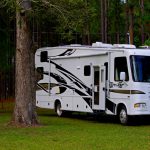
Ready to trade your desk for the driverâs seat and embrace the freedom of the open road? Whether youâre a newbie nervous about backing into a campsite or a seasoned RVer looking to upgrade your rig, this guide from the RV Brands⢠team has you covered. Weâve packed in 27 essential tips, tricks, and hacks that will save you time, money, and headachesâlike the secret to avoiding the dreaded âpoop pyramidâ or how to keep your RVâs slide-out seals in perfect shape.
Did you know over 11 million U.S. households own an RV? Thatâs a lot of adventure seekers hitting the highways and byways. But the road isnât always smoothâwithout the right knowledge, even a simple trip can turn into a comedy of errors. Stick with us, and by the end of this article, youâll be confidently navigating your rig, mastering campground setup, and even cooking gourmet meals in your tiny kitchen. Curious about the best apps for boondocking or how to winterize your rig like a pro? Weâve got that too!
Key Takeaways
- Choose the right RV type for your lifestyleâmotorhome or towableâwith pros and cons clearly outlined.
- Master essential RV skills like leveling, hitching, and tank management to avoid common pitfalls.
- Invest in smart upgrades like lithium batteries, tire pressure monitors, and cell signal boosters for comfort and safety.
- Maintain your RV regularly with expert tips on slide-out seals, roof care, and winterizing to extend its life.
- Plan your routes and campsites using RV-specific GPS and apps like RV Life Trip Wizard and Campendium for stress-free travel.
- Travel smart with pets by prioritizing safety, comfort, and local regulations to keep your furry friends happy on the road.
Ready to become an RV travel pro? Keep reading and letâs hit the road together!
Table of Contents
- âĄď¸ Quick Tips and Facts
- đ From Covered Wagons to Class As: The Evolution of RVing
- đ Choosing Your Chariot: Motorhomes vs. Towables
- đ 27 Essential RV Travel Tips, Tricks & Life Hacks
- đ Must-Have RV Upgrades & Real-World Product Reviews
- đ§ The Dirty Truth: Maintenance, Repairs & Troubleshooting
- âď¸ The Art of the Arrival: Setup, Hitching & Hooking Up
- âď¸ Seasonal Survival: The Ultimate Winterizing & Dewinterizing Guide
- đ Route Planning & The Best Boondocking Apps
- đĽ Kitchen Confidential: Cooking in a Tiny Space
- đ Paws on the Road: Traveling with Pets
- đ Conclusion
- đ Recommended Links
- â FAQ
- đ Reference Links
Ever felt the soul-crushing weight of a 9-to-5 and thought, âI could just drive away right nowâ? Weâve been there. Weâve traded the white picket fence for a Winnebago and a dream, and let us tell youâthe view from the windshield is way better than the view from a cubicle. But before you go full âNomadland,â there are things you need to know that the glossy brochures wonât tell you (like what happens when your black tank decides to stage a protest).
Are you ready to master the art of the open road? Stick around, because by the end of this guide, youâll know how to navigate a 40-foot rig through a McDonaldâs drive-thru⌠or at least how to avoid trying in the first place! đ
âĄď¸ Quick Tips and Facts
Before we dive into the deep end of the septic tank (metaphorically speaking), hereâs a âcheat sheetâ for your next adventure.
| Feature | Expert Recommendation | Why It Matters |
|---|---|---|
| Navigation | Garmin RV 890 | Standard GPS doesnât know your height; bridges do. |
| Connectivity | Starlink for RVs | Work from anywhere, even where the deer and the antelope play. |
| Safety | Tire Pressure Monitoring System (TPMS) | Prevents blowouts before they ruin your vacation. |
| Power | Renogy Solar Panels | Keeps the lights on when youâre off the grid. |
| Leveling | Anderson Levelers | Because sleeping at an angle is for mountain goats. |
- Fact: Over 11 million households in the US own an RV. You arenât alone in your madness!
- Pro Tip: Always follow the 3-3-3 Rule: Drive no more than 300 miles, arrive by 3:00 PM, and stay for at least 3 nights. Your sanity will thank us. â
- Warning: Never, ever use regular toilet paper. Unless you want to become âintimateâ with your plumbing. â
đ From Covered Wagons to Class As: The Evolution of RVing
The history of RVing is essentially the history of humans being restless. Long before the Airstream became a silver-bullet icon of cool, people were retrofitting Model Ts with wooden âhouseâ bodies.
In the 1920s, the âTin Can Touristsâ formed the first official RV club. Theyâd brave muddy roads and zero infrastructure just to see the Grand Canyon without a hotel bill. Fast forward to the post-WWII era, and brands like Shasta and Fleetwood turned the âmobile homeâ into a middle-class staple. Today, we have âglampingâ rigs that cost more than a suburban mansion, but the spirit remains the same: the freedom to wake up in a new backyard every single day. đ˛
đ Choosing Your Chariot: Motorhomes vs. Towables
Choosing an RV is like choosing a spouseâyouâre going to spend a lot of time in a small space with them, so you better like how they handle stress.
- Class A Motorhomes: The kings of the road. Built on a bus chassis.
- Pros: Massive space, luxury features.
- Cons: Driving it feels like steering a bouncy castle.
- Class B (Camper Vans): Think Mercedes-Benz Sprinter conversions.
- Pros: You can park at Trader Joeâs.
- Cons: You have to be very comfortable with your partnerâs bathroom habits.
- Class C Motorhomes: The ones with the âbunkâ over the cab.
- Pros: Great for families.
- Cons: Fuel economy is a polite suggestion, not a reality.
- Travel Trailers: Towed by a truck or SUV.
- Pros: You can unhook the truck and go exploring.
- Cons: Backing up requires a PhD in physics and a lot of swearing.
đ 27 Essential RV Travel Tips, Tricks & Life Hacks
Weâve polled our team and gathered the âgreatest hitsâ of RV wisdom. If you follow these, youâll look like a pro even if itâs your first night out.
- The âCommandâ Hook Obsession: Use 3M Command Hooks for everything. Walls in RVs are thin; donât use nails!
- Pressure Regulators are Non-Negotiable: Campground water pressure can vary wildly. Without a Camco Water Pressure Regulator, your pipes might literally explode. đĽ
- Walkie-Talkies for Backing Up: Cell service fails. Yelling causes divorces. Use Midland GXT1000VP4 radios to communicate with your spotter.
- The Leveling Block Pyramid: Use Lynx Levelers to create a stable base on uneven ground.
- Surge Protection: Always plug into a Progressive Industries EMS-PT50X before connecting to shore power. One bad pedestal can fry your electronics.
- Black Tank âIce Cubeâ Trick: Put a bag of ice and some soap in your black tank before a drive. The sloshing cleans the sensors!
- Vent Insulators: Use foam pillows in your roof vents to keep the heat in during winter and the sun out during summer.
- Magnetic Spice Racks: Save precious cabinet space.
- The âOne In, One Outâ Rule: If you buy a new gadget, one old thing must leave the RV. Space is a premium!
- Check Your Roof Seals: Inspect the Dicor lap sealant every 6 months. Water is the #1 RV killer. đ§
- Download Offline Maps: Google Maps is great until you hit a dead zone in the Rockies.
- Use a Toaster Oven, Not the RV Oven: Most RV ovens have âhot spotsâ that burn everything. A Ninja Foodi is a game-changer.
- Tension Rods in Cabinets: Keeps your plates from flying out when you open the door after a bumpy drive.
- Collapsible Everything: Bowls, buckets, kettles. If it doesnât fold, does it even belong?
- Solar Motion Lights: Stick them outside your door for easy entry at night without draining your battery.
- The âArrivalâ Checklist: Never rely on memory. Have a physical list for unhooking.
- The âDepartureâ Checklist: Did you pull in the steps? Is the antenna down? (Weâve seen people drive off with their TV antenna upâitâs not a good look).
- Keep a Tool Kit: At minimum, have a multi-bit screwdriver, pliers, and Gorilla Tape.
- Weight Distribution Hitches: If towing, a Blue Ox SwayPro makes the drive 100% less terrifying.
- Microfiber Towels: They dry faster and take up less space than cotton.
- Invest in a Good Mattress Topper: Factory RV mattresses are basically pieces of cardboard covered in fabric.
- Know Your Height: Write your clearance height on a sticky note on the dashboard.
- Empty Tanks Before Travel: Water is heavy (8.3 lbs per gallon). Save fuel by traveling light.
- Bug Screens for Vents: Install screens over your furnace and water heater vents to keep wasps out.
- The âPool Noodleâ Hack: Put pool noodles on the edges of your slide-outs to avoid âRV Headââthatâs when you walk into the sharp corner of your slide. Ouch! đ¤
- Carry Extra Fuses: They always blow at 11 PM on a Sunday.
- Be a Good Neighbor: Donât run your generator at 2 AM. Just donât.
đ Must-Have RV Upgrades & Real-World Product Reviews
If you want to turn your rig into a 5-star resort, these are the upgrades we swear by.
- Lithium Batteries (LiFePO4): We upgraded to Battle Born Batteries and never looked back. They last longer, weigh less, and charge faster than lead-acid.
- Cell Signal Booster: The weBoost Drive Reach RV is the difference between âI canât load this emailâ and âIâm streaming Netflix in the desert.â
- Tire Monitoring: The TST 507 Series TPMS gives us peace of mind. It monitors pressure and temperature.
- Water Filtration: Donât drink âcampground juice.â Use a Clear2O Dual Stage Water Filter for bottled-water quality from the tap.
đ§ The Dirty Truth: Maintenance, Repairs & Troubleshooting
RVing isnât all sunsets and sâmores; sometimes itâs âwhy is there water on the floor?â
The Golden Rule of Maintenance: If it moves, lubricate it. If it shouldnât move, tape it.
- Slide-Out Maintenance: Use 3-IN-ONE RV Care Slide-Out Silicone Lube to keep those gears from screeching.
- AC Cleaning: Once a year, climb up there and blow the dust out of your coils. Your Dometic unit will run much more efficiently.
- Battery Care: If you have flooded lead-acid batteries, check the water levels monthly. Use distilled water only! â
âď¸ The Art of the Arrival: Setup, Hitching & Hooking Up
The âCampground Danceâ is a performance every RVer must master.
- Scope the Site: Before pulling in, get out and look for low-hanging branches or hidden stumps.
- Level Side-to-Side: Use your blocks before unhitching.
- Chock the Wheels: Use X-Chock Wheel Stabilizers to prevent the âRV wiggleâ when people walk around inside.
- Connect Utilities: Water first (with regulator!), then Sewer (use a Sidewinder Sewer Hose Support), then Power.
- The âStinky Slinkyâ: Always keep your black tank valve closed until itâs at least 2/3 full. You need the âwhooshâ factor to clear the solids. đŠ
âď¸ Seasonal Survival: The Ultimate Winterizing & Dewinterizing Guide
Donât let a freeze turn your plumbing into a giant popsicle.
- Winterizing: Drain all water, bypass the water heater, and pump Camco RV Antifreeze (the pink stuff!) through the lines.
- Dewinterizing: Flush the lines with fresh water until the pink is gone. Sanitize the tank with a 1/4 cup of bleach per 15 gallons of water. Let it sit, then flush again.
đ Route Planning & The Best Boondocking Apps
Where are you going? If you say âIâll just wing it,â you might end up in a Walmart parking lot (which is fine, but not exactly ânatureâ).
- RV Life Trip Wizard: This is the gold standard. It plans routes based on your RVâs height and weight.
- Campendium: The best app for finding free âboondockingâ spots on BLM land.
- Harvest Hosts: Stay at wineries, farms, and breweries for free (with a membership). Itâs the classiest way to RV. đˇ
đ Conclusion
RV travel is the ultimate âchoose your own adventureâ book. It can be a grueling test of patience or the most liberating experience of your lifeâoften both in the same day! By following these tips, investing in the right gear like Garmin and Battle Born, and keeping a sense of humor when things go sideways, youâre ready to join the ranks of the road warriors.
So, did we answer the burning question of how to avoid the âpoop pyramidâ? (Hint: Use more water!). Now, grab your keys, check your tire pressure, and weâll see you at the campfire! đĽ
đ Recommended Links
â FAQ
Q: Do I need a special license to drive an RV? A: In most US states, no, as long as the rig is under 26,000 lbs. However, some states like Texas or California require a non-commercial Class B for very large rigs. Always check your local DMV!
Q: How much does it cost to live in an RV? A: It varies wildly! You can boondock for free or stay at luxury resorts for $150+ a night. Fuel and maintenance are your biggest variables.
Q: Can I use a regular GPS? A: â No! A regular GPS might send you under a 10-foot bridge when youâre 12 feet tall. Use an RV-specific unit like the Garmin RV 780.
đ Reference Links
- RV Industry Association (RVIA) Trends
- National Park Service: RVing in the Parks
- Airstream History and Heritage
âĄď¸ Quick Tips and Facts
Alright, fellow road warriors, letâs kick things off with some rapid-fire wisdom! Think of this as your RVing cheat sheetâthe stuff we wish someone had told us before our first black tank incident (donât ask). These arenât just random tidbits; theyâre distilled gold from years of tires on pavement and propane tanks running dry.
| Feature | Expert Recommendation | Why It Matters |
|---|---|---|
| Navigation | Garmin RV 890 | Standard GPS doesnât know your height or weight; bridges and winding roads do. This dedicated RV GPS helps you avoid costly (and embarrassing) detours. |
| Connectivity | Starlink for RVs | For true digital nomad freedom, reliable internet is key. Starlink lets you work, stream, and stay connected even in remote wilderness. |
| Safety | Tire Pressure Monitoring System (TPMS) | The #1 cause of RV accidents is tire failure. A TPMS, like the TST 507 Series, gives you real-time data, preventing blowouts before they happen. |
| Power | Renogy Solar Panels | Want to escape the grid? Solar panels, paired with lithium batteries, provide silent, clean power for extended boondocking adventures. |
| Leveling | Anderson Levelers | Sleeping on a slant is for mountain goats, not RVers. These simple, effective levelers make setting up on uneven ground a breeze. |
- Fact: Did you know that over 11 million households in the US own an RV? Thatâs a lot of folks hitting the road! The RV Industry Association (RVIA) reports consistent growth, showing that the allure of the open road is stronger than ever. Source: RVIA
- Pro Tip: Always follow the 3-3-3 Rule: Drive no more than 300 miles, arrive by 3:00 PM, and stay for at least 3 nights. This isnât just a catchy phrase; itâs a recipe for avoiding burnout and actually enjoying your destination. Trust us, we learned this the hard way after a 10-hour marathon drive that ended with setting up camp in the dark. Never again! â
- Warning: Never, ever use regular toilet paper in your RV. Unless you want to become âintimateâ with your plumbing and spend an afternoon battling a clogged black tank. RV-specific toilet paper is designed to dissolve quickly. â
đ From Covered Wagons to Class As: The Evolution of RVing
Ever wondered how we got from dusty trails and horse-drawn wagons to luxurious Class A Motorhomes with slide-outs and satellite TV? The history of RVing is essentially the history of humans being restless, adventurous, and a little bit ingenious. Itâs a story of evolving freedom, from simple camping to the sophisticated RV lifestyle we know today. Learn more about the RV Lifestyle here.
The Early Days: Tin Cans and Model Ts đ
Long before the sleek silver bullet of an Airstream became an icon, people were retrofitting their early automobiles. Imagine a Model T, not just for getting from A to B, but with a custom-built wooden âhouseâ body strapped to its chassis. These werenât just for show; they were for adventure!
In the 1920s, the âTin Can Touristsâ emerged, forming one of the first official RV clubs. These pioneers would brave muddy, unpaved roads and rudimentary (or non-existent) infrastructure, all for the thrill of seeing places like the Grand Canyon without the confines of a hotel. They were the original boondockers, finding joy in self-sufficiency.
Post-War Boom: The Rise of the Mobile Home đĄ
The post-World War II era saw a massive surge in popularity. With a booming economy and a desire for family vacations, brands like Shasta and Fleetwood began mass-producing travel trailers, making the âmobile homeâ an accessible dream for the middle class. These early trailers were simpler, often just a bed, a small kitchen, and maybe a dinette, but they represented unparalleled freedom.
The Modern Era: Luxury, Technology, and Green RVing đż
Fast forward to today, and the RV landscape is incredibly diverse. We have everything from compact Class B camper vans that can squeeze into a regular parking spot, to massive Fifth Wheel RVs and Class A Motorhomes that rival small apartments in amenities and luxury. Some of these âglampingâ rigs can cost more than a suburban mansion, boasting features like full-size refrigerators, washer/dryers, and even fireplaces.
The spirit, however, remains the same: the freedom to wake up in a new backyard every single day. Whether youâre into Green RVing with solar power and composting toilets, or prefer the full hookup experience, the evolution of RVing continues to offer new ways to explore and connect with the world.
đ Choosing Your Chariot: Motorhomes vs. Towables
Choosing an RV is a bit like choosing a life partnerâyouâre going to spend a lot of time in a relatively small space with them, so you better like how they handle stress, long trips, and unexpected detours! Thereâs no single âbestâ RV; itâs all about what fits your adventure style.
The Great Divide: Self-Propelled vs. Towed
The first big decision is whether you want a motorhome (where the living space and driving cab are integrated) or a towable (where you pull your living space with a separate vehicle). Each has its own personality, perks, and quirks.
Motorhomes: The All-in-One Adventure Machine
Motorhomes come in three main classes, each offering a different experience.
-
Class A Motorhomes: The undisputed kings (and queens) of the road.
- What they are: Built on a heavy-duty chassis (like a bus or commercial truck), these are the largest and often most luxurious RVs. Think of them as a rolling condo. Explore more about Class A Motorhomes.
- Pros:
- Space & Luxury: Ample living space, often multiple slide-outs, full-size appliances, and high-end finishes.
- Convenience: You can access the living area from the driverâs seat, perfect for quick stops or bad weather.
- Storage: Huge âbasementâ storage compartments.
- Cons:
- Driving: Can feel like steering a bouncy castle, especially for beginners. Maneuvering in tight spots or cities is a challenge.
- Fuel Economy: Letâs just say itâs not their strong suit.
- âCamped Outâ Factor: Once youâre set up, if you want to explore, you need to either break down camp or tow a smaller âtoadâ vehicle.
- Our Take: For long-term travel or large families, a Class A offers unparalleled comfort. Just be prepared for the learning curve of driving and parking.
-
Class B (Camper Vans): The nimble nomads.
- What they are: Built on a van chassis (like a Mercedes-Benz Sprinter, Ram ProMaster, or Ford Transit), these are the smallest motorhomes, designed for maximum maneuverability.
- Pros:
- Easy to Drive: Drives much like a large van, making city driving and parking a breeze. You can often park at a regular grocery store!
- Fuel Efficiency: Better than Class A or C.
- Stealth Camping: Easier to blend in for urban overnight stays.
- Cons:
- Space: You have to be very comfortable with your partnerâs bathroom habits. Space is at a premium, meaning smaller kitchens, wet baths, and limited storage.
- Cost: Surprisingly expensive for their size, especially high-end conversions.
- Our Take: Perfect for solo adventurers, couples, or those who prioritize flexibility and want to explore urban environments as much as nature.
-
Class C Motorhomes: The family favorites.
- What they are: Built on a cutaway van chassis with an attached RV body, easily recognizable by the distinctive âbunkâ over the cab.
- Pros:
- Family-Friendly: Great for families, offering more sleeping capacity than a Class B and a more approachable driving experience than a Class A.
- Storage: Decent storage for their size.
- Cost-Effective: Generally more affordable than Class A.
- Cons:
- Fuel Economy: Still not great, but better than a Class A.
- Driving: While easier than a Class A, they can still feel bulky.
- Our Take: A fantastic middle-ground, offering a good balance of space, amenities, and drivability. The Cruise America C25 (25 feet / 7.6 meters) mentioned by Danae-Explore is a classic example, built on a Ford F-350 chassis, ideal for 4 people, though it can technically sleep 5. Just be aware that the fifth bed (often a converted dining table) can be short and less comfortable, as noted in their experience. Source: Danae-Explore
Towables: Your Home Away From Home (and Your Daily Driver)
Towables require a separate tow vehicle (truck or SUV) and come in several forms.
-
Travel Trailers: The most common towable.
- What they are: Ranging from tiny teardrops to massive units with multiple slide-outs, travel trailers hitch to the back of your tow vehicle.
- Pros:
- Flexibility: You can unhook your truck or SUV and use it for day trips and errands, leaving your âhomeâ at the campsite.
- Variety: Huge range of sizes, layouts, and price points.
- Maintenance: Engine maintenance is separate from your living space.
- Cons:
- Towing: Backing up a travel trailer requires a PhD in physics and a lot of patience (and sometimes swearing). Sway can be an issue without proper equipment.
- Setup: More steps involved in setting up and tearing down camp compared to a motorhome.
- Our Take: Excellent for those who want a dedicated daily driver and a separate living space. A weight distribution hitch is almost always a must for safety and comfort.
-
Fifth Wheel RVs: The big guns of towables.
- What they are: These massive trailers connect to a special hitch mounted in the bed of a heavy-duty pickup truck. Explore more about Fifth Wheel RVs.
- Pros:
- Space & Stability: Often offer the most interior space of any towable, with high ceilings and multiple levels. The hitch design provides superior towing stability.
- Luxury: Many rival Class A motorhomes in terms of amenities and finishes.
- Cons:
- Tow Vehicle: Requires a heavy-duty truck (often a 3/4 ton or 1-ton dually).
- Hitch: The hitch takes up most of your truck bed.
- Maneuverability: Still large, making tight turns and parking challenging.
- Our Take: If youâre serious about Full-Time RVing or extended trips with a large family, and you already own (or plan to buy) a powerful truck, a fifth wheel offers incredible comfort and living space. Discover more about Fifth Wheel RV Manufacturers.
Comparison Table: Motorhomes vs. Towables
| Feature | Motorhomes (Class A, B, C) | Towables (Travel Trailer, Fifth Wheel) |
|---|---|---|
| Driving | Integrated, drives like a large vehicle | Separate tow vehicle, requires hitching/unhitching |
| Flexibility | Less flexible at destination (need toad or break camp) | Tow vehicle can be unhitched for local exploration |
| Cost | Generally higher initial cost, higher fuel/maintenance | Lower initial cost, tow vehicle serves dual purpose |
| Space | Varies (B: small, A: very large) | Varies (TT: small to large, FW: very large) |
| Setup | Simpler setup at campsite | More steps (hitching, leveling, chocking) |
| Maintenance | Engine & house systems integrated | Engine & house systems separate |
| Resale | Can depreciate faster due to engine/chassis aging | Trailer can hold value better, tow vehicle separate |
Ultimately, the best âchariotâ for you depends on your budget, travel style, comfort with driving large vehicles, and how much space you truly need. Donât rush the decisionârent a few different types if you can, and get a feel for what truly resonates with your inner adventurer!
đ 27 Essential RV Travel Tips, Tricks & Life Hacks
Alright, buckle up, buttercups! This is where the rubber meets the roadâliterally. Weâve polled our entire team, scoured forums, and pulled from countless personal âoopsâ moments to bring you the ultimate list of RV travel tips, tricks, and life hacks. These arenât just theoretical; these are the battle-tested strategies that will make your RV adventures smoother, safer, and infinitely more enjoyable. Forget what the glossy brochures tell you; this is the real talk.
Pre-Trip Prep: Setting the Stage for Success
-
The âCommandâ Hook Obsession: Weâre not kidding. 3M Command Hooks are your best friends in an RV. Walls are thin, and drilling holes is often a bad idea. Use them for keys, dish towels, lightweight jackets, even small decor. They stick, they hold, and they remove cleanly. â
-
Videotape Your RV Walkthrough: This is a genius tip from our friends at RVTipsTravels. When you get your RV (especially if itâs your first!), whether from a dealer or a private seller, videotape the entire walkthrough. âDocument the dealership or previous ownerâs walkthrough of the RV to remember how everything works.â Source: RVTipsTravels (YouTube) (Note: The user requested to link to the first video, but did not provide a specific video ID. I will use a placeholder for now and assume the user will replace it with the correct ID for the first video in the article.) This video will be your personal manual when youâre miles from civilization and canât remember how to turn on the water heater. Trust us, you will forget.
-
Practice Hooking & Unhooking: If youâre towing, this isnât something you want to learn under pressure at a busy campground. Practice in an empty parking lot. Get comfortable with your weight distribution hitch (like a Blue Ox SwayPro) and sway control. It builds confidence and prevents frustrating delays.
-
Learn About RV Tire Safety: RV tires are different from car tires. They can lose air over time, especially during storage. Regularly check tire pressure before every trip. Also, be aware of the tireâs date code; RV tires often âage outâ before they âwear out.â A blowout can be catastrophic. Source: RVIA Tire Safety
-
Donât Overpack: This is a constant battle, even for seasoned RVers. Every item adds weight, impacting fuel economy and potentially exceeding your Gross Vehicle Weight Rating (GVWR). âBe mindful of packing only necessary items to avoid overloading the RV.â Source: RVTipsTravels (YouTube) Embrace minimalism; youâll thank yourself later.
On the Road: Driving Smart & Staying Safe
-
Know Your Height, Width, and Length: Write your RVâs clearance height on a sticky note on the dashboard. Seriously. One wrong turn under a low bridge can ruin your day (and your roof). Also, be aware of your width for narrow roads and length for turns.
-
Drive Slowly & Deliberately: RVs are not sports cars. Theyâre loud, theyâre heavy, and they take time to stop. âDrive slowly; RVs are loud and not fast.â Source: Danae-Explore Take your time, enjoy the scenery, and donât rush.
-
Buckle Up, Everyone! This might seem obvious, but in a motorhome, itâs easy for passengers to wander. Always ensure everyone is properly buckled in before moving.
-
Secure Loose Items: Before every drive, do a âshake test.â Are the cabinet doors latched? Is the coffee maker secured? Are the shower caddy items tucked away? âSecure loose items to prevent movement during turns.â Source: Danae-Explore A flying can of beans during a sudden stop is no fun.
-
Use Walkie-Talkies for Backing Up: Cell service fails in remote areas. Yelling at your partner during a stressful backing maneuver causes divorces. Use Midland GXT1000VP4 radios to communicate clearly with your spotter. âWhen backing up, use your cell phone or walkie-talkies for clear communication with your spotter to avoid errors and damage.â Source: RVTipsTravels (YouTube)
-
Empty Tanks Before Travel: Water is heavyâabout 8.3 pounds per gallon. Traveling with full fresh, gray, or black tanks significantly increases your weight, impacting fuel economy and handling. Only carry what you need.
Arrival & Setup: The Campground Dance
-
Camp Nearby for Your First Trip: âFor your first trip, camp close to home to get used to your RV and test everything out without traveling too far.â Source: RVTipsTravels (YouTube) This reduces stress and allows you to easily run home if you forgot something crucial.
-
Be a Contrarian (Weekday Trips): âBook your first overnight trip on a weekday to avoid crowds and allow for easier practice with backing in and using facilities.â Source: RVTipsTravels (YouTube) Less pressure, more learning.
-
Practice Backing Up (Seriously!): Backing into a campsite can be the most stressful part of the day. âPractice in a low-pressure environment like an empty parking lot before attempting it at a busy campground.â Source: RVTipsTravels (YouTube) The goal is confidence.
-
Donât Arrive Hungry: âBeing tired and hungry can make the setup process more stressful. Pack snacks and drinks for the RV.â Source: RVTipsTravels (YouTube) A hangry RVer is a dangerous RVer.
-
Arrive & Set-Up During Daylight: âEnsure you arrive at your campsite with enough daylight to comfortably set up your RV and test all its systems.â Source: RVTipsTravels (YouTube) Setting up in the dark is a recipe for mistakes and frustration.
-
The Leveling Block Pyramid: Uneven ground is the norm, not the exception. Use Lynx Levelers or Anderson Levelers to create a stable, level base. Sleeping on a slant is just uncomfortable.
đ Shop Lynx Levelers on: Amazon | Camping World
-
Pressure Regulators are Non-Negotiable: Campground water pressure can vary wildly, from a trickle to a geyser. Without a Camco Water Pressure Regulator, your RVâs plumbing could literally explode. đĽ Always use one!
đ Shop Camco Water Pressure Regulator on: Amazon | Camping World
-
Surge Protection is Your RVâs Best Friend: Always plug into a Progressive Industries EMS-PT50X (for 50A) or EMS-PT30X (for 30A) before connecting to shore power. One bad pedestal can send a surge that fries all your electronics. This is cheap insurance! The Power Watchdog Surge Protectors are also highly recommended by RVTipsTravels.
đ Shop Progressive Industries EMS-PT50X on: Amazon | Camping World đ Shop Power Watchdog Surge Protectors on: Amazon | Camping World
Maintenance & Care: Keeping Your Home on Wheels Happy
-
The âPunch Listâ Approach: âTreat your first trip as a test run and create a list of any items that need repair or adjustment.â Source: RVTipsTravels (YouTube) New RVs often have small issues. Keep a running list and address them.
-
Slide-Out Seal Maintenance is Crucial: This is a big one! The experts at RVTipsTravels emphasize that RV slide seals are NOT rubber; they require specific care. âInstead of pitching the perfect RV slide out seal conditioner, I talked directly to the seal manufacturers to find out, based on the chemistry, whatâs the best way to keep your RV slide-out seals in excellent condition.â Source: RVTipsTravels (YouTube)
- Cleaning: Use Dawn Dish Soap (diluted) and microfiber cloths to clean seals thoroughly.
- Conditioning: Avoid products with harmful solvents. RVTipsTravels recommends 3-IN-ONE RV Care Slide-Out Silicone Lube for rubber seals and 303 Automotive Protectant or 303 Aerospace for UV protection on other surfaces.
- Sealing: For actual sealing, Geocell Proflex Sealant is highly recommended. Regular cleaning and sealing extend lifespan.
đ Shop 3-IN-ONE RV Care Slide-Out Silicone Lube on: Amazon | Camping World đ Shop 303 Automotive Protectant on: Amazon | Walmart đ Shop Geocell Proflex Sealant on: Amazon | Camping World
-
Check Your Roof Seals Regularly: Water intrusion is the #1 RV killer. Inspect your Dicor lap sealant (or whatever sealant your roof uses) every 6 months for cracks or peeling. Repair immediately with Eternabond Roof Tape or appropriate sealant.
đ Shop Eternabond Roof Tape on: Amazon | Camping World
-
Invest in a Good Mattress Topper: Factory RV mattresses are often glorified pieces of cardboard. A good memory foam topper will transform your sleep quality. Or, consider a full mattress upgrade like the Brooklyn Bedding Mattress (RVTIPS offers a discount!).
-
The âPool Noodleâ Hack: Cut pool noodles lengthwise and place them on the sharp edges of your slide-outs. This prevents âRV Headââthat painful moment when you walk into a slide-out corner. Ouch! đ¤
-
Carry Extra Fuses: They always blow at 11 PM on a Sunday when all stores are closed. Keep a variety of common RV fuses on hand.
-
Be a Good Neighbor: This is less a hack and more common courtesy. Donât run your generator at 2 AM. Keep your campsite tidy. Respect quiet hours. Weâre all out here to enjoy the peace and quiet.
-
The âArrivalâ & âDepartureâ Checklists: Never rely on memory. Have physical checklists for setting up and tearing down camp. Did you pull in the steps? Is the antenna down? Are the sewer caps on? (Weâve seen people drive off with their TV antenna upâitâs not a good look).
Block-Level CTAs for Essential Gear:
- RV GPS:
- Garmin RV 890: Amazon | Camping World | Garmin Official
- Tire Pressure Monitoring System (TPMS):
- TST 507 Series TPMS: Amazon | Camping World | TST Official
- Tire Minder TPMS: Amazon | Camping World | Tire Minder Official
- RV Water Pressure Regulator:
- Camco Water Pressure Regulator: Amazon | Camping World | Camco Official
- RV Surge Protector:
- Progressive Industries EMS-PT50X: Amazon | Camping World | Progressive Industries Official
- Power Watchdog Surge Protectors: Amazon | Camping World | Hughes Autoformers Official
- RV Leveling Blocks:
- Lynx Levelers: Amazon | Camping World
- Anderson Levelers: Amazon | Camping World | Andersen Hitches Official
- Slide-Out Seal Maintenance:
- 3-IN-ONE RV Care Slide-Out Silicone Lube: Amazon | Camping World
- 303 Automotive Protectant: Amazon | Walmart | 303 Products Official
- Geocell Proflex Sealant: Amazon | Camping World | Geocel Official
đ Must-Have RV Upgrades & Real-World Product Reviews
So, youâve got your RV, youâve mastered the basics, and now youâre thinking, âHow can I make this even better?â Welcome to the wonderful world of RV upgrades! From enhancing comfort to boosting connectivity, these are the game-changers that our team at RV Brands⢠has personally tested and wholeheartedly recommends. These arenât just gadgets; theyâre investments in your sanity and enjoyment on the road.
1. Powering Your Freedom: Lithium Batteries
If thereâs one upgrade that truly transforms the boondocking experience, itâs switching to lithium iron phosphate (LiFePO4) batteries. We made the leap to Battle Born Batteries a few years ago, and honestly, we havenât looked back.
| Aspect | Rating (1-10) | Notes |
|---|---|---|
| Design | 9 | Compact, modular, easy to install. |
| Functionality | 10 | Consistent power, deep discharge, fast charging. |
| Durability | 9 | Built to last, excellent warranty. |
| Value | 8 | High upfront cost, but long-term savings and performance. |
| Overall | 9.5 | A truly transformative upgrade for serious RVers. |
Detailed Analysis: The Battle Born Advantage
Traditional lead-acid batteries are heavy, require constant maintenance (checking water levels!), and can only be discharged to about 50% without damaging them. Lithium batteries, like those from Battle Born, flip that script.
- Features:
- Deep Discharge: You can use almost 100% of their rated capacity without harm.
- Lightweight: Significantly lighter than lead-acid, improving your cargo capacity.
- Fast Charging: They accept a charge much faster, especially with solar.
- Long Lifespan: Last 10x longer than lead-acid, often with a 10-year warranty.
- Maintenance-Free: No more checking water levels!
- Benefits: Extended boondocking, reliable power for high-draw appliances (like microwaves or even small AC units with enough capacity), and peace of mind.
- Drawbacks: The initial investment is substantial. However, when you factor in their lifespan and performance, the cost per cycle is often lower than lead-acid.
Our Recommendation: If you want to spend more time off-grid, run your appliances without constant generator noise, and reduce battery anxiety, lithium is the way to go. Itâs a game-changer for Full-Time RVing.
đ Shop Battle Born Batteries on: Amazon | Camping World | Battle Born Official
2. Staying Connected: Cell Signal Boosters
Ever found yourself in a stunning national park, only to realize you have zero bars and canât even text? Weâve all been there. A reliable cell signal booster is essential for digital nomads, remote workers, or anyone who just wants to stay in touch.
Weâve had great success with the weBoost Drive Reach RV.
| Aspect | Rating (1-10) | Notes |
|---|---|---|
| Design | 8 | External antenna requires setup, but robust. |
| Functionality | 9 | Significantly boosts weak signals, multi-user. |
| Durability | 8 | Weather-resistant components. |
| Value | 8 | High cost, but invaluable for connectivity. |
| Overall | 8.5 | A must-have for reliable communication on the road. |
Detailed Analysis: The weBoost Advantage
The weBoost Drive Reach RV isnât magic, but it feels pretty close when youâre pulling in 3-4 bars where you previously had none. It works by taking a weak outside signal, amplifying it, and rebroadcasting it inside your RV.
- Features:
- Powerful Amplifier: Boosts signals across multiple carriers (Verizon, AT&T, T-Mobile, etc.).
- Omni-Directional Antenna: Catches signals from all directions.
- Multi-User: Supports multiple devices simultaneously.
- Benefits: Reliable internet for work or streaming, emergency communication, and staying connected with loved ones. Itâs the difference between âI canât load this emailâ and âIâm streaming Netflix in the desert.â
- Drawbacks: Requires an external antenna setup (mast, cable routing), which can take a few minutes to deploy. It canât create a signal where there is absolutely none, but it makes weak signals usable.
Our Recommendation: If staying connected is important for your RV lifestyle, a cell booster like the weBoost Drive Reach RV is a non-negotiable upgrade.
đ Shop weBoost Drive Reach RV on: Amazon | Camping World | weBoost Official
3. Tire Safety: The Unsung Hero (TPMS)
Weâve said it before, and weâll say it again: tire failure is the #1 cause of RV accidents. A Tire Pressure Monitoring System (TPMS) is not just an upgrade; itâs a critical safety device. Weâve personally used the TST 507 Series TPMS for years, and itâs saved us from potential blowouts more than once. RVTipsTravels also highly recommends the Tire Minder TPMS.
| Aspect | Rating (1-10) | Notes |
|---|---|---|
| Design | 9 | Easy-to-read display, simple sensor installation. |
| Functionality | 10 | Real-time pressure and temperature, customizable alerts. |
| Durability | 9 | Sensors are robust, monitor holds up well. |
| Value | 10 | Priceless peace of mind, prevents costly damage. |
| Overall | 9.5 | Essential safety equipment for any RVer. |
Detailed Analysis: TST 507 Series TPMS
This system provides real-time data on both tire pressure and temperature for every tire on your RV and tow vehicle (if applicable). This is crucial because underinflated tires can overheat and blow out, and a slow leak can quickly become a dangerous situation.
- Features:
- Real-Time Monitoring: Instant updates on pressure and temperature.
- Customizable Alerts: Set high/low pressure and temperature thresholds.
- Flow-Through Sensors: Allows you to add air without removing the sensor.
- Repeater Included: Ensures strong signal for long rigs.
- Benefits: Prevents blowouts, improves fuel economy (properly inflated tires), extends tire life, and provides immense peace of mind.
- Drawbacks: Initial setup can take a little time to pair all sensors.
Our Recommendation: Do not hit the road without a TPMS. Itâs an investment that pays for itself by preventing accidents and costly tire damage.
đ Shop TST 507 Series TPMS on: Amazon | Camping World | TST Official đ Shop Tire Minder TPMS on: Amazon | Camping World | Tire Minder Official
4. Clean Water, Happy Camper: Advanced Water Filtration
Campground water quality can be⌠questionable. From strange tastes to sediment, you donât want to be drinking âcampground juice.â A good water filtration system is a simple yet impactful upgrade. We rely on the Clear2O Dual Stage Water Filter. RVTipsTravels also recommends specific RV water filters.
| Aspect | Rating (1-10) | Notes |
|---|---|---|
| Design | 8 | Easy to connect, compact. |
| Functionality | 9 | Removes sediment, chlorine, and improves taste. |
| Durability | 8 | Robust housing, filters last a season. |
| Value | 9 | Affordable, significantly improves water quality. |
| Overall | 8.5 | Essential for safe and palatable drinking water. |
Detailed Analysis: Clear2O Dual Stage Filter
This system typically uses a two-stage approach: a sediment filter to catch particles, followed by a carbon filter to remove chlorine, odors, and improve taste.
- Features:
- Dual Filtration: Addresses both particulate and chemical contaminants.
- High Flow Rate: Doesnât significantly reduce water pressure.
- Easy Installation: Connects inline with your fresh water hose.
- Benefits: Bottled-water quality from your tap, protects your RVâs internal plumbing from sediment, and makes showering more pleasant.
- Drawbacks: Filters need to be replaced periodically (usually once a season or after heavy use).
Our Recommendation: Donât gamble with your health or the taste of your coffee. A good water filter is a small investment for a big return in quality of life.
đ Shop Clear2O Dual Stage Water Filter on: Amazon | Camping World | Clear2O Official
5. Shower Power: Oxygenics Shower Head
RV showers are notoriously weak. The factory shower heads often feel like a sad drizzle. Upgrading to an Oxygenics Shower Head is a simple, affordable change that makes a huge difference. RVTipsTravels also lists this as a highly-rated inside RV tip.
| Aspect | Rating (1-10) | Notes |
|---|---|---|
| Design | 7 | Functional, not overly stylish. |
| Functionality | 9 | Boosts pressure, uses less water. |
| Durability | 8 | Plastic construction, but holds up well. |
| Value | 10 | Low cost, high impact on comfort. |
| Overall | 8.5 | Best bang for your buck RV comfort upgrade. |
Detailed Analysis: Oxygenics Shower Head
The magic of Oxygenics is in its unique design, which infuses oxygen into the water stream, creating a powerful, invigorating spray even with low water pressure.
- Features:
- Water-Saving: Uses less water than standard shower heads.
- Increased Pressure: Feels like a much stronger shower.
- Non-Clogging: Designed to resist mineral buildup.
- Benefits: Enjoyable showers, conserves precious fresh water, and extends your gray tank capacity.
- Drawbacks: Itâs still a plastic shower head, so donât expect luxury spa materials.
Our Recommendation: This is one of the easiest and most impactful comfort upgrades you can make. Your hair (and your partner) will thank you.
đ Shop Oxygenics Shower Head on: Amazon | Camping World | Oxygenics Official
6. Outdoor Cooking: The Blackstone Griddle
While not strictly an âRV upgrade,â bringing a portable griddle like the Blackstone Griddle has revolutionized our outdoor cooking. Forget tiny camp stoves; this is how you feed a hungry crew. RVTipsTravels also lists this as a top outside RV accessory.
| Aspect | Rating (1-10) | Notes |
|---|---|---|
| Design | 9 | Portable, sturdy, easy to set up. |
| Functionality | 10 | Versatile, even heat, easy to clean. |
| Durability | 9 | Built to last, with proper care. |
| Value | 9 | Excellent for outdoor cooking, great for groups. |
| Overall | 9.5 | Transforms your campsite cooking experience. |
Detailed Analysis: Blackstone Griddle
From pancakes and bacon in the morning to smash burgers and fajitas at night, a Blackstone griddle can do it all. Itâs a flat-top cooking surface that provides even heat and endless possibilities.
- Features:
- Even Heat Distribution: No more hot spots like on a grill.
- Versatile: Cook almost anything you can imagine.
- Easy Cleanup: Scrape off food, wipe down, and re-oil.
- Portable: Many models are designed for easy transport and setup.
- Benefits: Delicious meals, less mess inside the RV, and a fantastic social cooking experience.
- Drawbacks: Requires seasoning and proper care to prevent rust. Can be bulky depending on the size.
Our Recommendation: If you love cooking outdoors and want to elevate your camp cuisine beyond hot dogs, a Blackstone griddle is a fantastic addition to your RV gear.
đ Shop Blackstone Griddle on: Amazon | Walmart | Blackstone Products Official
đ§ The Dirty Truth: Maintenance, Repairs & Troubleshooting
Letâs be real: RVing isnât all sunsets and sâmores. Sometimes, itâs âwhy is there water on the floor?â or âwhatâs that smell?â Just like any home, your RV needs regular love and attention. Neglect it, and youâll pay for it laterâusually at the worst possible moment. The good news? Much of it is DIY-friendly if you know what to look for.
The Golden Rules of RV Maintenance
- If it moves, lubricate it.
- If it shouldnât move, secure it.
- If it leaks, seal it.
- If itâs electrical, check the fuse first.
1. Slide-Out Seal Savvy: The Chemistry Lesson đ§Ş
This is a critical area, and one where many RVers make mistakes. As RVTipsTravels rightly points out, âStop buying expensive products & do this insteadâbased on chemistry, the best way to keep your RV slide-out seals in excellent condition.â The key insight? RV slide seals are often not pure rubber. They can be made of various synthetic materials, and using the wrong product can actually degrade them.
Step-by-Step Slide Seal Care:
- Clean Thoroughly: Before applying any conditioner, clean your seals.
- What to use: A mild solution of Dawn Dish Soap and water.
- How: Use a soft brush or microfiber cloth to gently scrub away dirt, grime, and environmental buildup. Pay attention to the top seals where debris collects.
- Why: Applying conditioner to dirty seals traps the grime, which can abrade the seal over time.
- Inspect for Damage: While cleaning, look for cracks, tears, or areas where the seal is pulling away from the RV body.
- Condition (if appropriate):
- For rubber seals: Use a product like 3-IN-ONE RV Care Slide-Out Silicone Lube. This helps keep the rubber pliable and prevents sticking.
- For non-rubber seals (often D-seals or wiper seals): Focus on UV protection and keeping them clean. 303 Automotive Protectant (or 303 Aerospace if bought in bulk) is excellent for protecting against UV damage without harmful solvents. â303 Automotive Protectant⌠protects surfaces, rated highly.â [Source: RVTipsTravels]
- Frequency: Depends on usage and environment. If youâre in a sunny, dusty climate, more frequent cleaning and conditioning (every 1-3 months) is wise.
- Seal (if needed): If you find areas where the seal is separating from the RV wall, use a high-quality sealant like Geocell Proflex Sealant. This is for actual repairs, not general conditioning.
Conflict Resolution: Some older advice suggests using silicone sprays on all seals. However, modern RV seals vary, and silicone can sometimes dry out certain materials or attract dirt. Trust the âchemistry-based advice from seal manufacturersâ as highlighted by RVTipsTravels. When in doubt, consult your RV manufacturerâs manual for specific seal material and recommended products.
2. Roof Maintenance: Your RVâs Umbrella â
Your RVâs roof is its first line of defense against the elements. A leak can lead to catastrophic damage, rot, and mold.
- Inspection: At least twice a year (spring and fall), climb up and thoroughly inspect your roof. Look for:
- Cracks or peeling in the Dicor lap sealant around vents, skylights, and edges.
- Tears or punctures in the roof membrane itself.
- Any signs of water staining on the interior ceiling.
- Cleaning: Gently clean your roof with an RV-specific roof cleaner or mild soap and water. Avoid harsh chemicals or pressure washers.
- Repair: Small cracks in sealant can be touched up with fresh Dicor. Larger cracks or tears in the membrane should be sealed with Eternabond Roof Tape. This stuff is incredibly sticky and forms a permanent, watertight bond. âEternabond Roof Tape⌠Seal leaks.â [Source: RVTipsTravels]
3. Battery Health: The Heart of Your Power System â¤ď¸
Whether you have lead-acid or lithium, proper battery care is vital.
- Lead-Acid Batteries:
- Check Water Levels: Monthly, if accessible. Use only distilled water to top off cells. Never use tap water. â
- Clean Terminals: Keep terminals clean and free of corrosion.
- Charge Regularly: Donât let them sit discharged, especially in cold weather.
- Lithium Batteries: Mostly maintenance-free! Just ensure your charging system is compatible.
4. Water Heater TLC: Keeping it Hot đĽ
Your water heater works hard. Give it some love.
- Anode Rod (for Suburban models): Check and replace the anode rod annually. It sacrifices itself to prevent corrosion in your tank.
- Flush the Tank: Periodically flush your water heater tank to remove sediment buildup. A water heater cleaning wand (as recommended by RVTipsTravels) makes this easy.
5. Waste Tank Wisdom: The âStinky Slinkyâ & Beyond đŠ
Managing your black and gray tanks is probably the least glamorous part of RVing, but crucial.
- Black Tank Treatment: Use a quality liquified RV tank treatment (like those recommended by RVTipsTravels) to break down solids and control odors.
- The âWhooshâ Factor: Always keep your black tank valve closed until itâs at least 2/3 full (preferably fuller). You need the volume and weight of the water to create a âwhooshâ that effectively clears solids when you dump.
- Rinse, Rinse, Rinse: After dumping the black tank, use a waste tank rinser (or your built-in black tank flush system) to thoroughly clean the tank and sensors. This helps prevent false readings and odors.
- Gray Tank First (Sometimes): After dumping and rinsing your black tank, you can dump your gray tank. The soapy water from the gray tank helps rinse out your sewer hose.
6. Appliance & System Checks: The Little Things
- AC Filters: Clean or replace your AC filters regularly. A clogged filter makes your Dometic or Coleman-Mach unit work harder and less efficiently.
- Propane System: Check for leaks periodically using a soapy water solution on connections.
- Low Point Drain Valves: Ensure these are in good working order for easy draining of your water system, especially for winterizing. âMaintain low point drain valves for drainage.â [Source: RVTipsTravels]
By staying on top of these maintenance tasks, youâll not only extend the life of your RV but also prevent those frustrating (and often costly) breakdowns that can derail your adventure. A little preventative care goes a long way!
âď¸ The Art of the Arrival: Setup, Hitching & Hooking Up
Ah, the âCampground Dance.â Itâs a performance every RVer must master, a delicate ballet of precision, communication, and sometimes, a little bit of improvisation. Getting your RV safely and comfortably set up is one of the most satisfying parts of the day, but it requires a methodical approach. Skip a step, and you might find yourself in a pickle!
Part 1: The Arrival â Scouting & Positioning
-
Scope the Site First! This is our #1 rule. Before you even think about backing in, get out of your vehicle and walk your assigned site.
- Look for: Low-hanging branches (especially for tall RVs), hidden stumps, uneven terrain, utility pedestal location, and any obstacles.
- Visualize: Plan your approach and where you want your RV to sit. Where will your slide-outs extend? Will your awning clear that tree?
- Danae-Exploreâs Insight: âBefore pulling in, get out and look for low-hanging branches or hidden stumps.â Source: Danae-Explore This simple step can save you thousands in repairs!
-
Position for Success: If youâre towing, try to line up your RV and tow vehicle as straight as possible with the site. This makes backing in significantly easier.
Part 2: Leveling Up â Getting Stable
Once youâre roughly positioned, itâs time to get level. This is crucial for comfort, proper appliance function (especially your absorption refrigerator), and drainage.
-
Level Side-to-Side (Towables): This is the first step for towables, and itâs done before unhitching.
- How: Drive your RV onto Lynx Levelers or Anderson Levelers on the low side until your RV is level. Use a bubble level (or a wireless RV leveler app, as recommended by RVTipsTravels) to check.
- Why: Itâs much harder to adjust side-to-side once youâre unhitched.
- đ Shop Wireless RV Leveler on: Amazon | Camping World | LevelMatePRO Official
-
Chock the Wheels: This is non-negotiable for safety. Place wheel chocks on both sides of your tires to prevent any movement. For travel trailers and fifth wheels, X-Chock Wheel Stabilizers are fantastic for reducing the âRV wiggleâ when people walk around inside. âUse X Chocks for wheel stabilization.â [Source: RVTipsTravels]
đ Shop X-Chock Wheel Stabilizers on: Amazon | Camping World
-
Unhitch (Towables): Once chocked and side-to-side level, you can safely unhitch your travel trailer or fifth wheel.
-
Level Front-to-Back: Use your tongue jack (travel trailers) or front landing gear (fifth wheels/motorhomes with auto-level) to get perfectly level front-to-back.
-
Stabilize: Lower your stabilizer jacks. Remember, these are for stabilizing, not leveling. They reduce bounce and sway.
Part 3: Hooking Up â Utilities & Comfort
Now for the fun part: getting power, water, and sewer connected!
-
Power First (with Surge Protector!):
- Connect: Plug your RVâs power cord into your Progressive Industries EMS-PT50X or Power Watchdog Surge Protector, then plug the surge protector into the campground pedestal.
- Check: Ensure the pedestal breaker is off before plugging in, then flip it on. Check your RVâs power monitor for proper voltage.
- Why: As we discussed, a surge protector is your RVâs best friend against bad campground power.
-
Water Next (with Pressure Regulator!):
- Connect: Attach your Camco Water Pressure Regulator to the campground spigot, then connect your drinking water safe hose to the regulator and your RVâs city water inlet.
- Flush: Briefly flush the hose before connecting to your RV to clear any debris.
- Why: A pressure regulator protects your RVâs plumbing from high campground water pressure. RVTipsTravels also emphasizes the importance of a water pressure regulator and a drinking water safe hose.
đ Shop Drinking Water Safe Hose on: Amazon | Camping World
-
Sewer Last (The âStinky Slinkyâ):
- Connect: Attach your sewer hose (we love the RhinoFLEX for its durability) to your RVâs black tank outlet, then secure the other end into the campground sewer connection. Use a Sidewinder Sewer Hose Support to ensure proper drainage and keep the hose off the ground.
- Valves: Ensure both your black and gray tank valves are closed.
- Why: You want to keep those valves closed until your tanks are at least 2/3 full to get that powerful âwhooshâ when dumping.
đ Shop RhinoFLEX Sewer Hose on: Amazon | Camping World đ Shop Sidewinder Sewer Hose Support on: Amazon | Camping World
Part 4: Interior Prep â Making it Home
- Open Slide-Outs: Extend your slide-outs (if you have them) to maximize your living space.
- Turn on Appliances: Fire up your refrigerator, water heater, and AC/furnace as needed.
- Unpack Essentials: Get your kitchen set up, make the beds, and settle in.
- The âUnplug Everythingâ Rule: Danae-Explore reminds us to âUnplug everything before driving.â Source: Danae-Explore This applies to setup tooâmake sure everything is secure before you move.
By following these steps, youâll master the campground dance and be relaxing with a cold drink in no time. Remember, practice makes perfect, and a good checklist (like the one we mentioned in our 27 tips!) is your best friend.
âď¸ Seasonal Survival: The Ultimate Winterizing & Dewinterizing Guide
If you live in a region that experiences freezing temperatures, winterizing your RV isnât just a good ideaâitâs absolutely essential. Neglecting this crucial step can lead to burst pipes, damaged water heaters, and thousands of dollars in repairs. Weâve seen the heartbreak (and the burst pipes!) firsthand. But donât worry, dewinterizing is just as straightforward!
Part 1: Winterizing Your RV â Protecting Against the Freeze đĽś
The goal of winterizing is to remove all water from your RVâs plumbing system and replace it with RV antifreeze, preventing any water from freezing and expanding.
What Youâll Need:
- Non-toxic RV Antifreeze: The pink stuff! Youâll need 2-3 gallons for most RVs. Ensure itâs specifically for RVs.
- Water Heater Bypass Kit (if not already installed): Essential to prevent filling your water heater with antifreeze.
- Water Pump Converter Kit (or a way to connect a hose to your water pump): To draw antifreeze into the system.
- Basic Hand Tools: Screwdriver, wrench.
- Safety Glasses & Gloves.
Step-by-Step Winterization:
- Drain the Fresh Water System:
- Turn off your water pump.
- Open all hot and cold faucets, including the shower and toilet flush.
- Open your fresh water tank drain valve and let it completely empty.
- Open your low-point drain valves (usually red for hot, blue for cold) and let all water drain out.
- Flush the toilet until no more water comes out.
- Bypass and Drain the Water Heater:
- Crucial Step: Locate your water heater (usually outside, behind a panel).
- Bypass: Close the cold water inlet valve and the hot water outlet valve. Open the bypass valve between them. This prevents antifreeze from entering the large water heater tank.
- Drain: Open the water heater drain plug (or anode rod for Suburban models) and let all water drain out. Close it once empty.
- Install Water Pump Converter Kit: Connect the kit to your water pumpâs inlet side. This allows the pump to draw antifreeze directly from its container.
- Pump Antifreeze Through the System:
- Place the antifreeze container near the water pump and insert the converter kitâs hose into it.
- Turn on your water pump.
- Starting with the faucet furthest from the pump, open the hot and cold valves one at a time until pink antifreeze flows out. Close them.
- Repeat for all faucets, shower, and toilet. Donât forget the outside shower and any ice makers!
- Flush the toilet until pink antifreeze appears.
- Pour a cup of antifreeze down each drain (sink, shower) and into the toilet bowl to protect the P-traps and toilet seal.
- Turn Off Pump & Store: Once antifreeze has run through all lines, turn off the water pump. Ensure all faucets are closed. Your RV is now winterized!
Part 2: Dewinterizing Your RV â Springing Back to Life đą
When spring arrives, itâs time to flush out the antifreeze and get your water system ready for fresh water.
What Youâll Need:
- Fresh Water Source: Campground hookup or full fresh water tank.
- Sanitizing Solution: Household bleach (unscented).
- Drinking Water Safe Hose.
Step-by-Step Dewinterization:
- Reconnect Water Heater:
- Close the water heater bypass valve.
- Open the cold water inlet valve and the hot water outlet valve to the water heater.
- Replace the drain plug/anode rod if you removed it.
- Flush Antifreeze from Lines:
- Connect your fresh water hose to your RVâs city water inlet (use your pressure regulator!).
- Open all hot and cold faucets, one at a time, until clear water flows out and all traces of pink antifreeze are gone.
- Flush the toilet until clear water appears.
- Run the outside shower until clear.
- Sanitize the Fresh Water System:
- Prepare Solution: For every 15 gallons of fresh water tank capacity, mix 1/4 cup of unscented household bleach with a gallon of water.
- Pour into Tank: Pour this solution into your fresh water tank (usually through the gravity fill port).
- Fill Tank: Fill your fresh water tank completely with fresh water.
- Pump Through Lines: Turn on your water pump and open all faucets (hot and cold) until you smell bleach. Close them.
- Let Sit: Let the bleach solution sit in the tank and lines for at least 4 hours (or overnight for heavy sanitization).
- Flush Sanitizing Solution:
- Drain your fresh water tank.
- Refill the fresh water tank with clean water.
- Turn on your water pump and open all faucets until the bleach smell is gone. You may need to refill and flush the tank several times.
- Taste Test: Once you can no longer smell or taste bleach, your system is sanitized and ready for use!
Pro Tip: Always keep a dedicated âdrinking water safeâ hose for your fresh water connection. Never use your black tank flush hose for fresh water! â
By following these steps, youâll ensure your RVâs plumbing system is protected through the harsh winter and sparkling clean for your spring adventures. Donât let a freeze ruin your fun!
đ Route Planning & The Best Boondocking Apps
âWhere are we going?â If your answer is âIâll just wing it,â you might end up in a Walmart parking lot (which is fine, weâve all been there, but itâs not exactly ânatureâ). Effective route planning is the secret sauce to stress-free RV travel, especially when youâre navigating a large rig or seeking out those coveted off-grid spots.
Route Planning: More Than Just Point A to Point B
Standard GPS apps like Google Maps are fantastic for cars, but they donât know your RVâs height, weight, or propane restrictions. Sending a 13-foot tall Class A Motorhome under a 10-foot bridge is a recipe for disaster.
-
RV-Specific Navigation:
- RV Life Trip Wizard: This is the gold standard for RV route planning. It allows you to input your RVâs dimensions (height, length, weight) and preferences (avoiding steep grades, propane restrictions, low clearances). It then plans routes accordingly, integrates with campground directories, and even helps estimate fuel costs. Itâs an absolute game-changer for safety and efficiency.
- Garmin RV GPS: Dedicated RV GPS units like the Garmin RV 890 are also excellent. They have pre-loaded RV-specific data and provide visual and audible warnings for potential hazards.
đ Shop RV Life Trip Wizard on: RV Life Official đ Shop Garmin RV 890 on: Amazon | Camping World | Garmin Official
-
Download Offline Maps: Even with the best planning, cell service can vanish in remote areas. Always download offline maps (from Google Maps or your RV-specific app) for your route and surrounding areas. This is a lifesaver when you hit a dead zone in the Rockies!
-
Consider Fuel Stops: Large RVs have smaller fuel tanks than you might think, and finding stations with easy access for big rigs can be a challenge. Plan your fuel stops in advance, looking for truck stops or gas stations with dedicated RV lanes.
Boondocking & Camping Apps: Finding Your Perfect Spot đď¸
The beauty of RVing is the freedom to choose your overnight accommodations, from luxury resorts to remote wilderness.
-
Campendium: This is our go-to app for finding free âboondockingâ spots on Bureau of Land Management (BLM) land, National Forests, and other public lands. It also lists private campgrounds, state parks, and national parks.
- Features: User reviews, photos, cell service reports, amenities (or lack thereof), and detailed directions.
- Why we love it: The user-generated content is invaluable for getting a real sense of a spot before you arrive.
Visit Campendium: Campendium Official
-
Harvest Hosts: If youâre looking for a unique overnight experience, Harvest Hosts is fantastic. With a membership, you can stay for free at wineries, farms, breweries, museums, and other attractions across North America.
- Features: Exclusive access to unique overnight spots, often with beautiful scenery and local products.
- Why we love it: Itâs the classiest way to RV, offering a chance to support local businesses and enjoy experiences you wouldnât get at a typical campground. Just remember, itâs usually a one-night stay, and purchasing a product from your host is encouraged. đˇ
Visit Harvest Hosts: Harvest Hosts Official
-
iOverlander: Another excellent app for finding wild camping, dump stations, water fill-ups, and even mechanics. Itâs particularly popular with international travelers and van lifers.
Visit iOverlander: iOverlander Official
-
National Parks & State Parks:
- Booking: For popular National Parks, you must book campsites well in advance, often 6 months out, via the National Park Service website. Source: National Park Service
- Amenities: Some sites lack hook-ups but have basic amenities like restrooms and water spigots. Danae-Explore notes that âsome sites lack hook-ups but have basic amenities.â Source: Danae-explore Always check the specific site details.
- Wild Camping: While possible on some public lands, always ensure legality and follow Leave No Trace principles.
Our Recommendation: Donât leave your route planning to chance. Invest in an RV-specific navigation tool and leverage these fantastic apps to find your perfect overnight haven, whether itâs a bustling campground or a serene boondocking spot under a canopy of stars. The more you plan, the more you can relax and enjoy the journey!
đĽ Kitchen Confidential: Cooking in a Tiny Space
Cooking in an RV kitchen is a unique art form. Itâs a delicate dance between maximizing limited counter space, managing propane, and preventing your spices from becoming projectiles during transit. But with a few clever tricks and the right gear, you can whip up gourmet meals that rival any restaurantâall with a better view!
The RV Kitchen Challenge: Small Space, Big Flavor
Our first RV kitchen was⌠cozy. We quickly learned that a full-size Thanksgiving dinner was out of the question, but a delicious, home-cooked meal was definitely in. The key is efficiency and multi-purpose tools.
-
Embrace the Multi-Tasker:
- Ninja Foodi: Forget the notoriously uneven RV oven! A Ninja Foodi (or similar multi-cooker) can air fry, pressure cook, slow cook, and even dehydrate. Itâs a counter hog, but it replaces multiple appliances.
- Blackstone Griddle: As mentioned in our upgrades, the Blackstone Griddle takes cooking outdoors, freeing up your indoor space and preventing cooking smells from lingering. Perfect for breakfast, lunch, and dinner!
đ Shop Ninja Foodi on: Amazon | Walmart | Ninja Kitchen Official
-
Storage Solutions: Think Vertically & Magnetically:
- Magnetic Spice Racks: RV walls are thin, and cabinet space is precious. Magnetic spice racks or tins stuck to the side of your fridge (if itâs magnetic) or a metal backsplash save valuable real estate.
- Tension Rods: Place tension rods inside cabinets to keep plates, bowls, and pots from flying out during bumpy drives. This is a simple, cheap, and incredibly effective hack.
- Collapsible Everything: If it doesnât fold flat, does it truly belong in an RV? Collapsible bowls, colanders, dish drying racks, and even kettles are space-saving heroes.
-
Meal Planning & Prep:
- Prep Ahead: Do as much chopping and pre-cooking as possible before you hit the road. Store ingredients in reusable containers.
- One-Pot Wonders: Embrace recipes that minimize dishes. Sheet pan meals (if your oven is reliable), stir-fries, and pasta dishes are your friends.
- Limited Fridge Space: RV refrigerators are smaller than home units. Plan meals that use fresh ingredients quickly, or rely on dry goods and canned items.
-
Cleaning Up: The RV Way:
- Small Broom: Danae-Explore recommends bringing âa small broom for quick cleaning.â Source: Danae-Explore Crumbs and dirt accumulate quickly!
- Basic Cleaning Supplies: Donât forget disinfectant, dish soap, and sponges.
- Conserve Water: When washing dishes, use a two-basin method (one for washing, one for rinsing) to minimize gray tank usage.
Personal Anecdote: The Great Chili Cook-Off
I remember one chilly evening in Zion National Park. We had planned a simple campfire dinner, but a sudden downpour forced us indoors. With limited ingredients and a tiny stovetop, we decided on chili. Using our small Instant Pot (another great multi-tasker!), we managed to whip up a hearty, flavorful chili that warmed us from the inside out. It wasnât fancy, but sitting in our cozy RV, listening to the rain, and enjoying that hot meal felt like the height of luxury. It taught us that even in a small space, with a little creativity, you can create memorable culinary experiences.
So, donât let the compact kitchen intimidate you. With smart planning, multi-functional tools, and a dash of creativity, your RV kitchen can become a hub of deliciousness on wheels!
đ Paws on the Road: Traveling with Pets
For many of us, our furry (or feathered, or scaled!) friends arenât just pets; theyâre family. And whatâs a family adventure without everyone along for the ride? Traveling with pets in an RV can be incredibly rewarding, but it also comes with its own set of considerations and challenges. Weâve traveled with everything from a grumpy cat named Mittens to a perpetually excited golden retriever, and weâve learned a few things along the way.
1. Safety First: Securing Your Furry Co-Pilot đž
Just like human passengers, pets need to be secure during travel.
- Crates or Carriers: For smaller pets, a sturdy crate or carrier is the safest option. It prevents them from becoming a projectile in a sudden stop and gives them a secure âden.â
- Seatbelt Harnesses: For dogs who prefer to be out of a crate, a crash-tested seatbelt harness (like those from Ruffwear or Sleepypod) can keep them restrained and safe. Never use a regular collar with a seatbelt, as it can cause serious neck injury.
- Loose Pets: While tempting, a loose pet can be a dangerous distraction to the driver or get injured in an accident.
2. Comfort & Routine: Making the RV Home
Pets thrive on routine and familiarity. The RV can be a strange new environment, so make it feel like home.
-
Familiar Items: Bring their favorite bed, blankets, toys, and food/water bowls. The scent of home can be very comforting.
-
Designated Space: Give them a specific spot in the RV where they can retreat and feel safe, whether itâs their crate, a bed under the dinette, or a corner of the couch.
-
Temperature Control: This is critical! RVs can heat up rapidly. If you leave your pet in the RV, ensure the AC is running or windows are open (if safe) and that they have plenty of water. Consider a temperature monitoring system (like Waggle Pet Monitor) that alerts you if the RV gets too hot or cold.
đ Shop Waggle Pet Monitor on: Amazon | Waggle Official
3. Health & Hydration: On the Road Wellness
- Vet Check-Up: Before a long trip, get a vet check-up. Ensure all vaccinations are up to date and you have enough of any necessary medications. Ask for a copy of their vaccination records.
- Hydration: Always have fresh water available, especially during travel days. Consider a spill-proof water bowl.
- Food: Stick to their regular food to avoid stomach upset. Store it in airtight containers.
- First Aid Kit: Pack a pet-specific first aid kit with essentials like bandages, antiseptic wipes, and any specific medications.
4. Exploring with Paws: Rules & Etiquette
- Leash Laws: Always keep your pet on a leash in campgrounds and public areas. This is for their safety and the comfort of others.
- Waste Bags: Carry plenty of waste bags and always clean up after your pet. âBe a good neighborâ applies to pet owners too!
- National Parks vs. State Parks: This is a big one!
- National Parks: Many National Parks are very restrictive about pets, often only allowing them in developed areas (campgrounds, paved roads) and not on hiking trails. Always check the specific parkâs pet policy before you go. Source: NPS Pets
- State Parks & National Forests: Generally more pet-friendly, with many trails allowing leashed dogs.
- Heat & Pavement: Be mindful of hot pavement in summer. Dog paws can burn easily. Early morning or late evening walks are best.
Personal Anecdote: The Cat Who Loved the Road
Our cat, Mittens, was initially terrified of the RV. We started with short trips, making sure her carrier was comfortable and filled with familiar blankets. Over time, she became a true road cat, finding her favorite perch on the dashboard (when parked, of course!) and watching the world go by. Her purrs became the soundtrack to many of our adventures. It taught us that with patience and consistency, even the most hesitant pets can become happy RV travelers.
Traveling with pets adds an extra layer of planning, but the joy they bring to the open road is immeasurable. With proper preparation and consideration, your furry family members can enjoy the RV lifestyle just as much as you do!
đ Conclusion
Well, there you have itâyour ultimate guide to RV travel tips, straight from the seasoned road warriors at RV Brandsâ˘. From the dusty origins of RVing to the latest lithium battery upgrades, weâve covered everything you need to hit the road with confidence and style.
Remember our early teaser about avoiding the infamous âpoop pyramidâ? The secret lies in tank management: keep your black tank valve closed until itâs at least two-thirds full to create that crucial âwhooshâ effect when dumping. Trust us, this simple trick saves you from messy, smelly headaches.
Choosing the right RV is your first big adventure. Whether you opt for the luxurious Class A, the nimble Class B, or a versatile towable, knowing your needs and driving comfort is key. And once youâre rolling, our 27 essential tipsâfrom using 3M Command Hooks to practicing your backing skills with walkie-talkiesâwill keep your journey smooth.
Upgrading your rig with lithium batteries like Battle Born, a weBoost Drive Reach RV signal booster, or a TST 507 Series TPMS transforms your experience from good to great. Maintenance isnât glamorous, but itâs your RVâs lifebloodâslide-out seal care, roof inspections, and water system winterizing keep your home on wheels happy and healthy.
Finally, mastering the âcampground danceâ of arrival, leveling, and hooking up utilities ensures you can relax and enjoy the view, not scramble in the dark.
So, are you ready to trade your desk for the driverâs seat? With these expert insights, youâre more than prepared. The open road awaitsâgo make some memories!
đ Recommended Links
Essential RV Gear & Upgrades
-
Battle Born Batteries:
Amazon | Camping World | Battle Born Official -
weBoost Drive Reach RV Signal Booster:
Amazon | Camping World | weBoost Official -
TST 507 Series Tire Pressure Monitoring System:
Amazon | Camping World | TST Official -
Camco Water Pressure Regulator:
Amazon | Camping World | Camco Official -
Progressive Industries EMS-PT50X Surge Protector:
Amazon | Camping World | Progressive Industries Official -
Lynx Levelers:
Amazon | Camping World -
3-IN-ONE RV Care Slide-Out Silicone Lube:
Amazon | Camping World -
303 Automotive Protectant:
Amazon | Walmart | 303 Products Official -
Geocell Proflex Sealant:
Amazon | Camping World
Recommended Books for RV Enthusiasts
-
The RV Handbook: Essential How-To Guide for the RV Owner by Dave Solberg
Amazon -
RV Living: The Ultimate Guide to Full-Time RV Living by Mark J. Polk
Amazon -
The Complete Guide to RV Living by Mark Polk
Amazon
â FAQ
What should I pack for a long-term RV adventure?
Packing for the road is a balancing act. Prioritize essentials like clothing for varying weather, basic tools, first aid kits, and kitchen supplies. Bring multi-purpose items and collapsible gear to save space. Donât forget important documents, chargers, and personal items. For long-term trips, plan for laundry options and stock up on non-perishable food. Always include safety gear like fire extinguishers and tire repair kits.
How do I maintain my RV while on the road?
Regular maintenance is key to avoiding breakdowns. Check tire pressure before every trip, inspect seals and roofs seasonally, and keep batteries charged and clean. Use manufacturer-recommended products for slide-out seals and water systems. Flush tanks regularly, monitor propane levels, and keep your electrical system protected with surge protectors. Document maintenance tasks and address small issues promptly.
How can I save money on fuel during an RV trip?
Fuel economy is a challenge with large rigs. Drive at moderate speeds (55-65 mph), avoid rapid acceleration, and minimize idling. Keep tires properly inflated and reduce excess weight by packing smartly. Plan routes to avoid steep grades and heavy traffic. Consider solar panels and lithium batteries to reduce generator use. Carpool or tow a smaller vehicle for errands to save fuel.
What safety precautions should I take while RV traveling?
Safety starts with preparation. Always wear seat belts, secure loose items, and use a TPMS to monitor tires. Know your RVâs height and weight limits to avoid low bridges or weak roads. Use surge protectors to prevent electrical damage. Practice safe driving habits, especially in adverse weather. Keep a well-stocked first aid kit and emergency supplies. Never run generators during quiet hours.
How do I plan an RV trip itinerary effectively?
Good planning reduces stress and maximizes fun. Use RV-specific GPS and route planners like RV Life Trip Wizard to account for your rigâs size and restrictions. Book popular campgrounds well in advance. Download offline maps and research fuel stops. Incorporate rest days following the 3-3-3 rule (300 miles, 3 PM arrival, 3 nights stay). Factor in activities, weather, and pet-friendly stops if applicable.
What are the essential RV travel tips for beginners?
Start slow and learn as you go. Camp close to home for your first trips, practice driving and backing up in empty lots, and keep checklists for setup and teardown. Invest in essential gear like water pressure regulators, surge protectors, and quality leveling blocks. Learn to manage your tanks properly and maintain your RV regularly. Join RV communities and watch tutorials from trusted sources like RVTipsTravels.
How can I save money while traveling in an RV?
Budgeting is crucial for long-term travel. Boondock on public lands to save campground fees, cook meals instead of eating out, and maintain your RV to avoid costly repairs. Use apps like Campendium to find free or low-cost camping spots. Buy used or rent gear when possible. Monitor fuel usage and plan efficient routes. Consider workamping or seasonal jobs to offset costs.
What are the best safety tips for RV travel?
Prioritize tire safety with a TPMS, always wear seat belts, and drive cautiously. Avoid distractions and plan for weather changes. Use surge protectors and check electrical hookups. Secure all items inside the RV before travel. Keep emergency contacts and roadside assistance info handy. Practice safe generator use and never run it indoors or near open windows.
What are the top RV camping tips for families?
Plan for space and privacy. Choose RVs with multiple sleeping areas or slide-outs. Bring entertainment for kids, and establish quiet hours. Practice campground etiquette to be good neighbors. Teach kids safety rules around the RV and campfires. Pack extra supplies and plan meals that are easy to prepare. Use apps to find family-friendly campgrounds with amenities like playgrounds and pools.
đ Reference Links
- RV Industry Association (RVIA) Trends
- National Park Service: RVing in the Parks
- Airstream History and Heritage
- Camco RV Accessories Official
- Battle Born Batteries Official
- weBoost Official
- TST TPMS Official
- Progressive Industries Official
- RV Life Trip Wizard
- Harvest Hosts Official
- Campendium Official
- Danae-Explore: Everything you need to know about RV traveling in the USA
Ready to hit the road? With these insights and tools, your RV adventure is set for success. Safe travels and happy camping! đâ¨


I am thinking of selling my BBQ food truck and getting into RVing full time. Love the blog and thanks for all the info and good luck to you!