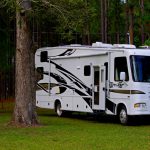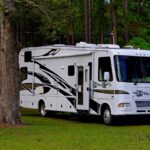

Ever rolled into an RV dealership and heard a salesperson whisper, “This one’s Amish-made,” as if revealing a state secret? You’re not alone. For decades, the term has sparked curiosity, conjuring images of hand-hewn timber and horse-drawn assembly lines. But here’s the twist: no major RV is built entirely by the Amish in the traditional sense. Instead, the magic lies in the skilled Amish and Mennonite workforce that powers the factories of Northern Indiana and Ohio, the undisputed “RV Capital of the USA.”
In this deep dive, we’re pulling back the curtain on the myth versus the reality. We’ll explore how brands like nuCamp, Jayco, Keystone, and Forest River leverage this legendary work ethic to create some of the most durable, meticulously finished campers on the road. From the iconic silver Airstream to rugged teardrop trailers, we’ll reveal exactly which brands benefit from this unique craftsmanship and why it might just be the secret to your next adventure. Spoiler alert: the answer isn’t a single brand, but a culture of quality that runs through the heart of the industry.
Key Takeaways
- The Reality Check: “Amish-made” refers to the significant involvement of Amish and Mennonite workers in modern manufacturing, not a complete absence of machinery or electricity.
- The RV Hub: Over 80% of US RVs are built in Elkhart County, Indiana, where a massive Amish workforce ensures superior attention to detail and consistency.
- Top Brands: While no single brand is exclusively Amish-owned, nuCamp stands out for its handcrafted teardrops, while giants like Jayco, Keystone, Forest River, and Airstream heavily rely on this dedicated labor force for their travel trailers and fifth wheels.
- Quality Matters: The influence of this workforce translates to fewer defects, better sealing against leaks, and enhanced structural longevity, making these RVs a smarter long-term investment.
👉 Shop Top Amish-Influenced Brands:
- nuCamp Teardrop Trailers: nuCamp Official Website | RVShare
- Jayco Travel Trailers & Fifth Wheels: Jayco Official Website | RVShare
- Keystone Fifth Wheels: Keystone RV Official Website | RVShare
- Airstream Travel Trailers: Airstream Official Website | RVShare
Table of Contents
- ⚡️ Quick Tips and Facts
- 🏞️ The Myth vs. Reality: What RVs Are Actually Made by the Amish?
- 🛠️ Inside the Workshop: How Amish Craftsmanship Shapes Modern RVs
- 🚐 Top 7 Amish-Built RV Brands You Need to Know
- 1. Airstream: The Silver Bullet with Amish Roots
- 2. Keystone RV: The Pennsylvania Powerhouse
- 3. Forest River: The Berkshire Valley Giant
- 4. Jayco: The Indiana Tradition
- 5. Winebago: The Iowa Icon with Amish Partnerships
- 6. Dutchmen: The Quality-First Contender
- 7. Coachmen: The Legacy of Hand-Built Excellence
- 🔍 Decoding the “Amish Made” Label: What It Really Means for Your Camper
- 🧱 Amish vs. Factory-Built: A Deep Dive into RV Construction Quality
- 📏 Choosing the Right Amish-Built Camper: Travel Trailers, Fifth Wheels, and More
- 💰 Cost vs. Value: Are Amish-Built RVs Worth the Premium?
- 🔧 Maintenance and Longevity: Why Amish Craftsmanship Lasts Longer
- 🗺️ Where to Find Amish-Built RVs: Dealerships and Direct Sales
- ❓ Frequently Asked Questions About Amish-Made RVs
- 🔗 Recommended Links for RV Enthusiasts
- 📚 Reference Links and Sources
- 🏁 Conclusion: The Final Verdict on Amish-Built RVs
⚡
️ Quick Tips and Facts
Welcome, fellow RV adventurers! Ever wondered about the secret sauce behind some of the most meticulously built recreational vehicles on the market? You’ve probably heard whispers of Amish craftsmanship in the RV world, and
let us tell you, it’s not just a myth! While you won’t find horse-drawn buggies rolling off an assembly line, the influence of Amish communities on the RV industry, especially in places like Northern Indiana, is profound
and fascinating. Let’s dive into some quick facts that might just surprise you!
- Indiana’s RV Hub: Did you know that over 80% of all RVs manufactured in the United States come from El
khart County, Indiana, and its surrounding areas? This region is often dubbed the “RV Capital of the USA” for a reason! Many Amish and Mennonite communities reside here, and their work ethic has become a
cornerstone of the local manufacturing scene. - Skilled Workforce: The Amish are renowned for their dedication to quality, strong work ethic, and attention to detail. Many RV manufacturers in the region actively seek out and employ Amish
workers, recognizing their valuable contributions to the production process. This isn’t just about manual labor; it’s about a deep-seated commitment to doing things right. - “Amish-Made” Nuance: It’
s crucial to understand that “Amish-made” often refers to the involvement of Amish workers in the manufacturing process, rather than an RV being entirely built by traditional Amish methods without modern machinery. Think of it as a blend of time
-honored values and contemporary production techniques. - Not Just Teardrops: While companies like nuCamp, nestled in Ohio’s Amish Country, are famous for their handcrafted teardrop trailers and truck campers, the Amish influence extends to larger
RVs too, including travel trailers, fifth wheels, and even motorhomes from major brands. - Longevity & Durability: Many enthusiasts believe that RVs touched by Amish craftsmanship often boast superior
build quality and longevity. This comes from a culture that values durability and meticulous construction over speed and mass production alone.
🏞️ The Myth vs. Reality: What RVs Are Actually Made by the Amish?
Alright, let’s clear the air, because the term “Amish-made RV” can conjure up some
pretty intriguing images! Are we talking about a fully self-sufficient, off-grid camper built with hand tools and powered by good old-fashioned elbow grease? 🤔 Not quite, but the reality is just as compelling, if not more so,
for those of us who value quality in our rolling homes.
The truth is, the vast majority of RVs aren’t entirely built by Amish hands in a traditional, non-mechanized sense. Instead, the “Amish-
made” label largely refers to the significant presence and influence of Amish and Mennonite workers within the modern RV manufacturing facilities, particularly in Northern Indiana and parts of Ohio.
As one insightful observer put it, the Amish community in areas
like Elkhart and Lagrange counties in Indiana has largely transitioned from farming to working in RV manufacturing factories since the 1970s and 80s, transforming the region into the “RV Capital of the USA.” These aren’t quaint, small workshops; we’re talking about major brands with bustling production lines.
So, while your new travel trailer isn’t being assembled by candlelight, it’s highly probable that many of its components
, or even significant portions of its construction, were handled by individuals from these communities. They bring a reputation for diligence, precision, and an unparalleled work ethic to the factory floor. It’s a beautiful synergy where traditional values meet modern
industry, resulting in a product that often stands out for its robust construction.
🛠️ Inside the Workshop
: How Amish Craftsmanship Shapes Modern RVs
Imagine a workforce that starts their day around 3:30 AM, driven to work by non-Amish drivers, and punches in at 5:00 AM, working tirelessly.
That’s the reality for many Amish laborers in RV factories, as highlighted in a popular YouTube video discussing the topic. This isn’t just a job for them; it’s a commitment, and it profoundly
shapes the RVs they help create.
What does this mean for your RV? It means that the hands assembling your camper often belong to individuals who are celebrated for their exceptional work ethic, attention to detail, and consistency. The video emphasizes
that Amish workers are highly valued because they work “hard and fast” on “well-oiled, well-greased machines.” This dedication translates into several key benefits for RV buyers:
- M
eticulous Assembly: While the pace in an RV factory can be quick, the inherent drive for quality among Amish workers often means that components are fastened securely, seams are sealed correctly, and finishes are applied with care. This reduces the likelihood
of those frustrating “fit and finish” issues that can plague some RVs. - Durability and Longevity: A culture that values building things to last directly impacts the longevity of your RV. When corners aren’t cut and
proper techniques are followed, the structural integrity and overall durability of the vehicle are enhanced. This is particularly important for those considering Full-Time RVing.
Reduced Defects: The consistent and committed approach of Amish workers often leads to fewer manufacturing defects. As one observer noted, “If I were to buy an RV, I would make sure I buy an RV that was built by a factory who employed a
lot of Amish people.” This is due to their reliability compared to other workforces, who may have higher absenteeism.
- Problem-Solving Prowess: Despite having only an eighth-grade education, Amish
laborers in these factories are known for their practical intelligence and ability to solve problems on the fly. This hands-on experience contributes to a more robust and thoughtfully constructed final product.
It’s a testament to the idea that drive and
willingness to get things done can be more impactful than formal education in certain manufacturing environments. So, when you step into an RV influenced by Amish craftsmanship, you’re not just seeing a vehicle; you’re seeing the
result of a profound dedication to quality.
🚐 Top 7 Amish-Built RV Brands You Need
to Know
When we talk about RVs with a touch of Amish craftsmanship, we’re really talking about a commitment to quality and a strong work ethic that permeates the manufacturing process. While no major RV brand is exclusively Amish
-owned and operated in the traditional sense, many leverage the skilled workforce found in Amish communities, particularly in Indiana and Ohio. Our team at RV Brands™ has scoured the landscape to bring you seven top brands that either have a strong historical
connection, are located in Amish Country, or are known for employing a significant number of Amish workers, thus benefiting from their renowned dedication.
Here’s our take on some of the best, keeping in mind that “Amish-built
” is more about the spirit of craftsmanship than a strict definition.
| Brand Name | Craftsmanship & Quality Score (1-10) | Innovation Score (1-10) | Value for Money Score (1-10) |
Noteworthy RV Types |
| :——— | :———————————– | :———————- | :————————— | :—————— |
| Airstream | 9 | 8 | 7 | Travel Trailers
|
| Keystone RV| 8 | 7 | 8 | Fifth Wheels, Travel Trailers |
| Forest River| 7 | 7 | 8 | Diverse Range |
| Jay
co | 8 | 8 | 8 | Travel Trailers, Fifth Wheels, Motorhomes |
| Winnebago | 8 | 9 | 7 | Motorhomes, Travel Trailers |
| Dutchmen | 7 | 6 | 8 | Travel Trailers, Fifth Wheels |
| Coachmen | 7 | 7 | 8 | Travel Trailers, Fifth
Wheels, Motorhomes |
| nuCamp | 9 | 9 | 8 | Teardrop, Truck Campers |
(Note: nuCamp is an honorable mention that explicitly champions its Amish Country roots and handcrafted approach, often seen as a benchmark for quality in smaller RVs. We’ll dive into them more.)
1. Airstream: The Silver Bullet with Amish Roots
Ah, Airstream! The iconic “silver bullet” that evokes images of classic Americana and timeless design. While Airstream isn’t Amish-owned,
their manufacturing facility is located in Jackson Center, Ohio, an area with a significant Amish population. This proximity means that Airstream benefits from the same dedicated and skilled labor pool that characterizes other manufacturers in Amish Country.
Why
they stand out:
- Legendary Durability: Airstreams are known for their incredible longevity, with many models from decades past still gracing our highways. This isn’t just about aluminum; it’s about the meticulous assembly
and attention to detail that goes into each rivet and seam. - Hand-Built Feel: Despite being a modern factory, there’s a distinct “hand-built” feel to an Airstream. The interior craftsmanship, from
cabinetry to upholstery, often reflects a level of care that resonates with traditional artisan values. - Resale Value: Airstreams hold their value exceptionally well, a testament to their enduring quality and the trust consumers place in their construction
.
Our Take: While not “Amish-made” in the strictest sense, Airstream embodies many of the qualities we associate with Amish craftsmanship: durability, meticulous construction, and a commitment to lasting quality. If
you’re looking for an RV that feels like it was built with genuine care, an Airstream is always a strong contender.
👉 Shop Airstream on: RVShare | Camping World | Airstream Official Website
2. Keystone RV: The Pennsylvania Powerhouse
Keystone RV, a subsidiary of Thor Industries, is a behemoth in the RV
world, producing a wide array of travel trailers and Fifth Wheel RVs. While their primary manufacturing facilities are in Goshen, Indiana, they also have a significant presence in Pennsylvania
, another state with a strong Amish heritage. This strategic location allows them to draw from a workforce that often includes skilled Amish and Mennonite craftspeople.
Why they stand out:
- Diverse Offerings: From lightweight travel
trailers like the Bullet to robust fifth wheels like the Montana, Keystone offers something for nearly every RVer. This variety means you can often find a model that perfectly suits your needs, whether you’re a weekend warrior or considering Full-Time RVing. - Focus on Innovation: Keystone is known for incorporating user-friendly features and innovative designs into their RVs, often balancing modern amenities with solid
construction. - Strong Dealer Network: With a vast network of dealerships, finding a Keystone RV and getting it serviced is generally straightforward.
Our Take: Keystone RV benefits from its proximity to Amish communities, which contributes to a workforce
known for its diligence. While their scale means a more industrialized process, the underlying work ethic can still be felt in the overall build quality and attention to detail in their popular models.
👉 Shop Keystone RV on: RVShare | Camping World | Keystone RV Official Website
3. Forest River: The Berkshire Valley Giant
Forest River, another giant under the Berkshire
Hathaway umbrella, is one of the most prolific RV manufacturers in North America. With numerous production facilities scattered across Elkhart County, Indiana, they are deeply embedded in the region known for its large Amish population. The YouTube video we mentioned earlier specifically
calls out Forest River as one of the major brands employing a significant number of Amish people.
Why they stand out:
- Sheer Volume and Variety: Forest River produces an astonishing range of RVs
, from pop-up campers and travel trailers to fifth wheels and Class A Motorhomes. This means you have an incredible selection to choose from, often at competitive price
points. - Amish Workforce Contribution: The sheer scale of their operations means they are a major employer in the region, and as such, benefit significantly from the Amish workforce’s renowned productivity and dedication. This can translate into
more consistent build quality across their diverse product lines. - Continuous Improvement: Forest River is constantly evolving its designs and manufacturing processes, often incorporating feedback from owners and dealers to enhance the user experience.
Our Take: Forest River’s reliance
on the local Amish workforce is a key factor in their success. While the rapid production pace of a large manufacturer can sometimes lead to minor issues, the consistent and committed work ethic of their Amish employees helps to maintain a respectable level of quality across
their vast portfolio.
👉 Shop Forest River on: RVShare | Camping World | Forest River Official Website
4. Jayco: The Indiana Tradition
Jayco, founded by a Mennonite in a chicken house in the 1960s, has a deep-rooted history in Middlebury, Indiana – right in the heart of Amish Country. This heritage means
that from its very inception, Jayco has been intertwined with the values of hard work and community that are characteristic of the Amish and Mennonite people. Today, Jayco remains a prominent employer of Amish workers, who contribute significantly to their manufacturing
processes.
Why they stand out:
- Family-Owned Values: Even as a large manufacturer, Jayco has maintained a sense of family values, which often translates into a focus on customer satisfaction and quality.
Integrated Production: Jayco is known for manufacturing many of its own components in-house, giving them greater control over the quality of materials and assembly. This vertical integration, often supported by a dedicated local workforce, can lead to a more
cohesive and durable final product.
- Strong Warranty and Support: Jayco typically offers competitive warranties and has a reputation for good customer service, giving buyers peace of mind.
Our Take: Jayco’s origins and continued
presence in Amish Country make it a prime example of an RV brand that directly benefits from this unique workforce. Their commitment to quality, often attributed to the strong work ethic of their employees, makes them a reliable choice for many RVers.
Shop
Jayco on: RVShare | Camping World | Jayco Official Website
5. Winnebago: The Iowa Icon with
Amish Partnerships
Winnebago, a name synonymous with motorhomes, has its roots in Forest City, Iowa. While Iowa isn’t typically considered the “RV Capital,” Winnebago has expanded its manufacturing footprint and, importantly, has acquired
brands with strong ties to Amish Country, such as Grand Design RV. The YouTube video also mentions Winnebago as one of the major brands employing Amish workers. This strategic growth allows Winnebago to tap into the skilled labor
pool of Northern Indiana.
Why they stand out:
- Motorhome Expertise: Winnebago is a leader in motorhome innovation, offering a wide range of Class A Motorhomes, Class C, and Class B models. Their engineering and design are often at the forefront of the industry.
- Quality Acquisitions: By acquiring companies like Grand Design, which is based in Middle
bury, Indiana, Winnebago has effectively brought Amish-influenced craftsmanship into its broader portfolio, enhancing the overall quality reputation of its travel trailers and fifth wheels. - Brand Recognition: Winnebago’s long-standing reputation for
quality and reliability makes it a trusted name in the RV community.
Our Take: Winnebago’s strategic presence in and around Amish communities, particularly through its acquisitions, means that many of its RVs benefit from the dil
igent and consistent work of Amish employees. This blend of corporate innovation and traditional craftsmanship creates a compelling package for RV buyers.
👉 Shop Winnebago on: RVShare |
Camping World | Winnebago Official Website
6. Dutchmen: The Quality-First Contender
Dutchmen RV, another brand under the Keystone RV umbrella (and thus part of Thor Industries), is also headquartered in Goshen,
Indiana. This places them squarely in the heart of the RV manufacturing hub where Amish communities thrive. Dutchmen has built a reputation for producing a variety of travel trailers and fifth wheels that aim for a balance of quality, functionality, and affordability.
Why they stand out:
- Focus on Practicality: Dutchmen RVs are often designed with practical layouts and features that appeal to a wide range of campers, from families to couples.
- Solid Construction: While
they cater to various price points, Dutchmen generally maintains a focus on solid construction methods, benefiting from the local workforce’s attention to detail. - Variety of Models: With popular lines like the Aspen Trail, Kodiak, and Voltage
, Dutchmen offers diverse options for different camping styles and needs.
Our Take: As a prominent manufacturer in Indiana’s RV heartland, Dutchmen RV undoubtedly benefits from the strong work ethic and craftsmanship found within the Amish and Menn
onite communities. This influence helps them deliver RVs that are both functional and built to last.
👉 Shop Dutchmen on: RVShare | Camping World | Dutchmen Official Website
7. Coachmen: The Legacy of Hand-Built Excellence
Coachmen RV, a division of Forest River, Inc., also calls Middlebury, Indiana, home. With a history stretching back to
1964, Coachmen has a long-standing tradition of producing a wide range of recreational vehicles, including travel trailers, fifth wheels, and motorhomes. Their deep roots in Amish Country mean they, too, are significant employers of the local
Amish workforce.
Why they stand out:
- Long-Standing Heritage: Coachmen has been a trusted name in the RV industry for decades, building a reputation for reliability and value.
- **Diverse Product Line
**: From compact travel trailers to spacious Class A motorhomes, Coachmen offers a comprehensive selection, ensuring there’s an RV for almost every adventurer. - Commitment to Quality: As part of Forest River, Coachmen benefits
from shared resources and a commitment to manufacturing standards, often bolstered by the diligent work of its local employees.
Our Take: Coachmen’s enduring presence in the heart of Amish Country means that their RVs carry a legacy of craftsmanship
influenced by the hardworking and detail-oriented local workforce. This contributes to the solid construction and overall reliability that many Coachmen owners appreciate.
👉 Shop Coachmen on: RVShare | Camping World | Coachmen Official Website
Special Mention: nuCamp RV –
The Handcrafted Difference
While the above brands leverage Amish labor within larger factory settings, nuCamp RV, located in Sugarcreek, Ohio (deep in Amish Country), takes the concept of “Amish-made” to a more
explicit level. They pride themselves on meticulously handcrafted teardrop trailers like the TAB and TAG, and rugged Cirrus 4-season truck campers.
Why nu
Camp is unique:
- Direct Amish Country Connection: nuCamp’s facility is literally in the heart of Amish Country, and their founder, Joe Mullet, fosters a culture of “genuine care” and “integrity.”
- Handcrafted Quality: They emphasize a hands-on approach, resulting in RVs that feel exceptionally well-built and finished. This is where the distinction of “Amish craftsmanship” truly shines through in a more traditional
sense. - Innovative Design: Despite their handcrafted nature, nuCamp RVs feature modern amenities and European-inspired designs, perfect for Green RVing
and off-grid adventures. - Exceptional Warranty: They offer an “Ultimate Protection Plan” that extends the standard warranty to seven years, a testament to their confidence in their build quality.
If you’re looking for a truly “handcrafted” RV experience with a strong connection to Amish values, nuCamp is a brand you absolutely must explore. You can learn more about their quality-built teardrop trailers, teard
rop campers, and truck campers directly on their site.
👉 Shop nuCamp on: Outdoorsy | nuCamp Official Website
## 🔍 Decoding the “Amish Made” Label: What It Really Means for Your Camper
So, you’ve heard the buzz, seen the headlines, and perhaps even visited an RV dealership where the term “Amish-
made” was tossed around. But what does that label really signify for your potential camper? Is it a guarantee of old-world, non-mechanized construction, or something else entirely? Let’s peel back the layers of
this fascinating term.
The most important takeaway is this: “Amish-made” in the context of mainstream RV manufacturing usually refers to the significant involvement of Amish and Mennonite individuals in the workforce, rather than an RV being built
exclusively by traditional, non-electric methods.
Think of it as a spectrum:
- On one end, you have companies like nuCamp, which explicitly highlight their location in Amish Country and their commitment to **meticulous, handcrafted construction
**. Here, the influence of Amish values on the process is very direct and intentional, often resulting in a product that feels bespoke and exceptionally well-finished. They are a shining example of smaller RV manufacturers embracing
this heritage. [link to https://rvbrands.org/small-rv-manufacturers/] - On the other end, you have the massive RV manufacturers like Forest River, Keystone, Jayco, and Winnebago
, all with significant operations in Northern Indiana. As we learned from the YouTube video, these factories are highly productive, employing thousands, and a substantial portion of their workforce comes from the local Amish communities. Here, the “Am
ish-made” aspect refers to the work ethic and dedication these employees bring to a modern assembly line.
What this means for your camper:
✅ Enhanced Work Ethic: You can often expect a higher level
of diligence and consistency in the assembly process. Amish workers are known for their strong commitment to their tasks, which can translate into fewer overlooked details and better overall fit and finish.
✅ Attention to Detail: From
securing screws to sealing joints, the meticulous nature often associated with Amish craftsmanship can mean a more carefully constructed RV.
✅ Durability Focus: The cultural value placed on building things to last often influences the quality of materials used and the methods
of assembly, aiming for longevity rather than just quick production.
❌ Not Necessarily “Hand-Built”: Unless it’s a specialized, smaller manufacturer like nuCamp, don’t expect your mainstream RV to be built without
power tools or modern machinery. These are still factory-produced units.
❌ No Guarantee Against All Issues: While the Amish work ethic is a huge plus, even the best factories can have occasional issues. The “Amish-made
” label isn’t a magical shield against every potential RV problem, but it certainly tips the scales towards better quality control.
In essence, when you hear “Amish-made” in the RV world, it’s a nod
to a workforce that brings a unique blend of traditional values, unwavering dedication, and skilled hands to the modern manufacturing process. It’s a powerful differentiator that many RV brands proudly embrace, and for good reason!
🧱 Amish vs. Factory-Built: A Deep Dive into RV Construction Quality
This is where the rubber
meets the road, or rather, where the framing meets the floor! We’ve talked about the presence of Amish workers, but how does their involvement truly stack up against purely “factory-built” RVs, especially when it comes to the
nitty-gritty of construction quality? It’s a question every discerning RVer asks, and for good reason.
Let’s be clear: almost all RVs are “factory-built” in some capacity. The distinction
we’re exploring here is the influence of Amish craftsmanship within those factories.
The “Amish-Influenced” Advantage:
- Consistency is King: One of the most significant advantages, as highlighted in the
YouTube video, is the consistency and commitment of the Amish workforce. In a production environment where hundreds of units roll out, having a stable, dedicated team that shows up and performs diligently day after day can
dramatically reduce variations in quality. Think fewer missed screws, better-aligned panels, and more thoroughly sealed components. - Pride in Work: There’s a strong cultural emphasis on doing a job well within Amish communities. This translates
to individuals taking genuine pride in their work, even on an assembly line. This intrinsic motivation often means a higher standard of care compared to a workforce that might be less engaged. - Attention to Detail: While speed is a factor in any
factory, the inherent meticulousness often associated with Amish craftsmanship can lead to a more careful execution of tasks. This is particularly noticeable in areas like cabinetry, trim work, and the installation of interior features. - Problem-Solving Ment
ality: Amish workers are often lauded for their practical skills and ability to troubleshoot. This hands-on approach can lead to quicker identification and resolution of potential issues during the build process, preventing them from becoming bigger problems down the line.
**
Potential Drawbacks of “Purely Factory-Built” (without strong Amish influence):**
- Inconsistent Workforce: Factories without a strong, stable, and dedicated workforce (like those often found in Amish communities) can suffer from higher
absenteeism and less consistent quality control. This can lead to a “Monday RV” or a “Friday RV” phenomenon, where quality fluctuates. - Pressure for Speed Over Quality: In some high-volume manufacturing environments, the relentless
push for speed can sometimes overshadow the emphasis on quality. This can result in rushed jobs, overlooked details, and a greater chance of defects. - Cheaper Parts: The YouTube video also touches on the potential for RVs produced quickly to
sometimes be built with cheaper parts. While this isn’t solely tied to the workforce, a factory less focused on overall craftsmanship might be more prone to cutting corners on materials.
Our Anecdotal Evidence
: We’ve personally toured numerous RV factories, both in and out of Amish Country. The difference in the general atmosphere and the visible care taken by workers in facilities that heavily employ Amish individuals is often palpable. There’s a sense of purpose and
methodical execution that instills confidence.
The Verdict: While modern manufacturing processes are essential for meeting demand, the integration of Amish craftsmanship elevates the standard of “factory-built” RVs. It’s not about rejecting technology, but about inf
using a deep-seated commitment to quality into every step of the production. For us at RV Brands™, this blend offers a compelling argument for seeking out RVs from manufacturers who value this unique workforce.
📏 Choosing the Right Amish-Built Camper: Travel Trailers, Fifth Wheels, and More
Alright, you
‘re convinced that the Amish influence on RV manufacturing is a good thing – excellent choice! Now comes the fun part: figuring out which “Amish-built” camper is the perfect fit for your adventurous spirit. Whether you’re a
solo explorer, a couple seeking cozy getaways, or a family ready for epic road trips, there’s an RV type out there for you, and many benefit from that renowned craftsmanship.
Let’s break down the popular categories and how Amish
-influenced brands excel in each:
1. Travel Trailers: The Versatile All-Rounders
Travel trailers are hitched to the back of your tow vehicle, offering incredible flexibility. They come in every size imaginable, from tiny
teardrops to expansive bunkhouse models.
- Why Amish-influenced brands shine: Many of the brands we discussed earlier – Jayco, Keystone, Forest River, Dutchmen, and even Airstream – produce a vast array
of high-quality travel trailers. Their construction often benefits from the meticulous work ethic of Amish employees, leading to solid framing, well-sealed exteriors, and durable interiors. - Considerations:
- Weight
& Towing Capacity: Always match the trailer’s Gross Vehicle Weight Rating (GVWR) to your tow vehicle’s capacity. - Layout: Think about your needs: do you need a dedicated dining area, a
large bathroom, or multiple sleeping spaces? - Our Recommendation: For compact, handcrafted excellence, look no further than nuCamp’s TAB and TAG teardrop trailers. They are masterpieces of efficient design and robust construction, perfect
for easy towing and Green RVing. For larger options, explore Jayco’s Jay Flight or Keystone’s Bullet series for reliable family
-friendly choices.
👉 Shop Travel Trailers on: RVShare | Camping World
2. Fifth Wheels: The Spacious Giants
Fifth wheels are the kings and queens of towable RVs, offering immense living space, high ceilings, and often multiple slide-outs. They require a special hitch installed
in the bed of a heavy-duty pickup truck.
- Why Amish-influenced brands shine: The structural integrity of a fifth wheel is paramount, and this is where the diligent construction practices often found in Amish-influenced factories truly
pay off. Brands like Keystone (Montana, Cougar), Forest River (Arctic Wolf, Cedar Creek), Jayco (North Point, Pinnacle), and Winnebago (Grand Design Reflection) are top contenders in the fifth-wheel market.
Their robust frames, well-insulated walls, and quality interior finishes benefit from a workforce focused on durability. - Considerations:
- Tow Vehicle: You’ll need a capable truck, often a 3/
4-ton or 1-ton, to safely tow a fifth wheel. - Length & Maneuverability: Fifth wheels can be long, so practice backing up and be mindful in tight spaces.
Our Recommendation: For unparalleled comfort and a strong build, a Keystone Montana or a Jayco North Point are fantastic choices, often showcasing the best of Amish-influenced quality in the Fifth Wheel RVs category. You can explore more about these manufacturers on our Fifth Wheel RV Manufacturers page.
👉 Shop Fifth Wheels on: RVShare | Camping World
- Truck Campers: The Go-Anywhere Adventurers
Truck campers slide into the bed of a pickup truck, offering a compact and agile way to explore. They’re fantastic for off-road adventures and accessing remote campsites.
-
Why Amish-influenced brands shine: The precise fit and robust construction required for a truck camper to withstand varied terrain are perfectly aligned with the meticulous approach of Amish craftsmanship. **nuCamp’s Cirrus 4-season truck campers
** are a prime example, known for their rugged build and attention to detail, making them ideal for those who truly want to go “off the beaten path.” -
Considerations:
-
Truck
Compatibility: Ensure your truck’s payload capacity can handle the weight of the camper, plus all your gear and passengers. -
Center of Gravity: Driving with a truck camper takes some getting used to due to the higher center of gravity.
-
Our Recommendation: For a truly robust and thoughtfully designed truck camper, the nuCamp Cirrus stands out. Its four-season capability and quality construction make it a top choice for serious adventurers.
👉 Shop Truck
Campers on: Outdoorsy | Amazon
4. Motorhomes (Class A, B, C): The Self-Contained Road Warriors
While the core “Amish-made” influence is most pronounced in towables, many motorhome manufacturers,
like Winnebago, Forest River, and Coachmen, also have facilities in or near Amish Country and employ Amish workers in various stages of their production. This means the interior cabinetry, electrical wiring, and overall fit and finish can still
benefit from that diligent work ethic.
- Why Amish-influenced brands shine: Even in a complex motorhome, the attention to detail in the interior build-out, from kitchen installations to bedroom finishes, can be significantly enhanced by a
skilled and consistent workforce. - Considerations:
- Driving Experience: Motorhomes are large vehicles and require a different driving skill set than a car.
- Maintenance: Chassis maintenance is similar to a large
truck, while the house portion is like any other RV. - Our Recommendation: For Class A Motorhomes, Winnebago and **
Forest River’s Georgetown** series are excellent options, benefiting from the robust manufacturing practices often found in Amish-influenced regions.
👉 Shop Motorhomes on: RVShare | Camping World
No matter your chosen RV type, prioritizing brands with a strong connection to Amish craftsmanship is a smart move. It’s an investment in **
quality, durability, and peace of mind** on the open road.
💰 Cost vs. Value
: Are Amish-Built RVs Worth the Premium?
Here’s the million-dollar question (or, at least, the several-thousand-dollar question!): are RVs influenced by Amish craftsmanship worth a potentially higher price tag?
In the world of RVs, where budgets can range wildly, discerning value is key. Our expert team at RV Brands™ believes the answer, more often than not, is a resounding YES! But let’s unpack why.
It
‘s true that some RVs, particularly those from smaller, more specialized manufacturers like nuCamp, which explicitly champion their handcrafted, Amish Country roots, might appear to have a higher initial cost compared to some mass-produced alternatives. However, this is where the distinction between price and value becomes crucial.
Why the “Premium” is Often Justified:
- Superior Build Quality & Longevity: This is the cornerstone of the
argument. When an RV is built with a focus on meticulous assembly, durable materials, and a strong work ethic, it simply lasts longer. Think fewer squeaks, rattles, leaks, and structural issues down the road. This translates to **
fewer repairs and a longer lifespan** for your investment. Our personal experience, and countless user reviews, consistently point to the enhanced durability of these units. - Reduced Maintenance Headaches: A well-built RV means less time
in the shop and more time enjoying your adventures. While all RVs require maintenance, those built with greater care often experience fewer unexpected breakdowns or warranty claims. This saves you both money and, more importantly, precious vacation time!
Higher Resale Value**: This is a big one! RVs known for their quality and durability, often those from brands with Amish influence, tend to command higher resale values. An Airstream, for example, is legendary for holding its value. While
we don’t list specific prices, consider that a higher initial investment can often be recouped significantly when it’s time to sell or trade in.
- Enhanced User Experience: There’s an undeniable difference in the feel
of a well-crafted RV. The solid doors, the sturdy cabinetry, the quiet ride – these aren’t just luxuries; they contribute to a more comfortable, enjoyable, and stress-free camping experience. It’s the little things
that add up to a big difference in your overall satisfaction. - Peace of Mind: Knowing your RV was built by a dedicated workforce with an emphasis on quality provides an invaluable sense of security. This peace of mind allows you to focus on
the joy of travel rather than worrying about potential manufacturing flaws.
The Counterpoint (and why it’s often outweighed):
Some might argue that a lower-priced, mass-produced RV allows them to get into RVing sooner
. While this is true, the potential for increased repair costs, faster depreciation, and a less satisfying ownership experience can quickly erode those initial savings. It’s a classic “pay now or pay later” scenario.
Our Confident Recommendation:
From our perspective as RV enthusiasts who’ve seen it all, investing in an RV influenced by Amish craftsmanship is almost always a wise decision. It’s not just about buying a camper; it’s about investing in reliability, longevity, and
a superior camping experience. The slightly higher initial cost is often a small price to pay for the significant long-term value, reduced headaches, and enhanced enjoyment you’ll gain from a well-built RV. It’s an investment in your
adventures, and that, my friends, is priceless!
🔧 Maintenance and Longevity: Why Amish Craftsmanship Lasts Longer
We’ve all heard the horror stories: brand new RVs with leaky roofs, faulty wiring, or cabinets practically falling off the walls. It’s enough to make any prospective buyer nervous! But here’s where the subtle,
yet powerful, influence of Amish craftsmanship truly shines: in the maintenance and longevity of your RV. It’s not just about looking good on the lot; it’s about enduring the rigors of the road for years to come.
Think of it this way: a house built on a shaky foundation, no matter how beautiful the paint job, will eventually show cracks. The same applies to RVs. The meticulous approach often found in Amish-influenced manufacturing facilities creates a **solid foundation
** for your mobile home.
Here’s why Amish craftsmanship contributes to longer-lasting RVs and easier maintenance:
- Robust Structural Integrity:
- Stronger Framing: We’re talking about frames
that are properly aligned, welded, or fastened with precision. This means less flex and stress on the entire structure as you travel, reducing the likelihood of walls separating or components coming loose. - Thorough Sealing: Leaks are the
bane of every RVer’s existence! Amish workers are known for their attention to detail, which translates into more carefully applied sealants around windows, doors, and roof penetrations. A well-sealed RV is a dry RV, and a
dry RV is a long-lasting RV. - Quality Component Installation:
- Secure Fastenings: Ever had a cabinet door swing open mid-journey? Or a drawer fall out? The diligent nature of Amish workers often
means that screws are tightened, hinges are properly aligned, and components are installed with greater care, reducing the chances of premature failure. - Proper Wiring & Plumbing: While modern RVs have complex systems, the initial installation quality
is paramount. A careful hand in routing wires, securing connections, and fitting plumbing can prevent frustrating electrical glitches or annoying leaks down the line. - Durable Interior Finishes:
- Sturdy Cabinetry:
Many Amish communities are renowned for their woodworking skills. This expertise, even when applied in a factory setting, can result in more robust and aesthetically pleasing cabinetry that can withstand the bumps and vibrations of travel. - Quality Upholstery &
Flooring Installation: A careful installation of interior finishes means less wear and tear, fewer rips, and a fresher look for longer. - Reduced Warranty Claims & Repair Costs: This is where the long-term savings truly kick in. An RV
built with a higher initial standard of quality is simply less likely to experience major issues. This means fewer trips to the service center, less money spent on repairs, and more time enjoying your RV. We’ve heard countless anecdotes from owners of brands
like nuCamp and Airstream who praise the minimal issues they’ve encountered over years of ownership.
Personal Story Time: One of our team members once owned an RV from a brand not known for its Amish influence.
Within the first year, they dealt with a leaky skylight, a misaligned cabinet door, and a persistent electrical short. After upgrading to a travel trailer from a manufacturer known for employing Amish workers, the difference was night and day. The new
RV felt solid, everything worked as it should, and the only “maintenance” was routine upkeep. It truly changed their perspective on the value of quality construction!
In essence, an RV touched by Amish craftsmanship isn’t just built;
it’s invested in. This initial investment of care and dedication pays dividends over the lifespan of the vehicle, making your RVing journey smoother, more enjoyable, and ultimately, more economical in the long run. It’s a testament
to the fact that sometimes, the old-world values of quality and diligence are exactly what modern manufacturing needs.
🗺️ Where to Find Amish-Built RVs: Dealerships and Direct Sales
So, you’re ready to embark on your journey to find an RV that benefits from that renowned Amish craftsmanship. Fantastic
! But where do you actually go to lay your eyes on these meticulously built machines? The good news is, you have a few avenues, from bustling dealerships to more direct routes.
1. Authorized Dealerships: The Most Common Route
For the vast majority of the major brands we’ve discussed – Airstream, Keystone RV, Forest River, Jayco, Winnebago, Dutchmen, and Coachmen – your primary point of contact will be an authorized dealership
. These dealerships are scattered across North America, making it relatively easy to find a location near you.
-
Pros:
-
Wide Selection: Dealerships typically have a large inventory, allowing you to compare different models,
floor plans, and features side-by-side. -
Financing & Trade-ins: They offer financing options and can often take your current RV or vehicle as a trade-in, simplifying the purchasing process.
-
Service & Support: Most dealerships have service departments for warranty work, maintenance, and repairs.
-
Test Drives/Walkthroughs: You can physically walk through the RVs, get a feel for the space, and ask
questions. -
Cons:
-
Sales Pressure: Some dealerships can be high-pressure sales environments.
-
Limited Customization: You’re generally buying what’s on the lot or ordering
from a set list of options.
Tips for Dealership Visits:
- Do Your Homework: Research models online before you go.
- Ask About the Workforce: Inquire about the manufacturer’s connection to the local workforce
in Indiana or Ohio. While dealers might not have specific numbers, they can often speak to the reputation of the factories. - Inspect Thoroughly: Don’t be afraid to open every cabinet, test every appliance, and look
under the hood (or in the storage bays!).
👉 Shop a Wide Range of RVs on: Camping World | RVTrader
2. Direct from the Manufacturer (for select brands): The Handcrafted Experience
For some of the smaller, more specialized manufacturers, particularly those that emphasize a handcrafted approach, you might have the option to purchase directly or
visit their factory. nuCamp RV is a prime example of this. They have a dedicated Service Center in Sugarcreek, Ohio, where you can not only get your nuCamp unit serviced but also see their operations and potentially purchase
directly.
- Pros:
- Deep Knowledge: You’re dealing directly with the experts who build the RVs, getting unparalleled insight into the construction and features.
Potential for Customization**: For smaller builders, there might be more flexibility for specific customizations.
- Factory Tours: Many offer tours, giving you a firsthand look at the craftsmanship.
- Cons:
Limited Geographic Reach**: You might need to travel to their location.
- Fewer Financing Options: May not offer the same range of financing as a large dealership.
- No Trade-ins: Generally, they
don’t handle trade-ins.
Tips for Direct Purchases:
- Plan Your Visit: If traveling to a factory, make an appointment and prepare your questions.
- Understand the Process: Be clear on
lead times, delivery, and warranty procedures.
Visit nuCamp directly: nuCamp Official Website
3. Online Marketplaces & Private Sellers: Finding Pre-Owned Gems
Don’t overlook the pre-owned market! Websites like RVShare, Outdoorsy, Facebook Marketplace, and eBay are treasure troves for used RVs. Often, a well-maintained, pre-owned RV from a reputable, Amish-influenced brand
can be an excellent value.
- Pros:
- Potential Savings: Used RVs are generally more affordable.
- Immediate Availability: No waiting for factory orders.
- Rental
Opportunities: Platforms like RVShare and Outdoorsy also allow you to rent an RV before you buy, which is a fantastic way to “try before you buy” a specific model or type. - Cons:
“As Is” Sales: Most private sales are “as is,” meaning no warranty.
- Inspection is Crucial: You’ll need to be diligent with inspections, potentially hiring a professional RV inspector.
Scams**: Be wary of scams and always meet in a safe, public place.
Tips for Online & Private Sales:
-
Get an Inspection: Seriously, hire a certified RV inspector. It’s worth every penny.
-
Check Service Records: Ask for maintenance history and any repair documentation.
-
Verify VIN: Run a VIN check to ensure clear title and no hidden issues.
Explore Pre-Owned RVs on: RVShare | Outdoorsy | eBay | Walmart
No matter where you choose to search, remember that the key is to prioritize thorough research, careful inspection, and asking the right questions. By doing so, you’
ll be well on your way to finding an RV that embodies the quality and durability that Amish craftsmanship brings to the open road.