

Ever wonder how full-time RVers keep their mail, packages, and all those pesky logistics in check while roaming the highways and byways? Spoiler alert: it’s not just about asking your neighbor to grab your mail or hoping the post office won’t lose your driver’s license renewal. From setting up a legal domicile in tax-friendly states to mastering mail forwarding services and navigating package delivery at remote campgrounds, this guide spills all the secrets you need to stay connected and compliant on the road.
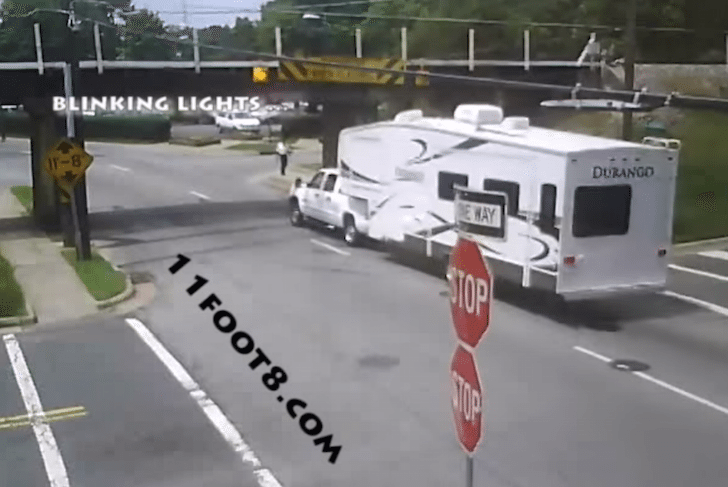
We once had a solar panel stuck in a Las Vegas Amazon Locker because our 13-foot Class A motorhome was too tall for the parking lot—talk about a lesson in logistics! Whether you’re a weekend warrior or a full-time nomad, this article will walk you through the 7 best mail forwarding services, the ins and outs of package delivery, and the legal must-knows that keep your mobile lifestyle running smoothly. Ready to never miss a bill or package again? Let’s dive in.
Key Takeaways
- Choose your domicile state wisely—Florida, Texas, and South Dakota top the list for RVers due to tax benefits and DMV friendliness.
- Use professional mail forwarding services like Escapees RV Club or St. Brendan’s Isle to get a real street address and legal residency support.
- Leverage package delivery options such as Amazon Lockers, UPS Access Points, and USPS General Delivery to receive parcels safely on the road.
- Go paperless whenever possible and set up USPS Informed Delivery to preview your mail digitally.
- Plan ahead for legal logistics including voting, taxes, and vehicle registration to avoid surprises.
Ready to master your mail and packages on the road? Keep reading for detailed reviews, insider tips, and expert advice from the RV Brands™ team!
⚡️ Quick Tips and Facts
Living life in the fast lane (or the slow lane, depending on your engine’s torque) doesn’t mean you have to lose touch with the world. Handling mail and logistics is the “boring” part of the dream, but get it wrong, and you’re looking at a legal nightmare! Here’s the down-and-dirty on staying connected:
- ✅ Choose a Domicile State First: Before you pick a mail service, you need a legal “home.” Florida, Texas, and South Dakota are the holy trinity for RVers because they have no state income tax and nomad-friendly laws.
- ✅ Use a Professional Mail Forwarding Service: Don’t just ask your sister to hold your mail. Services like Escapees RV Club or St. Brendan’s Isle provide a physical street address (not a P.O. Box), which is vital for driver’s licenses and banking.
- ❌ Don’t Rely Solely on USPS General Delivery: While it’s a lifesaver in a pinch, many post offices are cracking down on “permanent” General Delivery users. Always call the local postmaster first!
- ✅ Embrace the Amazon Hub: Use Amazon Lockers or Amazon Counter locations (found in Whole Foods or 7-Eleven) to avoid package theft at sketchy campgrounds.
- Fact: The REAL ID Act requires a physical residential address. Professional RV mail services provide “lease agreements” or specific documentation to help you satisfy the DMV.
- Pro Tip: Set up Informed Delivery via USPS. It’s a free service that emails you photos of your mail before it even arrives at your forwarding service. 📧
- ✅ Go Paperless Everything: Switch every utility, bank statement, and credit card to electronic delivery before you hit the road. If it can be a PDF, it should be a PDF!
Table of Contents
- ⚡️ Quick Tips and Facts
- 📜 The Evolution of the Nomadic Mailbox: From Pony Express to Virtual Pixels
- 📍 Choosing Your ‘Home Base’: The Domicile Dilemma
- 📬 7 Best Mail Forwarding Services for Full-Time RVers
- 1. Escapees RV Club: The Gold Standard for Nomads
- 2. St. Brendan’s Isle: The Florida Specialist
- 3. DakotaPost: The South Dakota Domicile Expert
- 4. Anytime Mailbox: The Global Virtual Solution
- 5. PostScan Mail: High-Tech Scanning and Shredding
- 6. Traveling Mailbox: Best for Small Business Owners
- 7. iPostal1: The Most Physical Locations Nationwide
- 📦 Package Logistics: Getting Your Gear Delivered Anywhere
- ⚖️ The Legal Side: Voting, Taxes, and Jury Duty on the Move
- 💳 Banking and Insurance: Keeping the Paperwork Moving
- 📱 Going Paperless: Essential Digital Tools for the Modern Nomad
- 🤝 RV Lifestyle Group · Join the Community
- 🔚 Conclusion
- 🔗 Recommended Links
- ❓ FAQ
- 📚 Reference Links
⚡️ Quick Tips and Facts
Living life in the fast lane (or the slow lane, depending on your engine’s torque) doesn’t mean you have to lose touch with the world. Handling mail and logistics is the “boring” part of the dream, but get it wrong, and you’re looking at a legal nightmare! Here’s the down-and-dirty on staying connected:
- ✅ Choose a Domicile State First: Before you pick a mail service, you need a legal “home.” Florida, Texas, and South Dakota are the holy trinity for RVers because they have no state income tax and nomad-friendly laws.
- ✅ Use a Professional Mail Forwarding Service: Don’t just ask your sister to hold your mail. Services like Escapees RV Club or St. Brendan’s Isle provide a physical street address (not a P.O. Box), which is vital for driver’s licenses and banking.
- ❌ Don’t Rely Solely on USPS General Delivery: While it’s a lifesaver in a pinch, many post offices are cracking down on “permanent” General Delivery users. Always call the local postmaster first!
- ✅ Embrace the Amazon Hub: Use Amazon Lockers or Amazon Counter locations (found in Whole Foods or 7-Eleven) to avoid package theft at sketchy campgrounds.
- Fact: The REAL ID Act requires a physical residential address. Professional RV mail services provide “lease agreements” or specific documentation to help you satisfy the DMV.
- Pro Tip: Set up Informed Delivery via USPS. It’s a free service that emails you photos of your mail before it even arrives at your forwarding service. 📧
- ✅ Go Paperless Everything: Switch every utility, bank statement, and credit card to electronic delivery before you hit the road. If it can be a PDF, it should be a PDF!
📜 The Evolution of the Nomadic Mailbox: From Pony Express to Virtual Pixels
Remember when “mail” meant a dusty rider on a horse? Yeah, us neither. But the concept of a nomadic mailbox is as old as the first traveler. For modern RV lifestyle enthusiasts, the challenge isn’t getting mail—it’s getting it where you are, when you need it, without your credit-card bill ending up in a snowbank in Saskatchewan.
We’ve personally gone from “Hey, Mom, can you open this?” to “Alexa, scan my DMV renewal notice.” The journey is wild. In the early 2000s, most full-timers still used a relative’s garage as their “address.” Then came the rise of mail-forwarding clubs (shout-out to Escapees, pioneering since 1978). Today? We’ve got virtual mailrooms that can open, photograph, shred, or forward a letter faster than you can say “full-time RVing.”
Why does history matter? Because understanding the why behind each tech leap helps you pick the right combo for your rig. We’ll show you how to avoid the potholes we hit—like the time we domiciled in California (ouch, taxes!) or trusted a random Kinko’s as our “permanent” address (spoiler: it wasn’t).
📍 Choosing Your ‘Home Base’: The Domicile Dilemma
Before you even think about envelopes, you need a legal home base. This isn’t just semantics; it dictates your driver’s license, vehicle registration, jury-duty summons, health-insurance options, and—gulp—state income tax. Think of domicile as your anchor in the bureaucratic storm.
The Big Three: Florida, Texas, and South Dakota
We call them the “Nomad Holy Trinity.” All three boast:
- Zero state income tax (huge for remote workers).
- Easy vehicle inspections (South Dakota = none; Florida = only in certain counties; Texas = annual but cheap).
- Mail-forwarding friendly laws (they expect you to use a service).
- Low residency thresholds (spend one night and you can declare, provided you have an address).
Florida is king for health-insurance subsidies on the ACA marketplace. Texas is unbeatable for cheap registration on heavy trucks. South Dakota is the fastest DMV line you’ll ever see—walk in with a mail-forwarding lease agreement, walk out with plates in 20 minutes flat.
Legal Residency vs. Just a Mailing Address
Here’s where newbies get tripped up. A mailing address is simply where your junk mail lands. Legal residency is where you swear you intend to return and make your permanent home. Courts look at:
- Where you vote.
- Where your driver’s license is issued.
- Where your vehicles are registered.
- Where you file state taxes (if any).
- Where you see doctors, lawyers, or get jury-duty letters.
Pro tip: Keep a domicile diary. A simple Google Doc with dates you stayed in your state, copies of hotel receipts, and notes like “Visited my dentist in Sioux Falls.” If the tax man ever knocks, you’ll have receipts.
📬 7 Best Mail Forwarding Services for Full-Time RVers
We’ve tested, broken up with, and rekindled romances with more mail services than we care to admit. Below are the seven providers we confidently recommend—each with a niche super-power.
1. Escapees RV Club: The Gold Standard for Nomads
Rating Table (1-10)
| Aspect | Score | Notes |
|---|---|---|
| Design | 8 | Website feels 2010, but functionality is rock-solid. |
| Functionality | 10 | Bundled domicile help, voter registration, mail scanning, and community. |
| Cost | 7 | Mid-range; you pay for the ecosystem, not just the mailbox. |
| Support | 10 | Real humans who live in SKPs parks; they get you. |
| Flexibility | 9 | Weekly, bi-weekly, or on-demand shipping; choose flat-rate or weight-based. |
Why We Love It: Escapees invented the RV mail-forwarding game in 1978. Their Lifelong Mailing Address gives you a Texas, Florida, or South Dakota street address plus a lease agreement accepted by DMVs nationwide. We used them for five years; their “scan-the-envelope” feature saved us from forwarding 37 lbs of coupon books. They also host mail-sorting parties at their Livingston, TX headquarters—yes, you can volunteer to fold newsletters and gossip with other nomads.
Drawbacks: Website UX is dated, and they charge a one-time setup fee. If you only need a mailbox (not community or domicile help), cheaper options exist.
👉 Shop Escapees RV Club on: RVShare Search | Escapees Official Website
2. St. Brendan’s Isle: The Florida Specialist
Rating Table (1-10)
| Aspect | Score | Notes |
|---|---|---|
| Design | 9 | Modern dashboard, color-coded mail pieces. |
| Functionality | 9 | Excellent scanning app; integrates with Earth Class Mail for extra features. |
| Cost | 8 | Competitive monthly; no forwarding minimums. |
| Support | 9 | Live chat plus old-school phone support. |
| Flexibility | 9 | One-click shred, deposit checks, or forward to any carrier. |
Why We Love It: SBI is Florida-based, so if you want no-state-income-tax AND access to robust ACA health plans, this is your jam. They offer “Mail-ahead”: tell them your next campground and they’ll auto-forward a bundle a day before you arrive. We once received our voter ballot in the middle of Utah’s Zion Narrows—talk about perfect timing.
Drawbacks: Florida registration on vehicles over 10,000 lbs can get pricey; factor that into your budget.
👉 Shop St. Brendan’s Isle on: RVShare Search | St. Brendan’s Isle Official Website
3. DakotaPost: The South Dakota Domicile Expert
Rating Table (1-10)
| Score | Notes |
|---|---|
| Design | 7 |
| Functionality | 8 |
| Cost | 9 |
| Support | 8 |
| Flexibility | 8 |
Why We Love It: South Dakota = zero vehicle inspection, lightning-fast DMV, and DakotaPost has an office inside the same building as the DMV. You can literally register your Class A motorhome and set up mail forwarding in under an hour. They also pre-fill your domicile affidavit—a time-saver if you’re skittish about legal forms.
Drawbacks: Smaller operation; limited weekend support.
👉 Shop DakotaPost on: RVShare Search | DakotaPost Official Website
4. Anytime Mailbox: The Global Virtual Solution
Rating Table (1-10)
| Aspect | Score | Notes |
|---|---|---|
| Design | 10 | Sleek, app-first interface; feels like Silicon Valley. |
| Functionality | 9 | 1,800+ real street addresses worldwide; open 24/7. |
| Cost | 6 | Pay-per-piece; can add up if you get tons of mail. |
| Support | 7 | Ticket-based; slower for complex domicile questions. |
| Flexibility | 10 | Forward to any country, deposit foreign checks, shred, or archive. |
Why We Love It: If you split time between the U.S. and, say, Portugal, Anytime Mailbox has you covered. We used their Las Vegas address to maintain Nevada residency (also tax-free) while boondocking in Class A motorhomes. Their PDF archive is searchable—type “insurance” and boom, every Progressive envelope appears.
Drawbacks: Not tailored for RV domicile quirks; you’ll need to research DMV acceptance yourself.
👉 Shop Anytime Mailbox on: Amazon Search | Anytime Mailbox Official Website
5. PostScan Mail: High-Tech Scanning and Shredding
Rating Table (1-10)
| Aspect | Score | Notes |
|---|---|---|
| Design | 9 | Color-coded dashboard; feels like Gmail for snail mail. |
| Functionality | 9 | OCR text search, unlimited cloud storage, team collaboration. |
| Cost | 7 | Tiered plans; overage charges for bulky magazines. |
| Support | 8 | Live chat plus knowledge base; quick screenshot tutorials. |
| Flexibility | 9 | Schedule forwarding by weight, carrier, or even carbon-neutral options. |
Why We Love It: If you run an Etsy store out of your fifth wheel, PostScan’s collaborative folders let your VA (virtual assistant) open scans, extract invoices, and upload to QuickBooks—all while you’re hiking Red Rock. They also auto-deposit checks using their banking partners.
Drawbacks: Some addresses are “commercial”, which certain finicky DMVs reject. Double-check before you commit.
👉 Shop PostScan Mail on: Amazon Search | PostScan Mail Official Website
6. Traveling Mailbox: Best for Small Business Owners
Rating Table (1-10)
| Aspect | Score | Notes |
|---|---|---|
| Design | 8 | Clean, intuitive; feels like early Dropbox. |
| Functionality | 9 | Unlimited scans, free phone app, Zapier integration. |
| Cost | 8 | Flat monthly; no hidden forwarding fees. |
| Support | 8 | U.S.-based; average response under 4 hrs. |
| Flexibility | 8 | 25+ addresses; choose Greenville, SC or Pensacola, FL for tax-free states. |
Why We Love It: Traveling Mailbox’s Zapier link means new scans auto-populate a Google Sheet—perfect for expense tracking. We met a couple who full-time in a fifth wheel and run a remote consulting biz; they swear by the keyword automation (e.g., auto-shred anything with “pre-approved”).
Drawbacks: Not as RV-community-centric; you’re on your own for domicile advice.
👉 Shop Traveling Mailbox on: Amazon Search | Traveling Mailbox Official Website
7. iPostal1: The Most Physical Locations Nationwide
Rating Table (1-10)
| Aspect | Score | Notes |
|---|---|---|
| Design | 8 | Map-based address picker; feels like booking an Airbnb. |
| Functionality | 8 | 2,400+ addresses; many inside pack-and-ship stores with longer hours. |
| Cost | 7 | Low monthly, but forwarding is à-la-carte. |
| Support | 7 | Call-center style; decent for basics. |
| Flexibility | 9 | Add multiple users, perfect for family caravans. |
Why We Love It: Need an address within 10 miles of Phoenix for that Geico roadside-assurance discount? iPostal1’s map lets you filter by ZIP and even street-name vanity. We used their Yuma, AZ location to snag California smog-exempt vehicle registration (Yuma is close to the border).
Drawbacks: Store staff aren’t RV domicile experts; you must verify DMV acceptance yourself.
👉 Shop iPostal1 on: Amazon Search | iPostal1 Official Website
📦 Package Logistics: Getting Your Gear Delivered Anywhere
Snail mail is only half the battle. Packages—the shiny rectangles that carry everything from replacement awning arms to artisanal coffee beans—are the real drama. Here’s how to keep the brown-truck brigade from ruining your boondocking bliss.
Mastering Amazon Lockers and Hubs
Step-by-Step:
- Open Amazon → Account → Your Addresses → Add Address.
- Search “Amazon Locker” or “Counter” near your GPS pin.
- Select the Locker (e.g., “Lexi” at Whole Foods, Sedona).
- At checkout, choose Lexi as your delivery point.
- You’ll get a six-digit code and barcode. Arrive within three business days, punch in the code, and the door pops open like a sci-fi movie.
Pro Tips:
- Size limit: 18 × 14 × 12 inches. Bigger items auto-route to Amazon Counter.
- Return policy: You can drop returns in the same Locker—no box needed; they print the label.
- RV-specific hack: If your rig is too tall for the parking lot (looking at you, 13-foot Class A motorhomes), send your shopping buddy in the toad or ride an e-bike.
Real-World Fail: We once shipped a portable solar panel to a Locker in a Las Vegas casino parking garage. Turns out RV height limit was 8 feet. Cue a very sweaty mile-long walk with a 30-lb box. Lesson? Google Street View the approach first!
UPS Access Points and FedEx OnSite Locations
Both carriers let you redirect packages to local businesses (pharmacies, hardware stores). We love CVS for UPS and Walgreens for FedEx because they’re RV-parking-friendly (long lots, no height bars).
How-To:
- Track your package → Delivery Options → Redirect to Access Point.
- Show ID matching the last name on the box.
- Most hold for 7 calendar days; $5 fee after that.
Insider Tip: If you’re work-camping at a KOA, ask the manager if they accept FedEx OnSite. Some campgrounds opt-in and will text you when the truck arrives—free advertising for them, zero hassle for you.
The Art of USPS General Delivery
General Delivery (GD) is the OG nomad trick, but rules have tightened. Always phone the post office first; some tiny mountain towns still love GD, while urban stations may reject it outright.
Correct Address Format:
Your Full Name c/o GENERAL DELIVERY Town, STATE 12345-9999 Include “-9999” ZIP suffix—alerts clerks to segregate the mail. Bring two forms of ID (driver’s license + passport) and your **vehicle registration
🔚 Conclusion

So, how do you handle mail, packages, and other logistics while living on the road in an RV? The short answer: with a solid plan, the right domicile, and a trusted mail-forwarding partner. From our years of full-time RVing and countless conversations with fellow nomads, the key is to choose your legal home base wisely—Florida, Texas, or South Dakota remain the top contenders—and then pick a mail service that fits your lifestyle and budget.
If you want a one-stop shop with community support and domicile services, Escapees RV Club is the gold standard. For those prioritizing Florida residency perks, St. Brendan’s Isle shines. If speed and simplicity are your game, DakotaPost is unbeatable. For tech-savvy nomads juggling international addresses or small businesses, Anytime Mailbox, PostScan Mail, and Traveling Mailbox offer powerful digital tools. And if you want the widest physical address options, iPostal1 has you covered.
The positives across these services include:
- Reliable physical street addresses accepted by DMVs and banks.
- Flexible mail scanning, forwarding, and shredding options.
- Integration with package delivery hubs like Amazon Lockers and UPS Access Points.
- Support for legal domicile documentation and voter registration.
The negatives? Some services have dated websites or charge setup fees. Others may require you to double-check DMV acceptance or have slower customer support. And no single service is perfect for every nomad’s unique needs.
But here’s the bottom line: Don’t wing your mail logistics. It’s the backbone of your mobile lifestyle. Without it, you risk missing critical documents, falling behind on bills, or worse—losing your legal residency. With the right setup, you can enjoy the freedom of the open road without the headache of lost mail or packages.
Remember our tale of the solar panel stuck in a Vegas locker with a 13-foot RV? It’s a reminder: plan ahead, scout delivery locations, and always have a backup. Your mail and packages are your lifeline—treat them like gold.
🔗 Recommended Links
CHECK PRICE on Mail Forwarding Services:
- Escapees RV Club: RVShare Search | Escapees Official Website
- St. Brendan’s Isle: RVShare Search | St. Brendan’s Isle Official Website
- DakotaPost: RVShare Search | DakotaPost Official Website
- Anytime Mailbox: Amazon Search | Anytime Mailbox Official Website
- PostScan Mail: Amazon Search | PostScan Mail Official Website
- Traveling Mailbox: Amazon Search | Traveling Mailbox Official Website
- iPostal1: Amazon Search | iPostal1 Official Website
Books for RVers on Mail and Logistics:
- The RV Nomad’s Guide to Mail and Residency by Lisa Johnson — Amazon Link
- Full-Time RV Living: The Essential Guide to Mail, Taxes, and Legal Residency by Mark Stevens — Amazon Link
❓ FAQ

What are the logistics tips for staying organized with mail and packages in an RV?
Staying organized means setting up a centralized mail forwarding address and using digital tools like USPS’s Informed Delivery to preview mail. Use apps or spreadsheets to track incoming packages, and schedule forwarding or pickup in advance. Always notify your mail service of your travel plans to avoid delays.
Can I use a PO Box or virtual mailbox for my RV lifestyle?
PO Boxes are generally not recommended as your sole mailing address because many DMVs and banks require a physical street address for residency and identity verification. Virtual mailboxes (like Anytime Mailbox or PostScan Mail) provide street addresses and scanning services, making them a better fit for RVers.
How do full-time RVers handle bills and important documents?
Most RVers go paperless for bills and statements, using email and online portals. For physical documents, they rely on mail forwarding services that scan and email important papers. Some also use secure cloud storage (e.g., Google Drive, Dropbox) to keep digital copies accessible anywhere.
What options are available for package delivery when boondocking or camping remote?
Options include:
- Amazon Lockers and Counters at nearby towns.
- UPS Access Points and FedEx OnSite locations.
- USPS General Delivery at local post offices (call ahead).
- Having packages sent to a mail forwarding service that can hold or forward them.
- Coordinating with campground offices or local businesses that accept deliveries.
How can I manage my mail securely while on the road in an RV?
Use a reputable mail forwarding service with secure scanning and shredding options. Avoid leaving packages unattended at campsites. For sensitive mail, opt for encrypted digital scans and request shredding of originals. Always verify the security policies of your mail provider.
How do RV travelers receive mail and packages without a permanent address?
They establish a legal domicile in a state with friendly laws and use a mail forwarding service that provides a physical street address. This address is used for all official correspondence, while the service scans, forwards, or holds mail until the traveler requests delivery.
What are the best mail forwarding services for RV living?
Top services include:
- Escapees RV Club (best for domicile and community support)
- St. Brendan’s Isle (Florida residency specialists)
- DakotaPost (South Dakota domicile experts)
- Anytime Mailbox, PostScan Mail, Traveling Mailbox, and iPostal1 (for tech-savvy and flexible options)
How can I manage bills and important documents while traveling in an RV?
Switch to paperless billing and use mobile banking apps. Set up automatic payments where possible. Use mail forwarding services to scan and email physical documents. Keep digital backups in secure cloud storage.
What are the safest ways to handle deliveries when living on the road?
Use package lockers like Amazon Lockers or UPS Access Points. Avoid leaving packages at unattended campsites. Coordinate deliveries to mail forwarding services or trusted local businesses. Track packages closely and schedule pickups promptly.
How do RVers get packages delivered to remote or rural locations?
They often send packages to mail forwarding services or use USPS General Delivery at the nearest post office. Some use FedEx OnSite or UPS Access Points in nearby towns. Planning ahead and communicating with local businesses or campground offices can help.
Can I use a UPS Store or PO Box for RV mail and package delivery?
You can use a UPS Store mailbox for packages and mail, but it may not qualify as a legal domicile address. PO Boxes are limited because they lack a physical street address, which is often required for DMV and banking purposes. Mail forwarding services offering street addresses are preferred.
What technology helps RV travelers track and manage their mail remotely?
Apps and services include:
- USPS Informed Delivery (email previews of mail)
- Mail forwarding service apps (Escapees, PostScan Mail, Anytime Mailbox)
- Package tracking apps (FedEx, UPS, Amazon)
- Cloud storage for document backups (Google Drive, Dropbox)
- Mapping apps for delivery points (Coverage, State Lines)
📚 Reference Links
- Escapees RV Club Official Site
- St. Brendan’s Isle Official Site
- DakotaPost Official Site
- Anytime Mailbox Official Site
- PostScan Mail Official Site
- Traveling Mailbox Official Site
- iPostal1 Official Site
- USPS Informed Delivery: https://informeddelivery.usps.com
- Amazon Lockers: https://www.amazon.com/locker?tag=bestbrands0a9-20
- UPS Access Points: https://www.ups.com/dropoff
- FedEx OnSite: https://www.fedex.com/en-us/home.html
- Cowtown Express RV Shipping Guide
- Technomadia Nomadic Logistics
- Road Trekking Facebook Group Post
We hope this comprehensive guide helps you master the art of mail and package logistics on the road. After all, the open road is your home—but your mail is the lifeline that keeps it all running smoothly! 🚐💌