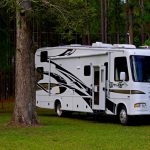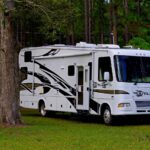


The best RV brand is the one whose specific model fits your travel plans, passes an independent inspection, and has dependable service nearby. Brands like Airstream, Grand Design, Jayco, Winebago, and Tiffin are worth comparing, while mixed reviews about Forest River, Coachmen, Thor Motor Coach, and others are a reason to investigate the exact model and year—not automatically walk away.
That distinction matters because an RV badge can cover a wide range of products. One owner may rave about a floor plan while another describes a frustrating repair, and both may be talking about different models, years, or dealer experiences.
We’ve seen how quickly a fun showroom visit can turn into a checklist marathon: run the slides, test the water heater, check the roof seals, and—especially for a motorhome—inspect the chassis as well as the coach. A National RV Inspectors Association professional can help uncover problems a shiny exterior won’t reveal.
So which brands deserve a closer look, and which ones need extra homework? Our guide compares 12 RV brands, explains what “best” and “worst” really mean, and shows you how to judge the individual RV before signing.
Key Takeaways
- There is no universally best or worst RV brand. Model, year, condition, maintenance, and dealer support can matter more than the badge.
- Compare 12 brands across RV types, including Airstream, Grand Design, Jayco, Winebago, Tiffin, Coachmen, Forest River, Keystone, and Thor Motor Coach.
- Treat negative reviews and rankings as research leads, not verdicts. Look for repeated, model-specific problems and verify the evidence.
- Inspect before you buy. Check for water damage, test every major system, review maintenance records, and search the VIN for recalls using NHTSA.
- For towables, verify payload and towing limits. A floor plan you love is not a safe match if your vehicle cannot handle the loaded RV.
Table of Contents
- ⚡ Quick Tips and Facts
- 🧭 How to Judge the Best and Worst RV Brands
- What “best” and “worst” really mean for RV buyers
- RV brand, manufacturer, and parent company: What’s the difference?
- How we evaluated RV brands
- 📜 RV Brand Background: How the Industry Took Shape
- Why RV quality can vary by model and year
- How ownership changes and production shifts affect buyers
- 🏆 Best RV Brands to Consider
- Best travel trailer and fifth-wheel brands
- 1. Airstream
- 2. Grand Design
- 3. Jayco
- 4. Winebago
- 5. Tiffin Motorhomes
- Best motorhome and Class B RV brands
- 6. Tiffin Motorhomes
- 7. Winebago
- 8. Jayco
- 9. Thor Motor Coach
- Best value RV brands and entry-level picks
- 10. Coachmen
- 11. Forest River
- 12. Keystone
- ⚠️ RV Brands That Deserve Extra Research
- How to interpret “worst RV brand” lists fairly
- Forest River: Broad lineup, big differences between models
- Thor Motor Coach: Inspect the specific coach and floor plan
- Dutchmen: Compare model, year, and dealer support
- Heartland: Check build details and local service options
- Palomino: Match the product line to your expectations
- Gulf Stream Coach: Research the exact model and parts support
- Fleetwood: Understand the model-year and ownership history
- 📊 Best and Worst RV Brands by Type
- Best and worst travel trailer brands
- Best and worst fifth-wheel brands
- Best and worst motorhome brands
- Best and worst Class B camper van brands
- Best RV brands for renovation projects
- 🔍 RV Quality, Reliability, and Common Problems
- Common RV defects to check before you buy
- Water leaks, roof failures, and delamination
- Electrical, plumbing, and appliance issues
- Chassis and powertrain reliability in motorhomes
- Warranty coverage, recalls, and repair delays
- 🛒 How to Choose the Right RV Brand
- Match the RV type to your travel plans
- Compare construction, materials, and insulation
- Check payload, towing capacity, and hitch weight
- Evaluate floor plans, storage, and livability
- Assess dealer service, warranty, and parts availability
- Buy new or used: Which is the smarter choice?
- 🧰 RV Inspection Checklist Before You Sign
- Questions to ask the RV dealer
- What to inspect during a pre-delivery walkthrough
- Why an independent RV inspection is worth considering
- How to research VINs, recalls, and service records
- 💡 Quick Tips for Avoiding a Bad RV Purchase
- ✅ Conclusion
- 🔗 Recommended Links
- ❓ FAQ
- What are the best RV brands overall?
- What are the worst RV brands to avoid?
- Are expensive RV brands always better quality?
- Which RV brands have the best warranty?
- Are Forest River and Thor RVs reliable?
- What is the best RV brand for first-time buyers?
- Which RV brands are best for full-time living?
- Should I buy a used RV from a brand with mixed reviews?
- 📚 Reference Links
⚡ Quick Tips and Facts
- There is no single “best” RV brand. A well-inspected model with a strong local dealer can be a better buy than a more celebrated brand that is poorly maintained or difficult to service.
- Compare the exact model and model year, not just the badge. Manufacturers build across multiple product tiers, factories, and floor plans; quality and equipment can differ significantly within one brand.
- Treat owner reviews as clues, not verdicts. A high-volume manufacturer naturally generates more reviews and complaints. Look for repeated, specific problems—not merely a large raw complaint count.
- Check recalls by VIN. The NHTSA VIN recall lookup can identify unrepaired safety recalls. It does not reveal every quality concern or service bulletin.
- Get an independent inspection. The NRVIA inspector directory can help you find a certified RV inspector. A dealer walkthrough is useful, but it is not the same as an independent evaluation.
- For towables, match the RV to the tow vehicle. Verify loaded trailer weight, payload, axle ratings, and hitch limits against the vehicle’s door-jamb labels and owner’s manual. The NHTSA towing safety guidance is a useful starting point.
- Ask who actually services the RV near home. Warranty coverage matters less if the nearest qualified repair shop is booked for months or will not accept the job.
- RV reviews can sound contradictory because owners buy different models, years, and dealer experiences. A complaint about a faulty water pump is not proof that every unit from that brand is defective.
- A “premium” badge is not a substitute for testing. Open every slide, run every appliance, inspect roof seals, and operate the generator and leveling system before signing.
- If you’re comparing off-pavement rigs, start with the intended use. Our guide to Toy Hauler Brands to Avoid Off-Road? 🚩 explains why a toy hauler’s label alone does not make it suitable for rough trails.
| Buyer priority | Brands and product lines worth comparing | What to verify |
|---|---|---|
| Classic travel-trailer construction | Airstream, Winebago | Interior layout, service access, insulation, repair costs, and suitability for your climate |
| Towable variety and floor plans | Grand Design, Jayco | Exact model-year issues, payload, warranty terms, and dealer service |
| Broad entry-level selection | Forest River, Coachmen, Keystone | Build details, delivery inspection, parts support, and condition of the specific unit |
| Motorhome shopping | Tiffin, Winebago, Newmar | Chassis condition, service records, recalls, generator hours, and coach systems |
| Premium fifth-wheel research | Grand Design fifth wheels, Jayco fifth wheels, Keystone fifth wheels | Pin weight, truck payload, frame condition, slide seals, and residential-system upkeep |
Brand examples are starting points, not a guarantee of quality. Confirm current product availability, specifications, warranty documents, and recall status directly with the manufacturer and dealer.
🧭 How to Judge the Best and Worst RV Brands
The search for the best and worst RV brands is understandable: RVs are complicated, expensive-to-own machines, and nobody wants their first weekend away to become a plumbing seminar in a parking lot. But a brand ranking can only take you so far.
A manufacturer’s reputation is shaped by its product range, production volume, model-year changes, dealer network, owner expectations, and the quality of a particular unit. We use brand rankings to help you decide what to investigate, not to declare that every RV wearing a certain logo is wonderful—or doomed.
What “best” and “worst” really mean for RV buyers
“Best” might mean easy tow, low maintenance, spacious, well insulated, simple to repair, or supported by a strong service network. Those are different goals. A compact Class C motorhome that suits weekend trips may not be the right full-time home, and a luxurious fifth wheel can be a poor fit if your truck lacks enough payload.
Likewise, “worst” is often shorthand for a pattern of risk: recurring owner complaints, inconsistent assembly, weak warranty experiences, hard-to-find parts, or an unsuitable design for the buyer’s intended use. It should not be treated as a universal sentence against every model or owner.
A useful brand comparison asks:
- Does this specific floor plan meet your needs?
- Are there repeated reports of the same specific defect on the model year you’re considering?
- Can you get warranty and non-warranty service close to home?
- Does the unit’s condition match its age, mileage, and maintenance records?
- Can your tow vehicle safely handle the loaded RV?
The final question matters more than the showroom’s “half-ton towable” sticker. The truck’s payload, tires, axle ratings, passengers, cargo, and hitch weight all count.
RV brand, manufacturer, and parent company: What’s the difference?
An RV badge is not always the whole story. One company may own several brands, while a brand may offer products built in more than one factory or product tier.
| Term | What it means | Why buyers should care |
|---|---|---|
| Brand | The name on the RV, such as Coachmen, Dutchmen, or Winebago | Owner reviews and reputation are often organized by brand, but may mix very different products |
| Manufacturer | The company or operating unit responsible for making the RV | It may determine warranty administration, parts support, and production practices |
| Parent company | The larger corporation that owns one or more RV makers or brands | Corporate ownership can change, but service and warranty responsibilities may depend on the actual product and contract |
| Chassis maker | The company supplying the motorhome’s underlying chassis, such as Ford or Freightliner | Chassis recalls and powertrain service may be handled separately from the RV coach |
| Component maker | The supplier of an appliance or system, such as Dometic, Lipert, or Suburban | Component warranties and service channels may differ from the RV manufacturer’s warranty |
For example, a motorhome can have a chassis warranty, an RV coach warranty, and separate coverage for appliances. Read the documents for the exact unit; a salesperson’s summary is not a substitute for the written terms.
How we evaluated RV brands
We look at several kinds of evidence, while keeping their limitations in view:
- Owner feedback: Reviews can uncover recurring problems and praise for features, but they are self-selected. Satisfied owners and frustrated owners are both more likely to post than people with nothing to report.
- Complaint patterns: We pay more attention to specific, repeated issues—such as leaks around a particular slide design—than to complaint totals without context.
- Recalls and safety records: Use NHTSA’s recall database and search by VIN. Recall counts alone do not measure build quality: a company may issue more recalls because it produced more units or identified and reported more problems.
- Independent inspections: Inspection findings can reveal defects before delivery, but a sample of inspected RVs does not represent every unit the brand has built.
- Dealer and repair access: A strong product is still frustrating if no nearby shop can service it.
- Fit for the buyer: Tow ratings, floor plan, climate use, storage, and accessibility matter as much as brand reputation.
One important caveat: a summary of an article, video, or review dataset is not a substitute for its full methodology. For example, SlashGear’s brand ranking combines sales, reviews, awards, and other signals. That can be helpful context, but it is not a controlled factory-quality test.
📜 RV Brand Background: How the Industry Took Shape

RV manufacturing includes everything from compact camper vans to giant motorhomes and multi-slide fifth wheels. The industry’s size is part of its appeal: buyers can choose very different ways to travel. It also makes blanket rankings messy. A towable trailer and a diesel pusher motorhome do not share the same chassis, supply chain, engineering needs, or typical repair profile.
The RV Industry Association publishes industry information and standards resources. Its data can help explain market trends, but sales or shipment figures do not directly tell you whether an individual RV is well assembled.
Why RV quality can vary by model and year
A company’s name on the front cap may stay the same while the product changes. Manufacturers may alter floor plans, suppliers, materials, production processes, or equipment from one model year to the next. A review of a 2018 unit may not accurately describe a 2025 version—or vice versa.
Quality can also vary because RVs combine many systems:
- Structural framing and wall panels
- Roof membranes, sealants, windows, and slide-outs
- Electrical systems, batteries, inverters, and converters
- Plumbing, water heaters, pumps, and tanks
- Appliances, heating, air conditioning, and generators
- Chassis, suspension, brakes, tires, and driveline on motorhomes
That means one owner may love a well-built floor plan while another reports a frustrating cluster of installation defects in a different unit. The useful question is not simply, “Is this brand good?” It is: “What does the evidence say about this exact model and year, and what does an inspection show about this exact RV?”
How ownership changes and production shifts affect buyers
Ownership structures and product lineups change over time. When researching a used RV, verify who built it, who handles warranty claims, and whether the relevant parts and service support remain available. The current parent company may not be the same as the company responsible for an older unit.
Production volume can distort online comparisons, too. A bestselling brand may have more total complaints simply because more RVs are on the road. A lesser-known brand may have fewer complaints because fewer owners are posting—not necessarily because every unit is better.
What evidence should tip the scale, then? Look for consistent patterns across multiple sources, then verify the individual RV yourself. That is why our brand shortlist is followed by a model-specific inspection checklist.
🏆 Best RV Brands to Consider
The brands below are worth putting on your comparison list, not automatic winners. We consider their product range, owner feedback, market presence, and use cases, while noting that reputation cannot certify an individual RV.
| Brand | Common strengths buyers seek | Main caution | Best first step |
|---|---|---|---|
| Airstream | Distinctive aluminum travel trailers and established owner community | Premium design does not eliminate appliance, seal, or repair issues | Inspect seams, plumbing, appliances, and the specific trailer’s history |
| Grand Design | Wide range of travel trailers and fifth wheels | Quality and service experiences vary by model, year, and dealer | Compare exact floor plans and warranty/service access |
| Jayco | Broad RV selection, including towables and motorhomes | Large lineup means the brand name alone tells you little | Research model-specific owner reports and recalls |
| Winebago | Motorhomes, camper vans, and towables across multiple segments | Parts, proprietary systems, and service capacity can affect ownership | Identify nearby qualified service before buying |
| Tiffin | Premium motorhomes and a strong owner following | Complex systems and repair/service experiences deserve close review | Inspect chassis, service records, and system operation |
| Newmar | Premium motorhome construction and residential-style options | Higher complexity can mean more specialized repair needs | Check service access, maintenance records, and electronics |
| Keystone | Broad towable lineup, including fifth wheels | Equipment and finish quality can differ across product tiers | Match truck capacity and inspect slides, frame, and seals |
Best travel trailer and fifth-wheel brands
For towables, compare travel trailers and fifth-wheel RVs as separate categories. A travel trailer generally connects to a bumper-mounted receiver; a fifth wheel couples over the truck bed and places significant pin weight on the tow vehicle. Neither is “better” in a vacuum.
Brands commonly shortlisted by buyers include Airstream, Grand Design, Jayco, Keystone, and Winebago. Also investigate newer towable manufacturers such as Brinkley RV and Alliance RV, particularly if their floor plans and service access suit your needs.
A 2024 model from a brand with a great reputation can still have a poor pre-delivery inspection. Conversely, a used unit from a brand with mixed online reviews may be a sensible purchase if it has excellent maintenance records and passes a professional inspection.
1. Airstream
Airstream is famous for its rounded aluminum travel-trailer design. The distinctive construction and long-running brand identity appeal to buyers who value a recognizable style, an active owner community, and a travel trailer with a different feel from the usual box-shaped profile.
Potential advantages
- Distinctive aluminum exterior and interior styling
- Multiple travel-trailer layouts and sizes
- Strong brand recognition and a well-established owner community
- A design that many buyers find memorable—and easy to spot from a mile away
Trade-offs to consider
- Construction style does not make a trailer maintenance-free.
- Inspect for water intrusion, damaged seams, floor softness, and corrosion.
- Appliance or system failures can still occur, and specialized repairs may require an experienced shop.
- Airstreams are not automatically the right fit for every tow vehicle or camping style.
The Airstream travel-trailer lineup is a good place to compare layouts. We recommend crawling through every storage compartment, looking closely at seams and seals, and testing the plumbing and electrical systems rather than letting the polished aluminum do all the talking. It has excellent stage presence; the roof still needs to pass inspection.
2. Grand Design
Grand Design RV makes travel trailers, fifth wheels, and motorized products. Buyers often praise its floor plans and feature combinations, while online feedback also includes familiar RV complaints about fit and finish, warranty processes, and repairs.
Why buyers shortlist it
- Broad towable range, including popular fifth-wheel layouts
- Floor plans designed around storage and living space
- Established owner communities and a large base of product information
What to check
- Slide alignment and seals
- Roof and exterior sealant condition
- Plumbing connections and water-system operation
- Dealer service availability and written warranty terms
If a model looks promising, compare its loaded weight and hitch or pin weight against your actual tow vehicle—not an optimistic brochure scenario. Browse Grand Design’s fifth-wheel range and travel trailers, then inspect the exact unit you plan to buy.
3. Jayco
Jayco offers a broad mix of motorhomes and towables. That variety is useful for shoppers who want to compare multiple RV types under one brand, but it also means feedback about one Jayco model should not be casually applied to another.
Potential strengths
- Many floor plans and RV categories
- Extensive dealer and owner visibility
- A range of products for different travel styles and experience levels
Potential drawbacks
- The wide lineup covers different construction approaches and equipment packages.
- Owner reports include both strong satisfaction and complaints about assembly, equipment, and warranty service.
- A large sales footprint can create more online reviews and complaints.
Check Jayco’s current RV lineup and find model-year-specific owner discussions. For any used unit, request service records, check for open recalls, and test all appliances under load.
4. Winebago
Winebago builds motorhomes and camper vans, as well as towable products. Its long-standing name and broad range make it an obvious shortlist brand, particularly for buyers comparing Class A motorhomes, Class C motorhomes, and compact van-based RVs.
Potential strengths
- Broad product portfolio and a recognizable service ecosystem
- Options across motorhome and camper-van categories
- Strong public visibility, giving buyers plenty of owner information to research
Potential drawbacks
- Some models rely on systems that may require specialist service.
- Reviews mention repair and warranty concerns, as with many RV manufacturers.
- Model-specific features, electronics, and chassis components can change the ownership experience substantially.
The official Winebago model range is useful for narrowing your search. For a used motorhome, ask about chassis service, generator maintenance, roof care, water damage, and any repairs involving proprietary systems. And yes, the typo “Winebago” appears in plenty of online searches; the company spells it Winebago.
5. Tiffin Motorhomes
Tiffin Motorhomes is associated with premium motorhomes and residential-style interiors. Many buyers value the brand’s owner community and feature-rich coaches, but luxury equipment means more systems to inspect and maintain.
Potential advantages
- Large motorhome layouts and upscale interior features
- A strong following among owners
- Models suited to extended travel and, in some cases, full-time use
Potential drawbacks
- Complex systems can require specialized diagnostics and service.
- Recalls, service delays, and warranty disputes should be researched by model year.
- Premium trim does not remove the need for a complete inspection.
Use the Tiffin model lineup to identify the exact coach, then search its VIN in the NHTSA recall database. On a used Tiffin, have a qualified technician check the chassis, generator, slides, leveling system, electrical systems, and any documented water repairs.
Best motorhome and Class B RV brands
Motorhomes add a major layer of complexity: the coach sits on a vehicle chassis. Some faults belong to the RV builder, others to the chassis manufacturer, and some involve a component supplier. Ask who services each system before buying.
For Class A motorhomes, Class C motorhomes, and camper vans, compare Winebago, Tiffin, Newmar, Jayco, and Thor Motor Coach by exact model, chassis, service history, and local repair options.
| Shopping priority | Brands to compare | Inspection emphasis |
|---|---|---|
| Premium motorhome | Tiffin, Newmar, Winebago | Chassis, generator, electronics, slides, leveling, maintenance records |
| Class C motorhome | Winebago, Jayco, Coachmen, Forest River | Cab-chassis condition, roof seams, overhead bunk, water intrusion, generator |
| Camper van | Winebago, Thor Motor Coach, Roadtrek | Van maintenance, electrical system, batteries, ventilation, service access |
| Diesel-pusher ownership | Tiffin, Newmar, Winebago | Engine and transmission records, air brakes, tires, cooling, and specialist service |
6. Tiffin Motorhomes
For motorhome shoppers, Tiffin merits a separate look because its products often emphasize comfort, storage, and residential-style amenities. A spacious coach can make long trips more pleasant—but every additional system adds another item to the maintenance list.
Before buying:
- Record the chassis make, model, and year.
- Verify maintenance and recall records.
- Test every slide and leveling jack.
- Run the generator under load.
- Inspect roof seams, bay compartments, and areas around windows.
- Confirm there is a nearby shop familiar with the coach.
A Tiffin may be a strong fit for travelers who want a full-featured motorhome and can support its maintenance needs. It is less appealing if your nearest qualified service center is a long day’s drive away.
7. Winebago
Winebago’s variety makes it one of the more versatile brands to research. A compact camper van, a Class C, and a large motorhome are very different ownership propositions, so compare them as separate products rather than assuming a single brand reputation applies to the entire catalog.
The Winebago model directory can help you identify current and discontinued lines. For older units, confirm parts availability and check whether key systems have been replaced or modified. For newer units, test every feature during the delivery walkthrough, especially power management, water systems, and electronics.
8. Jayco
Jayco’s motorhome lineup gives shoppers another mainstream option across multiple layouts and sizes. As with other brands, an individual unit’s care and inspection results matter more than a broad online score.
Look for:
- A complete maintenance file
- Evidence of prompt attention to leaks
- Clear records for recalls and warranty repairs
- A functioning generator, HVAC, plumbing, and electrical system
- A chassis inspection by a qualified mechanic
Start with Jayco’s motorhome models and ask the dealer to demonstrate every system with shore power disconnected where practical. If the coach only behaves when plugged into a pedestal, you have not finished testing it.
9. Thor Motor Coach
Thor Motor Coach sells Class A, Class B, and Class C motorhomes. Its broad selection and range of layouts make it relevant for shoppers, but online feedback includes the familiar mix of satisfied owners and concerns about assembly, dealer delivery, and warranty service.
Strengths buyers may value
- Many motorhome formats and floor plans
- Options ranging from compact van-based RVs to larger coaches
- Broad dealer visibility in many markets
Cautions
- Inspect the specific model and year rather than judging the entire manufacturer by one complaint.
- Check chassis and coach warranties separately.
- Confirm the dealer can demonstrate every system and address listed defects in writing.
Explore Thor Motor Coach’s lineup and search the VIN for recalls. If you’re shopping for a camper van, ask about battery capacity, charging behavior, insulation, ventilation, and the availability of service for the conversion systems.
Best value RV brands and entry-level picks
“Value” means more than a low purchase price. It can mean a practical layout, commonly available components, manageable weight, easier service, and reasonable maintenance demands. Mainstream brands such as Coachmen, Forest River, Keystone, and Jayco may offer many options, but each includes product tiers with different designs and equipment.
10. Coachmen
Coachmen RV offers motorhomes, fifth wheels, travel trailers, and other RV products. The breadth of its lineup makes it accessible to different buyers, but also makes model-specific research essential.
Look closely at
- Sealant around windows, doors, roof edges, and slide-outs
- Plumbing connections beneath sinks and around the water heater
- Electrical connections and appliance installation
- Floor and wall areas around windows for signs of moisture
- The dealer’s pre-delivery inspection and repair paperwork
A few reports in the supplied video summary singled out Coachmen Catalina towables and Coachmen Freelander motorhomes for inspection concerns. That is a limited sample, not proof that every Coachmen shares those defects. Use it as a reason to inspect carefully, not as a verdict.
11. Forest River
Forest River sells a large variety of RVs through many sub-brands and product lines. That scale creates lots of choice—and makes it especially risky to treat “Forest River” as one uniform product.
A lower-priced travel trailer, a premium fifth wheel, and a motorhome can have different construction details, suppliers, and intended uses. Some consumer rankings place Forest River high because of sales and broad owner feedback; other inspection discussions report substantial defects in certain sampled product lines. Those findings can coexist: sales popularity and sample-specific inspection results answer different questions.
Before buying, identify the actual product name and line, then inspect the exact unit. Start at the Forest River brand directory and review the relevant NHTSA recall information.
12. Keystone
Keystone RV makes many towable models, including travel trailers and fifth wheels. Buyers often appreciate the range of floor plans and features, while owner feedback also raises familiar questions about quality consistency, equipment, and warranty service.
For a Keystone:
- Confirm the loaded trailer’s weight and hitch or pin weight.
- Inspect the frame, suspension, tires, and slide mechanisms.
- Check the roof and all exterior sealant.
- Test water, electrical, heating, cooling, and appliances.
- Find out which nearby dealers accept warranty and non-warranty work.
The Keystone fifth-wheel range and travel-trailer range help you compare layouts. For manufacturer-specific fifth-wheel background, see our Fifth Wheel RV Manufacturers guide.
⚠️ RV Brands That Deserve Extra Research
This section is not a blacklist. It is a reminder to turn up the scrutiny when a brand or product line has mixed feedback, complex systems, limited local service, or several reports of similar defects.
Online lists sometimes rank brands from worst to best using sales, reviews, awards, and complaint data. SlashGear’s ranking, for example, describes its results as a composite view of available signals; it is not a lab test of every RV on the road. The article’s bottom-top order should therefore be read as a prompt for research—not a universal reliability score.
A second perspective comes from the supplied video summary: a certified RV inspector reportedly used AI to analyze more than 100 inspection reports on new or near-new units. The summary described Brinkley and Alliance as the strongest towable performers in that sample, while Forest River Wildwood-line units and Coachmen Catalina products had more findings. For motorhomes, Newmar ranked best in that dataset, with Coachmen Freelander showing more findings. Those results are useful but sample-bound: they do not establish a brand-wide failure rate, and the exact number of inspected units by model was not provided here.
The same summary reported estimated repair workloads averaging about 20 labor hours, with dealership repair timelines of two to four weeks; its high outliers reportedly took 25–35 hours and five to seven weeks. Treat those as figures from that inspection analysis—not an industry-wide benchmark. The larger lesson is practical: a new RV can still need substantial correction, and an independent inspection may save time and frustration.
How to interpret “worst RV brand” lists fairly
When two sources disagree, ask what each one measured:
| Evidence | What it may tell you | What it cannot tell you by itself |
|---|---|---|
| Sales rankings | Which brands sold or shipped more units | Whether each unit was well assembled |
| Owner-review averages | How reviewers describe their experience | The defect rate among all owners |
| Complaint counts | What kinds of problems consumers report | A fair comparison without sales volume and response context |
| Recall data | Known safety defects and remedy campaigns | Every quality defect, service concern, or cosmetic issue |
| Inspection reports | Conditions found in a particular sample of units | The condition of every unit from that brand |
| Awards | Industry or dealer recognition under an award’s criteria | A guarantee that your RV will be defect-free |
The reliable approach is to cross-check several sources, focus on repeated model-specific problems, and inspect the RV in front of you. If a ranking calls a brand “best” but says nothing about its sample size or scoring method, keep your enthusiasm on a short leash.
Forest River: Broad lineup, big differences between models
Forest River’s range covers numerous RV types and product lines. High sales can mean a large owner-review footprint and a high raw number of complaints. The relevant comparison is the rate and pattern of issues for the exact line, year, and system—not just how many reviews appear in search results.
The supplied inspection-video summary reported more findings in sampled Wildwood and similar towables. That merits closer inspection of the units and model years you’re considering, especially roof seals, plumbing, electrical installation, and final assembly. It does not prove that every Forest River product has the same defect pattern.
Browse the Forest River RV catalog, choose a specific model, and then search owner discussions for that model year. Ask the dealer what has been inspected and repaired before delivery. Get those answers in writing.
Thor Motor Coach: Inspect the specific coach and floor plan
Thor Motor Coach’s range includes multiple motorhome types and layouts. Consumer articles may point to mixed feedback about quality or warranty service, while other buyers value the floor plan, features, and availability. Both perspectives can be true.
For any Thor coach, inspect the coach body and vehicle chassis separately. Verify generator operation, slide alignment, leveling, water systems, electrical systems, and chassis service. Use the Thor Motor Coach model pages and NHTSA recall search to check the specific unit.
Dutchmen: Compare model, year, and dealer support
Dutchmen RV has offered a variety of towable RVs. Owner feedback described in the competing-article summary includes praise for livability and floor plans, alongside concerns about build quality and warranty coverage.
That mix calls for careful, product-specific research:
- Confirm who will handle warranty work.
- Inspect the roof, slide-outs, frame, and plumbing.
- Search by exact model and year—not just “Dutchmen RV problems.”
- For a used RV, review receipts for leak repairs and structural work.
- Confirm parts and component support for older models.
Heartland: Check build details and local service options
Heartland RV offers towable products, including fifth wheels. Reviews cited in the supplied article summary praised floor plans and features but also raised concerns about quality and warranty support.
If a Heartland fifth wheel is on your shortlist, verify truck payload and pin weight first. Then inspect the frame, hitch area, suspension, slide seals, roof, and water-system connections. Our guide to fifth-wheel RVs can help you compare the towing setup before you fall for a kitchen island the size of your first apartment.
Palomino: Match the product line to your expectations
Palomino RV makes travel trailers, fifth wheels, and truck campers. Owner feedback is mixed in the competing-article summary: some people appreciate usability and features, while other reports cite leaks, structural problems, or warranty concerns.
The first step is to identify the product category and model. A truck camper has a different inspection profile from a fifth wheel. Check water entry points, wall and floor condition, roof seals, appliance operation, and parts availability. If you are buying used, pay a qualified inspector to look for hidden moisture damage before you agree to the sale.
Gulf Stream Coach: Research the exact model and parts support
Gulf Stream Coach makes motorized and towable RVs. Some consumer reviews in the competing-article summary were sharply negative, while the company has also received industry recognition. Those signals do not cancel each other out: awards and owner complaints measure different things.
For a Gulf Stream, verify the exact model’s service history and parts availability. Inspect water-heater operation, roof and window seals, underbody corrosion, and any prior delivery damage. If you find a cluster of moisture or structural concerns, do not dismiss it as routine RV “character.”
Fleetwood: Understand the model-year and ownership history
Fleetwood has a long history in the motorhome market. A used Fleetwood may offer a layout you like, but the brand name alone cannot tell you who built the chassis, what support remains, or whether a particular model has been maintained well.
Look up the unit’s year, model, chassis, and service history. Inspect the roof, slides, basement storage, generator, and all coach systems. Confirm that parts and experienced technicians are available locally before making an offer.
📊 Best and Worst RV Brands by Type
A brand can perform differently across RV categories. Use this table as a research map, not a scorecard declaring winners and losers.
| RV type | Brands worth comparing | Key risks to investigate |
|---|---|---|
| Travel trailer | Airstream, Grand Design, Jayco, Keystone, Forest River, Coachmen, Brinkley, Alliance | Water intrusion, frame and suspension, hitch weight, slide seals, payload match |
| Fifth wheel | Grand Design, Jayco, Keystone, Heartland, Forest River, Brinkley, Alliance | Pin weight, truck payload, frame, slide systems, roof, residential appliances |
| Class A motorhome | Tiffin, Winebago, Newmar, Thor Motor Coach, Fleetwood | Chassis, drivetrain, generator, electronics, slides, maintenance costs |
| Class C motorhome | Winebago, Jayco, Coachmen, Forest River, Thor Motor Coach | Cab chassis, roof seams, overhead bunk, generator, water leaks |
| Class B camper van | Winebago, Thor Motor Coach, Roadtrek | Van service, battery capacity, insulation, ventilation, conversion-system support |
Best and worst travel trailer brands
Travel trailers are among the most varied RV categories. A lightweight weekend trailer and a large multi-slide trailer may have very different structures, tow requirements, and service needs.
Brands to compare: Airstream, Grand Design, Jayco, Keystone, Forest River, Coachmen, Brinkley, and Alliance. The supplied inspector-video summary highlighted Brinkley and Alliance as the strongest towable brands in its sample, and Forest River Wildwood-line and Coachmen Catalina units as having more observed findings. Because the summary does not establish a representative failure rate across all models and years, use it as a reason to inspect, not as a final ranking.
Before buying:
- Check the trailer’s actual loaded weight and tongue weight.
- Confirm the tow vehicle’s payload, receiver rating, axle ratings, and tire capacity.
- Inspect roof seams, windows, and slide seals.
- Run water through every faucet and test the water heater.
- Check the floor around the bathroom, kitchen, and exterior doors for softness.
- Test brakes, lights, tires, and breakaway equipment.
Best and worst fifth-wheel brands
Fifth wheels offer room and storage, but their pin weight can consume a pickup’s payload surprisingly quickly. Many buyers begin with a floor plan and discover later that their truck’s payload label has veto power.
Brands to compare include Grand Design, Jayco, Keystone, Heartland, Forest River, Brinkley, and Alliance.
For each unit:
- Check the loaded pin weight, not only the brochure’s dry figure.
- Add passengers, cargo, hitch, and accessories to the truck’s payload calculation.
- Inspect the frame, hitch area, suspension, and tires.
- Test all slides and examine their seals.
- Check for roof, wall, or basement-compartment water damage.
- Verify the fifth-wheel hitch is compatible with the truck bed.
For broader manufacturer comparisons, see Fifth Wheel RV Manufacturers.
Best and worst motorhome brands
Motorhome reliability depends on both the RV coach and its chassis. The inspector-video summary described Newmar as the best motorhome in its analyzed sample, with Winebago and Forest River Forester also showing relatively fewer or less severe findings. It identified Coachmen Freelander as having more findings in that dataset.
Again, that is a limited inspection sample, not a broad national reliability survey. A used Newmar with poor maintenance can be a worse buy than a well-cared-for Coachmen. Verify engine and transmission service, tire age, generator hours, roof condition, and records for all recalls and repairs.
Compare Newmar, Winebago, Tiffin, Jayco, and Thor Motor Coach by model and chassis.
Best and worst Class B camper van brands
A Class B camper van is compact, convenient, and easier to park than a large motorhome. It is still a tightly packed combination of van and RV systems. Check the base vehicle’s maintenance records as carefully as the conversion.
Compare Winebago, Thor Motor Coach, and Roadtrek. Look at:
- Battery chemistry and usable capacity
- Solar and alternator charging
- Ventilation and insulation
- Water-tank capacity and winterization
- Bed dimensions and storage
- Access to service for both the van and conversion systems
A van that fits your driveway may be the best RV for your lifestyle—even if it has fewer review stars than a sprawling coach. Real-world convenience counts.
Best RV brands for renovation projects
Planning a renovation? Begin with the RV’s structure and water history, not its paint color. A cosmetic makeover cannot rescue rotted framing, a compromised roof, or a bad floor.
Look for:
- A dry, solid floor and intact frame
- A roof and wall structure suitable for repair
- Standard or readily available appliances and parts
- A layout that can be modified without altering structural members
- No unresolved title, recall, or safety issues
The Facebook group link supplied for a discussion titled “What are the best and worst travel trailer brands for renovation?” is not publicly readable without access, so we cannot verify its specific recommendations. You can view the Roadtreking discussion and compare any owner suggestions with an in-person inspection and professional moisture assessment.
🔍 RV Quality, Reliability, and Common Problems
An RV is a moving home made from a lot of materials, fasteners, seals, appliances, wiring, and plumbing. Minor issues are common enough that a detailed inspection is valuable. The goal is to distinguish routine adjustment or maintenance from evidence of water damage, unsafe wiring, structural trouble, or a neglected chassis.
Common RV defects to check before you buy
Use this quick checklist while inspecting:
| Area | What to test or inspect | Warning sign |
|---|---|---|
| Roof and seals | Roof membrane, seams, vents, skylights, antennas | Cracks, gaps, soft areas, staining, or signs of recent concealment |
| Slides | Full extension and retraction; seals and floor edges | Binding, uneven movement, scraping, or water staining |
| Plumbing | Faucets, toilet, shower, water heater, pump | Leaks, pump cycling when taps are off, odor, or weak pressure |
| Electrical | Shore power, batteries, converter, outlets, lights | Warm outlets, flicker, corrosion, unexplained faults |
| Appliances | HVAC, fridge, range, microwave, water heater | Failed startup, unusual noise, inconsistent operation |
| Chassis and tires | Tires, brakes, suspension, frame, steering | Cracks, uneven wear, corrosion, leaks, or mismatched tires |
| Interior | Floors, cabinets, doors, windows | Soft flooring, musty odors, swelling, stains, or misaligned doors |
| Safety systems | Smoke, carbon monoxide, and LP detectors | Expired, missing, or nonfunctional alarms |
The RVIA consumer resources and an independent inspector can provide additional guidance. Do not rely on a quick visual walk-through alone.
Water leaks, roof failures, and delamination
Water intrusion is one of the most consequential problems in an RV because damage may spread behind walls and beneath floors before it becomes obvious. Inspect roof transitions, vents, skylights, windows, marker lights, doors, slide roofs, and exterior storage compartments.
Watch for:
- Soft flooring around sinks, toilets, doors, and windows
- Discolored ceiling panels or cabinet interiors
- Bubling, ripling, or separation on exterior walls
- Musty smells that intensify after the RV has been closed up
- Fresh sealant patches that cover rather than explain previous repairs
A moisture meter can help, but readings need context and skill. If you suspect hidden damage, ask a qualified inspector to evaluate it. Never assume a recent caulk job means the leak is fixed; ask for photos, invoices, and the cause of the water entry.
Electrical, plumbing, and appliance issues
RVs use both low-voltage DC and higher-voltage AC systems, often alongside batteries, converters, inverters, solar, and shore-power connections. Test systems safely and use a qualified technician for suspected wiring faults.
Electrical checks
- Test outlets and lights on shore power and battery power where applicable.
- Confirm the converter charges the battery.
- Inspect visible battery terminals for corrosion or loose connections.
- Verify the inverter, solar controller, and generator work if installed.
- Look for amateur wiring modifications.
Plumbing checks
- Fill the fresh-water system and inspect accessible connections.
- Run all faucets, shower, and toilet.
- Test the water heater using the approved operating method.
- Check the pump, drain lines, and tank monitors.
- Inspect beneath sinks and around the toilet for leaks.
Apliances
Run the refrigerator, furnace, air conditioner, range, microwave, and water heater. For dual-fuel appliances, test each operating mode when safe and practical. Keep a written list of anything that did not operate correctly; “we’ll fix it later” is not a repair order.
Chassis and powertrain reliability in motorhomes
A motorhome needs two inspections: one for the coach and another for the vehicle. Have a qualified mechanic inspect the chassis, engine, transmission, brakes, suspension, steering, cooling, and tires. Ask for maintenance records and check tire date codes; tread can look respectable while old tires may still be a safety concern.
For diesel motorhomes, include air brakes and diesel-specific systems in the inspection. For gas motorhomes, assess the chassis and engine under load where possible. Verify generator service and run it with major electrical loads operating.
Search the motorhome’s VIN through NHTSA. A coach may have separate recall obligations for the chassis and the RV conversion.
Warranty coverage, recalls, and repair delays
Read the actual warranty documents before signing. Find out:
- What is covered, and for how long?
- Which components have separate warranties?
- Who pays travel or transportation costs?
- Are repairs limited to authorized service centers?
- Does the manufacturer require a particular maintenance schedule?
- What is the process if a dealer cannot schedule the repair promptly?
A recall is different from a warranty claim. Use the NHTSA recall lookup to check open safety recalls by VIN. For a used RV, request proof that applicable recall work has been completed.
Repair delays can be a practical ownership issue even when a claim is approved. Call nearby service centers before buying and ask whether they accept that brand, how they handle warranty work, and whether they service the specific chassis or appliance system.
🛒 How to Choose the Right RV Brand
Start with how you plan to travel, then choose a type and floor plan. Starting with the logo is like buying hiking boots because you like the mountain on the box.
Match the RV type to your travel plans
| Your travel style | RV type to consider | Main trade-off |
|---|---|---|
| Weekend trips and easier storage | Small travel trailer or camper van | Less living space and storage |
| Family road trips | Travel trailer or Class C | Tow-vehicle needs or motorhome chassis costs |
| Long stays and larger living area | Fifth wheel or larger motorhome | Greater weight, setup complexity, and maintenance |
| Frequent city driving and compact travel | Class B camper van | Limited interior space and higher system density |
| Full-time or seasonal living | Larger fifth wheel or motorhome | More systems, maintenance, and service planning |
Before comparing brands, write down your travel frequency, usual destinations, passenger count, storage needs, climate, and budget for ongoing maintenance. If you want off-grid capability, calculate battery and water needs rather than assuming a solar panel solves everything.
Compare construction, materials, and insulation
Ask what the walls, roof, floor, and frame are made from. “Aluminum frame,” “laminated wall,” and “vacuum-bonded construction” are not complete descriptions of durability on their own. The quality of assembly, sealing, repairability, and water management matters.
Check:
- Framing and wall construction
- Roof material and maintenance requirements
- Insulation type and claimed R-values
- Window type and thermal performance
- Underbely enclosure and tank protection
- Accessibility of plumbing and electrical components
- Whether common repairs can be made without removing major interior sections
If you travel in cold or hot weather, ask how the unit is designed for those conditions and what the manufacturer’s ratings actually mean. A “four-season” label is not a substitute for checking tank placement, insulation, heated underbely design, and window performance.
Check payload, towing capacity, and hitch weight
For towables, use the tow vehicle’s actual ratings, not just a marketing phrase. Check the driver-side door-jamb payload label and owner’s manual. Account for passengers, cargo, accessories, hitch equipment, and the trailer’s loaded tongue or pin weight.
For a fifth wheel, pin weight can substantially affect truck payload. A truck may have a high advertised tow rating and still run out of payload first. Use the vehicle and RV manufacturer’s specifications, then verify the loaded combination at a scale when practical.
The NHTSA towing safety page is a useful reference. When in doubt, ask a qualified RV or towing specialist—not the person with the strongest opinion in a campground.
Evaluate floor plans, storage, and livability
Walk through the RV as if you were using it on a rainy day:
- Can people pass each other with slides in?
- Is there a place to work, eat, sleep, and store wet gear?
- Can the bathroom door open fully?
- Is the refrigerator accessible during travel stops?
- Do drawers and cabinets remain usable when slides are retracted?
- Is the bed comfortable and easy to reach?
- Can you reach water shutoffs, fuses, and service panels?
Take measurements. A floor plan that looks roomy online may feel different once the family, dog, outdoor gear, and grocery bags arrive. We learned to open every cabinet before discussing upholstery. Storage has a way of becoming the star of the trip.
Assess dealer service, warranty, and parts availability
A nearby dealer can make ownership easier, but proximity is not proof of good service. Ask whether the service department accepts warranty work for that brand and whether it has technicians trained on your RV’s systems.
Before buying:
- Call at least two service centers.
- Ask about warranty acceptance and typical booking procedures.
- Confirm who handles chassis and appliance work.
- Ask how parts are ordered and how status updates are provided.
- Check online owner feedback for specific service experiences.
- Get promises about repairs, included equipment, and delivery condition in writing.
Do not assume the selling dealer will provide every repair quickly after the sale. Your future self will appreciate knowing the answer before a slide-out refuses to retract at a campground.
Buy new or used: Which is the smarter choice?
A new RV offers the latest floor plans and warranty coverage, but it still needs a thorough delivery inspection and may require early adjustments. A used RV can provide better value if it has clear service history and has been properly maintained, but hidden water damage or deferred maintenance can erase that advantage.
| New RV | Used RV |
|---|---|
| Latest layouts and equipment | More history and condition clues to investigate |
| Manufacturer warranty may apply | Warranty may be limited, expired, or transferable only under conditions |
| Still subject to assembly defects | May have repairs, wear, or hidden damage |
| Delivery inspection is essential | Independent inspection and maintenance records are essential |
For either option, compare the individual unit’s condition, written warranty, service access, and recall status. A well-maintained used RV can be a smart buy; a neglected one is an expensive mystery box with curtains.
🧰 RV Inspection Checklist Before You Sign
A pre-purchase inspection is not a formality. It is your chance to uncover defects before they become your responsibility. Bring a flashlight, notepad, and phone for photos. If you do not know how to operate a system safely, ask the dealer or inspector to demonstrate it.
Questions to ask the RV dealer
Ask direct, specific questions:
- Has the RV had a documented pre-delivery inspection?
- What defects were found, and which have been repaired?
- Can I see the repair orders and parts records?
- Are there open recalls for this VIN?
- Which warranty applies to the RV, chassis, and appliances?
- Will the dealer accept warranty work after delivery?
- Are all listed accessories, keys, remotes, manuals, and equipment included?
- Can the RV be inspected by an independent professional before purchase?
- Are any roof, leak, or structural repairs documented?
- What is the process for reporting a defect discovered after delivery?
If the answer is “everything is fine,” ask them to show you the paperwork. Friendly reassurance is pleasant; records are more useful.
What to inspect during a pre-delivery walkthrough
Use this step-by-step process:
- Exterior: Check roof access and visible seals, body panels, windows, lights, tires, wheels, hitch, and storage doors.
- Interior: Look for stains, soft flooring, cabinet damage, odors, loose trim, and misaligned doors.
- Slides and awnings: Operate each one fully. Listen for unusual sounds and inspect seals.
- Water system: Fill or connect as appropriate, run faucets, flush the toilet, inspect for leaks, and test the water heater.
- Electrical system: Test shore power, batteries, converter, outlets, lights, and installed inverter or solar equipment.
- Apliances: Run the refrigerator, furnace, air conditioner, range, microwave, and generator if equipped.
- Safety items: Test smoke, carbon monoxide, and propane detectors.
- Road equipment: Check brakes, turn signals, breakaway equipment, mirrors, and camera systems.
- Paperwork: Confirm VIN, manuals, warranty documents, title status, and promised repairs.
- Document defects: Photograph and list every issue. Have repair obligations recorded in writing.
Do not rush the walkthrough. If the dealer says a system cannot be tested because the battery is dead, the tank is empty, or a key is missing, have that limitation and a follow-up test documented.
Why an independent RV inspection is worth considering
An independent inspector works for you, not the dealership. A qualified inspector may identify moisture, unsafe wiring, structural issues, appliance faults, or maintenance needs that a brief delivery tour could miss.
Find an inspector through the NRVIA directory, and ask what their inspection includes. Confirm whether the report covers the roof, chassis, appliances, moisture readings, and towing equipment. For a motorhome, consider a separate chassis inspection by a qualified mechanic.
The supplied video summary described repairs averaging around 20 labor hours in the analyzed new or near-new inspection sample, with some cases reportedly requiring considerably more time. That sample does not guarantee your RV will need repairs, but it underlines why finding defects early matters. As the inspector summarized the broader lesson: “the perfect RV does not exist.” We would add: the one you inspected thoroughly is usually a safer bet than the one you admired from across the lot.
How to research VINs, recalls, and service records
Before purchase:
- Match the VIN on the RV, title, and registration documents.
- Search for safety recalls using NHTSA’s VIN lookup.
- Request repair invoices, maintenance logs, and warranty records.
- Ask whether the unit has had water intrusion, collision damage, or structural repairs.
- Verify the chassis service history for motorhomes.
- Check tire dates and replacement records.
- Confirm that any recall remedy was completed and documented.
For used RVs, ask the owner to authorize access to relevant service history where available. A clean-looking exterior cannot reveal what happened inside the walls; records and inspection work together.
💡 Quick Tips for Avoiding a Bad RV Purchase
✅ Compare the model and model year, not just the brand.
✅ Inspect the RV you will actually buy. Do not assume another unit on the lot is identical.
✅ Check the VIN for recalls through NHTSA.
✅ Use an independent inspector found through NRVIA.
✅ Verify tow ratings and payload with your vehicle’s actual labels and documentation.
✅ Test every appliance and system before signing.
✅ Look for water damage first. It can be costly and difficult to repair.
✅ Call local service shops before committing to a brand or complex system.
✅ Ask for repair promises in writing, including dates and responsibility.
✅ Treat awards, sales rankings, and online reviews as evidence—not a guarantee.
✅ Walk away if the seller refuses a reasonable inspection. A good RV should survive a flashlight, a checklist, and a few pointed questions.