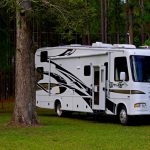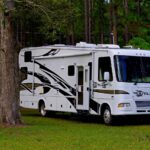

The best used RV brands to start researching include Airstream, Jayco, Winebago, Tiffin, Newmar, Grand Design, and Lance—but the best buy is always the specific RV with a clean inspection, solid maintenance records, and a floor plan that fits your travels. A famous badge can’t seal a leaky roof or make an overloaded tow vehicle safe.
We’ve watched shoppers fall for gleaming aluminum and roomy slide-outs, only to find that the most impressive feature was a fresh patch hiding old water damage. The smarter move? Compare brands, then judge each RV on its own condition, history, and fit.
Key Takeaways
- Research 15 used RV brands across travel trailers, fifth wheels, motorhomes, camper vans, and truck campers.
- Prioritize condition over reputation. Check for water damage, test every system, review records, and arrange an independent inspection.
- Match the RV to your travel style and vehicle. Confirm loaded weight, payload, hitch ratings, floor plan, and service needs.
- Treat model names and owner reviews as research leads, not guarantees. Condition varies by individual RV and model year.
- 👉 Shop and compare real listings: Airstream on RVshare | Jayco on RVshare | Winebago on RVshare | Grand Design on RVshare | Lance on RVshare
Table of Contents
- ⚡️ Quick Tips and Facts: Buying a Used RV
- 🧭 Used RV Brands: A Short History of What Makes Them Last
- 🏕️ Why Choosing the Right Used RV Brand Matters
- 🔍 What Makes a Used RV Brand or Model Worth Considering?
- Build quality, reliability, and repairability
- Parts availability, warranties, and dealer support
- Owner reviews and long-term reliability data
- 🏆 15 Best Used RV Brands to Keep on Your Radar
- 1. Airstream
- 2. Winebago
- 3. Jayco
- 4. Tiffin Motorhomes
- 5. Newmar
- 6. Entegra Coach
- 7. Leisure Travel Vans
- 8. Grand Design RV
- 9. Oliver Travel Trailers
- 10. Lance
- 11. Outdoors RV
- 12. Escape Trailer Industries
- 13. Forest River
- 14. Keystone RV
- 15. Coachmen
- 🚐 Best Used RV Brands by RV Type
- Best used travel trailer brands Best used fifth-wheel brands
- Best used Class A motorhome brands
- Best used Class B camper van brands
- Best used Class C motorhome brands
- Best used truck camper brands
- 📊 Used RV Brand Comparison: What to Look For
- Reliability, construction, and expected maintenance
- Resale value and depreciation
- Floor plans, sleeping capacity, and livability
- Towing compatibility and motorhome chassis
- ⭐ Top Used RV Models Worth Watching
- Popular travel trailer and fifth-wheel models
- Popular Class A, B, and C motorhome models
- How to compare model years and floor plans
- 💸 Used RV Depreciation, Resale Value, and Ownership Costs
- How depreciation affects used RV value
- What affects resale value most
- Budgeting for insurance, storage, repairs, and upkeep
- 🧩 Different Types of Used RVs to Consider
- Towable RVs versus motorhomes
- Newer budget RV or older premium RV?
- Four-season, lightweight, and off-grid RVs
- 🛠️ What to Check Before Buying a Used RV
- Used RV inspection checklist: roof, walls, and water damage
- Inspecting appliances, plumbing, electrical, and HVAC
- Motorhome engine, transmission, tires, and generator checks
- VIN, title, recalls, service records, and ownership history
- Why an independent RV inspection is worth it
- 🤝 Buying a Used RV From a Dealer or Private Seller
- Pros and cons of an experienced RV dealer
- Questions to ask before you buy
- Negotiating, financing, and understanding the paperwork
- Where to find your next used RV
- ✅ Matching the Best Used RV Brand to Your Travel Style
- Best brands for full-time RV living
- Best brands for families and weekend trips
- Best brands for solo travelers and couples
- Best brands for bondocking and cold-weather camping
- 🚫 Used RV Buying Mistakes to Avoid
- 🧰 Ownership Tips for Your First Season With a Used RV
- Conclusion
- 🔗 Recommended Links
- ❓ FAQ
- What are the most reliable used RV brands?
- Which used RV brands hold their value best?
- What is the best used RV brand for beginners?
- Are older premium RVs better than newer budget models?
- How many miles are too many on a used motorhome?
- What used RV brands should buyers research carefully?
- Is it better to buy a used RV from a dealer or a private seller?
- 📚 Reference Links
Quick Tips and Facts: Buying a Used RV
The best used RV brand is a shortlist, not a magic badge. Condition, model year, maintenance records, floor plan, and fit with your tow vehicle can matter more than the logo on the nose.
Our RV Brands™ rule of thumb: Buy the specific RV that passes a thorough inspection and suits your travel plans—not the brand name you hope will excuse a leak.
| Quick check | What to do |
|---|---|
| Start with your travel style | Decide whether you want a motorhome, travel trailer, fifth wheel, truck camper, or camper van. |
| Match your tow vehicle | Check the tow vehicle’s payload, GVWR, GCWR, and hitch ratings against the trailer’s loaded weight—not just its advertised dry weight. The NHTSA towing guide explains key towing considerations. |
| Look for water damage first | Inspect the roof, seals, walls, floors, slide-outs, and storage compartments for stains, swelling, soft spots, and musty odors. A small leak can hide a surprisingly large repair. |
| Check age as well as mileage | Motorhome tires, batteries, seals, and appliances age even when an RV sits unused. Ask for service records and inspect components in person. |
| Hire an independent inspector | A qualified RV inspector can check systems and structure that a quick walk-through may miss. Find inspectors through the National RV Inspectors Association. |
| Research the exact model year | A manufacturer’s reputation is a starting point, not a guarantee. Compare the specific model, floor plan, recalls, owner reports, and maintenance history. |
| Test everything | Run the air conditioner, furnace, refrigerator, water heater, slides, awnings, plumbing, generator, and electrical systems before committing. |
A couple of useful starting points: Jayco, Winebago, and Airstream make models worth researching across different RV categories. If a motorhome is on your list, our guide to 12 Best Class A RV Brands for Your Next Big Trip 🚍 is a useful companion.
One question should stay in the back of your mind as you shop: Would you rather own a famous brand with hidden water damage, or a less glamorous RV with clean records and a sound inspection? We’ll come back to that decision after comparing the brands.
Used RV Brands: A Short History of What Makes Them Last

The RV market spans everything from compact camper vans to large diesel motorhomes. Some makers focus on a particular niche; others produce a broad range of towables and motorhomes. That variety is useful for shoppers, but it means a brand’s name alone doesn’t tell you how a particular RV was built or how it was treated.
Manufacturing methods, suppliers, designs, and quality-control practices can change over time. A 10-year-old model and a newer model from the same company may differ in construction, components, floor plan, and service needs. That’s why advice that labels an entire manufacturer “good” or “bad” without naming model years can be too broad to guide a purchase.
Some brands have built reputations around recognizable features:
- Airstream is known for its riveted aluminum travel-trailer shell.
- Oliver Travel Trailers specializes in molded-fiberglass trailers.
- Northwood Manufacturing sells rugged towables under names including Arctic Fox.
- Newmar and Tiffin are associated with premium motorhomes.
- Jayco, Forest River, Keystone, and Coachmen offer broad lineups, giving used buyers more models and floor plans to compare.
Those distinctions are useful, but not a substitute for checking the RV itself. The RV Industry Association provides industry information, while NHTSA’s recall lookup lets you search by vehicle identification number or manufacturer. An RV’s history is part of its specification.
Why Choosing the Right Used RV Brand Matters
A well-chosen brand can make it easier to find a floor plan you like, get parts, locate service, and compare owner feedback. But the name matters most when paired with the right model, year, condition, and support network.
A used RV may spend more time parked than a car, yet it contains many systems that must work together: chassis, tires, brakes, roof, plumbing, wiring, appliances, heating, cooling, and sometimes slides and generators. A dependable powertrain won’t prevent a roof leak; a sturdy trailer frame won’t make an overloaded tow vehicle safe.
What brand reputation can—and can’t—tell you
| Brand reputation can help you assess… | It cannot guarantee… |
|---|---|
| Whether the company has a long track record | That this individual RV is leak-free |
| Whether owners commonly discuss a model | That every model year is equally well built |
| Potential resale demand | A specific future selling price |
| General parts or service availability | That a nearby shop can repair every system |
| Common construction approaches | That maintenance was performed correctly |
We’ve seen shoppers get swept up by a premium badge and stop asking ordinary questions: Where are the service records? Has the roof been inspected? Do the slides operate smoothly? That’s when reputation turns into wishful thinking.
What Makes a Used RV Brand or Model Worth Considering?
A strong candidate combines sound construction, sensible ownership costs, accessible support, and a floor plan you’ll actually use. No single rating captures all of that, so compare the whole package.
Build quality, reliability, and repairability
Look for details you can verify: frame condition, roof and wall construction, water-damage history, cabinet attachment, slide operation, and the quality of repairs. Ask the seller to explain any modifications or past repairs and request documentation.
Construction materials are relevant, but they are not a shortcut to a verdict. A molded-fiberglass trailer may have fewer conventional seams than some designs, but it still has appliances, plumbing, wiring, tires, and hardware that require care. An aluminum-framed RV still needs intact seals and sound floor and roof construction.
✅ Better sign: A seller can show dated maintenance and repair records.
❌ Warning sign: “It’s always been stored indoors” with no evidence, no inspection history, and a musty smell.
Parts availability, warranties, and dealer support
Ask whether the company still supports the model and whether common service items are available. A motorhome also has a chassis manufacturer and a coach builder; a repair may involve either—or both. For example, an RV could have a Ford or Mercedes-Benz chassis underneath a different company’s motorhome body.
Check the manufacturer’s support resources before purchase:
- Jayco owner resources
- Winebago owner resources
- Airstream owner resources
- Newmar owner resources
- Tiffin owner resources
A manufacturer’s current warranty generally does not transfer automatically or cover an older used RV in the way shoppers may expect. Read the written terms, confirm coverage directly, and don’t treat a seller’s verbal promise as a warranty.
Owner reviews and long-term reliability data
Online owner discussions can reveal recurring complaints and workarounds, but individual posts are anecdotes, not controlled reliability studies. Read several sources and compare reports for the exact model and year. Look for patterns about water intrusion, frame or suspension issues, electrical problems, appliance access, and dealer service.
Review pages can also lean positive or negative depending on who chooses to post. We recommend combining owner reports with a physical inspection, maintenance records, recall research, and—where available—professional valuation information such as J.D. Power RV values.
15 Best Used RV Brands to Keep on Your Radar
This is a research shortlist, not a claim that every RV from these manufacturers is dependable. The right choice depends on your budget, tow vehicle, trip style, and the condition of the individual unit.
| Brand | Known for | Best fit to investigate | Main trade-off |
|---|---|---|---|
| Airstream | Aluminum travel trailers | Buyers who value distinctive construction and resale demand | Specialized repairs and premium resale expectations |
| Winebago | Motorhomes and camper vans | Buyers seeking broad motorhome choices | Model-year and system-specific differences |
| Jayco | Family towables and motorhomes | Families and first-time RV shoppers | Inspect the exact year and unit carefully |
| Tiffin Motorhomes | Premium motorhomes | Buyers considering upscale Class A or Class C coaches | Larger size and more complex systems |
| Newmar | Premium motorhomes | Long-distance and full-time motorhome use | Specialized service and component costs |
| Entegra Coach | Luxury motorhomes | Buyers seeking higher-end appointments | More systems to maintain and repair |
| Leisure Travel Vans | Compact Class B+ motorhomes | Couples and travelers wanting a smaller footprint | Limited space and a narrower used-market pool |
| Grand Design RV | Towables and fifth wheels | Buyers comparing modern floor plans | Check the specific build, seals, and service records |
| Oliver Travel Trailers | Molded-fiberglass travel trailers | Buyers who prioritize a distinctive trailer shell | Limited floor-plan and inventory choices |
| Lance | Travel trailers and truck campers | Buyers seeking towables or pickup-mounted campers | Match weight and payload closely |
| Outdoors RV | Ruged travel trailers and fifth wheels | Buyers focused on cold-weather or remote camping | Heavier construction can demand more tow capacity |
| Escape Trailer Industries | Molded-fiberglass travel trailers | Buyers wanting a compact, low-profile trailer | Availability and layout may be limited |
| Forest River | A wide range of towables and motorhomes | Shoppers wanting many configurations to compare | Build and finish vary across divisions and models |
| Keystone RV | Travel trailers and fifth wheels | Buyers comparing family and extended-stay layouts | Inspect slides, seals, and structural condition |
| Coachmen | Towables and motorhomes | Buyers looking for practical model choices | Compare individual lines and years rather than assuming one quality level |
1. Airstream
Why it’s on the list: Airstream’s rounded, riveted aluminum shell is instantly recognizable, and the brand has a strong enthusiast following. Its travel trailers suit buyers who want a distinctive exterior and are willing to pay close attention to maintenance and repair history.
Check before buying: Inspect for dents, prior collision repairs, corrosion, leaks around openings, worn interior components, and signs of improper modifications. A polished exterior can distract from less glamorous issues underneath.
Trade-off: Repairing specialized bodywork may require knowledgeable technicians. Strong resale interest is not a substitute for a fair inspection.
Shop Airstream on RVshare | Airstream Official Website
2. Winebago
Why it’s on the list: Winebago offers motorhomes and camper vans in a broad range of sizes, so shoppers can compare different styles under one familiar name.
Check before buying: Test all appliances, plumbing, electrical controls, roof systems, generator, and chassis components. Review the exact floor plan and model year; similar names can represent very different configurations.
Trade-off: A wide lineup means ownership feedback may differ substantially from one model to another.
Shop Winebago on RVshare | Winebago Official Website
3. Jayco
Why it’s on the list: Jayco builds a wide mix of towables and motorhomes, including popular family-oriented layouts. Its owner resources can help buyers find documentation and support information.
Check before buying: Inspect the roof, brakes, tires, plumbing, floor, and appliances. Confirm any claimed roof or structural warranty in writing; warranty coverage depends on the specific model and terms.
Trade-off: Company reputation is not a quality-control record for a particular RV. A clean service history and independent inspection matter more than a seller’s general claims.
Shop Jayco on RVshare | Jayco Official Website
4. Tiffin Motorhomes
Why it’s on the list: Tiffin is a familiar name for buyers researching higher-end motorhomes, including Class A coaches and other motorized layouts.
Check before buying: Review the chassis service history, generator hours, tire age, roof condition, slides, air systems, and records for appliance or electrical repairs. For a broader Class A shortlist, see our guide to Class A motorhomes.
Trade-off: A premium coach can be comfortable, but it may also have more complex and costly systems than a smaller, simpler RV.
Shop Tiffin on RVshare | Tiffin Official Website
5. Newmar
Why it’s on the list: Newmar is a long-established premium motorhome maker, often considered by buyers planning extensive travel or full-time use.
Check before buying: Look closely at chassis service, steering, suspension, slides, roof seals, generator, and onboard systems. Confirm which repair shops are comfortable servicing the coach and its chassis.
Trade-off: High-end equipment can improve comfort but may increase maintenance complexity. A premium name can’t make deferred maintenance disappear.
Shop Newmar on RVshare | Newmar Official Website
6. Entegra Coach
Why it’s on the list: Entegra offers luxury motorhomes with upscale interiors and equipment aimed at buyers who want a residential feel on the road.
Check before buying: Test every electrical, heating, cooling, water, and slide system. Ask for chassis and component-service records, not just coach maintenance paperwork.
Trade-off: More equipment means more potential maintenance points. A detailed inspection is essential.
Shop Entegra Coach on RVshare | Entegra Coach Official Website
7. Leisure Travel Vans
Why it’s on the list: Leisure Travel Vans makes compact motorhomes that appeal to buyers who want a smaller driving footprint than a large Class A coach. Explore our Class C motorhome category for related compact motorhome research.
Check before buying: Inspect the chassis and house systems separately. Test storage access, bed conversion, water systems, electrical controls, and the condition of all exterior seals.
Trade-off: Compact rigs can be easier to maneuver, but their smaller living areas and storage capacity may not suit every trip.
Shop Leisure Travel Vans on RVshare | Leisure Travel Vans Official Website
8. Grand Design RV
Why it’s on the list: Grand Design offers towables and fifth wheels with a variety of layouts that used buyers may find worth comparing.
Check before buying: Inspect the roof, seals, slides, frame, tires, floor, and water systems. Ask for records of adjustments and repairs; the presence of a feature-rich layout shouldn’t distract from the basics.
Trade-off: Floor plans and feature packages vary by model and year, so compare the exact unit rather than relying on brand-level impressions.
Shop Grand Design on RVshare | Grand Design Official Website
9. Oliver Travel Trailers
Why it’s on the list: Oliver specializes in molded-fiberglass travel trailers, a construction style that stands apart from conventional wood-and-panel designs.
Check before buying: Inspect the hull, frame, doors, windows, plumbing, electrical systems, and appliances. Confirm that modifications or repairs were completed correctly and documented.
Trade-off: A distinctive design and enthusiast following may mean fewer used units to choose from. Don’t assume a fiberglass body means zero maintenance.
Shop Oliver Travel Trailers on RVshare | Oliver Official Website
10. Lance
Why it’s on the list: Lance makes travel trailers and truck campers, giving buyers options for different camping styles.
Check before buying: For a trailer, check towing weights and hitch loads. For a truck camper, verify the pickup’s payload capacity, axle ratings, and center-of-gravity compatibility with the loaded camper.
Trade-off: A lighter-looking camper can still exceed a truck’s payload once passengers, fuel, and cargo are counted.
Shop Lance on RVshare | Lance Official Website
11. Outdoors RV
Why it’s on the list: Outdoors RV offers trailers aimed at buyers who prioritize rugged use and cold-weather features. Those features are especially relevant for people planning shoulder-season or remote camping.
Check before buying: Confirm the exact insulation and tank-protection package on the model; features vary. Inspect frame, suspension, underbody, seals, and evidence of winterization or freezing damage.
Trade-off: Heavier construction may require a more capable tow vehicle. The RV Industry Association’s towing and safety resources are a useful starting point, but your vehicle’s owner’s manual and weight ratings are decisive.
Shop Outdoors RV on RVshare | Outdoors RV Official Website
12. Escape Trailer Industries
Why it’s on the list: Escape builds molded-fiberglass trailers in compact layouts that may appeal to couples and travelers seeking a smaller towable.
Check before buying: Inspect the shell and frame, then test every appliance and system. Verify the tow vehicle’s payload and towing ratings with the trailer loaded for travel.
Trade-off: A compact footprint can limit storage and sleeping capacity. Check that the interior suits how you actually camp.
Shop Escape Trailers on RVshare | Escape Official Website
13. Forest River
Why it’s on the list: Forest River has a large range of towables and motorhomes, which can make it easier to compare floor plans and RV types.
Check before buying: Identify the specific product line, model year, and assembly details. Inspect seals, flooring, slides, appliances, plumbing, and electrical systems carefully.
Trade-off: A large portfolio can have meaningful differences between divisions and models. “Forest River quality” is too broad a statement to settle a purchase.
Shop Forest River on RVshare | Forest River Official Website
14. Keystone RV
Why it’s on the list: Keystone offers travel trailers and fifth wheels in many layouts, including options suited to families and longer stays.
Check before buying: Pay particular attention to roof condition, slide-outs, seals, tires, suspension, and signs of water intrusion. Fifth-wheel shoppers can compare layouts in our fifth-wheel RV category.
Trade-off: Spacious floor plans can mean greater weight and more systems. Confirm hitch, payload, and axle ratings before towing.
Shop Keystone on RVshare | Keystone Official Website
15. Coachmen
Why it’s on the list: Coachmen makes a variety of towables and motorhomes, giving budget-conscious shoppers multiple types and layouts to investigate.
Check before buying: Research the specific line and year. Inspect the roof and seals, floor, frame, appliances, brakes, tires, and maintenance history.
Trade-off: A broad lineup brings variety, not a universal reliability verdict. Evaluate the individual unit.
Shop Coachmen on RVshare | Coachmen Official Website
Best Used RV Brands by RV Type
The best used RV brands depend partly on what you’re buying. A towable trailer has no engine to maintain, but it must match a suitable tow vehicle. A motorhome brings transportation and living systems together, which is convenient—and gives you more components to inspect.
| RV type | Brands to research | Key buying question |
|---|---|---|
| Travel trailer | Airstream, Jayco, Lance, Oliver, Outdoors RV, Escape, Coachmen | Can your tow vehicle handle the loaded trailer safely? |
| Fifth wheel | Keystone, Jayco, Grand Design, Forest River, Outdoors RV | Does the truck’s payload and hitch rating support the pin weight? |
| Class A motorhome | Tiffin, Newmar, Winebago, Entegra Coach, Jayco | Are chassis, generator, slides, and house systems documented and sound? |
| Class B camper van | Winebago, Leisure Travel Vans, Airstream | Is the van platform in good condition and is the compact layout practical? |
| Class C motorhome | Winebago, Jayco, Coachmen, Forest River | Are the cab-over area, roof, chassis, and house systems free of damage? |
| Truck camper | Lance and other established camper makers | Can the pickup safely carry the camper’s loaded weight and center of gravity? |
Best used travel trailer brands
For travel trailers, investigate Airstream, Jayco, Lance, Oliver, Outdoors RV, Escape, Forest River, Keystone, and Coachmen. Focus on frame condition, roof and seals, axle and brake condition, tires, and floor integrity.
Travel trailers span a huge range. A small couple’s trailer and a large bunkhouse model create very different demands on a tow vehicle. Consult your vehicle’s manual and the labels on the vehicle and trailer, then compare actual weights when possible.
Best used fifth-wheel brands
Shoppers can compare fifth wheels from Keystone, Jayco, Grand Design, Forest River, and Outdoors RV. Fifth wheels may offer generous living space, but the hitch weight loads the truck’s payload capacity. Confirm the truck’s payload sticker, axle ratings, hitch rating, and GCWR. Don’t shop by towing capacity alone.
Browse our fifth-wheel RVs and fifth-wheel manufacturers guides for more brand and layout comparisons.
Best used Class A motorhome brands
For Class A motorhomes, research Tiffin, Newmar, Winebago, Entegra Coach, and Jayco. Compare chassis and engine service records, tire dates, generator hours, roof and slide condition, and the availability of qualified service.
A big coach may feel like a small apartment while parked, but it also requires a larger driving footprint and careful route planning. Our Class A motorhomes category and Class A brand guide can help you narrow the field.
Best used Class B camper van brands
Consider Winebago, Leisure Travel Vans, and Airstream when researching compact motorhomes and camper vans. Check both the van chassis and the RV conversion. Examine roof systems, electrical upgrades, batteries, plumbing, and evidence of DIY work.
Class B RVs often offer easier parking and a familiar vehicle format, but the smaller footprint means less storage and less separation between living areas. If you’re comparing larger motorhomes, visit our Class C motorhome category.
Best used Class C motorhome brands
Winebago, Jayco, Coachmen, and Forest River have Class C models worth comparing. Inspect the cab-over sleeping area carefully for water damage, especially around windows and seams. Test the chassis, generator, roof air conditioner, furnace, plumbing, and electrical systems.
A Class C can offer a useful balance of living space and driveability, but “easy to drive” is relative: take a test drive and check sight lines, turning clearance, braking, and comfort.
Best used truck camper brands
Lance is a familiar name to include in truck-camper research. The key is not the brand badge but whether the camper matches your exact pickup configuration. Payload varies by cab, bed, engine, trim, and equipment.
Before buying, check the truck’s payload and axle ratings, camper center-of-gravity requirements, tie-down system, and loaded weight. A camper that technically fits in the bed may still overload the truck.
Used RV Brand Comparison: What to Look For
A brand comparison is most helpful when it connects to the way you’ll use the RV. Use this table to guide research, not to hand out permanent quality grades.
| Comparison factor | What to investigate | Why it matters |
|---|---|---|
| Construction | Frame, roof, walls, floor, sealant, repair quality | Structural issues can be expensive and difficult to detect |
| Maintenance | Receipts, service records, repairs, storage history | Documents help verify what the seller says |
| Support | Parts, manuals, dealers, chassis service | Repairs are easier when qualified help is accessible |
| Floor plan | Beds, storage, kitchen, bathroom, workspace | A good layout makes regular trips more comfortable |
| Weight | Loaded trailer weight, payload, hitch or pin weight | Safe towing depends on the complete vehicle combination |
| Resale | Condition, demand, age, features, market | No brand guarantees future value |
Reliability, construction, and expected maintenance
Reliability is not a single score. Ask what has failed, what has been repaired, what is due for service, and whether the owner can provide receipts. Compare owner reports for recurring issues, then ask an inspector to check those areas.
We also look at repairability. Can a technician access the components? Are parts standard or specialized? Is the wiring or plumbing easy to trace? Sometimes the best-looking design is not the easiest one to maintain.
Resale value and depreciation
Resale depends on condition, age, floor plan, market demand, maintenance, and location. Premium or distinctive brands can attract buyer interest, but this doesn’t guarantee a return on the original purchase price.
The competitor summaries cite J.D. Power’s 2025 values for Jay Flight SLX models as examples of how suggested list figures and average retail values differ. Those figures are valuation references, not guaranteed sale prices. Check current data for the exact model and year through J.D. Power, and compare similar listings rather than relying on a brand-wide claim.
Floor plans, sleeping capacity, and livability
A “sleeps six” label doesn’t mean six people will enjoy spending a rainy weekend inside. Check bed sizes, convertible seating, bathroom access, storage, pantry space, and whether someone can cook while another person moves through the cabin.
Test the layout in person:
- Open every slide and make sure furniture and cabinets clear.
- Set up convertible beds and measure them if needed.
- Sit at the table and check legroom.
- Open storage compartments with the slides both in and out.
- Walk through the RV with doors and drawers open.
- Consider how you’ll use the space during bad weather—not only at a sunny campsite.
Towing compatibility and motorhome chassis
For towables, compare the loaded trailer against your tow vehicle’s limits. Dry weight excludes much of what you’ll add: cargo, water, propane, batteries, and optional equipment. For fifth wheels, pin weight can use a substantial share of truck payload.
For motorhomes, identify the chassis manufacturer and service history. The coach builder and chassis maker may be different companies, so ask which service center handles each system. The NHTSA towing guide and vehicle owner’s manual are better sources for towing requirements than a casual salesperson’s estimate.
Top Used RV Models Worth Watching
Popular models can be useful starting points because they may offer more owner discussions, parts familiarity, and comparable listings. They are not automatic recommendations. The following names appear in RV shopping conversations and dealer guides; check the exact year, floor plan, and inspection results.
| Model family | Type | Why shoppers compare it | Inspection emphasis |
|---|---|---|---|
| Keystone Montana | Fifth wheel | Spacious layouts for extended stays | Slides, roof, seals, suspension, frame |
| Coachmen Freedom Express | Travel trailer | Family and weekend layouts | Towing fit, frame, flooring, water intrusion |
| Forest River Wildwood | Travel trailer | Many configurations and sleeping plans | Seals, flooring, slides, appliances |
| Jayco Jay Flight | Travel trailer | Broad family-friendly selection | Roof, brakes, tires, plumbing, service history |
| Heartland Prowler | Travel trailer | Practical towable floor plans | Roof, frame, slides, tires, water systems |
| Winebago View | Compact motorhome | Smaller motorhome footprint | Chassis, roof, systems, service records |
| Tiffin Allegro | Motorhome | Premium coach layouts | Chassis, slides, generator, electrical systems |
The Bent’s RV used-RV guide makes a useful point: “The condition of the individual unit matters just as much as the manufacturer’s name.” We agree. Treat its model list as a screening guide, not a guarantee that every unit from those lines is a sound purchase.
Popular travel trailer and fifth-wheel models
- Jayco Jay Flight: Compare layout, towing weight, and service history; inspect the roof, tires, brakes, and plumbing.
- Forest River Wildwood: Check the specific floor plan, seals, slide-outs, appliances, and flooring.
- Coachmen Freedom Express: Verify towing compatibility and inspect the frame, roof, and water systems.
- Heartland Prowler: Check the roof, suspension, slides, flooring, and maintenance records.
- Keystone Montana: For a fifth wheel, pay special attention to frame, pin-box area, slides, and truck payload.
- Northwood Arctic Fox: Confirm the particular unit’s equipment and inspect its underbody, tanks, seals, and suspension.
You can explore related listings on RVshare or check manufacturer pages for current model information. A listing page is a way to compare availability—not proof of a unit’s condition.
Popular Class A, B, and C motorhome models
Motorhome shoppers may compare the Tiffin Allegro, Newmar Dutch Star, Winebago View, Jayco Greyhawk, Coachmen Leprechaun, and Leisure Travel Vans Unity. Availability changes, and model names cover multiple years and floor plans.
For each unit, request:
- Engine, transmission, and chassis service records
- Generator hours and maintenance history
- Tire date codes and replacement records
- Water-damage and roof-repair history
- Slide and leveling-system service records
- Appliance and electrical-system repairs
- Any open recall information
How to compare model years and floor plans
Build a simple comparison sheet before you visit units:
| Item | RV A | RV B | RV C |
|---|---|---|---|
| Model year and floor plan | |||
| Overall length and height | |||
| GVWR and loaded weight | |||
| Tow vehicle or chassis fit | |||
| Roof and water-damage notes | |||
| Service records available? | |||
| Independent inspection result | |||
| Repairs required before travel |
Compare the same kind of information across units. One RV may have more miles but newer tires and better records; another may have low miles and long periods of outdoor storage. The odometer is only one line on the scorecard.
Used RV Depreciation, Resale Value, and Ownership Costs
Used RVs often cost less than comparable new units, but ownership costs don’t stop at the sale. Insurance, registration, storage, maintenance, tires, repairs, fuel, and campsite costs all matter. We recommend estimating these before you settle on a model or size.
How depreciation affects used RV value
Depreciation varies by type, model, age, condition, demand, equipment, and market conditions. A distinctive trailer or popular floor plan may attract buyers, while an unusual layout or neglected interior may be harder to sell.
Avoid promises such as “this brand always holds its value.” Instead:
- Find comparable listings with the same model year and floor plan.
- Check valuation data where available.
- Account for condition and documented upgrades.
- Compare asking prices with available transaction or valuation information.
- Treat advertised resale claims as a starting point, not a guarantee.
What affects resale value most
- Condition: Water damage and structural problems can sharply limit buyer interest.
- Maintenance records: Receipts help demonstrate care.
- Tires and major systems: Buyers may factor imminent replacement or repair needs into their offer.
- Floor plan: A popular layout can broaden the audience.
- Equipment: Solar, batteries, generators, and upgraded appliances may appeal to some buyers, but only when installed safely and documented.
- Market demand: Location and season can affect availability and buyer competition.
Budgeting for insurance, storage, repairs, and upkeep
Before buying, call an insurer with the RV’s year, make, model, and VIN. Ask about coverage, storage, travel use, and any restrictions. Check local storage availability and whether the site permits the RV’s dimensions.
Set aside a maintenance reserve based on the RV’s age and inspection findings. A motorhome may require both chassis service and house-system upkeep; a towable may need tire, brake, bearing, seal, and appliance attention. No single reserve amount fits every RV, so get estimates for work the inspector identifies.
Different Types of Used RVs to Consider
Choose the RV type around how you travel, where you camp, and what you’re comfortable driving or towing. It’s easy to fall for a spacious floor plan, then discover the tow vehicle needs replacing. Let’s avoid that plot twist.
Towable RVs versus motorhomes
| Type | Strengths | Trade-offs |
|---|---|---|
| Travel trailer | Towable with a suitable vehicle; campsite vehicle can remain separate | Tow vehicle must match loaded trailer and hitch demands |
| Fifth wheel | Spacious layouts and a hitch mounted over the truck’s rear axle | Requires a compatible pickup and adequate payload |
| Class A motorhome | Large living space and integrated driving/living setup | Large footprint, higher system complexity, route limits |
| Class B motorhome | Compact and easier to park than larger coaches | Less living space and storage |
| Class C motorhome | Mid-size motorhome layout with cab-over space on many models | Inspect cab-over and coach structure for leaks |
| Truck camper | Compact camping setup that can leave the pickup available for other uses | Pickup payload and camper fit are critical |
Newer budget RV or older premium RV?
There is no universal winner. A newer, less expensive model may have modern equipment and fewer age-related issues; an older premium RV may offer a layout or construction style you prefer. Either can be a poor purchase if maintenance was ignored.
Compare:
- Condition and inspection results
- Maintenance documentation
- Repairability and parts access
- The cost and availability of service
- Layout suitability
- Tires, batteries, seals, and appliances
- Whether the price reflects known defects
Buy condition, not mythology. The right older RV can be a good fit; the wrong one can turn into a rolling renovation.
Four-season, lightweight, and off-grid RVs
“Four-season” and “off-grid ready” can describe different equipment packages. Verify what a particular unit has rather than relying on a label. Check tank heating, insulation, plumbing routing, battery capacity, solar equipment, generator, and ventilation.
For lightweight RVs, confirm actual loaded weight and vehicle ratings. For cold-weather use, ask how the RV was winterized and inspect for freeze damage. For off-grid use, estimate your energy and water needs; a solar panel sticker does not tell you how long the refrigerator or furnace can run.
What to Check Before Buying a Used RV
A seller’s walkthrough is useful, but it’s not a full inspection. Plan enough time to examine the roof, structure, systems, documents, and driving or towing components. If the RV is a serious contender, schedule an independent inspection before you finalize the purchase.
Used RV inspection checklist: roof, walls, and water damage
- Ask about past leaks and repairs. Request dates, locations, invoices, and photos.
- Inspect the roof safely. Use a qualified inspector or appropriate access; don’t climb onto a roof unless it’s designed for that and you can do so safely.
- Look at seals and penetrations. Check around vents, skylights, windows, antennae, and roof-mounted equipment.
- Check walls and ceilings. Look for staining, bubbling, discoloration, soft panels, or fresh cosmetic patches.
- Press carefully on the floor. Soft or spongy areas can signal damage.
- Smell the interior. Persistent mustiness may indicate moisture or mold.
- Inspect storage bays and underbody areas. Look for corrosion, staining, and damaged materials.
- Operate slide-outs. Watch for hesitation, unusual sounds, misalignment, damaged seals, or water marks.
The EPA mold and moisture guidance explains why moisture problems deserve attention. A small stain is not automatic proof of major structural damage, but it is a reason to investigate—not decorate over.
Inspecting appliances, plumbing, electrical, and HVAC
Test every system while the seller or inspector is present:
- Run the refrigerator in its available power modes.
- Turn on the furnace and air conditioner.
- Test the water heater and every faucet.
- Check the toilet, shower, drains, and water pump.
- Inspect under sinks and around water-system connections.
- Test lights, outlets, control panels, and battery charging.
- Check the generator under load when appropriate.
- Run the awning and slides, watching for binding or unusual noise.
- Confirm carbon monoxide and smoke alarms are present and working.
If a system can’t be tested, record it as unknown, not “probably fine.” A seller may have a reasonable explanation, but it still needs verification.
Motorhome engine, transmission, tires, and generator checks
For motorhomes, ask for a cold start and a test drive if the seller permits. Review chassis service records, inspect for fluid leaks, and have a qualified technician assess engine and transmission condition.
Check tire date codes, not only tread depth. Tires can age out while an RV sits in storage. Have a tire professional assess condition and load suitability. Inspect brakes, suspension, steering, underbody corrosion, and the generator’s service history.
For a motorhome chassis, determine who is qualified to service it. A coach builder’s RV dealer may not handle every chassis repair.
VIN, title, recalls, service records, and ownership history
Before money changes hands:
- Match the VIN on the RV with the title and paperwork.
- Confirm the seller is the legal owner and can transfer clear title.
- Check for liens and follow your state or provincial requirements.
- Search for open safety recalls at NHTSA.
- Request service, repair, and inspection records.
- Confirm appliance and chassis manuals are available where possible.
- Review any insurance claims or documented structural repairs.
A clean title doesn’t prove good condition; it verifies a different part of the picture. Paperwork and physical inspection work together.
Why an independent RV inspection is worth it
A professional inspection can identify problems you may overlook during a short visit. Inspectors differ in qualifications and scope, so ask what the report covers, whether it includes a roof or moisture assessment, and whether chassis systems are included.
Use the National RV Inspectors Association directory as a starting point. For a motorhome, consider whether you also need a chassis specialist. A dealer’s inspection or certification may be helpful, but it is not automatically the same as an independent evaluation representing you.
Buying a Used RV From a Dealer or Private Seller
Both routes can work. A dealer may offer a structured sales process and service department; a private seller may provide detailed firsthand ownership history. In either case, inspect the RV independently and read the paperwork carefully.
Pros and cons of an experienced RV dealer
Potential advantages
- A dealership may have service staff and access to parts or records.
- You may be able to compare several units in one visit.
- Financing, trade-ins, and registration assistance may be available.
- Some dealers offer written inspection or limited warranty terms.
Potential drawbacks
- Dealer inspection standards vary; ask what was checked and request the report.
- “Certified” does not mean every future repair is covered.
- Added products and contract terms can be confusing.
- A sales team’s verbal statement is not a substitute for the written agreement.
Read each warranty and service contract, including exclusions and claim procedures. Confirm who is responsible for repairs and whether you must use a particular shop.
Questions to ask before you buy
- How long have you owned the RV?
- Why are you selling it?
- Has it ever had a roof leak, water intrusion, accident, or structural repair?
- Can I see maintenance and repair receipts?
- Have the tires, batteries, brakes, or appliances been replaced?
- Are any systems not working or untested?
- Has it been winterized every year?
- Are there liens, open recalls, or title issues?
- Can I arrange an independent inspection?
- Will every promised repair be listed in the signed agreement?
Negotiating, financing, and understanding the paperwork
Make an offer based on condition, comparable listings, inspection results, and documented repair needs—not just the seller’s original asking price. Get promised repairs in writing, with clear descriptions and completion dates.
If financing, compare loan terms and understand how the RV’s age and condition may affect eligibility. Before signing, review the title, bill of sale, warranty or service contract, delivery checklist, and any add-on products. Keep copies of every document.
Where to find your next used RV
Browse listings and rentals to learn which sizes and floor plans suit you. RVshare and Outdoorsy can help you explore available RV styles; rentals may also let you test a layout before buying. For dealer inventory, check established local dealerships and ask whether an independent inspection is permitted.
Matching the Best Used RV Brand to Your Travel Style
The best brand for a family weekend rig may not suit a couple planning months on the road. Start with how many people travel, where you camp, and how much driving or towing you want to do.
Best brands for full-time RV living
Buyers considering full-time use often compare Newmar, Tiffin, Winebago, Grand Design, Keystone, and Outdoors RV, depending on whether they want a motorhome or towable. Look for practical storage, comfortable work and sleeping areas, accessible service, and a floor plan that works on rainy days.
Ask the owner how the unit was used and maintained. Full-time use can mean more wear, but it can also mean frequent maintenance and a better record trail. The inspection decides which story you’re looking at.
Best brands for families and weekend trips
For families, compare Jayco, Forest River, Keystone, Coachmen, and Grand Design floor plans. Look for bunk access, seat belts where required, storage, bathroom usability, and sleeping arrangements that don’t require rebuilding the living area every morning.
Try a rainy-day test in your imagination: Can everyone sit inside, reach the bathroom, and make a meal without playing RV Tetris?
Best brands for solo travelers and couples
Couples and solo travelers may favor compact trailers, camper vans, or smaller motorhomes from Airstream, Winebago, Leisure Travel Vans, Oliver, or Escape. Look for easy setup, manageable length, adequate storage, and a layout that offers privacy and practical workspace.
Take a test drive or rent a similar RV before purchasing when possible. A small rig can feel liberating—or feel like you’re sharing a closet with a refrigerator.
Best brands for bondocking and cold-weather camping
For remote or cold-weather use, research equipped models from Outdoors RV, Northwood/Arctic Fox, Lance, and other makers with relevant insulation or tank-protection packages. Verify the actual equipment on the specific unit and inspect for freeze damage.
For off-grid travel, check battery condition and capacity, solar components, inverter, generator, water storage, and propane systems. Match the equipment to how long you plan to camp without hookups.
Used RV Buying Mistakes to Avoid
- Choosing by brand alone: A popular manufacturer can still produce an RV with damage or deferred maintenance.
- Shopping by dry weight: Loaded weight, payload, hitch, and axle ratings matter.
- Ignoring tire age: Good tread doesn’t tell the full story.
- Skipping the roof: Seals and water intrusion deserve close attention.
- Assuming “low miles” means low wear: A parked RV can still age, leak, or suffer battery and tire deterioration.
- Treating a sales inspection as independent: Ask who performed it and what it covered.
- Believing verbal promises: Put repairs and warranty terms in writing.
- Buying a floor plan without trying it: Sit, walk, cook, and test the beds.
- Failing to check title and recalls: Verify ownership and search NHTSA’s recall database.
- Rushing because another buyer is interested: A missed RV is better than a rushed repair project.
Ownership Tips for Your First Season With a Used RV
Once you’ve bought the RV, give it a careful shakedown before a long trip. A short local outing can reveal a loose latch, an unfamiliar control, or a water pump that needs attention while you’re close to home.
Your first-season plan
- Read the manuals. Collect manuals for the RV, chassis, appliances, generator, and installed accessories.
- Baseline the systems. Test plumbing, electrical, HVAC, slides, awning, alarms, and generator.
- Record the condition. Photograph tires, roof, seals, appliances, and any existing damage.
- Schedule maintenance. Follow the chassis and appliance service intervals.
- Practice setup. Level the RV, connect utilities, operate the slides, and winterize or de-winterize correctly.
- Pack a small repair kit. Include the tools and spares appropriate to your RV and trip.
- Keep receipts. Good records help with future troubleshooting and resale.
The first trip may not be flawless. That’s normal. What matters is finding issues while you’re parked close to home, learning your RV’s quirks, and giving every promised repair a paper trail.