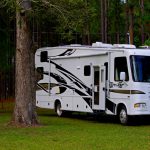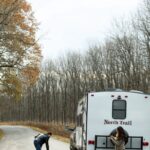


Camping with an RV is best when you match the right rig to the right campsite, route, and travel style. Start with a short trip, reserve a site that genuinely fits your RV, and learn the basics of hookups, tank management, towing, and campground etiquette before tackling a remote adventure.
Our RV Brands™ team has watched first-timers arrive with enthusiasm, three coolers, and absolutely no idea how to back into a site. A five-minute walk-around before reversing would have saved one crew from a tree, a picnic table, and a memorable discussion about geometry.
The reward is worth the learning curve: you get a comfortable base for exploring national parks, state parks, forests, beaches, and public lands. But an RV is not a magic hotel room on wheels; it is also a vehicle, a water system, an electrical system, and sometimes a rolling puzzle box.
From choosing between a Class C motorhome, travel trailer, camper van, or fifth wheel to managing water, waste, power, pets, weather, and campsite reservations, this guide covers the practical details that make RV camping safer and far more enjoyable. The big question is simple: will your next campsite feel like a peaceful retreat or a crowded parking maneuver?
Key Takeaways
- Choose the RV around your real camping style. Consider trip length, passenger count, towing capacity, campsite access, storage, and whether you prefer hookups or bondocking.
- Confirm campsite details before booking. Check usable site length, width, amp service, water, sewer, dump-station access, road grades, low clearances, and generator rules.
- Inspect before every travel day. Tires, brakes, hitch connections, lights, propane systems, batteries, roof seals, and slide-outs all deserve attention.
- Learn the hookup basics. Use a surge protector, potable-water hose, pressure regulator, proper sewer connection, and the correct 30-amp or 50-amp equipment.
- Keep the black-tank valve closed while camping. Dump at approved stations or sewer connections, rinse equipment safely, and keep freshwater gear separate.
- Plan conservatively. Short driving days, daylight arrivals, weather buffers, fuel stops, and offline maps reduce stress.
- Prepare for off-grid limits. Track battery power, freshwater, wastewater, food, generator hours, and cellular coverage before heading into dispersed camping areas.
- Respect campground neighbors and public lands. Follow quiet hours, control pets, observe fire restrictions, store food securely, and leave no trace.
- Pack safety equipment first. Carry working smoke and carbon-monoxide detectors, fire extinguishers, first-aid supplies, emergency lighting, tire tools, and roadside equipment.
- Make comfort part of the plan. Simple outdoor furniture, organized storage, layered clothing, easy meals, and rainy-day activities can transform the experience.
Table of Contents
- ⚡️ Quick Tips and Facts for Camping With an RV
- 🏕️ Camping With an RV: What It Really Involves
- RV Camping vs. Tent Camping
- Motorhomes, Travel Trailers, Fifth Wheels, and Camper Vans
- Dry Camping, Bondocking, and Full-Hookup RV Sites
- 🗺️ Choosing the Right RV for Your Camping Style
- Class A, Class B, and Class C Motorhomes
- Travel Trailers, Toy Haulers, and Fifth Wheels
- RV Size, Towing Capacity, and Campsite Fit
- New RV vs. Used RV: Which Makes More Sense?
- ✅ RV Camping Checklist: What to Pack Before You Leave
- Essential RV Equipment and Hookup Gear
- Kitchen, Bedroom, Bathroom, and Outdoor Supplies
- Safety, Emergency, and Recovery Equipment
- Clothing, Food, Entertainment, and Camp Comforts
- 🚐 Planning Your First RV Camping Trip
- How to Choose an RV-Friendly Destination
- Building a Realistic RV Travel Itinerary
- Checking Road Restrictions, Low Clearances, and Grade Limits
- Weather, Seasonal Conditions, and Wildfire Awareness
- 🏞️ 15 Best Places to Go Camping With an RV
- National Parks and RV Camping Near Iconic Landscapes
- State Parks, Forest Campgrounds, and Scenic Public Lands
- Private RV Resorts and Family Campgrounds
- Beach, Mountain, Desert, and Lakeside RV Camping
- Free and Low-Cost Camping Options
- 📅 RV Campground Reservations, Prices, and Check-In Rules
- How Far Ahead to Reserve an RV Site
- Understanding Campsite Fees and Extra Charges
- Cancellation Policies, Minimum Stays, and Holiday Demand
- Accessible RV Sites, Senior Discounts, and Passes
- 🔌 RV Hookups Explained: Electricity, Water, and Sewer
- 30-Amp vs. 50-Amp RV Electrical Service
- Potable Water Connections and Freshwater Tanks
- Black Tanks, Gray Tanks, and Sewer Dump Stations
- Using a Surge Protector, Water Filter, and Pressure Regulator
- What to Do When the Campground Has No Hookups
- 🌲 Bondocking and Off-Grid RV Camping
- Finding Legal Dispersed Camping Locations
- Solar Panels, Batteries, Generators, and Inverters
- Managing Water, Waste, Power, and Food Off-Grid
- Leave No Trace Principles for Responsible RV Camping
- 🛣️ Driving, Towing, and Setting Up an RV Safely
- RV Pre-Trip Inspection Checklist
- Towing Mirrors, Brake Controllers, and Weight Distribution
- Backing Into a Campsite Without Losing Your Cool
- Leveling, Stabilizing, and Connecting Your RV
- RV Departure Checklist
- 🛠️ RV Maintenance Before, During, and After a Camping Trip
- Tires, Brakes, Batteries, and Engine Fluids
- Roof Seals, Slide-Outs, Awnings, and Propane Systems
- Winterizing and Storing an RV
- Common RV Problems and Quick Fixes
- 🔥 Cooking, Grilling, and Campfire Safety
- RV Kitchen Cooking Tips
- Outdoor Grills, Propane Stoves, and Dutch Ovens
- Campfire Rules, Firewood, and Fire Bans
- Food Storage and Wildlife Safety
- 👨 👩 👧 👦 Family, Pet-Friendly, and Accessible RV Camping
- RV Camping With Children
- Camping With Dogs and Other Pets
- Accessible Campsites and Mobility Considerations
- Quiet Hours, Campground Etiquette, and Neighborly Behavior
- 🌧️ RV Camping in Every Season
- Spring RV Camping and Mud Season Tips
- Summer Heat, Air Conditioning, and Shade
- Fall Foliage RV Trips and Cold Nights
- Winter RV Camping, Heating, and Snow Protection
- 📡 Staying Connected While Camping in an RV
- Cell Service, Wi-Fi, and Mobile Hotspots
- RV Internet for Remote Work and Streaming
- Offline Maps, Weather Alerts, and Navigation Apps
- 💰 The True Cost of Camping With an RV
- Fuel, Campground Fees, and Reservation Costs
- Insurance, Maintenance, Storage, and Memberships
- How to Save Money on RV Travel
- RV Rental vs. RV Ownership
- 🚨 RV Camping Safety and Emergency Preparedness
- Carbon Monoxide, Propane, and Fire Prevention
- Severe Weather, Flooding, and Evacuation Plans
- Wildlife, Insects, Ticks, and Poisonous Plants
- First-Aid Kits and Emergency Communication
- 📸 Making RV Camping More Comfortable and Memorable
- Outdoor Living Spaces, Awnings, and Camp Furniture
- RV Organization and Storage Solutions
- Hiking, Fishing, Cycling, and Other Campground Activities
- Photography, Journaling, and Family Traditions
- 🧭 Common RV Camping Mistakes to Avoid
- 💡 Expert RV Camping Tips for a Smother Trip
- 📞 Campground Hosts, Park Contacts, and Trip Support
- Conclusion
- 🔗 Recommended Links
- ❓ FAQ
- Is camping with an RV suitable for beginners?
- What should I bring camping with an RV?
- Can you camp with an RV without hookups?
- How long can an RV stay at a campground?
- Is RV camping cheaper than staying in hotels?
- What is the best RV for camping with a family?
- How do I find RV-friendly campgrounds?
- What are the most important RV safety rules?
- 📚 Reference Links
Quick Tips and Facts for Camping With an RV
Camping with an RV combines transportation, accommodation, kitchen, bathroom, and occasionally a surprisingly complicated electrical system into one rolling package. Our RV Brands™ team has learned that the best trips are not built around the fanciest coach. They are built around matching the RV, campsite, route, weather, and daily habits.
For a broader look at the lifestyle behind the campsite, see our RV Lifestyle guide.
| Quick fact | Why it matters |
|---|---|
| Hookups vary widely | An “RV site” may mean electricity only, while another includes water and sewer. Read the site description carefully. |
| 30-amp and 50-amp service are different | A 50-amp pedestal can support substantially more electrical demand, but your RV still needs the correct cord and protection. |
| Every RV has limits | Respect the vehicle’s cargo-carrying capacity, tow rating, hitch rating, tire capacity, and campsite length. |
| Reservations are often site-specific | At busy parks, the exact site number can matter more than the campground name. |
| A dump station is not the same as a sewer hookup | You may need to empty tanks before leaving, even when the campsite has water and electricity. |
| Leave more time than the map suggests | Fuel stops, grades, traffic, weather, and backing into camp all stretch a neat itinerary. |
| Campground etiquette protects everyone’s sleep | Quiet hours, dimed lights, clean fire rings, and staying out of occupied sites make a huge difference. |
| A walk-through inspection prevents expensive mistakes | Tires, roof seals, propane, brakes, hitch connections, and exterior compartments deserve attention before departure. |
Our fastest beginner formula
- Choose a short, nearby trip with a campground that has electricity and water.
- Book a site longer and wider than the RV’s published dimensions.
- Arrive during daylight.
- Walk the site before backing in.
- Use a spoter and agree on simple hand signals.
- Connect power through an RV surge protector.
- Use a dedicated potable-water hose and pressure regulator.
- Keep the black-tank valve closed until dumping.
- Store food securely and follow local wildlife rules.
- Leave the site cleaner and quieter than you found it.
That sounds straightforward. The wrinkle appears when the booking page says “full hookup,” but the route includes a narrow bridge, the weather turns hot, and your refrigerator starts complaining. We’ll deal with each of those scenarios below.
Camping With an RV: What It Really Involves
Camping with an RV means more than parking a recreational vehicle near some trees. You are managing a mobile utility system while sharing a public outdoor space with neighbors, wildlife, weather, and sometimes a campground host who has seen every avoidable mistake in the book.
The National Park Service emphasizes planning, site-specific regulations, and responsible camping. That guidance applies to RV travel just as much as tent camping, with extra attention to vehicle dimensions, wastewater, generators, and electrical demand.
RV camping vs. tent camping
RV camping offers comfort and convenience:
- A real mattress instead of a sleeping pad.
- Weather protection.
- Refrigeration and enclosed food storage.
- A bathroom in many models.
- Heating and air conditioning when the site supports them.
- A mobile base for exploring.
But an RV also introduces duties that tent campers generally do not face:
- Tire and brake inspections.
- Propane and carbon-monoxide safety.
- Water and waste management.
- Electrical load management.
- Clearance and turning-radius concerns.
- Setup and departure procedures.
- More complicated campground etiquette.
Tent camping can be wonderfully simple: carry less, spend less time setting up, and fit into smaller sites. RV camping gives you a comfortable base, but the tradeoff is more equipment and more systems to understand.
Motorhomes, travel trailers, fifth wheels, and camper vans
| RV type | Best for | Strengths | Tradeoffs |
|---|---|---|---|
| Class A motorhome | Long trips, full-time travel, luxury camping | Spacious interiors, large storage, strong amenities | Large footprint, higher operating complexity, difficult maneuvering |
| Class B camper van | Couples, flexible road trips, urban and remote travel | Easy to drive, discreet, efficient use of space | Compact bathroom and living area |
| Class C motorhome | Families and first-time buyers | Cab-over sleeping area, familiar driving position, broad floor-plan range | Moderate size, cab-over height and wind sensitivity |
| Travel trailer | Campers who want a towable base | Tow vehicle can be used separately at camp | Hitching, backing, weight distribution, tow-vehicle requirements |
| Fifth wheel | Extended stays and spacious living | Excellent interior volume and stability when properly matched | Requires a compatible pickup, taller profile, specialized hitch |
| Pop-up camper | Budget-conscious, lightweight camping | Low towing profile, outdoor feel, easier storage | Canvas setup, limited insulation, fewer onboard systems |
Our Class C Motorhomes category is a useful starting point for families who want motorhome convenience without the size of a diesel pusher. Shoppers comparing larger coaches can browse Class A Motorhomes, while towable buyers may want our Fifth Wheel RVs and Fifth Wheel RV Manufacturers resources.
Dry camping, bondocking, and full-hookup RV sites
These phrases are often used loosely, so here is the practical distinction:
- Full hookup: Electricity, potable water connection, and sewer connection at the site.
- Partial hookup: Usually electricity plus water, or electricity only.
- Dry camping: Camping without utility hookups. You rely onboard tanks and batteries.
- Bondocking: Usually dispersed or off-grid camping, often on public land, with added independence and fewer services.
- Dump-station camping: No sewer connection at the site, but a central station is available.
A campground may advertise “RV camping” while offering no utility hookups at all. Before booking, confirm:
- Maximum RV length.
- Site width and approach.
- Amp service.
- Water availability.
- Sewer connection or dump-station access.
- Generator rules.
- Cell coverage.
- Road surface and grade.
- Whether slide-outs can extend safely.
Choosing the Right RV for Your Camping Style
The best RV is not the largest one you can afford or the one with the most buttons. It is the one you can tow, drive, maintain, park, and live in comfortably.
Start with how you actually camp:
- Weekend trips near home.
- Long-distance national-park travel.
- Family vacations.
- Remote bondocking.
- Seasonal stays.
- Full-time living.
- Festivals, racing, hunting, or outdoor recreation.
Class A, Class B, and Class C motorhomes
Class A motorhomes generally offer the most living space and storage. They can be excellent for long stays, but their height and width require careful route planning. Class B camper vans are nimble and easy to use for spontaneous trips, though interior space is limited. Class C models occupy the middle ground and remain popular with families.
When comparing motorhomes, inspect more than the floor plan:
- Can everyone sleep comfortably?
- Is the bathroom usable with the slide-outs closed?
- Does the refrigerator hold enough food for your trip?
- Is there enough cargo capacity after passengers, water, propane, and supplies are loaded?
- Can you reach the bed or bathroom during a fuel stop?
- Is the coach easy to service where you live?
The Federal Motor Carrier Safety Administration provides information about commercial-driver licensing, but licensing requirements vary by state and vehicle weight. Check your state’s rules before assuming a large motorhome is covered by a standard license.
Travel trailers, toy haulers, and fifth wheels
Towables can be excellent because you can leave the trailer at camp and use the tow vehicle for groceries or sightseeing. However, the tow vehicle must be matched by actual ratings, not sales-lot optimism.
Review:
- Gross Vehicle Weight Rating, or GVWR.
- Gross Combined Weight Rating, or GCWR.
- Maximum hitch weight.
- Payload capacity.
- Trailer brake requirements.
- Weight-distribution-hitch requirements.
- Tire and wheel ratings.
- Rear-axle capacity.
- Receiver rating.
The National Highway Traffic Safety Administration offers tire-safety guidance, while the RV Industry Association provides broad educational resources for RV owners and shoppers.
A fifth wheel often feels more stable and spacious than a conventional travel trailer, but it demands a suitable pickup and careful attention to bed-rail clearance, payload, and overall height.
RV size, towing capacity, and campsite fit
Manufacturers typically publish exterior length, but campsite fit depends on more than bumper-to-bumper measurement. Add:
- Hitch or pin-box projection.
- Rear-mounted cargo carriers.
- Ladder and spare tire.
- Slide-out extension.
- Awning clearance.
- Tow vehicle length.
- Space needed to turn into the site.
- Utility-pedestal location.
A campsite listed as 35 feet may not comfortably accommodate a 35-foot rig plus tow vehicle. We once watched a confident arrival become a three-person geometry exercise because the site was long enough on paper but sharply angled at the entrance. The lesson: site length is not the same as usable maneuvering space.
New RV vs. used RV: Which makes more sense?
A new RV may offer current layouts, warranties, modern safety systems, and fresh appliances. A used RV can provide better value and reveal whether the model has known maintenance concerns.
For any used unit, inspect:
- Roof and slide-out seals.
- Soft flooring.
- Water stains.
- Delamination on exterior walls.
- Tire age and cracking.
- Battery condition.
- Generator hours and service records.
- Appliance operation.
- Brake-controller function.
- Propane leaks.
- Maintenance documentation.
Hire an independent RV inspector when possible. A professional inspection can cost far less than discovering water intrusion after purchase.
RV Camping Checklist: What to Pack Before You Leave
A good checklist prevents the classic first-trip discovery: you brought three kinds of mustard but forgot the sewer-hose adapter. The National Fire Protection Association recommends attention to fire prevention, electrical systems, propane, and carbon-monoxide protection in recreational vehicles.
Essential RV equipment and hookup gear
| Item | Purpose | Our advice |
|---|---|---|
| RV surge protector or electrical-management system | Protects against wiring faults and voltage problems | Choose a model suitable for 30-amp or 50-amp service |
| Potable-water hose | Safe freshwater connection | Use a hose labeled for drinking water |
| Water-pressure regulator | Limits excessive campground pressure | Keep it connected at the spigot |
| Sewer hose and clear elbow | Wastewater disposal | Carry extra length and a secure sewer connection |
| Disposable gloves | Sanitary tank work | Keep a dedicated box in the sewer compartment |
| Wheel chocks | Prevents movement | Use before disconnecting a trailer |
| Leveling blocks | Levels the RV and protects appliances | Carry enough for uneven sites |
| Torque wrench | Verifies wheel-lug torque | Follow the manufacturer’s specification |
| Basic tool kit | Minor repairs | Add duct tape, fuses, zip ties, and a multimeter |
| Tire-pressure gauge | Confirms cold tire pressure | Check before every travel day |
| Fire extinguisher | First response to small fires | Inspect gauge and mounting location |
| Carbon-monoxide detector | Alerts occupants to dangerous gas | Test regularly and replace as directed |
For products such as Camco RV sewer hoses on RVshare, Progressive Dynamics electrical products, and Valterra RV accessories, verify connector size and amperage before buying.
Kitchen, bedroom, bathroom, and outdoor supplies
Pack according to how you cook and sleep, not according to the entire contents of your house.
Kitchen
- Cutting board and sharp knife.
- Non-slip shelf liner.
- Reusable food containers.
- Coffee setup.
- Can opener.
- Paper towels and dish soap.
- Cooler for overflow food.
- Thermometer for refrigerator checks.
Bedroom
- Sheets sized for the RV mattress.
- Mattress topper if needed.
- Warm blanket even in summer.
- Window coverings.
- Earplugs for campground noise.
Bathroom
- RV-safe toilet paper.
- Enzyme-based holding-tank treatment if compatible with your system.
- Small bath mat.
- Hand soap and disinfecting wipes.
- Extra towels.
Outdoor area
- Folding chairs.
- Outdoor mat.
- Compact table.
- Shade canopy where permitted.
- Lantern or headlamp.
- Bug repellent.
- Rain gear.
Avoid bringing ordinary household appliances that exceed the RV’s electrical capacity. A hair dryer, induction plate, microwave, and air conditioner can quickly turn the electrical pedestal into a very expensive referee.
Safety, emergency, and recovery equipment
Carry:
- First-aid kit.
- Reflective triangles or roadside flares.
- Flashlights and spare batteries.
- Battery jump pack.
- Portable air compressor.
- Tire plug kit for emergencies.
- Fire extinguisher.
- Smoke and carbon-monoxide alarms.
- Emergency blankets.
- Printed insurance and roadside-assistance information.
- Paper maps.
- Weather radio or reliable emergency-alert app.
The National Weather Service provides official guidance for thunderstorms, floods, heat, wildfire smoke, and other hazards. Download alerts before heading into areas with weak cell coverage.
Clothing, food, entertainment, and camp comforts
Layering beats packing one giant coat. Mountain evenings can be cold after a warm afternoon, while desert nights may surprise you with freezing temperatures.
Plan meals that share ingredients:
- Breakfast burritos.
- Pasta with vegetables.
- Grilled chicken or plant-based alternatives.
- Soup for cool evenings.
- Sandwiches for hiking days.
- Shelf-stable backup meals.
Bring books, cards, compact games, binoculars, and offline entertainment. Streaming is pleasant until the campground Wi-Fi turns out to be one router serving 90 families and a determined racoon.
Planning Your First RV Camping Trip
A successful first trip should be short enough to recover from mistakes and long enough to practice the full routine. Two nights close to home is often more educational than a rushed cross-country expedition.
How to choose an RV-friendly destination
Use official park pages first, then compare current reviews from multiple platforms. Verify the information directly because campground listings can lag behind reality.
Look for:
- Explicit RV site designation.
- Published maximum length.
- Hookup details.
- Dump-station information.
- Road and access notes.
- Cell coverage.
- Pet rules.
- Generator hours.
- Quiet hours.
- Fire restrictions.
- Shade and heat exposure.
- Grocery or fuel access.
ReserveAmerica and Recreation.gov can help locate public campgrounds, but the final authority is the park or land-management agency.
Building a realistic RV travel itinerary
A practical RV itinerary includes:
- Departure buffer: Allow time for hitching, loading, and inspection.
- Fuel planning: Do not wait until the fuel gauge is nearly empty.
- Rest stops: Choose locations with enough room for the entire rig.
- Arrival window: Aim for daylight and avoid arriving during campground quiet hours.
- Setup time: Reserve at least an hour for a first-time arrival.
- Recovery time: Keep the first evening simple.
- Weather alternatives: Identify a safer route or nearby indoor option.
We favor a “one major activity per day” approach. The campground itself is part of the trip, not merely a parking lot between attractions.
Checking road restrictions, low clearances, and grade limits
Before leaving, check:
- Bridge height.
- Tunnel height.
- Weight restrictions.
- Step grades.
- Narrow roads.
- Seasonal closures.
- Construction.
- Fuel-station access.
- Trailer restrictions.
Never rely exclusively on a regular car-navigation app. Use RV-specific routing cautiously, compare it with official road information, and remain alert. No app can fully understand a temporary detour, a tree leaning into the roadway, or a campground entrance designed by someone with a personal grudge against trailers.
Weather, seasonal conditions, and wildfire awareness
Weather affects more than comfort:
- Heat increases air-conditioner demand.
- Freezing temperatures can damage water systems.
- Strong wind makes awnings dangerous.
- Heavy rain can flood low sites.
- Snow can overload roofs and block exits.
- Wildfire smoke reduces visibility and air quality.
Check the National Interagency Fire Center and local land-management agencies during fire season. Follow evacuation notices immediately. An RV gives you mobility, but only if the route remains open and the vehicle is ready to leave.
15 Best Places to Go Camping With an RV
The best destination depends on your RV’s size, your appetite for services, and whether you want solitude or a campground with a swimming pool and a Saturday-night ice-cream truck.
National parks and RV camping near iconic landscapes
National parks offer extraordinary scenery, but many have:
- Older, narrow campground roads.
- Limited hookups.
- Strict length limits.
- Seasonal reservation windows.
- Wildlife and food-storage requirements.
The National Park Service camping directory is the right place to confirm campground rules. Consider staying outside a park when the in-park sites cannot accommodate your RV, then drive a smaller vehicle to trailheads.
State parks, forest campgrounds, and scenic public lands
State parks often provide a strong balance of scenery, access, and practical amenities. Availability varies dramatically by state.
For example, North Carolina State Parks reports a mix of tent, trailer, RV, accessible, equestrian, group, and other camping facilities. Its published system information distinguishes electric sites from full-hookup sites, which is exactly the distinction campers should verify before booking.
The agency’s guidance notes that its camping catalog is still evolving, so check the individual park page rather than relying only on a broad system map.
Private RV resorts and family campgrounds
Private campgrounds may provide:
- Full hookups.
- Laundry.
- Pools.
- Clubhouses.
- Cable television.
- Wi-Fi.
- Propane delivery.
- Playground equipment.
- Planned activities.
They can be excellent for families and longer stays. The downside is that sites may be close together, with less privacy and more noise. Read recent reviews for comments about road width, tree clearance, Wi-Fi, and enforcement of quiet hours.
Beach, mountain, desert, and lakeside RV camping
Beach camping: Salt air accelerates corrosion. Rinse exposed metal and inspect electrical connections.
Mountain camping: Watch for grades, cool nights, wildlife, and limited fuel.
Desert camping: Shade, water, tire inspections, and heat management become priorities.
Lakeside camping: Check flood risk, mosquitoes, watercraft rules, and soft ground after rain.
The scenery is only half the decision. The other half is whether your rig can arrive, fit, remain stable, and leave safely.
Free and low-cost camping options
Potential options include:
- Bureau of Land Management dispersed camping.
- National Forest dispersed sites.
- Wildlife-management areas where permitted.
- Harvest-host programs.
- Volunteer or work-camping arrangements.
- Public-land campgrounds.
The Bureau of Land Management and U.S. Forest Service publish location-specific rules. Free camping is not “anything goes” camping. Check stay limits, fire restrictions, human-waste rules, road conditions, and whether the site is genuinely legal for overnight use.
RV Campground Reservations, Prices, and Check-In Rules
Campground fees change by location, season, hookup level, demand, and discounts. We avoid quoting fixed prices because they become outdated quickly. Instead, compare the total reservation cost, including service fees, extra vehicles, pets, watercraft, cancellation charges, and dump-station access.
How far ahead to reserve an RV site
Reserve early when traveling during:
- Summer weekends.
- School holidays.
- Holiday weekends.
- Leaf season.
- Major events.
- Popular national-park windows.
- Coastal peak season.
Some agencies release sites months ahead; others use shorter booking windows. North Carolina State Parks, for example, describes reservations that can open up to six months before arrival, while individual parks may have different practical availability.
Understanding campsite fees and extra charges
Ask whether the posted rate includes:
- One RV and one vehicle.
- Additional vehicles.
- Extra people.
- Hookups.
- Day-use or entrance fees.
- Pets.
- Watercraft.
- Dump-station use.
- Firewood.
- Reservation service fees.
- Discount eligibility.
A California State Parks example illustrates why details matter. At Lake Perris, the official information summarized for RV hook-up sites specifies water, gray-water, and electrical service, but no black-water sewer hookup. A three-lane automated dump station is available at the campground entrance. That is a very different experience from a site with sewer directly beside the RV.
Cancellation policies, minimum stays, and holiday demand
Read the cancellation terms before confirming. Policies can include:
- Nonrefundable reservation fees.
- A cancellation fee.
- One-night deductions for late cancellations.
- No refund for no-shows.
- No refund for early departures.
- Holiday minimum stays.
- Weather exceptions only when the campground officially closes.
North Carolina’s published guidance, for example, explains that weather-related cancellations generally follow standard rules unless the park or campground closes. That distinction matters: rain is inconvenient; an official closure is a different situation.
Accessible RV sites, senior discounts, and passes
Accessible sites may include:
- Wider parking pads.
- Improved pathways.
- Accessible showers and restrooms.
- More convenient utility placement.
- Leveler access.
Requirements vary. At Lake Perris, an accessible RV site requires a DMV-issued disabled placard or license plate, while a California State Parks Disabled Discount Pass is needed for the published disabled discount. The pass and reservation details must align; a discount omitted at booking may not be refunded later.
Confirm requirements with the agency rather than assuming a national pass or annual entrance pass covers camping. The National Park Service accessibility page offers general guidance, but each park controls its own site inventory.
RV Hookups Explained: Electricity, Water, and Sewer
Hookups are the plumbing and electrical handshake between your RV and the campground. Connect them incorrectly and the weekend can become a lesson in troubleshooting.
30-amp vs. 50-amp RV electrical service
A 30-amp RV service typically uses one 120-volt hot leg, while 50-amp RV service uses two 120-volt hot legs. The theoretical capacity is commonly described as roughly 3,600 watts for 30 amp and 12,000 watts for 50 amp, though actual campground conditions and RV equipment affect usable performance. The Electrical Safety Foundation International provides broader electrical-safety education.
| Service | Common RV use | Typical concern |
|---|---|---|
| 15/20 amp household outlet | Battery charging and small loads | Not suitable for running several major appliances |
| 30 amp RV service | Many smaller and mid-size RVs | Air conditioner plus other high-draw appliances may exceed capacity |
| 50 amp RV service | Larger RVs with multiple air conditioners | Requires compatible cord and electrical protection |
Never force a plug or use an improvised adapter. Before connecting:
- Turn off the RV’s main breaker.
- Inspect the pedestal for visible damage.
- Plug in the surge protector.
- Check the protector’s status.
- Connect the RV cord.
- Turn on the pedestal breaker if required.
- Confirm voltage and polarity.
- Turn on the RV main breaker.
Potable-water connections and freshwater tanks
Use a dedicated potable-water hose, not a garden hose that has carried chemicals or fertilizer. Add a pressure regulator because campground pressure can vary.
A safe sequence:
- Confirm the spigot is marked potable.
- Attach the regulator to the spigot.
- Connect the potable-water hose.
- Flush the hose briefly away from the RV.
- Connect to the RV city-water inlet.
- Turn the faucet on slowly.
- Check every connection for leaks.
If the site water is unreliable or unavailable, fill the freshwater tank at an approved location. Avoid carrying a full tank unless necessary because water is heavy and can reduce cargo capacity.
Black tanks, gray tanks, and sewer dump stations
- Black tank: Toilet waste.
- Gray tank: Sink and shower wastewater.
- Sewer hookup: Direct connection at the site.
- Dump station: Central disposal point used before departure.
Keep the black-tank valve closed during normal camping so liquid remains in the tank and helps prevent waste buildup. Gray-water practice varies, but leaving the valve closed generally helps you monitor capacity and prevents unwanted odors.
At a dump station:
- Put on gloves.
- Park so the outlet and sewer inlet align.
- Secure the sewer hose at the dump inlet.
- Connect the RV bayonet fitting.
- Open the black-tank valve.
- Flush the black tank if the system permits.
- Close the black valve.
- Open the gray-tank valve.
- Close the gray valve.
- Rinse and store the hose using clean water from an approved source.
Never rinse a sewer hose with the campground’s potable-water spigot. The perspective shared in the featured video is blunt and correct: the sewer hose belongs where it belongs, and nowhere near the picnic table or freshwater connection.
Using a surge protector, water filter, and pressure regulator
A useful connection order is:
- Power: Pedestal → surge protector → RV cord.
- Water: Spigot → pressure regulator → filter → potable-water hose → RV.
- Sewer: RV outlet → sewer hose → secured campground inlet.
Filters can improve taste and reduce sediment, but they do not make unsafe water safe. If an advisory exists, use an approved alternate water source.
What to do when the campground has no hookups
Without hookups:
- Monitor battery voltage.
- Limit inverter use.
- Use propane appliances where appropriate.
- Conserve water.
- Take short showers.
- Keep the refrigerator closed.
- Use LED lighting.
- Follow generator hours.
- Track tank levels.
- Dump only at approved facilities.
Do not assume a generator can run all night. Noise, exhaust, fire risk, and campground rules matter.
Bondocking and Off-Grid RV Camping
Bondocking rewards preparation and exposes weak planning with remarkable efficiency. The goal is not merely to survive without hookups; it is to enjoy the freedom without draining the battery before breakfast.
Finding legal dispersed camping locations
Use official land-management websites and local ranger information. Confirm:
- Whether overnight camping is allowed.
- Maximum stay.
- Seasonal closures.
- Fire restrictions.
- Road suitability.
- Human-waste requirements.
- Distance from water.
- Cellular coverage.
- Nearby emergency access.
A flat-looking track can become impassable after rain. If the road feels questionable, walk it first.
Solar panels, batteries, generators, and inverters
| System | What it does | Limitation |
|---|---|---|
| Solar panels | Replenish batteries during daylight | Dependent on sun, panel placement, and battery capacity |
| House batteries | Store electrical energy | Limited capacity and lifespan |
| Generator | Produces AC power | Fuel, noise, maintenance, and operating-hour restrictions |
| Inverter | Converts battery DC to household AC | Consumes battery power and may not support large appliances |
| DC appliances | Use battery power directly | Not all RV appliances are designed for DC operation |
A larger battery bank does not solve every problem. You also need a charging source, suitable wiring, and an understanding of actual daily consumption.
Managing water, waste, power, and food off-grid
Create a daily resource plan:
- Estimate drinking and cooking water.
- Limit showers.
- Run the water pump only when needed.
- Keep gray and black tanks within safe capacity.
- Cook meals that use minimal water.
- Charge devices during daylight.
- Avoid running high-draw appliances from an inverter.
- Store food in sealed containers.
- Keep a reserve for unexpected delays.
The Leave No Trace Center for Outdoor Ethics recommends planning ahead, disposing of waste properly, and respecting wildlife. That is not optional etiquette in dispersed camping; it is what keeps access open.
Leave No Trace principles for responsible RV camping
Practice these habits:
- Camp on durable surfaces.
- Keep waste out of waterways.
- Pack out trash.
- Do not burn plastic, foil, or glass.
- Avoid cutting vegetation.
- Keep a safe distance from wildlife.
- Control pets.
- Minimize generator noise.
- Leave natural objects in place.
- Respect other campers’ solitude.
Driving, Towing, and Setting Up an RV Safely
The safest RV driver is not the fastest or most confident. It is the person who checks the rig even when yesterday’s trip went perfectly.
RV pre-trip inspection checklist
Before each travel day:
- Check tire pressure cold.
- Inspect sidewalls and tread.
- Verify wheel-lug torque according to specifications.
- Inspect hitch, coupler, safety chains, and breakaway cable.
- Confirm trailer-brake operation.
- Check fluid levels.
- Inspect lights and turn signals.
- Secure interior cabinets and drawers.
- Retract slides and awnings.
- Close windows and vents.
- Disconnect utilities.
- Confirm steps are retracted.
- Check roof-mounted accessories for clearance.
- Walk around the vehicle once more.
The RV Technical Institute offers RV maintenance education, and the NHTSA tire-safety resources are worth reviewing before a long towing trip.
Towing mirrors, brake controllers, and weight distribution
Your mirrors should show enough of the trailer to monitor traffic without creating a large blind spot. A brake controller should be adjusted so the trailer brakes contribute smoothly without locking or pushing the tow vehicle.
Weight-distribution equipment may be required depending on the trailer and tow vehicle. Follow the hitch manufacturer’s instructions and have the setup checked by a qualified technician.
Backing into a campsite without losing your cool
Use this sequence:
- Stop before entering the site.
- Walk the entire approach.
- Identify trees, posts, rocks, utility pedestals, and low branches.
- Agree that the spoter has final authority.
- Use simple, visible signals.
- Keep the driver’s window open.
- Move slowly.
- Stop immediately if communication is unclear.
- Reposition rather than forcing a bad angle.
Do not feel embarrassed about pulling forward and trying again. The only bad backing maneuver is the one that continues after you know it is wrong.
Also, do not walk through an occupied neighboring site. The featured video makes this point well: an occupied campsite is someone’s temporary yard. Use campground paths and walk through vacant sites only when local rules and safety permit.
Leveling, stabilizing, and connecting your RV
For a towable:
- Chock the trailer wheels.
- Disconnect or position the tow vehicle as appropriate.
- Level side-to-side with blocks under the wheels.
- Level front-to-back with the tongue jack.
- Deploy stabilizer jacks.
- Place support pads under jacks.
- Connect utilities.
- Test appliances and inspect for leaks.
Never use stabilizer jacks to lift the entire trailer unless the manufacturer specifically allows it.
For a motorhome:
- Park with room for slides.
- Set the parking brake.
- Use leveling blocks or the automatic leveling system.
- Confirm tires remain properly supported.
- Deploy slides only after the coach is stable.
- Connect power and water.
- Check slide and awning clearance.
RV departure checklist
Before pulling out:
- Close and latch cabinets.
- Secure loose countertop items.
- Retract awning.
- Retract slides.
- Disconnect power, water, and sewer.
- Store hoses.
- Close tank valves.
- Remove wheel chocks.
- Raise steps and jacks.
- Check that the antenna is down.
- Walk the site forgotten gear.
- Inspect the campsite for trash.
- Confirm all people and pets are inside or safely secured.
RV Maintenance Before, During, and After a Camping Trip
Preventive maintenance is cheaper than roadside improvisation and much less dramatic than discovering a soft roof during a rainstorm.
Tires, brakes, batteries, and engine fluids
Inspect tires for:
- Correct cold inflation.
- Cracks.
- Bulges.
- Uneven wear.
- Age-related deterioration.
- Valve-stem damage.
Replace tires according to condition and manufacturer guidance, not only tread depth. RV tires can age out while appearing lightly used.
Check:
- Brake operation.
- Battery terminals.
- Engine oil and coolant.
- Transmission fluid where applicable.
- Generator oil.
- Trailer bearings.
- Breakaway battery.
Roof seals, slide-outs, awnings, and propane systems
Inspect roof sealant several times a year and after severe weather. Look for separation, cracking, bubbling, and discoloration. Keep slide-out mechanisms clean and lubricated only with products approved for the specific system.
For propane:
- Inspect hoses and fittings.
- Watch for odor.
- Keep cylinders secured.
- Turn off appliances during fueling.
- Never use a grill inside the RV.
- Have suspected leaks professionally inspected.
The U.S. Consumer Product Safety Commission provides recreational-vehicle safety information, including fire and carbon-monoxide precautions.
Winterizing and storing an RV
Winterization usually includes:
- Drain freshwater and water-heater systems.
- Bypass the water heater.
- Open low-point drains.
- Use RV antifreeze if specified.
- Protect exterior seals.
- Remove perishables.
- Clean and dry the refrigerator.
- Disconnect or maintain batteries appropriately.
- Cover tires from sun exposure.
- Inspect for rodents and moisture.
Follow the owner’s manual because plumbing layouts differ.
Common RV problems and quick fixes
| Problem | Likely causes | First steps |
|---|---|---|
| No shore power | Tripped pedestal breaker, faulty cord, surge protector alert | Turn off loads, inspect connections, test pedestal |
| Water pump runs continuously | Empty tank, open faucet, leak, pressure issue | Check tank, faucets, fittings, and pump strainer |
| Refrigerator not cooling | Level issue, blocked vents, power-source fault | Confirm level, ventilation, and operating mode |
| Slide-out stops | Obstruction, low voltage, control fault | Stop, inspect, check battery, avoid forcing |
| Sewer odor | Dry trap, vent issue, tank buildup | Add water to traps, check vents, inspect seals |
| Awning will not retract | Wind load, motor fault, obstruction | Get help, reduce load, never force the arms |
| Trailer sways | Speed, loading, tire pressure, hitch setup | Slow gradually, avoid abrupt steering, inspect setup |
Cooking, Grilling, and Campfire Safety
Cooking outside reduces heat and odors inside the RV, but it also increases exposure to wind, wildlife, and open flame.
RV kitchen cooking tips
Keep a fire blanket and extinguisher accessible. Avoid leaving burners unattended. Use ventilation whenever cooking, and do not operate fuel-burning appliances in enclosed spaces unless they are designed and installed for that use.
Plan one-pot meals and use an outdoor griddle when campground rules allow. Blackstone griddles and Weber portable grills are popular options, but always follow the manufacturer’s clearance and fuel instructions.
Outdoor grills, propane stoves, and Dutch ovens
Set cooking appliances:
- On stable, nonflammable surfaces.
- Away from awnings and RV siding.
- Away from dry grass.
- Out of children’s reach.
- Downwind of doors and windows where possible.
Never use a charcoal grill, propane stove, or generator inside an RV, tent, vehicle, or enclosed awning area. Carbon monoxide is odorless and can accumulate quickly.
Campfire rules, firewood, and fire bans
Check local restrictions before lighting a fire. Use only designated rings, keep water nearby, and extinguish the fire completely. The U.S. Forest Service fire-safety guidance is a useful starting point.
The featured-video perspective is worth repeating: a fire pit is not a trash can. Do not burn plastic, cans, glass, or food packaging. Before departure, confirm that the fire is cold and the pit is clean.
Food storage and wildlife safety
Store food, pet food, coolers, and scented toiletries according to local rules. In bear country, a soft-sided cooler beside the RV may be a poor storage plan even if the campsite looks quiet.
Follow park-specific instructions from agencies such as the National Park Service wildlife-safety program. Never feed wildlife, and do not approach animals for photographs.
Family, Pet-Friendly, and Accessible RV Camping
An RV can simplify family travel, but it does not eliminate planning. It simply moves the snack negotiations into a smaller room.
RV camping with children
Give children useful jobs:
- Site walk-through observer.
- Weather checker.
- Camp-chair manager.
- Wildlife-distance monitor.
- Departure checklist assistant.
Establish boundaries around roads, fire rings, water, and utility connections. Pack rainy-day activities because even the best forecast occasionally develops a sense of humor.
Camping with dogs and other pets
The American Veterinary Medical Association recommends planning for pet travel, identification, restraint, and health needs.
Bring:
- Leash and backup leash.
- Identification tags.
- Water bowl.
- Waste bags.
- Medications.
- Cooling gear.
- Towel.
- Familiar bedding.
- Vaccination records where required.
North Carolina State Parks, for example, permits pets at most campsites but requires attended leashes no longer than six feet and confinement during quiet hours. Rules vary by park, so check before arrival.
Accessible campsites and mobility considerations
Ask the campground about:
- Surface type.
- Slope.
- Utility placement.
- Restroom routes.
- Shower access.
- Distance to amenities.
- Transfer space beside the RV.
- Parking for mobility equipment.
Do not assume every site labeled “accessible” has identical features. Request specific measurements and photographs when needed.
Quiet hours, campground etiquette, and neighborly behavior
Good etiquette includes:
- Keep music and televisions low.
- Turn off exterior porch and awning lights at night.
- Do not park in another site.
- Keep pets controlled.
- Use designated paths.
- Ask before helping someone back in.
- Avoid loud early departures.
- Keep generators within posted hours.
- Clean the fire ring.
- Dispose of wastewater properly.
The featured video adds several practical reminders: turn headlights off when driving through camp after dark, avoid slamming storage doors during early departures, and ask before helping a newcomer rather than assuming they need rescuing. Children are allowed to be children; the goal is reasonable consideration, not a silent monastery.
RV Camping in Every Season
Seasonal camping changes the equipment, route, and daily routine.
Spring RV camping and mud season tips
Spring brings:
- Soft shoulders.
- Flooded roads.
- Unstable weather.
- Mud around hookups.
- Increased insects.
- Delayed campground openings.
Check whether water systems are operational and whether roads are suitable for heavy RVs.
Summer heat, air conditioning, and shade
Use:
- Window awnings.
- Reflective window coverings.
- Roof-vent fans.
- Exterior shade where permitted.
- Cold food and hydration.
- Early-morning outdoor activities.
Air conditioners draw significant power. On 30-amp service, manage appliance use carefully. At Lake Perris, California State Parks specifically recommends extra shade canopies because summer conditions can be very hot. Shade is not decoration; it can determine whether the interior remains livable.
Fall foliage RV trips and cold nights
Fall is popular because of scenery and comfortable daytime temperatures. Reserve early in leaf-viewing regions, but pack for frost.
Inspect:
- Furnace operation.
- Propane supply.
- Window seals.
- Water-system insulation.
- Battery condition.
Winter RV camping, heating, and snow protection
Winter RV travel requires planning for:
- Frozen hoses.
- Condensation.
- Snow loads.
- Icy roads.
- Limited daylight.
- Propane consumption.
- Furnace battery draw.
Use only heating equipment approved for the RV. Never use an unvented combustion heater indoors unless specifically designed and approved for that application.
Staying Connected While Camping in an RV
Connectivity helps with navigation, emergency alerts, remote work, and weather updates. It should not be your only lifeline.
Cell service, Wi-Fi, and mobile hotspots
Check coverage maps, then read recent campground reviews. Mountains, trees, congestion, and weather can make a strong-looking map unreliable.
Useful tools include:
- External cellular antennas.
- Carrier-compatible hotspots.
- Campground Wi-Fi, with caution.
- Offline maps.
- Printed directions.
- A weather radio.
RV internet for remote work and streaming
For remote work:
- Test the connection before committing to a long stay.
- Carry a backup carrier if practical.
- Download files ahead of time.
- Use a surge protector.
- Create a quiet work zone.
- Plan around generator restrictions.
Streaming is often the first activity to reveal campground bandwidth limitations. Download shows before departure and treat campground Wi-Fi as a convenience rather than a promise.
Offline maps, weather alerts, and navigation apps
Download:
- Route maps.
- Campground confirmation.
- Park maps.
- Emergency contacts.
- Weather radar data where available.
- Fuel stops.
- Alternate routes.
Save the campground address and coordinates. Some rural entrances have confusing names or no reliable street signage.
The True Cost of Camping With an RV
RV travel can reduce hotel costs, but it does not eliminate travel expenses. Fuel, maintenance, storage, insurance, campground fees, food, and equipment all matter.
Fuel, campground fees, and reservation costs
Track the whole trip:
- Fuel.
- Tolls.
- Campground nights.
- Reservation fees.
- Extra vehicle fees.
- Propane.
- Dump-station charges.
- Groceries.
- Repairs.
- Attractions.
A free campsite far from supplies may cost more in fuel and time than a serviced site near your destination.
Insurance, maintenance, storage, and memberships
Budget for:
- Insurance.
- Registration.
- Tire replacement.
- Oil and filter service.
- Roof inspections.
- Battery replacement.
- Winterization.
- Storage.
- Roadside assistance.
- Memberships.
Membership programs can provide value for frequent travelers, but compare geographical coverage, blackout dates, renewal terms, and campground quality.
How to save money on RV travel
- Travel midweek.
- Stay longer in one location.
- Cook most meals.
- Use public lands legally.
- Plan fuel stops.
- Maintain tires and brakes.
- Avoid oversized rigs that exceed your actual needs.
- Book refundable or flexible sites when possible.
- Carry basic repair supplies.
- Use free park and public-land information before buying add-ons.
RV rental vs. RV ownership
Renting can help you test:
- Motorhome versus trailer.
- Compact versus large layouts.
- Dry camping.
- Family sleeping arrangements.
- Towing comfort.
- Bathroom practicality.
RVshare connects travelers with RV rentals and can be useful for trying different styles before purchasing. Ask owners about real-world fuel use, maintenance, and maneuverability rather than relying only on brochure photos.
RV Camping Safety and Emergency Preparedness
Safety is a system, not a single gadget. A detector cannot compensate for blocked exits, overloaded circuits, careless propane use, or ignoring weather warnings.
Carbon monoxide, propane, and fire prevention
Install and test:
- Smoke alarms.
- Carbon-monoxide alarms.
- Propane detectors.
- Fire extinguishers.
Keep exits clear. Refuel only with appliances and ignition sources off. Never use a generator in an enclosed space or close to open windows, doors, or vents.
The Centers for Disease Control and Prevention explains the dangers of carbon monoxide and the importance of ventilation and detectors.
Severe weather, flooding, and evacuation plans
If severe weather threatens:
- Check official alerts.
- Secure awnings and loose gear.
- Move away from flood-prone areas.
- Disconnect utilities if instructed.
- Keep keys accessible.
- Know the fastest route out.
- Leave early if evacuation is advised.
- Never drive through floodwater.
A large RV is not a safe shelter from every storm. Follow local emergency-management instructions.
Wildlife, insects, ticks, and poisonous plants
Wear appropriate clothing, inspect your body and pets for ticks, and learn regional hazards. The CDC tick guidance recommends repellents, clothing checks, and prompt removal.
Keep food secured, do not feed animals, and teach children to avoid unknown plants and wildlife.
First-aid kits and emergency communication
Your kit should include:
- Bandages.
- Antiseptic.
- Blister treatment.
- Twezers.
- Gloves.
- Pain relievers.
- Allergy medication.
- Prescription medicines.
- Cold packs.
- Emergency blanket.
- Flashlight.
Write down campground coordinates and the nearest medical facility. In remote areas, tell someone your itinerary and expected return.
Making RV Camping More Comfortable and Memorable
Comfort comes from small systems that remove friction.
Outdoor living spaces, awnings, and camp furniture
Create a simple outdoor setup:
- Mat.
- Two comfortable chairs.
- Small table.
- Lantern.
- Shade.
- Weather-resistant storage bin.
Keep walkways clear and avoid extending gear into roads or neighboring sites.
RV organization and storage solutions
Use:
- Clear bins.
- Drawer dividers.
- Tension rods.
- Shelf liners.
- Collapsible cookware.
- Labeled utility compartments.
- A “departure basket” for keys, chocks, and connectors.
Store heavy items low and near the axle when possible. Secure everything before travel; a cabinet door opened on a mountain curve can distribute your kitchen across the floor with impressive enthusiasm.
Hiking, fishing, cycling, and other campground activities
Choose activities that match the destination and weather:
- Short hikes.
- Ranger programs.
- Fishing where licensed.
- Cycling.
- Kayaking.
- Stargazing.
- Geocaching.
- Wildlife observation from a safe distance.
Review permits and regulations from the relevant agency. Watercraft rules can include launch fees, inspections, life-jacket requirements, and invasive-species protocols.
Photography, journaling, and family traditions
Create rituals:
- First-night campfire.
- Local dessert stop.
- Morning coffee walk.
- Junior navigator role.
- Sunset photo.
- Campground postcard.
- End-of-trip maintenance note.
These simple traditions often become the part of RV travel everyone remembers, long after the debate about who forgot the leveling blocks has faded.
Common RV Camping Mistakes to Avoid
❌ Choosing a site by name alone: “Lake view” does not guarantee level ground or a usable approach.
❌ Ignoring total loaded weight: Water, food, tools, bikes, clothing, and passengers add up quickly.
❌ Arriving after dark on the first trip: Daylight exposes obstacles and reduces stress.
❌ Leaving the black-tank valve open: This can allow liquids to drain while solids accumulate.
❌ Using the freshwater hose for sewer cleanup: Keep sanitation equipment separate.
❌ Overloading a 30-amp pedestal: Air conditioning, microwave, electric water heater, and hair dryer may not coexist peacefully.
❌ Skipping tire checks: Tire failure is one of the most disruptive roadside problems.
❌ Trusting an RV navigation app blindly: Verify clearances and restrictions independently.
❌ Parking in an empty campsite: It may be reserved for a late arrival.
❌ Leaving exterior lights blazing: Bright porch lights shine into neighboring bedrooms.
❌ Giving unsolicited backing instructions: Ask whether help is wanted first.
❌ Treating the fire ring as a garbage bin: Burn only permitted natural firewood and extinguish the fire fully.
Expert RV Camping Tips for a Smother Trip
The 24-hour pre-departure routine
The day before departure:
- Check weather and road conditions.
- Confirm reservation and site dimensions.
- Charge batteries.
- Fill or plan freshwater.
- Load food and medications.
- Check tire pressure.
- Test lights and brakes.
- Secure loose interior items.
- Download maps.
- Tell someone your route.
- Recheck hitch and utility compartments.
- Go to bed early.
The five-minute arrival pause
Before entering the site, stop for five minutes. Walk it, photograph obstacles if useful, identify the utility pedestal, and decide where the RV’s wheels must land. This pause frequently prevents ten minutes of frantic backing and one expensive conversation with a tree.
The one-system-at-a-time rule
When setting up, work in an order:
- Secure the vehicle.
- Level.
- Stabilize.
- Connect power.
- Connect water.
- Connect sewer if provided.
- Open slides.
- Deploy awning.
- Set up camp.
If something fails, you know which step introduced the problem.
The “leave-ready” habit
Keep important items in the same places:
- Chocks in the front compartment.
- Sewer gear together.
- Water gear together.
- Electrical gear together.
- Emergency tools together.
- Documents in a waterproof folder.
Consistency matters when rain arrives and the campground host announces checkout is in 20 minutes.
Campground Hosts, Park Contacts, and Trip Support
Before arrival, save:
- Campground office number.
- Park emergency number.
- Reservation confirmation.
- Gate code.
- Nearest fuel station.
- Nearest dump station.
- Local hospital or urgent-care location.
- Land-management agency contact.
- Road-condition website.
Ask the host about:
- Quiet hours.
- Generator hours.
- Fire restrictions.
- Water quality.
- Dump-station location.
- Wildlife concerns.
- Best route for your RV.
- Local weather changes.
For California state-park reservations and accessibility rules, use the California State Parks camping pages and confirm details with the specific park. For North Carolina, use the North Carolina State Parks camping guidance, noting that published system totals and availability can change.
The Utah page titled Tent & RV | Utah State Parks should also be checked directly for current Utah information. The supplied page content is dominated by a UtahID login prompt rather than campground specifications, so it should not be treated as evidence of hookups, fees, or site limits.
The mystery from the beginning now has a practical answer: a smooth RV trip is not about eliminating every surprise. It is about making the important parts predictable. Choose the right site, verify the route, inspect the rig, respect the campground, and leave enough margin for the unexpected. That is how the rolling house becomes a relaxing campsite instead of a very large problem with curtains.