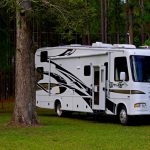


How much does it cost to live in an RV full time? A realistic planning range is about $1,500 to $5,000 or more per month, depending on your RV payment, campsite choices, travel pace, insurance, healthcare, and repairs. A paid-off rig and slow travel can keep costs down; a financed motorhome, frequent moves, and resort stays can quickly send the budget climbing.
The tricky part is that “RV living cost” can mean just the RV and campsite—or your whole life on the road, from groceries and phone service to tires and medical care. We’ve seen even experienced RVers get caught by the costs that don’t arrive monthly: one repair, annual insurance, or a tire replacement can turn a tidy spreadsheet into a campfire story.
In this guide, we break down the expenses, compare RV life with renting or owning a home, and show how to build a budget that fits your travel style—without assuming every night is free and nothing ever breaks.
Key Takeaways
- Plan around your lifestyle, not a headline average: Full-time RV living can cost roughly $1,500 to $5,000+ per month, with premium or high-travel setups potentially costing more.
- Your biggest budget levers are the RV payment, campground fees, and travel pace.
- Include the whole household budget: Fuel, insurance, healthcare, food, internet, maintenance, taxes, and any home-base costs all count.
- Keep a separate repair reserve: A paid-off RV still needs tires, service, and unexpected fixes.
- Compare RV living with rent or homeownership like for like: RV site fees alone are not the full cost of housing.
Table of Contents
- ⚡️ Quick Tips and Facts: Full-Time RV Living Costs
- 🧭 What Does It Really Cost to Live in an RV Full Time?
- The Short Answer: When RV Living Is Cheaper—and When It Isn’t
- Three Variables That Drive Your RV Living Budget
- How Much Does It Cost per Month to Live in an RV Full Time?
- 📜 Background: How Full-Time RV Living Budgets Work
- 📊 Full-Time RV Living Cost Breakdown
- Monthly Expenses at a Glance
- Campground Fees: The Biggest Variable in Your RV Budget
- Fuel, Towing, and Travel Costs
- Utilities, Insurance, and Maintenance in an RV vs. a Home
- Food, Laundry, Internet, and Everyday Expenses
- Taxes, Registration, Healthcare, and Mail Services
- 🚐 What Does an RV Cost to Buy?
- How Purchase Price Changes the Monthly Math
- New vs. Used RVs: Upfront Costs and Trade-Offs
- RV Financing, Down Payments, and Loan Terms
- RV Depreciation as a Monthly Cost
- Is Buying an RV Instead of a House a Smart Financial Move?
- 💵 Realistic Monthly RV Budget Tiers
- Budget Tier: Paid-Off RV, Low-Cost Camping, and Slow Travel
- Mid-Range Tier: A Modest RV Loan and a Mix of Campgrounds
- Premium Tier: Financed Luxury Motorhome, Full Hookups, and Frequent Moves
- Sample Full-Time RV Budgets for Different Travel Styles
- 🏠 RV Living vs. Owning a Home: Monthly Cost Comparison
- Is It Cheaper to Live in an RV Than an Apartment?
- High-Rent Markets Make the Case Stronger
- What Renters Often Forget to Budget For
- Homeownership Costs RVers May Still Need to Consider
- 🧾 Hidden and Overlooked Costs of Full-Time RV Living
- The Risk of a Single Big Repair
- Medical, Pet, and Emergency Travel Expenses
- Storage, Mail, and Keeping a Home Base
- Seasonal Costs, Weather, and Roadside Assistance
- 🔧 RV Maintenance, Repairs, and Emergency Funds
- How Much Should I Budget for RV Maintenance per Year?
- Routine Maintenance Checklist and Typical Cost Categories
- How to Build an RV Repair Fund
- Warranty, Extended Service Plans, and DIY Repairs
- 🌎 When RV Living Is Genuinely Cheaper: Realistic Scenarios
- Paid-Off RV and Low-Cost or Free Camping
- Slow Travel and Long-Term Campground Discounts
- Remote Work, Seasonal Jobs, and Traveling Careers
- When Frequent Travel or Resort Camping Raises the Cost
- 🧳 Part-Time RV Living: Keeping a Home Base
- How a House, Apartment, or Storage Unit Changes the Budget
- Outdoor RV Storage: Costs, Risks, and Protection
- Indoor RV Storage: Benefits and What to Look For
- ✅ How to Make Full-Time RV Living More Affordable
- Choose the Right RV for Your Budget and Lifestyle
- What Type of RV Is Best for Full-Time Living on a Budget?
- Lower Campground, Fuel, and Connectivity Costs
- Create a Realistic RV Budget Before You Hit the Road
- ❓ Frequently Asked Questions About Full-Time RV Costs
- Is Living in an RV Cheaper Than Renting an Apartment?
- What Are the Hidden Costs of Living in an RV?
- Can You Save Money by Living in an RV?
- How Much Does It Cost per Month to Live in an RV Full Time?
- How Much Should I Budget for RV Maintenance per Year?
- What Type of RV Is Best for Full-Time Living on a Budget?
- 🏁 Conclusion
- 🔗 Recommended Links
- 📚 Reference Links
⚡️ Quick Tips and Facts: Full-Time RV Living Costs
- There’s no single “average” that fits every RV household. A paid-off rig, slow travel, and inexpensive camping can make a lean budget possible; financing a large motorhome, frequent driving, and resort camping can push spending far higher.
- Separate housing costs from total living costs. RV budgets often include fuel, groceries, phone service, health insurance, and repairs—items that renters and homeowners also pay, but usually outside their rent or mortgage.
- The three biggest budget levers are your RV payment, where you stay, and how often you move.
- Use planning ranges, not promises. Campground rates, insurance, fuel, healthcare, and repairs vary by location, vehicle, season, and household.
- Build a repair reserve before you need one. An RV is a home with wheels, an engine, plumbing, and a roof. That is a lot of hobbies for one emergency fund.
- Full-time insurance is different from occasional-use coverage. Ask an insurer specifically about full-time residency and personal-liability coverage; don’t assume a recreational policy covers your living arrangement. See the National General full-timer coverage overview.
- For more rig-specific ideas, start with our guide to the best RV brands to live in.
| Budget decision | Why it matters | Practical move |
|---|---|---|
| RV purchase and loan | Payments can be a large fixed monthly expense | Compare the total loan cost, not just the payment |
| Campsite style | Overnight, weekly, monthly, and public-land stays have very different costs | Mix paid stays with longer stays and legal dispersed camping |
| Travel pace | More miles mean more fuel, wear, and paid overnight stops | Slow down and plan routes around longer stays |
| Repairs | A single major failure can overwhelm a low monthly budget | Keep a separate repair fund and inspect seals, tires, brakes, and systems |
| Home base | A house, apartment, or storage unit can erase expected savings | Include every ongoing cost in the comparison |
🧭 What Does It Really Cost to Live in an RV Full Time?
The honest answer is: it depends on whether you’re counting only the RV and campsite—or your whole life on the road. A useful budget adds up housing, transportation, food, insurance, healthcare, connectivity, maintenance, taxes, and the occasional “why is water coming out there?” repair.
For a planning starting point, the competitor estimates supplied for this article span roughly $1,500 a month on a lean, paid-off, low-cost-camping setup to $5,000 or more for a financed, high-travel lifestyle. Those are not guarantees or audited national averages. Treat them as scenarios, then build your own numbers using current quotes from campgrounds, insurers, lenders, and healthcare providers.
That difference helps explain why one article can describe RV living as inexpensive while another reports spending several thousand dollars monthly. The travelers may be counting different things, camping in different places, or comparing different years. Even Heath & Alyssa’s full-time RV cost breakdown warns that its experience-based figures reflect changing campground and travel costs.
The Short Answer: When RV Living Is Cheaper—and When It Isn’t
RV living is most likely to be cheaper when you already own an affordable rig, stay in one place for longer stretches, and use low-cost campsites. It is less likely to beat a modest apartment when you finance an expensive motorhome, move constantly, and pay nightly rates at full-hookup resorts.
A fair comparison includes the same categories on both sides. If your RV total includes groceries and healthcare but your apartment figure includes only rent, the “savings” calculation is wearing a very crooked hat.
| RV setup | What can make it affordable | What can make it expensive |
|---|---|---|
| Paid-off used travel trailer | No vehicle loan; lower-cost monthly stays; existing tow vehicle | Repairs, storage, tow-vehicle wear, campground availability |
| Used fifth wheel with suitable truck | Spacious living area; trailer has no engine or drivetrain | Truck purchase or loan, towing fuel, tires, maintenance |
| Class C motorhome | Self-contained travel with a familiar driving footprint | Engine and house-system repairs; fuel; site length limits |
| Class A motorhome | More living space and amenities | Higher purchase, insurance, fuel, tire, and repair exposure |
| Camper van | Easier parking and efficient travel for some models | Tight living space; premium van conversions can be costly |
The National Park Service explains that dispersed camping is allowed only in designated or otherwise permitted areas and is subject to local rules. Check the relevant BLM field office or land manager before treating a free site as part of your budget. Free does not mean “camp anywhere indefinitely,” and many public-land areas have stay limits.
Three Variables That Drive Your RV Living Budget
1. The RV payment
A paid-off rig can make the monthly budget much lighter. A loan adds a fixed expense whether you are enjoying mountain views or waiting for a repair appointment. Include the down payment, interest, loan term, and likely resale value—not just the monthly payment shown in a dealership office.
2. Where you camp
Campgrounds may charge by the night, week, or month. Longer stays can lower the per-night cost, but may add electricity, deposits, or seasonal restrictions. Public-land camping can reduce lodging costs where permitted, though you may need to manage water, waste, power, and internet yourself.
3. How often you move
Moving more often raises fuel use and can mean more nightly campsite bookings. It also increases wear on tires, brakes, suspension, roof seals, and tow equipment. The Vansmith’s RV living cost guide makes a similar point: travel pace and campsite choices can matter as much as the vehicle itself.
The twist: slow travel can cut costs, but it doesn’t automatically make an RV cheaper. You still need to count health coverage, the vehicle, depreciation, repairs, and any home-base expenses.
How Much Does It Cost per Month to Live in an RV Full Time?
Use the following as illustrative planning bands, not a promise of what your household will spend. They draw on the supplied competitor estimates, which use different assumptions and dates.
| Lifestyle scenario | Illustrative monthly total | Typical assumptions |
|---|---|---|
| Lean | About $1,500–$2,500 | Paid-off or low-cost rig, limited driving, modest campsite fees, controlled discretionary spending |
| Mid-range | About $2,350–$4,000 | Some financing or a paid-off rig, mix of campgrounds, regular travel, ordinary household expenses |
| Premium or high-travel | About $4,800–$7,500+ | Luxury motorhome loan, frequent moves, full-hookup or resort sites, higher fuel and connectivity costs |
These totals can shift substantially based on household size, healthcare coverage, vehicle payment, tow vehicle, pets, location, and whether you retain a home. A solo traveler without a loan and a couple with a financed Class A should not expect the same monthly figure.
For another perspective, Heath & Alyssa describe a comfortable budget based on their own experience, while the supplied RecNation comparison lays out lower-cost and premium scenarios. Their numbers differ because their RVs, trip lengths, campsite choices, and publication dates differ. Trust the categories and assumptions more than any headline total.
📜 Background: How Full-Time RV Living Budgets Work

Full-time RV living is often described as “trading rent for campground fees.” That’s only part of the story. An RV combines housing and transportation, so the budget has costs that a stationary household may keep separate: fuel, engine service, tires, roadside assistance, and sometimes a tow vehicle.
It also has variable housing costs. A monthly site can be economical, while nightly stops during a busy season can raise lodging costs quickly. Public-land camping may be free, but it typically offers fewer services and requires attention to land-use rules, water capacity, waste disposal, and power use.
When we plan an RV budget, we divide expenses into four buckets:
- Fixed costs: loan, insurance, registration, subscriptions, and any home-base expenses.
- Variable travel costs: campground fees, fuel, propane, laundry, and activities.
- Household costs: groceries, healthcare, phone and internet, clothing, and personal spending.
- Iregular costs: repairs, tires, batteries, taxes, deductibles, and replacement equipment.
That last bucket is where an optimistic spreadsheet can take a surprise detour. A budget that works only when nothing breaks is not a budget; it’s a wish with columns.
📊 Full-Time RV Living Cost Breakdown
Monthly Expenses at a Glance
Here’s a practical checklist of the categories to price for your own household. The amounts in competing articles vary widely, so we recommend gathering local, current quotes rather than treating a single estimate as universal.
| Expense category | What to include | What changes the cost |
|---|---|---|
| RV loan | Principal and interest | Purchase price, down payment, credit, term |
| Campsite or land fees | Nightly, weekly, monthly, membership, or permit fees | Region, season, hookups, length of stay |
| Fuel | Motorhome or tow-vehicle fuel | Miles, vehicle efficiency, route, fuel type |
| RV and auto insurance | Full-time use, liability, comprehensive, tow vehicle | State, vehicle, driving record, coverage |
| Maintenance and repairs | Chassis service, roof, appliances, tires, plumbing | Age, condition, mileage, climate, DIY ability |
| Utilities | Propane, electricity, water, dump fees | Climate, site hookups, tank capacity |
| Internet and phones | Cellular plans, hotspot, satellite, boosters | Data needs, remote work, coverage |
| Food and household supplies | Groceries, dining out, cleaning supplies | Household size and cooking habits |
| Healthcare | Premiums, prescriptions, out-of-pocket care | Age, location, employer or marketplace plan |
| Registration and taxes | Vehicle registration, state and local taxes | Domicile, vehicle value, state rules |
| Recreation and pets | Activities, pet care, grooming, boarding | Travel style and household needs |
| Home base and storage | Rent, mortgage, mail, storage unit | Whether you keep a home or belongings |
The U.S. Bureau of Labor Statistics Consumer Expenditure data is useful for understanding broad household spending categories, but it is not a full-time RV budget. Your own records are more useful: track every expense for several months, including costs that arrive only once or twice a year.
Campground Fees: The Biggest Variable in Your RV Budget
Camping costs can range from no nightly fee on eligible public land to premium private-park rates. The important comparison is the complete cost of the stay, not just the advertised site rate.
| Stay type | Budget considerations | Potential trade-offs |
|---|---|---|
| Dispersed public-land camping | May have no nightly fee where permitted | Limited services; stay limits; seasonal road conditions |
| Public campground | May offer a lower-cost developed site | Reservations, limited hookups, location rules |
| Private RV park | Hookups and amenities vary | Rates can rise by season and location |
| Monthly site | May reduce the per-night rate | Utility charges, minimum stays, deposits, limited availability |
| Resort campground | Amenities and recreation may be included | Premium pricing; amenities may be more than you need |
| Overnight host network | Useful for selected one-night stops | Host rules and purchase expectations may apply |
The BLM dispersed camping page and National Forest Service camping guidance explain that public-land rules vary by location. Always verify stay limits, fire restrictions, road access, and whether your RV can safely reach the site.
A monthly rate can look like a bargain until you add electricity, laundry, propane, and the occasional paid dump station. Conversely, a higher site rate may include utilities, showers, laundry, reliable internet, and a location close to work or medical appointments. Compare the whole stay, not just the space.
Fuel, Towing, and Travel Costs
Fuel is tied directly to how you travel. A rig that moves every few days can consume a very different amount from one that parks for a month. Towable RV owners should count fuel for the truck, while motorhome owners may also need to budget for a secondary vehicle or “toad.”
To estimate fuel:
- Write down the miles you realistically expect to drive in a month.
- Use your rig’s real-world fuel economy, ideally from your own travel log.
- Divide monthly miles by miles per gallon.
- Multiply gallons by a current local fuel estimate.
- Add towing equipment, generator fuel, and any additional vehicle use.
The U.S. Department of Energy’s vehicle fuel economy guidance can help you compare vehicles, but an RV’s real mileage varies with weight, terrain, speed, wind, and towing. One family’s reported fuel costs are a personal example, not a forecast for your route.
Our practical rule: plan the route around longer stays, not the other way around. A slower pace can reduce fuel and campsite turnover, though it won’t eliminate maintenance or insurance.
Utilities, Insurance, and Maintenance in an RV vs. a Home
An RV’s utility bill depends on where you park and what hookups are included. Electricity may be metered separately at monthly sites; propane can be used for cooking, heating, and refrigeration; water and sewer may be included or managed through tanks and dump stations.
Insurance requires special care. Tell the insurer that you live in the RV full time. Ask about personal liability, personal belongings, medical payments, roadside assistance, emergency expense coverage, and whether the policy covers a motorhome or towable RV used as a residence. The National Association of Insurance Commissioners offers general consumer insurance guidance; coverage terms still depend on your insurer and policy.
| Cost | RV consideration | Home comparison |
|---|---|---|
| Electricity | May be included, metered, or generated | Usually billed by utility |
| Heating and cooling | Propane, electric, generator, or climate-specific systems | Furnace, heat pump, or central air |
| Water and sewer | Hookups, onboard tanks, dump fees | Municipal service or well and septic |
| Insurance | RV policy and possibly full-time liability | Homeowners or renters policy |
| Repairs | Chassis plus roof, appliances, plumbing, and systems | Structure and household systems |
| Maintenance | Tires, brakes, seals, batteries, and engine service | Roof, heating, plumbing, and appliances |
Routine inspections matter because water intrusion can turn a small seal problem into a costly structural repair. The Recreation Vehicle Industry Association’s RV maintenance resources and your owner’s manual can help identify manufacturer-specific service intervals.
Food, Laundry, Internet, and Everyday Expenses
Food does not become magically cheaper because the refrigerator is smaller. Some RVers spend similarly to when they lived in a house; others spend more because meals out are convenient during travel days or in tourist towns. Cooking in the rig, planning meals, and shopping near longer-term stops can help.
Everyday costs people often forget include:
- Laundry machines, detergent, and occasional laundromat trips.
- Streaming, cloud storage, and other subscriptions.
- Phone plans, hotspots, boosters, or satellite internet.
- Water filters, sewer hoses, leveling blocks, and replacement fittings.
- Pet food, vaccinations, grooming, boarding, or emergency veterinary care.
- Activities, park passes, hobbies, and travel days that turn into restaurant days.
For remote work, don’t rely on campground Wi-Fi as your only connection. Coverage depends on the park and network. The FCC broadband map can help check reported service availability, but mobile performance still needs local testing.
Taxes, Registration, Healthcare, and Mail Services
Full-time travelers still need a legal home base for matters such as vehicle registration, voting, taxes, insurance, and official mail. The rules differ by state and by personal circumstances. Do not choose a domicile solely because a forum post says it is “the cheapest.” Consult the relevant state agencies or a qualified tax professional.
Healthcare can be one of the least predictable line items. Costs depend on age, household size, employer coverage, marketplace eligibility, prescriptions, and where you need care. Check how a plan handles out-of-area services before you travel widely. The HealthCare.gov marketplace is the federal starting point for plan information and enrollment.
A mail-forwarding service may help with correspondence, but it does not automatically settle your tax domicile or make every service available nationwide. Check the rules with the state, insurer, bank, and healthcare provider you actually use.
🚐 What Does an RV Cost to Buy?
Purchase costs vary by brand, floor plan, age, construction, condition, equipment, and market. The competitor summaries provide broad example ranges, but those ranges are not current quotations or official industry averages. A used RV can be a bargain—or an expensive renovation project wearing a fresh coat of dealership polish.
| RV type | Typical budget considerations | Best fit to investigate |
|---|---|---|
| Travel trailer | Tow vehicle required; no engine or drivetrain in the trailer | Buyers who already own a suitable tow vehicle |
| Fifth wheel | Requires a compatible truck and bed hitch | People prioritizing residential space and towable flexibility |
| Class B camper van | Compact and easy to maneuver; small living area | Solo travelers or couples who value mobility |
| Class C motorhome | Cab-over layout; motorized chassis and living systems | Families wanting a self-contained motorhome |
| Class A motorhome | Large living space; higher vehicle and system complexity | Buyers with a higher budget and larger-site needs |
Explore our guides to Class C motorhomes, Class A motorhomes, fifth wheel RVs, and fifth wheel manufacturers. For specific models, check official manufacturer specifications and arrange an inspection before buying.
How Purchase Price Changes the Monthly Math
The purchase price affects more than the loan payment. It can influence insurance, depreciation, registration, tire replacement, storage needs, and the scale of possible repairs.
Before choosing a rig, write down:
- The purchase price and expected down payment.
- Loan interest, term, and total amount paid over the loan.
- Sales or use tax, registration, and dealer fees.
- Pre-purchase inspection and immediate maintenance needs.
- The cost of a compatible tow vehicle, hitch, or supplemental vehicle.
- A repair reserve for age-related or model-specific issues.
A less expensive older RV can still cost more to own if it needs immediate repairs. Have an independent RV technician inspect the roof, walls, appliances, plumbing, electrical system, tires, and chassis. The RV Dealers Association offers consumer resources, but an inspection should be tailored to the actual vehicle.
New vs. Used RVs: Upfront Costs and Trade-Offs
| Option | Potential advantages | Potential drawbacks |
|---|---|---|
| New RV | Current features, warranty coverage, known ownership history | Higher purchase cost; depreciation; defects can still occur |
| Used RV | Lower entry cost; prior depreciation may have occurred | Wear, unknown repairs, outdated equipment, inspection risk |
| Renovated older RV | Custom layout and potentially lower purchase price | Time, parts sourcing, hidden damage, project overruns |
New doesn’t guarantee trouble-free, and used doesn’t automatically mean risky. What matters is condition, documentation, inspection, and whether the layout works for full-time living. Check appliances under load, operate every slide, inspect the roof and seals, and verify that the vehicle’s towing or payload ratings match your setup.
Anecdotally, RV owners often tell us they focused on the kitchen or seating during the first walk-through, then discovered the most important questions were where wet coats go, how much pantry space exists, and whether two people can work without blocking the bathroom. Glamorous? No. Useful? Extremely.
RV Financing, Down Payments, and Loan Terms
RV loans may have longer terms than ordinary auto loans, so a manageable-looking payment can hide a substantial total cost. Compare offers using the annual percentage rate, total interest, fees, down payment, term, and prepayment rules.
Before financing:
- Get a lender preapproval before visiting a dealer.
- Compare the loan against the RV’s expected value over time.
- Ask whether the lender requires specific insurance or collateral coverage.
- Budget for the tow vehicle separately if you need one.
- Avoid stretching the loan term simply to make an oversized rig appear affordable.
The Consumer Financial Protection Bureau offers general guidance on comparing vehicle financing. RV loans can have distinct terms, so review the actual contract carefully and ask the lender to explain any balloon payment, fee, or add-on product.
RV Depreciation as a Monthly Cost
Depreciation is not a monthly bill, but it is an economic cost: the RV may be worth less when you sell it than when you bought it. The amount varies with age, condition, demand, brand, maintenance history, and market conditions.
To account for it, estimate:
Purchase cost minus likely resale value, divided by the years you expect to own it.
That is only a planning method, not a resale guarantee. It also does not replace your repair budget. A rig that holds value better can still require expensive service, while a lower-cost used RV may have little room left to depreciate but more maintenance needs.
If you want a more useful ownership comparison, calculate the cost per year of ownership—including interest, insurance, storage, maintenance, and depreciation—then compare it with your housing alternative.
Is Buying an RV Instead of a House a Smart Financial Move?
It can be a smart lifestyle purchase without being a strong investment. An RV gives you mobility and can reduce some housing costs, but it generally does not provide the same space, permanence, or ownership economics as a home.
Ask yourself:
- Would you buy this RV if it did not promise to save money?
- Are you comparing it with rent in the same area and for the same household?
- Have you included the tow vehicle, insurance, fuel, maintenance, and campsite fees?
- Do you need a home base, storage, or a place to receive packages?
- Could you handle a major repair without high-interest debt?
If the numbers work only under perfect conditions, the plan is too fragile. If they work after adding a repair reserve and realistic travel costs, you’re building on firmer ground.
💵 Realistic Monthly RV Budget Tiers
These tiers organize the supplied competitor estimates into planning scenarios. They are illustrative, not official averages; they also may not include the same household expenses. Build a personalized spreadsheet before buying.
Budget Tier: Paid-Off RV, Low-Cost Camping, and Slow Travel
A lean setup generally depends on some combination of a paid-off or inexpensive rig, low mileage, careful campground selection, and modest discretionary spending.
| Budget pressure point | Lean-budget approach |
|---|---|
| RV payment | Paid off, or a low-cost rig with a manageable loan |
| Camping | Longer stays, public campgrounds, or legal dispersed camping |
| Fuel | Travel fewer miles and combine errands |
| Connectivity | Use plans that match actual coverage and data needs |
| Maintenance | Do preventive checks and maintain a separate repair reserve |
| Food | Cook in the RV and plan shopping around longer stays |
This lifestyle has trade-offs: fewer amenities, more planning, and less freedom to move spontaneously. Free camping may be less convenient, and remote areas can have limited cellular coverage or difficult access.
Mid-Range Tier: A Modest RV Loan and a Mix of Campgrounds
The mid-range scenario may include some financing, paid campground stays, regular fuel use, and a mix of practical and recreational spending. Competitor estimates place this kind of lifestyle in a broad roughly $2,350–$4,000 monthly planning band, but the total changes significantly with healthcare, household size, and location.
A useful mid-range budget should include:
- A realistic loan payment, if applicable.
- A combination of monthly and shorter campground stays.
- Fuel for both the RV and any additional vehicle.
- Full-time insurance and registration.
- A recurring maintenance contribution.
- Internet and phone service suitable for work or daily use.
- Healthcare and prescriptions.
- A separate amount for activities and unexpected expenses.
The key question is not whether this tier is “average.” It’s whether the assumptions resemble your travel style.
Premium Tier: Financed Luxury Motorhome, Full Hookups, and Frequent Moves
A premium lifestyle can include a substantial loan, resort-style camping, more miles, satellite connectivity, and higher entertainment or dining costs. The supplied RecNation comparison estimates a premium scenario at roughly $4,865–$7,585 or more per month, while other estimates use different categories and totals.
The main budget risks are:
- A large fixed payment.
- Expensive sites during peak travel seasons.
- Higher fuel use and greater mileage-related maintenance.
- Luxury features that add repair complexity.
- Multiple vehicles or paid storage.
- A repair bill that is large relative to the monthly reserve.
As the supplied RecNation summary puts it, “The financial case rests on lifestyle flexibility, not savings” for premium RV living. That is a useful warning: if you choose a luxury rig and premium parks, the value may be the experience—not a lower cost than housing.
Sample Full-Time RV Budgets for Different Travel Styles
Here is a way to visualize the scenarios without pretending every household spends the same amount:
| Category | Lean traveler | Mid-range traveler | Premium/high-travel traveler |
|---|---|---|---|
| RV payment | None or low | Moderate or none | Often substantial |
| Camping | Low-cost mix | Regular paid stays | Full hookups and resort stays |
| Fuel | Limited driving | Moderate travel | Frequent, longer-distance travel |
| Maintenance | Reserve essential | Regular reserve plus service | Higher exposure from vehicle value and mileage |
| Connectivity | Basic plans | Multiple options | Enhanced cellular or satellite setup |
| Flexibility | High if plans are simple | Balanced | Comfort and convenience prioritized |
For each row, enter your actual monthly estimate. Use the annual total divided by 12 for irregular costs such as registration, tires, and insurance. This makes the spreadsheet less likely to pretend that annual expenses do not exist.
🏠 RV Living vs. Owning a Home: Monthly Cost Comparison
A meaningful comparison includes the same categories on both sides. Rent is not the same as total living expenses, and an RV’s campsite fee is not the same as all-in housing cost.
The supplied competitor summary cites U.S. Census Bureau 2024 figures for national median gross rent and owner costs with a mortgage. Before using any housing figure, check the original Census Bureau housing data and match the geography, year, household size, and definition. National medians are not quotes for your city.
| Comparison category | Full-time RV living | Apartment or house |
|---|---|---|
| Primary housing | Campground, land, or other legal site | Rent, mortgage, or lot costs |
| Transportation | Often built into RV travel budget | Usually separate from housing |
| Maintenance | RV systems, chassis, roof, tires | Building, appliances, yard, and systems |
| Utilities | May be bundled or billed separately | Usually separate bills |
| Insurance | RV and auto policies | Renters or homeowners policy |
| Mobility | High | Low to moderate |
| Space and storage | Limited; storage may add cost | Usually more room |
| Healthcare, food, and phone | Still household costs | Still household costs |
Is It Cheaper to Live in an RV Than an Apartment?
Sometimes—but only after a fair, complete comparison. RV living can beat rent in a high-cost market when you own the rig outright and keep camping and travel costs modest. It can cost more than a lower-rent apartment when you finance the RV, move frequently, or stay at expensive parks.
Compare these items:
- Rent plus utilities, parking, renters insurance, and storage.
- RV loan plus site fees, utilities, fuel, insurance, repairs, and registration.
- Healthcare, phone, groceries, and entertainment on both sides.
- The cost of a tow vehicle or secondary vehicle.
- Time and inconvenience, which are real even if they do not show up in the spreadsheet.
The supplied RecNation summary cites HUD Fair Market Rent examples to show that RV living may compare differently in high-rent and lower-rent cities. Use the latest local figures from HUD’s Fair Market Rent resources, then compare them with actual local campground quotes. An RV budget that beats rent in San Francisco may not beat rent in a less expensive town.
High-Rent Markets Make the Case Stronger
High rents can make an RV’s housing component look attractive, especially for people who can work remotely or travel seasonally. But don’t compare a central-city apartment with a remote campground without accounting for commuting, fuel, mobile coverage, and access to services.
Use this quick process:
- Find current rent and utility estimates for the area you would otherwise live.
- Get actual monthly campground or site quotes in a realistic radius.
- Include the vehicle, fuel, insurance, and maintenance costs.
- Add healthcare and household costs consistently on both sides.
- Consider whether you need to return to a city for work, school, or medical care.
A “cheap” campground an hour from work can be an expensive commute in disguise.
What Renters Often Forget to Budget For
Apartment renters sometimes compare rent with RV site fees and overlook the RV expenses that replace other housing or transportation costs.
- RV loan and interest.
- The cost of a suitable tow vehicle.
- Full-time coverage and roadside assistance.
- Repairs, tires, and routine service.
- Registration, taxes, and inspections.
- Storage for belongings that do not fit in the RV.
- Internet that works beyond the campground.
- Paid dump stations or water fills when hookups are unavailable.
- Moving costs and the value of your time.
The reverse is true too: RV comparisons may omit costs renters pay, such as parking, pet fees, commuting, renters insurance, or a storage unit. Put both lifestyles on the same worksheet.
Homeownership Costs RVers May Still Need to Consider
Some full-timers keep a home, rent out a property, or maintain a family address. If you do, count the mortgage or rent, utilities, property upkeep, insurance, taxes, and travel back to the property. A home base may provide security and storage, but it can turn a seemingly low RV budget into two housing budgets.
🧾 Hidden and Overlooked Costs of Full-Time RV Living
The most common surprise is not one dramatic expense; it’s a cluster of little costs that quietly gather around the campfire. Add these to your budget before departure:
- Tires and batteries: Replacement timing depends on age, use, storage, and care.
- Roof and seal maintenance: Preventive inspections help catch water intrusion early.
- Towing equipment: Hitch, brake controller, mirrors, wiring, and setup changes.
- Laundry and showers: Especially relevant during dry camping.
- Propane and generator use: More noticeable in cold or hot weather.
- Mail and document services: Plus the time needed to manage them.
- Pet care: Routine and emergency veterinary access can be complicated on the road.
- One-time setup: Hoses, filters, leveling equipment, cookware, tools, and safety gear.
- Downtime: A repair can mean extra lodging, lost work, or an unplanned route change.
- Storage: Furniture and belongings may need an off-site home.
The Risk of a Single Big Repair
A single major repair can erase several months of savings. A roof leak, failed refrigerator, engine issue, slide malfunction, or tire failure can also interrupt travel and create secondary costs.
We recommend a dedicated repair fund separate from everyday savings. Set the amount based on the RV’s age, complexity, purchase inspection, warranty, and your ability to handle repairs. A newer towable may not need the same reserve as an older diesel motorhome, but no rig is immune to failure.
Before a long trip:
- Check tires, pressures, date codes, and wheel hardware.
- Inspect the roof, seams, windows, and exterior penetrations.
- Test brakes, lights, batteries, and charging systems.
- Verify the operation of plumbing, water heater, furnace, and refrigerator.
- Keep service records, manuals, and emergency contacts accessible.
- Confirm roadside assistance covers the size and type of RV you own.
Medical, Pet, and Emergency Travel Expenses
A remote campsite can be peaceful until somebody needs urgent care. Consider the distance to hospitals, pharmacies, veterinarians, and repair shops when choosing a long stay. Keep medication refills, insurance cards, prescriptions, and pet records organized.
Healthcare access and coverage are personal and plan-specific. Verify out-of-area benefits directly with your insurer and use HealthCare.gov or your state marketplace to understand available coverage. For pets, ask your veterinarian how to transfer records and manage prescriptions while traveling.
Storage, Mail, and Keeping a Home Base
A home base can mean a family address, a rented room, a storage unit, or a property you maintain. Each option adds money and logistics. Ask:
- Where will you receive replacement IDs, tax documents, and financial notices?
- Where will you store seasonal clothes, tools, or family belongings?
- Do you need a physical address for insurance, registration, banking, or work?
- What are the rules for your state of domicile and mail service?
- What will it cost to return to the home base?
Do not confuse a mail-forwarding address with legal advice about domicile. Confirm requirements with state agencies and qualified professionals.
Seasonal Costs, Weather, and Roadside Assistance
Weather can increase spending through heating, cooling, generator fuel, extra campground nights, or unexpected repairs. Winter travel can require insulation, heated hoses, or specialized preparation; hot-weather travel can make air-conditioning and shade more important.
Roadside-assistance plans differ in towing distance, RV size limits, service area, tire help, and coverage for a tow vehicle. Read the actual terms before buying. The National Park Service’s seasonal safety guidance and the relevant state or land-management agency can help you prepare for local conditions.
🔧 RV Maintenance, Repairs, and Emergency Funds
Maintenance is not optional, but the amount you need depends on the rig, mileage, age, climate, and whether you hire a shop or do some work yourself. A towable RV has no motorhome drivetrain to service, though the tow vehicle still needs maintenance. A motorhome combines house maintenance with vehicle maintenance.
How Much Should I Budget for RV Maintenance per Year?
There is no universal annual figure. One supplied competitor summary recommends using a percentage of purchase price as a rough starting point, while Heath & Alyssa describe their own maintenance experience and emphasize that actual costs vary.
A better estimate comes from the RV you are considering:
- Review its service history and inspection report.
- Identify upcoming tires, batteries, brakes, fluids, roof work, and appliance service.
- Get estimates from qualified local shops.
- Add a separate contingency for unpredictable failures.
- Revisit the reserve after each travel season.
Do not mistake a low-maintenance year for a reliable annual average. RV expenses arrive in lumpy little packages.
Routine Maintenance Checklist and Typical Cost Categories
| System | What to check | Why it matters |
|---|---|---|
| Tires and wheels | Pressure, tread, age, sidewalls, lug torque | Safety and blowout prevention |
| Roof and seals | Cracks, gaps, soft spots, water stains | Early leak detection |
| Brakes and bearings | Inspection and service as required | Safe towing and stopping |
| Batteries and charging | Connections, capacity, charging operation | Reliable power and appliance use |
| Plumbing | Leaks, fittings, water heater, winterization | Prevent water damage |
| Appliances | Refrigerator, furnace, air conditioner, water heater | Comfort and food safety |
| Engine and chassis | Service schedule, fluids, filters, belts | Motorhome reliability |
| Generator | Exercise, service, fuel system | Backup power when needed |
| Safety equipment | Smoke, carbon monoxide, and propane alarms | Protect people and pets |
Always follow the owner’s manual and chassis manufacturer’s service schedule. The NHTSA tire safety resources explain tire safety basics; your RV tire and vehicle documentation governs the correct specifications.
How to Build an RV Repair Fund
- Open a separate savings account for repairs and maintenance.
- Start with a contribution you can sustain every month.
- Add annual insurance, registration, tires, and known service costs divided by 12.
- Increase the reserve for older rigs, high mileage, complex systems, or remote travel.
- Keep an insurance deductible available separately from the repair fund.
- Rebuild the reserve after every major repair.
The goal is not to predict every failure. It is to avoid putting an essential repair on a high-interest credit card because the budget assumed the refrigerator would live forever.
Warranty, Extended Service Plans, and DIY Repairs
A warranty may cover specific failures for a defined period, but exclusions, maintenance requirements, transfer rules, and service networks matter. Read the contract and ask how claims work when you are far from the selling dealer.
DIY maintenance can reduce labor costs, but it is not always the safest or cheapest option. Electrical, propane, brake, structural, and engine work may require professional training or tools. Follow manufacturer instructions and use qualified technicians for safety-critical systems.
🌎 When RV Living Is Genuinely Cheaper: Realistic Scenarios
RV living is most likely to reduce overall spending when the numbers work without assuming perfect weather, free camping every night, or zero repairs.
Paid-Off RV and Low-Cost or Free Camping
A paid-off rig removes a major fixed expense. If you also stay at low-cost sites, travel slowly, and keep a modest lifestyle, RV housing may compare favorably with rent in some markets.
The catch: a paid-off RV still has insurance, repairs, registration, fuel, and depreciation. Public-land camping also has rules and practical limits. Check BLM camping guidance and local land-manager rules before relying on a particular area.
Slow Travel and Long-Term Campground Discounts
Longer stays can reduce fuel and make monthly campground rates available. They may also let you cook more, establish a routine, and avoid constantly paying for one-night stops.
Ask parks for a written quote that specifies:
- What utilities are included.
- Whether electricity is metered separately.
- Required stay length and cancellation rules.
- Deposits, taxes, and seasonal fees.
- Site dimensions and access restrictions.
- Whether the rate changes during holidays or peak season.
Slow travel does not mean never moving. It means moving with a reason rather than because the calendar says another state is due.
Remote Work, Seasonal Jobs, and Traveling Careers
Income can make full-time RV life more sustainable, but remote work adds connectivity and work-space requirements. Seasonal jobs may include a campsite or utilities, though compensation and conditions vary by employer.
Before committing:
- Confirm cellular or broadband coverage at the actual site.
- Test backup connectivity.
- Understand work hours, quiet space, and power needs.
- Check employment rules and taxes for the states where you work.
- Keep an emergency plan for outages or vehicle repairs.
The FCC broadband map is a starting point, not a guarantee of real-world mobile performance.
When Frequent Travel or Resort Camping Raises the Cost
Frequent moves raise fuel and wear; premium sites raise lodging. Combine the two and the monthly total can exceed ordinary housing costs, especially when a loan and healthcare are also included.
A supplied competitor summary quotes the observation that “Slower travel almost always leads to lower monthly expenses.” That’s a useful tendency, not a law. A long stay at a high-cost resort can still be expensive, while a carefully planned multi-state route may include affordable stops.
🧳 Part-Time RV Living: Keeping a Home Base
Part-time RV ownership can be more expensive than it first appears because you may pay for both the RV lifestyle and a conventional home. Include storage, insurance, maintenance while parked, registration, and the cost of transporting the RV to and from your trips.
How a House, Apartment, or Storage Unit Changes the Budget
| Home-base choice | Added costs to consider |
|---|---|
| Keep a house | Mortgage or taxes, utilities, maintenance, insurance |
| Keep an apartment | Rent, utilities, parking, lease terms |
| Rent a storage unit | Monthly storage, access, insurance, transport |
| Use family address | Travel, mail logistics, family agreements, legal requirements |
| Full-time RV living | No conventional home rent, but RV site and vehicle costs remain |
The right choice depends on how often you travel and whether maintaining a home makes life easier. For seasonal use, it may be cheaper to rent an RV for some trips than to own and store one year-round.
Outdoor RV Storage: Costs, Risks, and Protection
Outdoor storage is often more accessible than indoor storage, but the RV is exposed to sun, rain, wind, hail, and debris. Check facility security, drainage, access hours, insurance rules, and whether the space fits the RV.
Before storage:
- Clean and dry the interior.
- Protect tires as recommended by the manufacturer.
- Close and inspect windows, vents, and roof openings.
- Remove food and moisture-prone items.
- Maintain batteries according to the manual.
- Use a cover only if it is appropriate for the RV and local conditions.
Indoor RV Storage: Benefits and What to Look For
Indoor storage can provide better weather protection, but facility features vary. Ask about ventilation, fire safety, pest control, security, electrical access, insurance requirements, and whether the facility can accommodate the RV’s height and length.
Compare storage options using the total annual cost and protection offered, not just the monthly fee. If you store the RV for long stretches, ask a qualified technician how often it should be inspected and exercised.
✅ How to Make Full-Time RV Living More Affordable
You don’t need to turn every vacation into an accounting exercise. A few deliberate decisions can improve the budget without draining the fun out of travel.
- Buy the right-sized rig. Extra room is wonderful until it adds fuel, site, and maintenance costs.
- Travel slower. Fewer miles can lower fuel and wear.
- Compare monthly stays. Ask about utility charges and minimum terms.
- Cook more meals. Tourist-town restaurants are experts at making a budget disappear.
- Track annual expenses monthly. Insurance and tires are still costs even when they do not arrive every month.
- Use route planning. Combine errands and avoid unnecessary backtracking.
- Inspect regularly. A small leak is cheaper to address before it becomes a wall problem.
- Keep a repair fund. Saving money and being able to pay for repairs are different things.
- Review subscriptions and connectivity. Pay for the coverage you need, not the plan you forgot to cancel.
Choose the Right RV for Your Budget and Lifestyle
Start with how you will live, not with the number of slide-outs.
- List who will live in the RV, including pets.
- Decide whether you need a desk, separate sleeping space, or full-time storage.
- Identify how often you will move and the places you want to visit.
- Check payload, towing capacity, vehicle length, and campground access.
- Price insurance, repairs, tires, and service before purchase.
- Arrange an independent inspection.
- Rent a similar layout if you can before committing.
Browse our coverage of Class C motorhomes, Class A motorhomes, and fifth wheel RVs to compare layouts and ownership trade-offs.
What Type of RV Is Best for Full-Time Living on a Budget?
There is no single best type. For a budget-minded buyer who already owns a suitable tow vehicle, a used travel trailer may offer a lower entry cost and avoids motorhome engine maintenance in the living unit. A fifth wheel can provide more residential space but requires a suitable truck and hitch. A Class C is self-contained and may fit households that prefer a motorized rig, while a camper van favors mobility over interior space.
| RV type | Budget advantage | Main budget caution |
|---|---|---|
| Travel trailer | Can be less expensive to buy; trailer has no engine | Tow vehicle and towing costs |
| Fifth wheel | Spacious layout for longer stays | Truck cost, payload, hitch, tire and site needs |
| Class B van | Compact travel footprint | Conversion and repair costs; limited space |
| Class C | Practical motorhome format | Chassis and house systems both need service |
| Class A | Large living area and amenities | Higher potential purchase, fuel, insurance, and repair costs |
The best pick is the one you can safely tow or drive, comfortably live in, and afford to maintain—not the one with the shiniest showroom lighting.
Lower Campground, Fuel, and Connectivity Costs
- Ask campgrounds for monthly rates and what utilities are included.
- Use public lands only where camping is permitted and practical.
- Plan routes around fuel stops, elevation, weather, and vehicle limits.
- Avoid moving just to check another state off a list.
- Choose phone and data plans based on coverage where you actually travel.
- Keep offline maps and important documents available.
- Test internet at the site before taking a work assignment.
If you use overnight host networks, understand their rules and expectations. Hosts and businesses can change participation requirements; verify current details on the provider’s official site before building your route around them.
Create a Realistic RV Budget Before You Hit the Road
Use this step-by-step plan:
- List all fixed costs: loans, insurance, subscriptions, registration, and any home-base expense.
- Estimate travel: monthly miles, fuel, campground nights, and utilities.
- Add household costs: food, healthcare, phones, pets, and activities.
- Convert annual costs to monthly amounts: registration, insurance, tires, and service.
- Add repair savings: keep this separate from everyday spending.
- Test three scenarios: lean, typical for your plans, and high-cost.
- Leave room for surprises: a budget with no contingency is too optimistic.
- Revisit after three months: replace estimates with actual spending.
The first YouTube video, “The ACTUAL Cost of Full Time RV Living (What Does RV Life Cost in 2024?)” by Travels with Ted, walks through the creators’ own expenses and saving ideas. It can help you spot budget categories you missed, but its figures reflect that creator’s experience and should not replace current quotes for your rig and route.
❓ Frequently Asked Questions About Full-Time RV Costs
Which RV brands offer the best value for first-time buyers?
There isn’t one best brand for every buyer. Compare build, floor plan, dealer support, warranty terms, parts availability, and the condition of the specific unit. Brands such as Airstream, Winebago, Jayco, Grand Design, Forest River, and Coachmen offer different types and price tiers; that does not mean every model is right for full-time use.
Check the manufacturer’s specifications, inspect the actual RV, and ask current owners about service experience for the model year you’re considering. Our guide to the best RV brands to live in is a starting point—not a substitute for an independent inspection.
How much does it cost per month to live in an RV full time?
The supplied competitor estimates span approximately $1,500 to $5,000 or more per month, with some premium scenarios higher. A lean budget usually assumes a paid-off or inexpensive rig, low-cost camping, and limited driving; a premium budget may include a large loan, frequent travel, and expensive sites.
To estimate your number, include the RV payment, camping, fuel, insurance, maintenance, healthcare, food, utilities, connectivity, taxes, and any home-base costs. Your own route and insurance quotes are more useful than a national headline.
Is it cheaper to live in an RV than in a house?
It can be, but it is not automatic. RV living is more likely to cost less when the rig is paid off, travel is slow, and campsites are affordable. It may cost more than a modest home or apartment when financing, fuel, repairs, and premium campground fees are included.
Make a like-for-like comparison. Include housing and transportation expenses on both sides, then consider space, stability, maintenance responsibility, and the value you place on mobility.
What are the biggest expenses of full-time RV living?
The largest costs are commonly the RV payment, campground fees, fuel, insurance, healthcare, and maintenance. Which one tops the list depends on your setup: a paid-off rig may make campsites the main expense, while a financed motorhome can make the loan dominant.
Major repairs are less predictable than monthly bills, so keep a separate reserve rather than treating an unusually quiet year as your normal cost.
How much should you budget for RV parks and campground fees?
There is no reliable one-size-fits-all amount. Rates vary by location, season, hookup level, length of stay, site size, and park amenities. Get current quotes for the places you actually plan to visit, and ask whether electricity, taxes, deposits, and extra vehicles are included.
For public-land stays, check local rules and access conditions through the BLM or relevant land manager. Free camping may reduce site fees, but it can require additional planning for water, waste, power, and internet.
How much does RV insurance cost for full-time residents?
Premiums depend on the RV, state, coverage, driving history, deductibles, and whether the policy covers full-time use. The supplied competitor estimates describe broad annual ranges, but they are not a quote for your household.
Tell the insurer you live in the RV full time and ask about liability, personal belongings, medical payments, roadside assistance, emergency expenses, and coverage for your tow vehicle. Compare the policy documents—not just the premium.
What is the average cost of maintaining an RV each year?
There is no dependable universal average because a towable trailer, camper van, gas motorhome, and diesel Class A have very different service needs. Age, mileage, climate, maintenance history, and DIY ability also matter.
Use the inspection report and manufacturer’s service schedule to identify known work, get shop estimates, and add a separate contingency for repairs. Track actual annual spending as you travel; after a year, your own records will be more useful than a generic rule.
Can you live in an RV full time on a limited budget?
Yes, some people do—but it takes planning, flexibility, and a realistic repair fund. A paid-off or modest used rig, a suitable existing tow vehicle, slow travel, careful campsite choices, and home cooking can help. A limited budget is harder to maintain if you have a large loan, frequent moves, high healthcare costs, or no emergency savings.
Before leaving, test the budget for several months while setting aside the full planned RV payment, campsite estimate, and repair contribution. If the budget only works when nothing goes wrong, adjust the plan before the first breakdown chooses your campsite for you.
Does full-time RV living include healthcare, food, and phone costs?
Some published budgets include them and others list only RV-related expenses. For an all-in monthly total, include healthcare, prescriptions, groceries, phone and internet, personal spending, and any pet costs. When comparing RV life with rent or a mortgage, use the same categories for both lifestyles.
Should you buy a new or used RV for full-time living?
A used RV may reduce the upfront cost, but condition and repair history matter more than the label “used.” A new RV may offer a warranty and current features, but it can cost more and still need attention. Get an independent inspection, review the maintenance records, and check how warranty service works when traveling away from the selling dealer.
How can you estimate your own RV living budget accurately?
Build a monthly worksheet from actual quotes and your planned mileage. Include campsite fees, fuel, insurance, maintenance, healthcare, food, connectivity, taxes, storage, and annual costs divided by 12. Run a normal scenario and a high-cost scenario, then keep an emergency reserve outside your regular spending account.
The most trustworthy budget is not the one with the smallest number. It’s the one that still works after a tire replacement, a weather detour, and a campground rate that makes you blink twice.