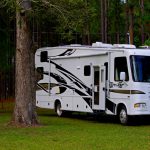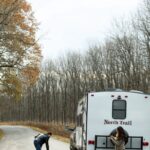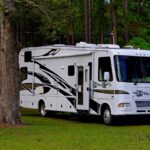


The motorhome lifestyle works best when you choose a coach for your real daily routine, not just your dream vacation. Test-drive the lifestyle first, budget for maintenance, and prioritize reliable utilities, comfortable sleeping space, safe weight capacity, and a floor plan you can live with when rain traps everyone indoors.
We learned that lesson after watching a beautifully staged motorhome turn into a storage puzzle within 48 hours. The couple loved the oversized kitchen and panoramic windows, but discovered that laundry, groceries, wet coats, pet gear, and laptops all wanted the same limited cabinet space. The view was spectacular; the cupboard negotiations were less scenic.
A motorhome gives you a moving bedroom, kitchen, bathroom, and office, but it also brings tires, tanks, batteries, insurance, campground rules, and the occasional stubborn sewer connection. The happiest RVers balance fredom with preparation, travel slowly enough to enjoy destinations, and keep an emergency fund ready for the mechanical plot twists.
Key Takeaways
- Rent before buying: Spend at least a week in a similar motorhome layout to test driving, sleeping, cooking, storage, and tank management.
- Match the RV to your lifestyle: Class B camper vans favor maneuverability, Class C motorhomes offer versatility, and Class A coaches provide more living space.
- Budget for the whole experience: Include fuel, campgrounds, insurance, maintenance, tires, propane, internet, food, and unexpected repairs.
- Prioritize safety: Check weight ratings, tire age, braking performance, carbon-monoxide alarms, fire extinguishers, and emergency equipment.
- Plan your utilities: Fresh water, wastewater, batteries, solar, shore power, generators, and propane determine how comfortably you can travel off-grid.
- Travel slower: Longer stays usually mean less fuel use, lower campground costs, fewer setup days, and more meaningful local experiences.
- Prepare for full-time realities: Mail, healthcare, internet, work, laundry, pets, legal residency, and personal space matter just as much as the destination.
- Choose practicality over showroom sparkle: A professional inspection and a functional floor plan are worth more than decorative finishes and a suspiciously enthusiastic salesperson.
Table of Contents
- ⚡️ Quick Tips and Facts for the Motorhome Lifestyle
- 🏕️ Motorhome Lifestyle Background: From Touring Coaches to Full-Time RV Living
- 🚐 What Is the Motorhome Lifestyle Really Like?
- Part-Time, Extended-Trip, and Full-Time Motorhome Living
- The Freedom, Flexibility, and Trade-Offs of Life on the Road
- 🧭 Choosing the Right Motorhome for Your Travel Style
- Class A Motorhomes: Space, Comfort, and Long-Distance Touring
- Class B Camper Vans: Compact Living and Urban Adventures
- Class C Motorhomes: The Practical All-Rounder
- Diesel Pushers, Gas Coaches, and Alternative RV Powertrains
- New Motorhome vs. Used RV: Which Makes Sense?
- ✅ 15 Essentials for a Comfortable Motorhome Lifestyle
- 1. A Realistic Travel and Living Budget
- 2. A Reliable Campground and Overnight-Parking Strategy
- 3. Fresh-Water, Wastewater, and Tank-Management Habits
- 4. Electrical Power, Batteries, Solar Panels, and Shore Power
- 5. Heating, Cooling, Ventilation, and Weather Readiness
- 6. A Functional Motorhome Kitchen and Food-Supply System
- 7. Internet Access, Mobile Connectivity, and Remote Work Equipment
- 8. Health Insurance, Prescriptions, and Medical Records
- 9. Vehicle Maintenance, Inspections, and Roadside Assistance
- 10. Safety Gear, Emergency Planning, and Fire Protection
- 11. Storage, Organization, and Weight Distribution
- 12. Mail Forwarding, Banking, and Full-Time RV Administration
- 13. Laundry, Showers, Toilets, and Everyday Hygiene
- 14. Pet-Friendly Motorhome Travel and Animal Care
- 15. Social Connection, Hobbies, and Personal Space
- 💰 Motorhome Lifestyle Costs and Budget Planning
- Fixed RV Ownership Expenses
- Fuel, Propane, Campgrounds, and Bondocking Costs
- Maintenance, Repairs, Tires, and Unexpected Expenses
- How to Create a Sustainable Full-Time RV Budget
- 🗺️ Planning Motorhome Routes, Seasons, and Travel Days
- How Far Should You Drive in One Day?
- National Parks, Scenic Byways, Beaches, and Small-Town Stops
- Snowbird Routes, Shoulder Seasons, and Weather Windows
- Motorhome Navigation, Low-Clearance Warnings, and Fuel Stops
- 🏞️ Campgrounds, RV Resorts, Public Lands, and Bondocking
- Private Campgrounds and Full-Hookup RV Parks
- State Parks, National Forests, and Bureau of Land Management Camping
- Dry Camping, Dispersed Camping, and Bondocking Basics
- Campground Etiquette and Neighborly RV Behavior
- 🌞 Off-Grid Motorhome Living: Solar, Batteries, and Water Conservation
- How Long Can a Motorhome Bondock?
- Solar Power and Battery-Bank Sizing
- Conserving Fresh Water and Managing Holding Tanks
- Bondocking Safety and Leave No Trace Principles
- 💻 Working, Studying, and Earning Money From a Motorhome
- Remote Work Internet Options for RVers
- Digital Nomad Jobs and Seasonal Employment
- Creating a Productive Mobile Office
- Managing Work-Life Balance in a Small Space
- 👨 👩 👧 👦 Couples, Families, and Solo Motorhome Living
- Living in a Motorhome as a Couple
- Full-Time RV Living With Children
- Solo RV Travel, Confidence, and Personal Safety
- Making Small-Space Living Work for Everyone
- 🐕 Traveling With Pets in a Motorhome
- Pet-Profing the RV Interior
- Heat Safety, Exercise, and Veterinary Care
- Campground Rules and Responsible Pet Etiquette
- 🔧 Motorhome Maintenance and Driving Skills
- Pre-Trip Inspection Checklist
- Tires, Brakes, Engine Fluids, and Generator Care
- Roof Seals, Slide-Outs, Appliances, and Water Systems
- Driving, Parking, Backing Up, and Towing a Vehicle
- When to Hire an RV Technician
- 🛡️ Motorhome Safety, Security, and Emergency Preparedness
- Carbon Monoxide, Smoke, Propane, and Fire Safety
- Severe Weather, Flooding, Wildfires, and Roadside Emergencies
- RV Security Without Turning Your Coach Into a Fort
- What to Keep in a Motorhome Emergency Kit
- 🌦️ Seasonal Motorhome Living and Extreme Weather
- Summer RV Travel and Hot-Weather Cooling
- Winterizing a Motorhome and Cold-Weather Camping
- Rain, Humidity, Mold, and Condensation Control
- Hurricane, Tornado, and Wildfire Preparation
- 🧺 Daily Life, Organization, and Comfort in a Motorhome
- Motorhome Meal Planning and Grocery Shopping
- Keeping the RV Clean and Clutter-Free
- Sleeping Comfort, Privacy, and Interior Upgrades
- Fitness, Recreation, and Staying Active on the Road
- 🌱 Sustainable and Responsible RV Travel
- Reducing Fuel Use and Motorhome Emissions
- Waste Reduction, Recycling, and Water Stewardship
- Supporting Local Communities While Traveling
- 🤝 Motorhome Lifestyle Communities, Clubs, and Social Groups
- RV Clubs, Rallies, Meetups, and Owner Forums
- Finding a Welcoming RV Lifestyle Group and Community
- Making Friends Without Losing Your Privacy
- ⚖️ Legal, Insurance, and Administrative Considerations
- RV Insurance, Health Coverage, and Roadside Assistance
- Driver Licensing, Vehicle Registration, and Residency
- Campground Rules, Local Laws, and Overnight Parking
- Taxes, Mail, Voting, and Establishing Domicile
- ❌ Common Motorhome Lifestyle Mistakes to Avoid
- Buying More Motorhome Than You Need
- Skipping the RV Inspection
- Underestimating Fuel, Repair, and Campground Costs
- Rushing Through Destinations
- Ignoring Weight Ratings and Maintenance
- 🏆 Best Motorhome Lifestyle Destinations and Travel Experiences
- National Parks Worth Planning Around
- Scenic Coastal Drives and Mountain Routes
- Affordable Long-Term RV Destinations
- Unique Motorhome Adventures Beyond Traditional Campgrounds
- 🧪 Testing the Motorhome Lifestyle Before Going Full-Time
- Renting a Motorhome for a Trial Trip
- Planning a One-Week and One-Month Trial
- Questions to Ask Before Selling or Storing Your Home
- 📋 Motorhome Lifestyle Checklists
- First-Time RV Trip Checklist
- Full-Time RV Move-In Checklist
- Departure and Arrival Checklists
- End-of-Season Storage Checklist
- 🔮 The Future of Motorhome Travel and RV Living
- Conclusion
- Recommended Links
- FAQ
- Is the motorhome lifestyle cheaper than living in a house?
- Can you live in a motorhome full-time legally?
- How much money do you need for full-time RV living?
- What is the best motorhome for full-time living?
- Can a family comfortably live in a motorhome?
- How do full-time RVers receive mail?
- Where can motorhomes stay overnight for free?
- How do you get internet while living in a motorhome?
- What are the biggest disadvantages of the motorhome lifestyle?
- Is motorhome living lonely?
- Reference Links
Welcome to the motorhome lifestyle, where your front porch has wheels, your backyard changes by the weekend, and the garbage dump becomes a surprisingly important destination. We’ve spent years testing layouts, comparing RV systems, and learning which “must-have” gadgets are genuinely useful versus glorified cupboard clutter.
Here are the essentials before you buy, rent, or sell the house keys:
- Choose the motorhome around your routine, not your fantasy. A Class A may offer residential space, while a Class B handles city errands more gracefully. A Class C often sits in the practical middle. Compare layouts in our Class C Motorhomes and Class A Motorhomes categories.
- Rent before committing. Spend at least a week in the floor plan you’re considering. A beautiful kitchen is less impressive when the refrigerator door blocks the bathroom.
- Budget for the complete lifestyle. Fuel, insurance, maintenance, tires, campground fees, propane, internet, memberships, and unexpected repairs all matter.
- Learn your weight ratings. The National Highway Traffic Safety Administration recommends following manufacturer loading guidance and maintaining correct tire pressure; consult its tire-safety resources.
- Inspect used motorhomes professionally. Mechanical reliability and water intrusion can matter more than shiny cabinetry.
- Keep the travel rhythm gentle. Driving fewer hours and staying longer usually produces a better experience than collecting states like refrigerator magnets.
- Plan for utilities. Fresh water, gray water, black water, shore power, batteries, solar, and propane determine how independently you can travel.
- Test connectivity before promising remote-work miracles. Cellular coverage varies, and public Wi-Fi is rarely a dependable business plan.
- Leave room for repairs. Even well-maintained motorhomes contain several systems that can fail independently.
- Safety is not optional. Install and test smoke, carbon-monoxide, and propane detectors. The U.S. Fire Administration offers practical fire-prevention guidance.
- Respect campground etiquette. Keep generators quiet, secure awnings during wind, clean up after pets, and avoid turning your campsite into an outdoor warehouse.
- Do not confuse freedom with having no responsibilities. The lifestyle still requires maintenance, planning, paperwork, and occasional dealings with a stubborn sewer hose.
| Decision | Best starting point | Watch out for |
|---|---|---|
| Weekend travel | Class B or compact Class C | Limited storage and bathroom space |
| Long road trips | Class C or Class A | Fuel consumption and larger repair bills |
| Full-time living | Larger Class A, Super C, or fifth wheel | Weight, parking, maintenance, and zoning |
| Frequent off-grid camping | Efficient Class B, Class C, or solar-equipped Class A | Water capacity and battery limitations |
| Urban exploration | Class B camper van | Compact interior and less separation between living zones |
| Traveling with children | Class C or family-oriented Class A | Seat-belt positions and sleeping arrangements |
| Retirement touring | Well-maintained Class A or Class C | Accessibility, service availability, and driving confidence |
The big question is deceptively simple: Are you trying to travel in a motorhome, or live from one? Those sound similar until you discover that a weekend rig can be a poor full-time apartment—and that a spacious coach can be awkward at a downtown farmers’ market.
Motorhomes evolved from basic camping vehicles into highly integrated recreational vehicles with kitchens, bathrooms, sleeping areas, climate control, generators, solar systems, and increasingly sophisticated electronics. The RV Industry Association describes recreational vehicles as products designed for temporary living quarters and travel, but many owners use them for extended trips or full-time residence.
The modern motorhome lifestyle combines several traditions:
- Road touring: Moving between destinations rather than staying in one resort.
- Camping: Spending time outdoors while carrying familiar comforts.
- Mobile retirement: Traveling seasonally without being tied to one property.
- Remote work: Using cellular networks and mobile offices to earn income.
- Community travel: Joining rallies, clubs, and regional gatherings.
- Minimalist living: Replacing excess possessions with experiences and flexibility.
A motorhome is therefore more than a vehicle. It is a transportation system, shelter, utility platform, storage locker, kitchen, office, and social passport—sometimes all before breakfast.
Part-Time, Extended-Trip, and Full-Time Motorhome Living
Part-time motorhome travelers
Part-time owners typically use their RV for:
- Weekend escapes
- School vacations
- Seasonal trips
- National park tours
- Sporting events and festivals
- Visiting family without booking hotels
This approach lets you enjoy the lifestyle while retaining a conventional home base. It also gives you time to learn the motorhome’s systems gradually.
Extended-trip travelers
An extended trip might last several weeks or months. This exposes issues a weekend cannot:
- Laundry becomes a logistics exercise.
- Food storage matters.
- Internet reliability becomes critical.
- Campground costs accumulate.
- Small disagreements about storage suddenly become constitutional crises.
Full-time RV living
Full-time living means the motorhome is your primary residence for most or all of the year. You may need to address:
- Legal domicile and registration
- Mail forwarding
- Health insurance networks
- Vehicle and RV insurance
- Banking and tax correspondence
- Long-term campground reservations
- Schooling for children
- Reliable income
- Medical access
The Escapes RV Club offers information about mail services, domicile, and full-time RV administration, although requirements vary by state and personal circumstances.
A practical comparison
| Lifestyle | Typical travel pattern | Main advantage | Main challenge |
|---|---|---|---|
| Part-time | Several trips yearly | Lower commitment | RV may sit unused |
| Extended trip | Weeks to months | Deper exploration | More planning and maintenance |
| Seasonal | Follow favorable weather | Comfortable climate | Reservations and migration traffic |
| Full-time | Primary residence on wheels | Maximum flexibility | No simple escape from repairs |
The Freedom, Flexibility, and Trade-Offs of Life on the Road
The most compelling benefit is control over where you wake up. You can leave a noisy urban area, follow better weather, attend a family event, or spend Tuesday beside a lake instead of beside a printer.
But freedom has a maintenance department.
Benefits
- Travel with your own bed, kitchen, and bathroom
- Reduce hotel changes on long journeys
- Explore rural areas and public lands
- Stay near outdoor recreation
- Build friendships through campgrounds and RV clubs
- Work remotely from changing locations
- Travel at a slower, more personal pace
- Bring pets along more easily than with many hotels
Drawbacks
- Vehicle repairs affect your home and transportation simultaneously
- Fuel costs can be significant
- Campgrounds may be crowded or unavailable
- Weather can disrupt plans
- Small interiors magnify clutter and conflict
- Internet can be unreliable
- Medical care may be far away
- Driving a large coach requires practice
A veteran RV writer at RV Life Magazine described the difficult replacement decision this way: “There comes a time when you have to decide whether it is practical to trade-in the motorhome that has served you so well.” That perspective is worth remembering: the lifestyle works best when reliability supports adventure rather than constantly interrupting it.
A typical day might begin with coffee beside a river, move into a grocery run in a nearby town, continue with remote work under an awning, and end with a walk beneath a sky that is not visible from your old parking lot.
It might also begin with a water-pump failure.
Both stories are real.
The lifestyle usually revolves around five repeating cycles:
- Move: Plan routes, check weather, fuel the vehicle, and drive.
- Set up: Level, connect power and water, deploy slides, and secure the campsite.
- Live: Cook, work, explore, clean, exercise, and socialize.
- Maintain: Check fluids, tires, seals, tanks, batteries, and appliances.
- Reset: Pack, disconnect, inspect, and move again.
Part-Time, Extended-Trip, and Full-Time Motorhome Living
The longer you stay in an RV, the less the experience resembles a vacation and the more it resembles mobile home management.
On vacation, a minor inconvenience becomes a funny story. On month six, the same inconvenience becomes a spreadsheet.
What changes as the trip gets longer?
| Area | Weekend trip | Full-time lifestyle |
|---|---|---|
| Food | Convenience meals are easy | Pantry planning reduces waste |
| Laundry | Can wait until home | Requires laundromat or RV setup |
| Water | Hookups simplify things | Tank capacity becomes strategic |
| Repairs | Return home if necessary | Must find mobile or local service |
| Storage | Pack for the trip | Every item needs a permanent place |
| Held at home | Forwarding service or trusted contact | |
| Work | Usually optional | Requires dependable connectivity |
| Social life | Familiar network nearby | Intentional community-building |
Our lived experience
We once watched a couple spend nearly an hour arranging outdoor chairs, rugs, lanterns, and decorative signs for a two-night stay. The next morning, a weather alert sent everything back into storage. Their campsite looked wonderful—briefly. Our takeaway was not “never decorate.” It was make setup proportional to the length of your stay and the forecast.
The Freedom, Flexibility, and Trade-Offs of Life on the Road
A motorhome can increase flexibility, but it does not eliminate limits. Bridge heights, road grades, campground lengths, axle weights, turning radi, and local parking rules shape your choices.
The “toad” question
A larger motorhome often benefits from a towed vehicle, commonly called a toad. It lets you leave the coach at camp and use a smaller vehicle for:
- Groceries
- Medical appointments
- Sightseeing
- Laundry
- Trailhead access
- Dump-station trips
The first video summarized for this article highlights the convenience of using a Class A’s kitchen and bathroom during travel, along with a typical setup time of 10 to 15 minutes. It also points out that a toad can add equipment, maintenance, and flat-towing complexity. Those observations align with what many owners report: a large coach is wonderfully comfortable at camp, but less nimble once you leave the interstate.
There is no universally “best” motorhome. There is only the best compromise between:
- Interior space
- Driving confidence
- Fuel economy
- Service access
- Sleeping capacity
- Bathroom design
- Storage
- Off-grid capability
- Towing needs
- Purchase and ownership budget
We recommend writing down your real travel pattern before visiting a dealer. Otherwise, the largest slide-out in the showroom may seduce you into buying a vehicle designed for a life you do not actually live.
Class A Motorhomes: Space, Comfort, and Long-Distance Touring
Class A motorhomes have a bus-like profile and typically provide broad living areas, large windshields, multiple slide-outs, and substantial storage. Explore current examples in our Class A Motorhomes category.
Strengths
- Spacious lounge and kitchen layouts
- Large holding tanks in many models
- Residential-style appliances
- Generous basement storage
- Excellent visibility from the elevated driving position
- Easy access to the living area while stopped
- Comfortable for extended stays
Weaknesses
- Larger turning radius
- More demanding parking
- Higher fuel consumption than many smaller RVs
- Expensive tires and specialized service
- Large windshield can create heat gain and cold loss
- Flat-front design offers less forward structure than a conventional hooded vehicle
- A towed car is often useful
Common Class A brands
The summarized RV video praises the ability to access the kitchen, bathroom, and bedroom while traveling, but also notes the trade-off: the cockpit can consume several feet of potential living space, and the windshield may complicate climate control. That is a fair assessment. A Class A is a rolling apartment with a very large front window, not a magic box.
Class B Camper Vans: Compact Living and Urban Adventures
Class B motorhomes are built on van chassis. They are often easier to drive, park, and use as everyday transportation.
Strengths
- Maneuverable in cities and older campgrounds
- Lower exterior profile than many Class A and Class C models
- Often easier to service
- Efficient use of compact space
- Suitable for spontaneous travel
- Many can fit in ordinary driveways
Weaknesses
- Limited storage
- Smaller bathrooms or wet baths
- Less room for indoor living during bad weather
- Fewer sleeping options
- Higher demand for careful organization
Notable brands
A Class B is particularly attractive if you value mobility over square footage. It can be the difference between casually exploring a historic district and circling it for 45 minutes while a pedestrian points out that your roof is “probably too tall.”
Class C Motorhomes: The Practical All-Rounder
Class C motorhomes use a truck-style cab and commonly feature an overhead bunk. Visit our Class C Motorhomes guide for additional comparisons.
Strengths
- Familiar driving position
- Overhead sleeping area
- Good family layouts
- Easier engine access than many Class A designs
- Available in compact and large configurations
- Often practical for first-time owners
Weaknesses
- Cab-over bunk can increase wind noise
- Older models may have cab-over water damage
- Less basement storage than some Class A coaches
- Front seats may not integrate as smoothly with the living area
- Large models can approach Class A driving demands
Popular Class C manufacturers
For many families, a Class C is the most balanced answer: enough beds, a recognizable cab, and less intimidation than a full-size bus. It is not automatically perfect, though. Check seat-belt locations, sleeping dimensions, cargo capacity, and bathroom access while the slides are retracted.
Diesel Pushers, Gas Coaches, and Alternative RV Powertrains
Gas-powered motorhomes
Gas coaches generally offer:
- Broad service availability
- Familiar gasoline engines
- Lower entry complexity
- Strong suitability for moderate travel
Diesel pushers
Diesel pushers place the engine at the rear and often provide:
- Strong low-speed torque
- Quiet front-cabin operation
- Heavy-duty chassis options
- Better towing capability in many models
- More complex maintenance and service requirements
Alternative powertrains
Electric and hybrid recreational vehicles remain a developing category. Battery capacity, charging infrastructure, climate-control loads, and vehicle weight create special engineering challenges. The U.S. Department of Energy Alternative Fuels Data Center is a useful source for understanding charging and alternative-fuel infrastructure.
| Powertrain | Best for | Advantages | Considerations |
|---|---|---|---|
| Gasoline | General touring | Familiar service network | Noise and fuel use |
| Diesel | Heavy coaches and towing | Torque and highway performance | Specialized service |
| Hybrid | Emerging use cases | Potential efficiency gains | Limited availability and complexity |
| Electric | Shorter regional travel | Quiet operation | Range, charging, and climate loads |
New Motorhome vs. Used RV: Which Makes Sense?
A new motorhome offers the latest floor plans, appliances, warranties, and technology. It may also bring a long list of early ownership fixes. A used coach can offer better value, but condition varies dramatically.
The RV Life Magazine article summarized for this guide recommends considering a gently used RV to stretch a retirement budget. The author chose a used 2012 Tiffin Allegro Breeze after replacing an aging 1981 Citation Class A. The shorter coach offered more usable interior space because of twin slide-outs and a better floor plan.
Used RV advantages
- Depreciation has already occurred
- Proven travel history may reveal strengths and weaknesses
- Previous owner may have added useful upgrades
- Better fit for a fixed budget
- Older coaches can have simpler systems
Used RV risks
- Water intrusion
- Aged tires despite good tread
- Outdated electronics
- Generator wear
- Appliance failures
- Structural fatigue
- Difficult-to-source components
Inspection sequence
- Verify the vehicle identification number.
- Review maintenance records.
- Inspect the roof, seams, windows, slide-outs, and basement.
- Test every appliance.
- Operate generator and HVAC systems.
- Check batteries and charging systems.
- Inspect tires for age, cracking, and load rating.
- Test brakes, steering, suspension, and transmission.
- Obtain a professional RV inspection.
- Get a chassis mechanic’s assessment.
A shiny exterior can hide a damp wall. Moisture meters and professional inspections are not overkill; they are cheaper than discovering that your dream coach has been quietly composting from the inside.
1. A Realistic Travel and Living Budget
Build your budget around total cost of ownership, not the monthly payment or rental quote.
Include:
- Fuel
- Insurance
- Registration
- Campgrounds
- Propane
- Maintenance
- Tires
- Repairs
- Roadside assistance
- Internet
- Laundry
- Food
- Entertainment
- Storage
- Pet care
- Health-care travel
Use a three-layer model:
| Budget layer | What it covers |
|---|---|
| Essential | Fuel, food, insurance, maintenance, utilities |
| Lifestyle | Campgrounds, attractions, dining, hobbies |
| Reserve | Major repair, medical event, emergency travel |
A motorhome can lower lodging costs in some travel patterns, but it does not make travel free. The Consumer Financial Protection Bureau provides general budgeting guidance that applies well to RV planning.
2. A Reliable Campground and Overnight-Parking Strategy
Use several accommodation types instead of relying one:
- Private RV parks
- State and national parks
- National forests
- Bureau of Land Management sites
- Membership campgrounds
- Harvest-host programs
- Overnight stops where explicitly permitted
- Friends’ driveways
- Long-term seasonal parks
Always verify current rules directly with the land manager. Recreation.gov provides reservations for many federal recreation sites, while BLM camping guidance explains dispersed-camping responsibilities on public lands.
3. Fresh-Water, Wastewater, and Tank-Management Habits
Your water system includes:
- Fresh-water tank
- Water pump
- City-water connection
- Gray tank
- Black tank
- Water heater
- Filters
- Drain valves
- Sewer hose
Basic procedure
- Use a potable-water hose.
- Add a pressure regulator at the campground faucet.
- Filter water when appropriate.
- Keep the black-tank valve closed until dumping.
- Allow the black tank to fill adequately before dumping.
- Dump black water first, then gray water.
- Rinse the sewer hose and fittings.
- Close valves and sanitize equipment.
The Centers for Disease Control and Prevention provides drinking-water safety information, while the Environmental Protection Agency offers useful wastewater context.
4. Electrical Power, Batteries, Solar Panels, and Shore Power
Motorhomes commonly use:
- 120-volt AC power from shore connection
- 12-volt DC house batteries
- Converter or inverter
- Generator
- Solar charging system
AC versus DC
| System | Typical use |
|---|---|
| 120-volt AC | Air conditioner, microwave, outlets, household appliances |
| 12-volt DC | Lights, water pump, control boards, fans |
| Inverter output | Selected AC appliances from batteries |
| Solar input | Battery charging and energy replenishment |
Solar is excellent for reducing generator use, but it does not create unlimited energy. Air conditioners, electric heating, and high-wattage cooking appliances can overwhelm modest battery banks quickly.
The U.S. Department of Energy solar guide explains photovoltaic basics. Have an RV technician install and verify high-current wiring, fusing, and battery systems.
5. Heating, Cooling, Ventilation, and Weather Readiness
Climate control can determine whether your RV feels like a retreat or a metal lunchbox.
Hot-weather priorities
- Reflective windshield shades
- Exterior awnings
- Roof and window ventilation
- Shade orientation
- Clean air-conditioner filters
- Adequate electrical capacity
- Hydration and pet monitoring
Cold-weather priorities
- Insulated water compartments
- Heated hoses
- Skirting where appropriate
- Furnace maintenance
- Carbon-monoxide alarms
- Condensation control
- Protected dump valves
The National Weather Service should be part of your daily travel routine, especially when towing or driving a tall coach.
6. A Functional Motorhome Kitchen and Food-Supply System
The best RV kitchen is not necessarily the one with the largest countertop. It is the one that supports your actual cooking habits.
Prioritize:
- Refrigerator access while parked
- Secure storage
- Adequate ventilation
- Useful counter space
- Simple cookware
- Pantry visibility
- Easy cleanup
Our favorite storage rule
If you cannot see it, you will buy it again. Clear bins, labels, and vertical dividers reduce duplicate purchases and expired food.
7. Internet Access, Mobile Connectivity, and Remote Work Equipment
Reliable connectivity often requires redundancy:
- Primary cellular hotspot
- Secondary carrier
- External antenna
- Router
- Campground Wi-Fi
- Satellite internet where practical
- Offline maps and downloaded work files
Coverage maps are useful but imperfect. Terrain, tower congestion, weather, and campground location all affect performance. The Federal Communications Commission broadband map can help with general availability, though mobile performance still requires on-the-ground testing.
8. Health Insurance, Prescriptions, and Medical Records
Before going full-time, confirm:
- Coverage outside your home region
- Emergency and urgent-care rules
- Prescription refill policies
- Telehealth access
- Specialist referrals
- Medical-record portability
- Travel health coverage
The HealthCare.gov marketplace provides official health-insurance information in the United States. Keep digital and printed copies of prescriptions, allergies, immunizations, and emergency contacts.
9. Vehicle Maintenance, Inspections, and Roadside Assistance
A motorhome has two maintenance personalities:
- The chassis: engine, transmission, brakes, suspension, tires, lights.
- The house: roof, slides, plumbing, electrical, appliances, seals.
Inspect both.
The Federal Motor Carrier Safety Administration provides commercial-vehicle safety material that is also useful for understanding braking, vehicle condition, and safe operation.
10. Safety Gear, Emergency Planning, and Fire Protection
Carry and test:
- Smoke detector
- Carbon-monoxide detector
- Propane detector
- Fire extinguishers
- First-aid kit
- Reflective triangles
- Flashlights
- Tire-pressure gauge
- Wheel chocks
- Roadside warning vest
- Basic tools
- Water shutoff key
- Emergency food and water
Never disable an alarm because it is inconvenient. Investigate nuisance alarms, replace batteries, and follow manufacturer guidance.
11. Storage, Organization, and Weight Distribution
Overloading creates handling, braking, tire, and suspension problems. Check:
- Gross vehicle weight rating
- Gross axle weight ratings
- Cargo carrying capacity
- Tire load ratings
- Hitch rating
- Occupant capacity
The Recreational Vehicle Safety and Education Foundation offers RV weighing and safety resources.
Storage strategy
- Heavy items low and near the axle
- Frequently used items near the entry
- Emergency gear accessible without unpacking the entire coach
- Fragile items in padded bins
- Secure cabinet doors before every departure
- Weigh the loaded motorhome, not just the empty vehicle
12. Mail Forwarding, Banking, and Full-Time RV Administration
Full-time RVers commonly use:
- Commercial mail-forwarding services
- Trusted family addresses
- Digital statements
- Package lockers
- General delivery where accepted
- Campground delivery with permission
Do not assume every campground accepts packages or legal documents. Confirm first.
13. Laundry, Showers, Toilets, and Everyday Hygiene
A comfortable routine may combine:
- RV washer-dryer
- Campground laundry
- Public laundromats
- Gym showers
- Campground bathouses
- Water-saving showers
- Proper tank ventilation
A compact washer-dryer is convenient but may have small capacity and long cycles. For many travelers, campground laundry remains faster for bedding and towels.
14. Pet-Friendly Motorhome Travel and Animal Care
Prepare for:
- Secure travel harnesses or crates
- Updated identification
- Veterinary records
- Flea and tick prevention
- Climate monitoring
- Leash rules
- Quiet hours
- Emergency evacuation
Never leave a pet in a motorhome during unsafe temperatures without verified climate control and monitoring. The American Veterinary Medical Association offers general pet-care resources.
15. Social Connection, Hobbies, and Personal Space
A successful motorhome lifestyle includes more than destinations. Build routines for:
- Exercise
- Reading
- Voluntering
- Local clubs
- Faith communities
- Outdoor hobbies
- Video calls
- Personal alone time
Couples often benefit from assigning personal zones, even in a small coach. One person may claim the dinette for work while the other uses headphones, the outdoor area, or a campground common space.
The cost question keeps appearing because it has no universal answer. A retired couple staying on public land and cooking most meals will have a radically different budget from a family using private resorts, attractions, and frequent fuel-heavy travel.
Fixed RV Ownership Expenses
Common fixed or semi-fixed expenses include:
- Loan payment, if financed
- Insurance
- Registration
- Storage
- Memberships
- Internet plans
- Roadside assistance
- Preventive maintenance
Insurance requirements vary by state and lender. The Insurance Information Institute explains common RV coverage considerations.
Fuel, Propane, Campgrounds, and Bondocking Costs
Fuel depends on:
- Vehicle weight
- Speed
- Wind
- Terrain
- Towing
- Tire pressure
- Idling
- Route choice
Propane supports heating, cooking, water heating, and refrigeration in some configurations. Campground costs vary by region, season, amenities, and length of stay.
Cost-control tactics
- Stay longer in each location
- Use public campgrounds
- Travel in shoulder seasons
- Cook most meals
- Combine errands
- Maintain correct tire pressure
- Avoid unnecessary generator use
- Reserve early in high-demand destinations
Maintenance, Repairs, Tires, and Unexpected Expenses
A motorhome may need service on:
- Engine and drivetrain
- Generator
- House batteries
- Slide mechanisms
- Roof sealants
- Water heater
- Furnace
- Air conditioner
- Refrigerator
- Awning
- Leveling system
- Tires
The RV Life Magazine account correctly emphasizes that preventive maintenance cannot stop every component from aging. It also warns that a breakdown in a remote area can be far more disruptive than a repair at home.
How to Create a Sustainable Full-Time RV Budget
Use this process:
- Record your household spending for three months.
- Remove costs that disappear after leaving a fixed home.
- Add RV-specific expenses.
- Add travel and activity spending.
- Create a repair reserve.
- Test the plan during a long rental or extended trip.
- Review actual spending monthly.
If the plan only works when nothing breaks, it does not work.
Route planning is not simply entering a destination into a phone. It means accounting for:
- Vehicle height
- Vehicle length
- Weight restrictions
- Fuel range
- Grade and weather
- Campground access
- Road construction
- Service availability
- Driving fatigue
How Far Should You Drive in One Day?
Many experienced RVers prefer shorter travel days than standard-car travelers. A useful planning method is:
- Start with your preferred departure time.
- Estimate realistic average speed, not the posted limit.
- Add fuel and meal stops.
- Allow time for traffic and weather.
- Stop before fatigue becomes a safety issue.
- Arrive with daylight when possible.
The Federal Highway Administration provides road-safety resources relevant to long-distance travel.
National Parks, Scenic Byways, Beaches, and Small-Town Stops
Popular destinations often require advance reservations. Check National Park Service camping information before assuming your rig will fit.
Research:
- Maximum RV length
- Generator restrictions
- Dump-station access
- Road grades
- Tunnel and bridge clearances
- Seasonal closures
- Cell coverage
- Pet restrictions
Some of our favorite motorhome memories have come from towns without famous attractions: a bakery, a county museum, or a quiet river walk can outperform a crowded “must-see” stop.
Snowbird Routes, Shoulder Seasons, and Weather Windows
Seasonal travel can improve comfort and reduce campground pressure:
- Spring: desert regions before extreme heat
- Summer: northern states, mountains, and coastal areas
- Fall: foliage routes and southern migration
- Winter: warmer southern destinations
Avoid chasing perfect weather so aggressively that you spend all season driving. Sometimes the best climate is the one where you have time to sit still.
Motorhome Navigation, Low-Clearance Warnings, and Fuel Stops
Use RV-specific navigation when possible, but verify the route yourself. GPS databases can contain errors.
Before departure:
- Confirm bridge height
- Check weight limits
- Identify turning restrictions
- Plan fuel stops with adequate access
- Avoid assuming every station accommodates a 40-foot coach
- Keep a paper map or offline route
Private Campgrounds and Full-Hookup RV Parks
Private parks often provide:
- Electric, water, and sewer hookups
- Laundry
- Showers
- Pools
- Clubhouses
- Wi-Fi
- Propane
- Convenience stores
Read recent reviews carefully. Look for comments about:
- Road condition
- Site width
- Noise
- Sewer layout
- Cellular coverage
- Shade
- Management responsiveness
- Actual site length
A park can advertise “big rig friendly” and still have a tree positioned like it was planted by a tow-truck company.
State Parks, National Forests, and Bureau of Land Management Camping
Public lands often offer beautiful surroundings and lower-impact camping, but amenities vary. Check official agency pages rather than relying solely on a third-party app.
The U.S. Forest Service provides camping guidance, including local restrictions and Leave No Trace expectations.
Dry Camping, Dispersed Camping, and Bondocking Basics
Before going off-grid, calculate:
- Fresh-water use
- Battery capacity
- Solar input
- Generator fuel
- Gray-tank capacity
- Black-tank capacity
- Food storage
- Waste disposal options
- Emergency communications
Beginner sequence
- Try one night without hookups in a developed campground.
- Monitor water and battery use.
- Add a second night.
- Test generator and solar systems.
- Move to dispersed camping after learning the basics.
- Leave earlier than necessary if weather or road conditions deteriorate.
Campground Etiquette and Neighborly RV Behavior
✅ Keep music and generators within posted quiet hours.
✅ Keep your sewer connection sanitary and secure.
✅ Keep pets leashed where required.
✅ Respect site boundaries.
✅ Slow down inside the campground.
✅ Clean up before leaving.
❌ Do not walk through occupied campsites.
❌ Do not run a generator all night beside tent campers.
❌ Do not dump wastewater on the ground.
Off-grid living is less about owning the biggest solar array and more about matching consumption to available resources.
How Long Can a Motorhome Bondock?
The answer depends on:
- Tank capacities
- Number of occupants
- Shower habits
- Toilet use
- Refrigerator type
- Battery bank
- Solar conditions
- Generator rules
- Weather
- Laundry frequency
A couple may manage several days comfortably in a well-equipped coach, while a family can fill tanks much sooner.
Solar Power and Battery-Bank Sizing
Estimate daily watt-hours for:
- Refrigeration
- Fans
- Lights
- Electronics
- Internet equipment
- Water pump
- Heating controls
- Medical devices
Then account for cloudy weather and conversion losses. Work with a qualified installer for lithium-battery systems, inverters, and high-current protection.
Conserving Fresh Water and Managing Holding Tanks
Practical methods:
- Turn water off while brushing teeth
- Use campground showers when convenient
- Install low-flow fixtures
- Keep a basin for dishwashing
- Fix leaks immediately
- Avoid rinsing dishes under a constantly running faucet
- Monitor tank levels rather than guessing
Bondocking Safety and Leave No Trace Principles
Follow Leave No Trace principles by:
- Staying on durable surfaces
- Packing out waste
- Respecting wildlife
- Avoiding unauthorized fires
- Keeping noise low
- Leaving sites cleaner than you found them
Working from a motorhome can be liberating, but “office with a view” still needs a chair, stable internet, and a backup plan for when the neighbor starts testing a chainsaw at 8:02 a.m.
Remote Work Internet Options for RVers
Cellular
Best for broad travel coverage, but performance varies.
Campground Wi-Fi
Useful for light tasks, risky for confidential or time-sensitive work.
Satellite internet
Potentialy helpful in remote areas with a clear sky view, though power use, setup, weather, and obstructions matter.
Redundancy plan
- Primary carrier
- Backup carrier
- Offline documents
- Portable power
- Public workspace option
- Employer-approved security practices
Digital Nomad Jobs and Seasonal Employment
Common options include:
- Consulting
- Writing
- Design
- Software development
- Customer support
- Online teaching
- Photography
- Seasonal campground work
- Event work
- Freelancing
Do not assume a mobile lifestyle means a mobile income. Build income stability before making the motorhome your primary residence.
Creating a Productive Mobile Office
Prioritize:
- Ergonomic seating
- External monitor
- Headphones
- Adequate ventilation
- Surge protection
- Reliable hotspot
- Battery backup
- Privacy screen
- Document storage
Managing Work-Life Balance in a Small Space
Set:
- Work hours
- Quiet periods
- Meeting locations
- Backup work sites
- Device-free outdoor time
- Travel days without meetings
A major advantage of mobile work is flexibility. A major danger is working beside the same laptop until the sunset looks like an email notification.
Living in a Motorhome as a Couple
Agree on:
- Driving responsibilities
- Spending limits
- Route planning
- Chore rotation
- Personal space
- Social expectations
- Repair decisions
A simple “pause before solving” rule helps: one person may need empathy, while the other has already opened a spreadsheet titled Emergency Slide-Out Strategy.
Full-Time RV Living With Children
Families should assess:
- Seat-belt availability
- Sleeping privacy
- Schooling
- Indoor rainy-day space
- Storage
- Recreation
- Medical access
- Internet needs
The U.S. Department of Education provides general education resources, but homeschooling and school-enrollment rules are state-specific.
Solo RV Travel, Confidence, and Personal Safety
Solo travelers benefit from:
- Sharing itineraries
- Checking in regularly
- Practicing hookups
- Learning basic tire and electrical checks
- Choosing well-reviewed sites
- Avoiding arrival after dark
- Carrying emergency communication
- Trusting instincts
Making Small-Space Living Work for Everyone
Use:
- One-in, one-out purchasing
- Assigned storage
- Daily resets
- Foldable furniture
- Shared calendars
- Quiet hours
- Outdoor expansion zones
Pet-Profing the RV Interior
Secure:
- Cabinet latches
- Electrical cords
- Cleaning chemicals
- Food
- Slide-out areas
- Small objects
- Window screens
Never allow a pet near a slide-out mechanism during operation.
Heat Safety, Exercise, and Veterinary Care
Plan exercise around temperature and surface conditions. Asphalt can become dangerously hot, and remote locations may be far from veterinary clinics.
Carry:
- Vaccination records
- Medication
- Collapsible bowls
- Cooling mat
- Waste bags
- Leash backups
- Emergency contact details
Campground Rules and Responsible Pet Etiquette
Respect leash laws, breed restrictions, waste rules, and quiet hours. Your dog may consider every passing squirrel a national emergency; your neighbors may not share that enthusiasm.
Pre-Trip Inspection Checklist
Before moving:
- Check engine oil and coolant
- Inspect tires and pressure
- Test lights and brakes
- Secure cabinet doors
- Retract awnings
- Retract slides
- Close vents
- Disconnect utilities
- Secure leveling jacks
- Verify doors and windows
- Confirm hitch and tow connections
- Walk around the entire vehicle
Tires, Brakes, Engine Fluids, and Generator Care
Tire age matters even when tread looks good. Follow the tire manufacturer’s guidance and inspect for cracking, bulges, and irregular wear. The Tire Industry Association provides tire-maintenance education.
Generators need exercise and maintenance according to the manufacturer’s schedule. Stale fuel and neglected filters can turn an emergency power source into an expensive garden ornament.
Roof Seals, Slide-Outs, Appliances, and Water Systems
Inspect regularly for:
- Cracked sealant
- Soft roof areas
- Staining
- Slide-out seal damage
- Awning tears
- Water-pump cycling
- Refrigerator cooling problems
- Furnace ignition issues
Water intrusion is one of the costliest threats to an RV. Look inside cabinets, around windows, beneath sinks, and near slide-outs.
Driving, Parking, Backing Up, and Towing a Vehicle
Practice in an empty lot:
- Wide turns
- Mirror use
- Braking distance
- Backing with a spoter
- Parking-line alignment
- Low-clearance awareness
- Hitching and unhitching
- Emergency lane positioning
Never rely solely on a camera. Cameras help, but mirrors and a trained spoter remain essential.
When to Hire an RV Technician
Call a professional for:
- Propane leaks
- Brake or steering problems
- Structural water damage
- High-voltage electrical work
- Battery-bank installation
- Persistent refrigerator faults
- Roof repairs
- Slide-out failures
- Generator problems
The summarized video rightly observes that specialized mobile RV technicians can be expensive and difficult to schedule. Learning basic checks is valuable; pretending to be qualified for every repair is not.
Carbon Monoxide, Smoke, Propane, and Fire Safety
Install alarms in appropriate locations and test them regularly. Keep extinguishers accessible near:
- Kitchen
- Bedroom
- Entry
- Generator or engine compartment where appropriate
Do not block emergency exits with storage.
Severe Weather, Flooding, Wildfires, and Roadside Emergencies
Monitor official alerts through the National Weather Service, local emergency-management agencies, and state transportation departments.
Have a departure plan that includes:
- Fuel level
- Important documents
- Pet carriers
- Medication
- Alternate routes
- Communication contacts
- A destination outside the hazard area
RV Security Without Turning Your Coach Into a Fort
Use:
- Door and compartment locks
- Motion lighting
- Window coverings
- GPS tracking
- Visible cameras
- Secure hitch equipment
- Careful social-media habits
Avoid broadcasting your exact location publicly while away from the coach.
What to Keep in a Motorhome Emergency Kit
Include:
- Jumper cables or approved jump system
- Tire inflator
- Tire plug kit for temporary emergencies
- Reflective vest
- Warning triangles
- Gloves
- Basic hand tools
- Duct tape
- Electrical tape
- Fuses
- Water shutoff tools
- First-aid supplies
- Backup food and water
- Paper contacts and maps
Summer RV Travel and Hot-Weather Cooling
Reduce heat load by:
- Parking with the windshield away from direct sun
- Using window shades
- Extending awnings safely
- Ventilating when outdoor temperatures permit
- Cleaning AC filters
- Monitoring electrical loads
- Checking pets frequently
Winterizing a Motorhome and Cold-Weather Camping
Winterizing generally involves:
- Draining fresh-water systems.
- Bypassing the water heater.
- Removing filters.
- Draining low-point lines.
- Using manufacturer-approved antifreeze procedures.
- Protecting exposed valves and hoses.
- Checking battery storage.
- Covering or storing the RV appropriately.
Follow the owner’s manual. The wrong antifreeze or procedure can damage plumbing.
Rain, Humidity, Mold, and Condensation Control
Control moisture with:
- Ventilation
- Dehumidification
- Prompt leak repairs
- Drying wet gear
- Cooking with exhaust fans
- Avoiding excessive indoor propane use without ventilation
Hurricane, Tornado, and Wildfire Preparation
Do not treat a motorhome as a storm shelter. Follow official evacuation orders and use designated shelters when required.
Motorhome Meal Planning and Grocery Shopping
Shop for:
- Versatile ingredients
- Shelf-stable staples
- Compact packaging
- Easy-clean meals
- Local produce in small quantities
Plan meals around refrigerator capacity and travel days.
Keeping the RV Clean and Clutter-Free
Use:
- Washable mats
- Compact vacums
- Microfiber cloths
- Enclosed bins
- Daily five-minute resets
- Shoe storage near the entry
A motorhome becomes untidy faster than a house because there are fewer surfaces—and every surface is already employed.
Sleeping Comfort, Privacy, and Interior Upgrades
Evaluate:
- Mattress dimensions
- Ventilation
- Blackout shades
- Noise levels
- Bed access
- Privacy doors
- Storage beside the bed
Upgrade slowly. Test the original arrangement before buying a drawer full of “solutions.”
Fitness, Recreation, and Staying Active on the Road
Keep active with:
- Walking
- Hiking
- Cycling
- Resistance bands
- Bodyweight workouts
- Swimming
- Local recreation centers
Reducing Fuel Use and Motorhome Emissions
Reduce consumption by:
- Maintaining tires
- Avoiding unnecessary idling
- Driving smoothly
- Slowing down
- Combining errands
- Staying longer in each destination
- Choosing an appropriately sized RV
The EPA Green Vehicle Guide provides background on vehicle emissions and efficiency.
Waste Reduction, Recycling, and Water Stewardship
Carry reusable items, separate recyclables where facilities accept them, and avoid disposable products that create unnecessary campground waste.
Supporting Local Communities While Traveling
Spend locally at:
- Independent restaurants
- Farmers’ markets
- Repair shops
- Museums
- Outdoor outfiters
- Local tours
A motorhome can bring economic activity to small towns if travelers slow down enough to participate.
RV Clubs, Rallies, Meetups, and Owner Forums
Communities can help with:
- Route ideas
- Repair recommendations
- Social connection
- Group travel
- Technical advice
- Brand-specific knowledge
Examples include:
- Escapes RV Club
- Family Motor Coaching Association
- Good Sam
- Elks RV groups
- Brand-specific owner forums
- Local campground meetups
Finding a Welcoming RV Lifestyle Group and Community
Look for groups that match your:
- Age and activity level
- Travel pace
- Pet situation
- Camping style
- Technical interests
- Family structure
The best group is not necessarily the largest. It is the one where you can ask a basic question without being handed a 47-page argument about diesel engines.
Making Friends Without Losing Your Privacy
Set boundaries around:
- Unplanned visits
- Shared meals
- Travel schedules
- Personal information
- Social media
- Site access
Community should add joy, not become a second itinerary.
RV Insurance, Health Coverage, and Roadside Assistance
Ask insurers about:
- Full-timer liability
- Personal belongings
- Emergency expense coverage
- Towing limits
- Vacation liability
- Windshield coverage
- Replacement-cost provisions
- Storage and usage conditions
Roadside assistance can be useful, but confirm whether it covers your coach’s length, weight, tire size, and towing situation.
Driver Licensing, Vehicle Registration, and Residency
Requirements vary by jurisdiction and vehicle weight. Check your state motor-vehicle agency rather than relying on forum advice.
The American Association of Motor Vehicle Administrators provides broader licensing and motor-vehicle administration information.
Campground Rules, Local Laws, and Overnight Parking
Overnight parking may be restricted by:
- City ordinances
- Shopping-center policies
- Roadside regulations
- Homeowners’ associations
- Land-management rules
- Fire restrictions
- Vehicle-size limits
Permission from a business manager does not override local law.
Taxes, Mail, Voting, and Establishing Domicile
Full-time travelers should consult qualified tax and legal professionals about domicile, residency, vehicle registration, voting, and state tax obligations. The Internal Revenue Service provides official federal tax information, but individual circumstances vary.
Buying More Motorhome Than You Need
A larger coach may be more comfortable but can also mean:
- More fuel use
- Fewer available campsites
- More difficult parking
- Higher maintenance costs
- Need for a toad
- Increased insurance and registration complexity
Skipping the RV Inspection
Never treat a clean interior as proof of sound structure. Inspect roof seams, floor softness, electrical systems, appliances, chassis components, and tires.
Underestimating Fuel, Repair, and Campground Costs
Build the reserve before departure. A motorhome without a repair fund is an optimistic plan wearing a steering wheel.
Rushing Through Destinations
Constant movement creates:
- More fuel consumption
- More setup fatigue
- Less local connection
- More mechanical wear
- Less time outdoors
Ignoring Weight Ratings and Maintenance
Overloading can affect braking and tire safety. The NHTSA RV safety page is a useful starting point for vehicle-safety information.
National Parks Worth Planning Around
Consider destinations such as:
- Yellowstone National Park
- Grand Teton National Park
- Zion National Park
- Acadia National Park
- Great Smoky Mountains National Park
- Olympic National Park
- Joshua Tree National Park
- Everglades National Park
Check each park’s official size and access limitations. A destination may permit RV camping while restricting certain roads to smaller vehicles.
Scenic Coastal Drives and Mountain Routes
Great routes require extra planning for:
- Grades
- Hairpin turns
- Wind
- Tunnels
- Fuel availability
- Seasonal closures
- Brake temperatures
Use lower gears on descents and never rely solely on service brakes.
Affordable Long-Term RV Destinations
Longer stays may reduce daily campground costs and vehicle wear. Look for:
- Monthly sites
- Public-land proximity
- Off-season rates
- Grocery access
- Medical services
- Cellular coverage
- Mild weather
Unique Motorhome Adventures Beyond Traditional Campgrounds
Consider:
- Agricultural-host stays
- Winery routes
- Museum events
- Music festivals
- Volunteer projects
- Sporting events
- Dark-sky locations
- Historic byways
Always verify host rules and legal parking conditions.
Renting a Motorhome for a Trial Trip
Rent a model similar to the one you might purchase. A luxury Class A rental will not reveal whether you can live comfortably in a compact Class B, and vice versa.
Planning a One-Week and One-Month Trial
One-week test
Focus on:
- Driving
- Setup
- Cooking
- Sleeping
- Bathroom use
- Basic tank management
One-month test
Add:
- Laundry
- Work
- Medical logistics
- Grocery routines
- Weather changes
- Repairs
- Social isolation
- Mail and package management
Questions to Ask Before Selling or Storing Your Home
Ask:
- What happens if the RV is unavailable for several weeks?
- Where will you stay during major repairs?
- How will you receive mail?
- What is your medical plan?
- Can your income travel?
- What possessions genuinely matter?
- Do you enjoy the routine, not just the scenery?
First-Time RV Trip Checklist
- Confirm campground reservations
- Check vehicle height and length
- Test all systems
- Pack water hose and sewer equipment
- Confirm tire pressure
- Prepare food and medications
- Download maps
- Practice leveling and hookups
- Arrive during daylight
- Keep the first trip close to service facilities
Full-Time RV Move-In Checklist
- Establish mail plan
- Confirm insurance
- Organize medical records
- Weigh the loaded RV
- Create a maintenance calendar
- Install safety alarms
- Test connectivity
- Reduce duplicate possessions
- Create emergency contacts
- Build repair reserves
Departure and Arrival Checklists
Departure
- Retract slides.
- Disconnect utilities.
- Close windows and vents.
- Secure cabinets.
- Check awnings.
- Raise jacks.
- Inspect tires.
- Check tow equipment.
- Walk around the vehicle.
- Confirm route and weather.
Arrival
- Select a level site.
- Inspect overhead clearance.
- Chock wheels.
- Level the coach.
- Connect power.
- Connect water with a regulator.
- Connect sewer safely.
- Test utilities.
- Secure pets.
- Set up only what you need.
End-of-Season Storage Checklist
- Winterize plumbing
- Clean refrigerator
- Remove food
- Charge or maintain batteries
- Protect tires
- Inspect roof and seals
- Cover vents appropriately
- Secure awnings
- Review insurance storage conditions
- Schedule maintenance
The motorhome lifestyle is changing through:
- Better lithium batteries
- More efficient solar systems
- Advanced driver-assistance technology
- Improved connectivity
- Compact induction cooking
- Electric appliances
- Smarter energy monitoring
- More accessible floor plans
- Increased interest in compact camper vans
- Growing demand for remote-work capability
Technology will improve convenience, but it will not remove the fundamentals: weight, water, energy, weather, maintenance, and human patience.
The most promising direction is not simply bigger coaches. It is smarter integration: efficient systems, durable materials, accessible controls, better serviceability, and layouts designed around how people actually live.
The motorhome lifestyle rewards curiosity, flexibility, and realistic planning. It can give you extraordinary freedom: your bedroom travels with you, your kitchen follows the scenery, and a normal Tuesday can end beside a national forest instead of beside a traffic jam.
It also demands respect. A motorhome is a complex machine with plumbing, electrical systems, appliances, tires, brakes, seals, and a home’s worth of belongings moving down the highway. The happiest owners learn the basics, budget for maintenance, travel at a comfortable pace, and choose a floor plan that supports ordinary days—not only spectacular vacations.
Our confident recommendations are:
- Start with a rental or extended test trip.
- Choose the smallest motorhome that comfortably meets your real needs.
- Inspect used RVs professionally.
- Prioritize weight capacity, serviceability, tank sizes, and bed comfort.
- Build a repair reserve before going full-time.
- Use official land-management and weather sources.
- Create backup plans for internet, medical care, parking, and transportation.
- Stay longer and drive less when possible.
The question we raised at the beginning—whether you want to travel in a motorhome or live from one—has a clear answer now. If you want occasional adventure, nearly any well-maintained RV can work. If you want a true mobile home, the details matter: storage, utilities, workspace, climate control, maintenance access, and the ability to remain comfortable when the view is hidden by rain.
That is the real motorhome lifestyle: fredom with a checklist, adventure with maintenance, and home wherever you park legally and safely.
Explore RV Brands™ categories
- Class C Motorhomes
- Class A Motorhomes
- Fifth Wheel RVs
- Fifth Wheel RV Manufacturers
- RV Lifestyle guide
Motorhomes and brands
- Winebago Motorhomes: RVShare search | Winebago Official Website
- Tiffin Motorhomes: RVShare search | Tiffin Official Website
- Newmar Motorhomes: RVShare search | Newmar Official Website
- Thor Motor Coach: RVShare search | Thor Motor Coach Official Website
- Jayco Class C Motorhomes: RVShare search | Jayco Official Website
- Airstream Interstate: RVShare search | Airstream Official Website
- Roadtrek Camper Vans: RVShare search | Roadtrek Official Website
RV equipment and services
- RV rental trial: RVShare motorhome rentals
- Campground reservations: Recreation.gov
- Public-land camping: BLM Camping
- RV community and full-time resources: Escapes RV Club
- RV safety and weighing: RV Safety and Education Foundation
Recommended books
- The Complete Idiot’s Guide to RVing on Amazon
- The RV Handbook on Amazon
- Living Aboard Your RV on Amazon
- RV Maintenance Basics on Amazon
What are the common challenges of the motorhome lifestyle and how can you overcome them?
The most common challenges are maintenance, limited space, internet reliability, campground availability, fuel use, weather, and isolation.
Practical solutions
- Create a preventive-maintenance calendar.
- Keep a repair reserve.
- Rent before buying.
- Choose storage based on your actual possessions.
- Use two connectivity options for remote work.
- Reserve early for peak destinations.
- Follow weather alerts.
- Join RV communities and maintain regular social contact.
- Stay longer in each destination to reduce fatigue and fuel consumption.
How do you find safe and legal places to park overnight in a motorhome?
Start with official sources:
- Campground and land-manager websites
- Recreation.gov
- BLM
- State-park reservation systems
- Local government parking rules
- Private campgrounds
- Businesses that explicitly permit overnight stays
Confirm restrictions directly, especially for vehicle length, generators, pets, fires, and stay limits. A parking app can suggest a location, but the landowner or agency determines legality.
What are the essential tips for first-time motorhome travelers?
- Take a short rental trip first.
- Practice driving and backing.
- Arrive before dark.
- Bring a pressure regulator, potable-water hose, sewer hose, and basic tools.
- Check tire pressure before every travel day.
- Keep the first route simple.
- Avoid overpacking.
- Test every appliance.
- Read the owner’s manuals.
- Ask for a professional orientation at pickup.
How do you stay connected to the internet while living in a motorhome?
Use a layered approach:
- Primary cellular hotspot
- Backup carrier
- External antenna or RV router
- Campground Wi-Fi for noncritical tasks
- Satellite internet in suitable locations
- Offline copies of essential work files
Test your setup during a trip before relying on it for work. Internet availability depends on tower congestion, terrain, trees, weather, and plan limitations.
What are the best motorhomes for full-time living?
The best choice depends on occupancy, travel distance, budget, work needs, and driving comfort.
- Class A: Best for space, storage, and extended stays.
- Large Class C: Best for familiar driving and family layouts.
- Super C: Best for heavy-duty chassis performance and towing.
- Class B: Best for mobility and compact travel.
- Fifth wheel: Best for a spacious stationary living area when paired with a suitable tow vehicle; explore Fifth Wheel RVs.
Look for a usable bathroom, comfortable bed, adequate cargo capacity, accessible service, and enough electrical and water capacity for your routine.
What are the best destinations for motorhome travelers?
Strong choices include:
- National parks
- State parks
- National forests
- Pacific and Atlantic coastal routes
- Mountain towns
- Desert destinations in cooler seasons
- Historic byways
- Small towns with walkable centers
Choose destinations based on your RV’s length, height, season, and comfort with mountain or narrow roads. Always check official park access rules.
How do families adapt to the motorhome lifestyle?
Families succeed by creating structure:
- Assign storage spaces.
- Establish quiet hours.
- Choose sleeping areas carefully.
- Maintain school routines.
- Plan outdoor activities.
- Carry weather-appropriate indoor games.
- Confirm seat belts for every traveler.
- Schedule private time for parents and children.
A family-friendly floor plan matters more than decorative finishes.
What is the average cost of living in a motorhome?
There is no meaningful single average because costs vary by:
- RV ownership status
- Fuel consumption
- Campground style
- Number of occupants
- Travel frequency
- Food habits
- Healthcare
- Repair needs
- Region and season
Create a personal budget with fixed costs, travel costs, daily living expenses, and an emergency reserve. Compare actual spending after a one-month trial.
How do you manage utilities and waste in a motorhome?
Use a repeatable system:
- Monitor fresh-water levels.
- Use a pressure regulator on city water.
- Keep the black-tank valve closed while connected.
- Dump black water first.
- Flush and secure the sewer hose.
- Manage gray water after black-tank dumping.
- Track battery state and propane.
- Use solar and generator power within safe limits.
- Dispose of waste only at approved facilities.
How do you choose the right motorhome for full-time living?
Write down your actual requirements:
- Number of occupants
- Bed size
- Bathroom layout
- Workstations
- Storage
- Towing needs
- Winter and summer travel
- Off-grid duration
- Maximum driving size
- Service availability
Then test comparable layouts. Spend time inside with slides retracted. If you cannot reach the bathroom or refrigerator during a travel stop, that may become a daily frustration.
What are the benefits of living a motorhome lifestyle?
Benefits include:
- Flexible travel
- Familiar comforts on the road
- Outdoor access
- Seasonal mobility
- Potentialy lower lodging expenses in certain patterns
- Strong RV communities
- Remote-work flexibility
- Opportunities to explore slowly
- Easier travel with pets
The benefits are strongest for people who enjoy changing scenery and the practical routines of vehicle ownership.
Is a motorhome lifestyle lonely?
It can be, particularly when travelers move constantly or avoid community. Build connection through:
- RV clubs
- Local volunteering
- Campground events
- Family video calls
- Faith communities
- Recreational groups
- Longer stays
Mobility gives you more opportunities to meet people, but meaningful friendships still require time.
- RV Industry Association
- National Highway Traffic Safety Administration: Vehicle Safety
- National Highway Traffic Safety Administration: Tire Safety
- U.S. Fire Administration: Home Fire Safety
- National Park Service Camping
- Bureau of Land Management Camping
- U.S. Forest Service Camping Guidance
- Recreation.gov
- Leave No Trace Principles
- National Weather Service Alerts
- Federal Highway Administration Safety
- U.S. Department of Energy: Solar Energy
- Federal Communications Commission Broadband Map
- Centers for Disease Control and Prevention: Drinking Water
- Environmental Protection Agency: Septic Systems
- Insurance Information Institute: RV Insurance
- Recreational Vehicle Safety and Education Foundation
- American Veterinary Medical Association Pet Care
- Escapes RV Club
- Family Motor Coaching Association
- Good Sam
- Tiffin Motorhomes
- Newmar
- Winebago
- Thor Motor Coach
- Jayco Motorhomes
- Airstream Touring Coaches
- Roadtrek
- RV Life Magazine: There Comes a Time to Pick a Fresh Motorhome
- Full-Time RV Lifestyle in a Class C Motorhome on Facebook
- Related Roadtreking Facebook discussion
- RV Brands™ RV Lifestyle Guide