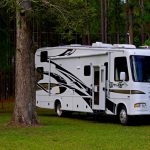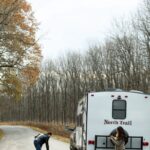

What are the warning signs of a poorly made RV brand? Look for patterns: repeated water leaks, soft floors, loose or failing components, recurring system problems, and warranty repairs that never seem to stick. One faulty appliance doesn’t condemn a brand, but several defects—especially when owners report the same issues on the same model year—deserve a closer look.
We once toured a beautifully polished RV where every cabinet door was latched for the showing. Open them, though, and several catches wouldn’t hold. That didn’t prove the RV was poorly made, but it reminded us that a shiny exterior is no substitute for testing the details.
The best protection is to research the exact model year, check recall and service records, and arrange an independent inspection before buying. Judge the RV in front of you, not just the badge on its side.
Key Takeaways
- Watch for clusters of defects: leaks, soft spots, delamination, electrical faults, and recurring repairs can point to broader quality concerns.
- Separate an isolated failure from a pattern. Consider the model year, repair history, and whether similar problems appear independent owner reports.
- Inspect before you buy: test accessible systems, review records, and consider hiring an independent RV inspector.
- Check safety and paperwork: search the VIN for recalls and read the written warranty before signing.
- Don’t rely on appearance or reputation alone. A polished RV—or a popular brand—can still have problems, so verify the specific unit.
Table of Contents
- ⚡️ Quick Tips and Facts
- 🔎 What Counts as a Poorly Made RV? Build Quality vs. Bad Luck
- 🧭 How RV Manufacturing and Quality Control Work
- 🚩 Warning Signs of a Poorly Made RV Brand
- 1. Repeated Water Leaks and Hidden Water Damage
- 2. Saging Floors, Soft Spots, and Delaminating Walls
- 3. Poor Seals, Gaps, and Sloppy Exterior Fit and Finish
- 4. Electrical Problems and Inconsistent Wiring
- 5. Plumbing Leaks, Weak Water Pressure, and Drain Issues
- 6. Faulty Appliances and Unreliable Installed Components
- 7. Cabinetry, Doors, and Fixtures That Losen or Fail
- 8. Chassis, Axle, and Suspension Problems
- 9. Poor Insulation and HVAC Performance
- 10. Persistent Rattles, Squeaks, and Road-Travel Damage
- 11. Recurring Repairs and a Pattern of Unresolved Defects
- 12. Weak Warranty Support and Hard-to-Reach Customer Service
- 13. Safety Recalls, Missing Documentation, or Unclear Compliance
- 🆚 Poor RV Brand or Isolated Lemon? How to Tell the Difference
- 📋 How to Research RV Brand Reliability and Owner Reviews
- Spoting Useful Reviews and Recurring Complaint Patterns
- RV Forums, Owner Groups, and Consumer Complaint Sources
- Checking Recalls, Warranty Terms, and Manufacturer History
- 🔧 How to Inspect RV Build Quality Before You Buy
- Exterior, Roof, and Undercariage Inspection
- Interior, Systems, and Appliance Inspection
- Test Drive and Roadworthiness Checks
- Why an Independent RV Inspector Is Worth Considering
- 🛠️ What to Do If Your RV Has Serious Defects
- Documenting Problems and Contacting the Dealer or Manufacturer
- Warranty Claims, Repairs, and Escalation Options
- When to Stop Driving or Using the RV
- ✅ How to Choose a Better-Built RV Brand
- 💡 Quick Tips for Avoiding a Poor-Quality RV
- Conclusion
- Recommended Links
- FAQ
- Reference Links
⚡️ Quick Tips and Facts
The quickest way to spot a poorly made RV isn’t to judge its paint or brand badge. Look for repeat problems across structure, systems, repairs, and owner support. A single loose drawer can happen in a good RV; repeated leaks, soft floors, electrical faults, and unresolved warranty claims deserve a much harder look.
Our short version: Inspect the specific RV, research the exact model year, and treat recurring owner complaints as a pattern to investigate—not a verdict based one angry post.
| What you notice | Why it matters | What to do |
|---|---|---|
| Musty odor, bubbling wall panels, or soft flooring | May indicate water intrusion or concealed structural damage | Check moisture-prone areas; arrange an independent inspection |
| Repeated electrical, plumbing, or appliance failures | Could reflect poor installation, component faults, or inadequate repair | Ask for dated service records and proof of completed fixes |
| Doors and cabinets that won’t stay latched | Can point to poor installation or movement-related damage | Test every latch and inspect fasteners and surrounding panels |
| Unclear warranty terms or a dealer who avoids written answers | Support may be difficult when something goes wrong | Read the warranty and ask who handles each repair |
| Similar complaints from owners of the same model and year | A recurring pattern is more meaningful than an isolated anecdote | Compare multiple sources and verify the dates and details |
A few practical facts to keep in mind:
- RV brands rarely build every component themselves. Appliances, chassis, axles, windows, and other parts may come from different suppliers, so identify the failed component as well as the RV manufacturer.
- A vehicle recall is a specific safety or compliance issue, not automatically proof that every RV from that manufacturer is poorly built. Search vehicle recalls through the National Highway Traffic Safety Administration (NHTSA).
- For a first look at brands and owner complaints, our guide to worst RV brands offers context. Use it as a research starting point—not as a substitute for inspecting the unit you’re considering.
- A Class C motorhome, Class A motorhome, and fifth wheel have different construction and inspection priorities. Compare like with like.
One question should stay in your mind as you inspect: is this a small fix, or a clue to a larger pattern? We’ll show you how to tell.
🔎 What Counts as a Poorly Made RV? Build Quality vs. Bad Luck
“Poorly made” doesn’t mean an RV has never needed a repair. RVs are homes on wheels, exposed to vibration, weather, road impacts, and long periods of storage. Even a well-built unit can develop a failed water pump or a loose hinge.
The stronger warning is the combination of recurring defects, weak construction, and poor follow-through.
| Finding | More consistent with an isolated issue | More concerning as a quality pattern |
|---|---|---|
| One appliance failure | A defective component, especially if promptly replaced | Multiple failures plus repeat failures after repair |
| One loose trim piece | A minor installation or travel issue | Widespread loose trim, cabinets, fixtures, or fasteners |
| A roof leak after neglected maintenance | Damage may be tied to maintenance history | Leaks on a relatively new, maintained RV with multiple affected areas |
| A complaint online | One owner’s experience | Similar dated complaints from different owners about the same model or system |
| A delayed repair | Parts shortages or a busy service shop | Repeated denied, delayed, or incomplete repairs with no clear resolution |
Three dimensions of RV quality
- Design: Is the floor plan practical? Are tanks, wiring, plumbing, and service points accessible?
- Execution: Are seams sealed, cabinets secured, wiring protected, and components installed correctly?
- Support: Does the manufacturer or dealer diagnose and resolve defects in a reasonable, documented way?
A unit can score well in one area and poorly in another. A roomy floor plan doesn’t fix sloppy wiring; a reputable appliance supplier doesn’t guarantee that its product was installed properly.
A note on brand reputations: Our guide to worst RV brands can help you identify questions to ask, but owner experiences vary by model year, production run, dealer, and repair network. A brand-wide label is less useful than evidence about the specific RV in front of you.
🧭 How RV Manufacturing and Quality Control Work
An RV is a collection of systems assembled into a moving structure. The manufacturer may build the body and interior while sourcing major components from other companies. That means a problem can start in the design, the factory installation, a supplier part, transportation, a dealer repair, or later maintenance.
Who may be responsible for a defect?
| System or part | Possible source of the issue | Useful evidence |
|---|---|---|
| Roof, wall, floor, cabinetry | RV design, materials, assembly, maintenance, or water exposure | Moisture readings, repair records, inspection photos |
| Furnace, refrigerator, air conditioner | Appliance maker, installation, electrical supply, ventilation | Model and serial numbers, service diagnosis, warranty paperwork |
| Chassis, brakes, suspension | Chassis or component supplier, RV upfitting, loading, maintenance | VIN, weight records, inspection and repair history |
| Wiring and plumbing | Design, installation, abrasion, freeze damage, or modifications | Circuit tests, leak tests, professional repair notes |
| Sealants and exterior joints | Factory application, aging, maintenance, or previous repairs | Close-up photos, inspection report, resealing records |
For a motorhome, verify the chassis and coach details separately. For a trailer, inspect the frame, axles, hitch, brakes, tires, and the living area as one connected system. Buyers comparing fifth-wheel RV manufacturers should pay close attention to the frame, pin box, slide-outs, and loaded weight.
Why production year and dealer matter
A brand may change suppliers, designs, factories, or quality-control procedures over time. A problem reported on an older model doesn’t automatically describe a newer one. And two owners of the same model may have very different experiences because one had a capable dealer and the other waited months for diagnosis or parts.
Trust specifics over slogans: record the model, model year, VIN where appropriate, affected component, repair date, and whether the problem recurred.
🚩 Warning Signs of a Poorly Made RV Brand
One defect isn’t a conviction. A cluster is evidence. On a walk-through, we use all our senses: look for stains and crooked seams, listen for rattles and pump cycling, and gently test doors, fixtures, and floors.
1. Repeated Water Leaks and Hidden Water Damage
Water intrusion is one of the most consequential RV problems because moisture can damage flooring, framing, insulation, and wall materials before the stain becomes obvious.
Look closely around:
- Roof vents, skylights, antennas, air conditioners, and roof edges
- Windows, entry doors, marker lights, and exterior penetrations
- Slide-out corners, seals, and floor edges
- Plumbing connections, water heater, sinks, shower, and toilet
- Storage compartments and the underside of floors
Warning signs: musty smells, swollen trim, bubbling wall covering, discolored ceiling panels, soft flooring, corrosion, or fresh patches that don’t have a clear repair history.
A single roof leak can result from sealant age or missed maintenance; it doesn’t by itself prove the brand is poor. Multiple leaks in different areas, especially on a newer unit or after documented repairs, deserve professional assessment. The RV Technical Institute offers RV service training resources; for a purchase, an independent RV inspector can assess moisture and structure.
Don’t let a freshly cleaned interior distract you. Ask about water damage directly and request repair invoices. If the seller can’t explain a suspicious patch, pause the deal.
2. Saging Floors, Soft Spots, and Delaminating Walls
Walk every part of the floor—not just the aisle. Pay special attention to the bathroom, kitchen, slide-out edges, and areas near exterior doors.
Check for:
- Softness, bouncing, dips, or uneven transitions
- Wall panels that bulge, ripple, or separate
- Loose flooring or trim concealing a repair
- Cracks around openings or in sealant joints
- A slide-out floor that appears saged, swollen, or misaligned
Some floor flex may be part of a particular construction method, so don’t diagnose from feel alone. A soft spot combined with musty odor, staining, or wall separation is much more concerning than minor movement with no other symptoms.
If the seller permits it, have an inspector measure moisture and examine the underside. Structural repairs can be extensive, and a visual walk-through may not reveal what is inside a wall or floor.
3. Poor Seals, Gaps, and Sloppy Exterior Fit and Finish
Inspect exterior joints in good light. Look for sealant that is cracked, missing, smeared, or separating; panels that don’t sit flush; and inconsistent gaps around doors, windows, storage bays, and slide-outs.
Check that:
- Doors close without being slammed or lifted into place.
- Windows open and latch smoothly.
- Exterior compartment doors fit evenly and lock.
- Slide-out seals make consistent contact.
- Trim and awning mounts appear secure, with no signs of water staining.
A rough bead of sealant isn’t automatically a structural flaw. A gap that admits water, a door that won’t align, or repeated separation in multiple locations is different. Ask whether the unit has been repaired and look for documentation rather than accepting “they all do that.”
4. Electrical Problems and Inconsistent Wiring
Electrical faults can range from a dead outlet to a serious fire or shock hazard. Don’t remove panels or probe live wiring unless you’re qualified. Instead, test normal user controls and have a professional inspect anything suspicious.
During a safe, authorized walk-through:
- Test interior lights, switches, outlets, and USB ports.
- Confirm the generator, shore-power, and battery systems operate as represented.
- Look for exposed, pinched, unsupported, or chafed wiring in accessible areas.
- Note breakers that trip repeatedly, flickering lights, burning smells, or warm outlets.
- Ask whether the RV has lithium batteries, an inverter, or aftermarket electrical changes, and request documentation.
A dead outlet may be a simple GFCI issue. Repeated tripping, heat, a burning odor, or unexplained battery drain is a reason to stop testing and seek qualified service. NHTSA provides guidance for checking vehicle safety recalls at nhtsa.gov/recalls; electrical diagnosis itself belongs with a qualified RV technician.
5. Plumbing Leaks, Weak Water Pressure, and Drain Issues
Run the system on city water and, if the owner allows, the onboard pump. Check the visible areas under sinks, around the toilet, near the water heater, and inside accessible utility compartments.
Watch and listen for:
- Leaks at fittings or water pump connections
- A pump that cycles when every faucet is closed
- Unusual odors or slow drains
- Water that pools under the shower or sink
- A water heater that doesn’t operate as described
- Fresh stains or swollen panels near plumbing runs
Test faucets and flush the toilet. Ask how the system was winterized and whether it has suffered freeze damage. A pump that cycles briefly while pressurizing isn’t necessarily faulty; repeated cycling with no water use can signal a leak or pressure problem.
If an owner says a water-heater issue is “just a bad unit,” ask for the diagnosis. The problem could be the appliance, installation, electrical supply, propane supply, or maintenance. A water-heater symptom alone says little about the whole RV brand.
6. Faulty Appliances and Unreliable Installed Components
Test major appliances one at a time, following the manufacturer’s instructions. Confirm how each is powered and which features work on shore power, battery, or propane.
| Component | What to check | Ask the seller |
|---|---|---|
| Refrigerator | Cooling operation, doors, seals, and control panel | Has it been repaired or replaced? |
| Furnace | Startup, airflow, thermostat response, unusual odors | When was it last serviced? |
| Air conditioner | Cooling, fan speeds, vibration, and condensate drainage | Has the roof unit or wiring been worked on? |
| Water heater | Operation in the available modes and signs of leaks | What model is installed and what was repaired? |
| Generator | Startup, stable operation, and service records | How often was it exercised and maintained? |
| Slide-out system | Smooth travel, alignment, seals, and controls | Has it ever jamed or needed adjustment? |
A failed appliance may be a supplier or maintenance issue—not proof of poor RV assembly. But several unrelated failures, especially when installation or wiring is also questionable, increase concern.
7. Cabinetry, Doors, and Fixtures That Losen or Fail
Open and close every cabinet, drawer, window, and interior door. Test the latches, hinges, catches, and furniture mounts. Sit on the seating and bed carefully, and check whether fixtures feel securely fastened.
Look for:
- Screws pulling out or wood splitting around hinges
- Drawers that jump their tracks
- Cabinet doors that swing open during travel
- Loose tables, dinette bases, or bed supports
- Trim pulling away from walls
- Repeated repairs that have simply been screwed back into damaged material
One loose latch is easy to fix. Widespread looseness can point to rushed assembly or poor fastening, especially if owners report the same problem recurring after repair.
8. Chassis, Axle, and Suspension Problems
The living area can look immaculate while the rolling gear tells a less cheerful story. Inspect tires for age, cracking, uneven wear, and matching specifications. Look for corrosion, damaged wiring, fluid leaks, bent components, and signs of impact or poor repairs.
For a motorhome, confirm the chassis details and service history. For a towable RV, inspect the frame, coupler, axles, suspension, brakes, and breakaway system. Have a qualified technician evaluate anything involving steering, braking, tires, or structural damage.
Check the RV’s weight documentation and compare actual loaded weight with the relevant ratings. The NHTSA tire safety guidance explains tire care and safety; your vehicle and tire manufacturers’ labels and manuals should guide the specific limits.
Never treat a test drive as a substitute for an inspection. Handling concerns, unusual vibration, or braking problems need professional attention before travel.
9. Poor Insulation and HVAC Performance
An RV that struggles to stay comfortable may have limits related to its design, insulation, ventilation, window area, or climate—not necessarily a manufacturing defect. Test heating and cooling when conditions allow, and ask about the RV’s intended seasonal use.
Check for:
- Large temperature differences between rooms
- Air leaks around windows and doors
- Condensation or dampness inside cabinets and closets
- Weak airflow or persistent HVAC cycling
- A furnace or air conditioner that struggles despite proper settings
- No clear information about insulation or cold-weather features
Compare the exact model and floor plan, not just the brand’s marketing language. A unit designed for mild-weather camping may not be suited to severe winter use. Be realistic about where you camp: the best-built RV for summer weekends may be the wrong fit for extended cold-weather travel.
10. Persistent Rattles, Squeaks, and Road-Travel Damage
Some noise is normal in a vehicle that doubles as a house. The red flag is not “I heard a squeak once”; it’s repeated noise paired with loose components, cracked trim, damage, or a history of the same repair.
Ask the owner to explain when noises occur. If possible, observe a short, safe test drive or tow inspection with permission. Afterward, check for:
- Items that shifted or opened
- New leaks or drips
- Slide-out or door misalignment
- Rattling panels and loose fixtures
- Tire, wheel, or suspension concerns
We once toured a beautifully staged trailer where every cabinet was latched for the showing. Opening them revealed several catches that wouldn’t hold. It wasn’t proof of a bad brand—but it changed the inspection from “looks lovely” to “let’s test everything.”
11. Recurring Repairs and a Pattern of Unresolved Defects
Ask for a complete repair history, including dates, dealer invoices, warranty claims, and proof that repairs were completed. Compare the story with what you see: fresh sealant, new flooring, replaced appliances, or mismatched trim may be legitimate improvements—or evidence worth investigating.
A useful pattern check is:
- Name the defect: What failed, and where?
- Find the timeline: When did it start, and how often has it returned?
- Identify the repairer: Manufacturer, dealer, independent shop, or owner?
- Verify the fix: Is there a written diagnosis and invoice?
- Compare other owners: Do independent reports describe the same problem on the same model year?
- Assess the outcome: Was it fixed, partly fixed, or still unresolved?
Reviews are consumer accounts, not laboratory tests. The Federal Trade Commission’s consumer advice is useful for general guidance on documenting purchases and disputes. Trust a repeated, well-documented pattern more than a dramatic but detail-free post.
12. Weak Warranty Support and Hard-to-Reach Customer Service
A warranty is only useful if you understand its coverage, exclusions, claim process, and service requirements. Read the actual written documents—not a verbal summary at the sales desk.
Ask:
- Which company covers the coach, chassis, and installed appliances?
- Where must warranty work be performed?
- Does the dealer need to authorize repairs first?
- What maintenance records are required?
- How are parts delays and repeat repairs handled?
- Is there a clear escalation process?
Keep all communications, work orders, photos, and dates. A delayed appointment alone doesn’t establish a bad brand; parts availability and service-shop capacity vary. Repeated unanswered requests, contradictory explanations, or repairs that fail to fix the defect are more serious signals.
13. Safety Recalls, Missing Documentation, or Unclear Compliance
Before buying, verify the vehicle identification number and look for open recalls through NHTSA’s recall search. Ask the seller for the owner’s manuals, service records, weight labels, title, and any records of modifications.
A recall can concern a specific part or production run; it doesn’t automatically establish that every RV from the brand is unsafe. But an open safety recall should be resolved and documented before you take responsibility for the vehicle.
Also check for:
- Missing or altered identification labels
- Incomplete title or ownership paperwork
- Undocumented structural or electrical modifications
- Repairs without invoices or clear descriptions
- Inconsistencies between advertised specifications and manufacturer documentation
If the paperwork doesn’t match the RV, stop and resolve the discrepancy before signing.
🆚 Poor RV Brand or Isolated Lemon? How to Tell the Difference
The owner who says “this brand is junk” may be describing a genuinely frustrating experience. Another owner may have the same model and be delighted. Both accounts can be true: production varies, repair networks differ, and a well-built unit can still be a lemon.
Use this evidence ladder:
| Evidence | Weight to give it | Why |
|---|---|---|
| One anonymous, undated complaint | Low | Little context; may concern a different year or repair history |
| Several detailed reports about one model year | Moderate | A pattern may be emerging; verify independently |
| Repeated similar defects across independent sources | Higher | Converging accounts make a systemic issue more plausible |
| Inspection findings plus matching repair records | High | Direct evidence about the RV you’re considering |
| Official recall or documented repair campaign | High for the affected issue | Verifiable, but applies to the specified vehicles or components |
The two Roadtreking Facebook posts supplied for this topic weren’t publicly verifiable from their visible pages, which showed login prompts. We can’t quote or treat inaccessible posts as evidence. That’s a useful reminder: if a claim can’t be checked, don’t build your buying decision on it.
The featured video, “What are the worst RV brands?” may be useful as a conversation starter about brand research. Treat broad rankings as prompts for questions, then verify the exact model, production year, and reported defect.
Why reports disagree
- Owners may be discussing different model years or production facilities.
- One review may describe a component supplier’s failure; another may blame the RV maker’s installation or service.
- A minor issue can become a major frustration if a repair is repeatedly delayed.
- People with very good or very bad experiences may be more motivated to post than typical owners.
Our rule: Don’t buy or reject a brand on a headline. Buy or reject the individual RV based on evidence.
📋 How to Research RV Brand Reliability and Owner Reviews
A little research can save you from mistaking a loud online argument for a reliable trend. Search the brand, model, model year, and exact symptom. “Brand name bad” is broad; “2023 model slide-out leak repair” is more useful.
Spoting Useful Reviews and Recurring Complaint Patterns
A helpful owner review usually includes:
- Model and model year
- How long the RV has been owned
- The specific defect and when it occurred
- What the dealer or manufacturer did
- Whether the repair worked
- Photos, invoices, or follow-up updates
Be cautious with reviews that name no model, provide no timeline, or make sweeping claims without specifics. Positive reviews deserve scrutiny too: ask whether the writer has used the RV through different seasons and whether the post is based on a brief delivery-day impression.
Look for the same defect described independently. Three dated accounts of the same floor separation on a similar production year matter more than dozens of unrelated complaints across an entire brand.
RV Forums, Owner Groups, and Consumer Complaint Sources
Use owner communities to discover questions, not to replace an inspection. Search forums and groups for model-specific repair experiences, then ask owners politely for details. When a post is private or inaccessible, don’t claim to know what it says.
For safety and regulatory checks, use primary sources such as NHTSA recalls. For warranty and consumer-rights questions, consult your state consumer-protection agency or a qualified attorney; rules can differ by state and by whether the RV is new, used, or primarily a vehicle or dwelling.
Checking Recalls, Warranty Terms, and Manufacturer History
Before committing:
- Search the VIN for open recalls.
- Read the RV manufacturer’s written warranty and the chassis and appliance warranties.
- Confirm which dealer or repair facility will handle warranty work.
- Ask for service records and a written list of known defects.
- Confirm that all promised repairs appear on the final paperwork.
- Compare the exact floor plan and model year with owner reports.
If you’re comparing motorhomes, explore our guides to Class A motorhomes and Class C motorhomes. For towable models, our fifth-wheel RV and fifth-wheel manufacturer guides help you compare categories before you inspect a specific unit.
🔧 How to Inspect RV Build Quality Before You Buy
Don’t let a polished sales walk-through rush you. Give yourself time, test what the seller authorizes, and document anything unusual. Never operate systems or equipment in a way the owner or dealer hasn’t approved.
Exterior, Roof, and Undercariage Inspection
- Confirm identity: Match the VIN, title, model year, and listing.
- Walk the perimeter: Look for gaps, impact damage, mismatched panels, and poor repairs.
- Inspect visible seals: Check roof edges, windows, doors, vents, lights, and slide-outs.
- Check storage bays: Look for dampness, corrosion, damaged wiring, and unusual odors.
- Examine tires and running gear: Note age, wear, visible damage, and any signs of poor maintenance.
- Look underneath safely: Don’t crawl beneath an unsupported RV. Use a qualified inspector for undercariage concerns.
- Ask for records: Request service history, recall completion, and invoices for water or structural repairs.
Never climb onto a roof unless the manufacturer permits it and you can do so safely. Roof construction and access requirements differ by model.
Interior, Systems, and Appliance Inspection
- Smell for mustiness, smoke, pets, or strong scents that could mask other odors.
- Walk the entire floor and note soft, uneven, or swollen areas.
- Inspect ceilings, corners, windows, and cabinets for stains or bubbling.
- Open every cabinet and drawer; test latches and hinges.
- Run faucets and check visible plumbing areas for leaks.
- Test lights, outlets, and appliances only as authorized and according to instructions.
- Operate slides only with permission, with the area clear and the RV properly set up.
- Photograph defects and write down the location and what happened during testing.
A staged RV is still a machine. The fridge may be empty, the batteries may be disconnected, or a system may be winterized. Ask before assuming a nonworking feature is defective.
Test Drive and Roadworthiness Checks
For a motorhome, arrange a legal, insured test drive with permission. For a trailer, confirm that the towing vehicle is suitable and have a qualified person inspect the hitch, brakes, lights, tires, and coupling.
Pay attention to handling, vibration, braking, warning lights, and unusual smells or sounds. A short drive cannot establish long-term reliability, but it can reveal issues that a parked walk-through misses.
Check weights and ratings using the RV’s labels and manufacturer documentation. Don’t assume that a larger tow vehicle or a dealer’s verbal assurance makes an overloaded combination safe.
Why an Independent RV Inspector Is Worth Considering
A seller’s inspection and an independent pre-purchase inspection serve different interests. A qualified inspector can evaluate systems, moisture, structure, appliances, and visible safety concerns without being responsible for making the sale.
Before hiring, ask:
- What training and inspection standards do you follow?
- Do you inspect this type of RV and its specific systems?
- Will I receive a written report with photos?
- Are moisture readings and operational tests included?
- Do you disclose any connection to the seller or dealer?
An inspection is not a guarantee against future failures. It is a better-informed snapshot that can uncover reasons to negotiate, request repairs, or walk away.
🛠️ What to Do If Your RV Has Serious Defects
If you find a safety concern, don’t keep using the RV just to see whether it gets worse. Park safely, stop operating the affected system, and contact a qualified technician. For an active fire, gas leak, or immediate danger, move to safety and contact emergency services.
Documenting Problems and Contacting the Dealer or Manufacturer
Create a clear record:
- Photograph and video the defect from multiple angles.
- Write down when it began, what conditions trigger it, and whether it has happened before.
- Save purchase documents, manuals, warranties, service orders, and messages.
- Contact the seller or manufacturer in writing and describe the issue precisely.
- Ask for a written diagnosis, repair plan, and expected next steps.
- Keep copies of everything, including dates and names of people you speak with.
Avoid altering or dismantling a system before it has been assessed, unless needed to prevent immediate harm. Unauthorized modifications can complicate diagnosis or coverage.
Warranty Claims, Repairs, and Escalation Options
Follow the written warranty process and keep maintenance records. Ask which party is responsible for each system: coach builder, chassis maker, appliance manufacturer, dealer, or third-party service provider.
If a dispute continues, consult your state attorney general or consumer-protection office, and consider qualified legal advice. Coverage and remedies depend on the contract, jurisdiction, type of RV, and facts of the case. The FTC’s consumer resources provide general guidance, but they do not replace legal advice about a specific claim.
When to Stop Driving or Using the RV
Stop travel and seek professional help if you suspect:
- Brake, steering, tire, wheel, or suspension failure
- Fuel, propane, or exhaust leaks
- Burning smells, overheating wiring, or repeated breaker trips
- Structural damage affecting support or handling
- A water leak near electrical equipment
- An open recall or safety issue that may affect operation
A weekend plan is never worth gambling with a safety-critical defect.
✅ How to Choose a Better-Built RV Brand
No manufacturer can promise a trouble-free RV. A stronger choice is the brand and specific model that fit your use, have inspectable construction and documentation, and can be supported where you travel.
Use this shortlist:
- Buy the floor plan, not just the badge. Make sure the layout works for your actual trips.
- Compare exact model years. Design, suppliers, and production can change.
- Inspect the specific unit. New RVs can have defects; used RVs may have a helpful repair history.
- Check service access. Ask local repair shops whether they work on the brand and how warranty authorization is handled.
- Understand the warranty. Read coverage and exclusions before signing.
- Verify weight and capacity. Use the RV’s labels and official documentation.
- Check recalls and records. Search the VIN and request written proof of repairs.
- Pay attention to the dealer. A responsive dealer can make a real difference, but good service doesn’t erase poor construction.
- Consider resale carefully. Condition, maintenance, floor plan, market demand, and repair history all affect resale; brand reputation is only one factor.
We don’t recommend naming a universal “best” or “worst” brand without knowing the model, year, budget, and intended use. A family choosing a Class C for weekend trips has different priorities from a full-timer shopping for a fifth wheel or a luxury Class A.
💡 Quick Tips for Avoiding a Poor-Quality RV
- ✅ Inspect in daylight so leaks, gaps, and repairs are easier to spot.
- ✅ Test every door, drawer, faucet, light, and appliance the seller authorizes.
- ✅ Look for clusters: moisture plus soft flooring is more concerning than either clue alone.
- ✅ Research the exact model year using multiple independent sources.
- ✅ Ask for service invoices, not just verbal assurances.
- ✅ Check the VIN for recalls through NHTSA.
- ✅ Use an independent RV inspector for a major purchase.
- ❌ Don’t assume a glossy finish means careful assembly.
- ❌ Don’t treat one online complaint as proof that an entire brand is unreliable.
- ❌ Don’t accept “they all do that” when a safety, leak, or structural concern is involved.
- ❌ Don’t rush because the dealer says another buyer is waiting. A good RV will survive one more inspection.