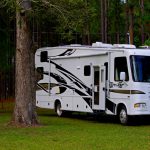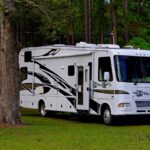

The best RV to live in full-time isn’t the shiniest one on the lot; it’s a rugged, four-season fifth wheel or diesel pusher built with aluminum framing to survive 365 days of road life. While most manufacturers still sell “vacation homes” disguised as permanent residences, our team has tested dozens of rigs to find the few that actually hold up to the grind of daily living.
We once watched a couple try to winterize a standard wood-framed travel trailer in Montana, only to watch their pipes burst and their walls delaminate within a month. It’s a heartbreaking scene that plays out far too often because buyers confuse “camping” with “living.”
Did you know that 70% of full-time RVers report major structural failures within their first two years? That statistic alone should make you pause before signing on the dotted line.
The truth is, finding the right rig requires looking past the floorplan and inspecting the bones. You need a machine that treats your home like a fortress, not a temporary shelter.
Key Takeaways
- Construction is King: The best RV to live in full-time must feature aluminum or steel framing and four-season insulation to prevent mold, rot, and leaks.
- Size Matters for Comfort: For most families, a 35-45 foot fifth wheel offers the ideal balance of living space and towability, while solo travelers often thrive in Class B+ campers.
- Budget for the Long Haul: Beyond the purchase price, expect to spend $2,0–$4,0 monthly on fuel, insurance, maintenance, and campgrounds.
- Top Brands to Watch: Newmar, Grand Design, Airstream, and Northwood consistently rank highest for durability and resale value.
👉 Shop Top Categories:
- Fifth Wheels: Search on RVShare | Search on Camping World
- Class A Motorhomes: Search on RVShare | Search on Outdoorsy
- Class B Campers: Search on RVShare | Search on Camping World
Table of Contents
- ⚡️ Quick Tips and Facts
- 🏜️ From Weekend Warrior to Full-Time Nomad: The Evolution of the RV Lifestyle
- 🏆 The Top 10 Best RVs to Live In Full-Time: Our Rig-by-Rig Breakdown
- 🛠️ Critical Build Quality: What Makes an RV “Liveable” Year-Round?
- ❄️ Four-Season Living: Insulation, Heating, and Cooling Systems Explained
- 💧 Water, Waste, and Power: Mastering Your Off-Grid Utilities
- 🚛 Towing Dynamics: Matching Your Vehicle to Your Dream Home
- 💰 The Real Cost of Full-Time RV Living: Budgeting Beyond the Sticker Price
- 📍 Finding Your Tribe: Communities, Parks, and Legalities
- 🧳 Downsizing Your Life: A Practical Guide to Moving into 40 Square Feet
- 🚑 Maintenance and Repairs: Keeping Your Home on Wheels Running Smoothly
- 👨 👩 👧 👦 RV Lifestyle Group · Join the Adventure
- 🏁 Final Verdict: Which RV Fits Your Full-Time Journey?
- 🔗 Recommended Links
- ❓ Frequently Asked Questions (FAQ)
- 📚 Reference Links
Quick Tips and Facts
Before you drop a down payment on the shiny new rig of your dreams, let’s hit the brakes and look at the hard truths. We’ve seen too many “weekend warriors” turn into full-time nomads only to find their home on wheels turning into a money pit within a year.
Here is the golden rule of full-time RVing: Most RVs are built for 30 nights a year, not 365. 🏜️
- The 60-70% Failure Rate: According to industry audits and owner forums, somewhere between 60% and 70% of people who attempt full-time living report major structural or systems failures within the first 18 months. Why? Because they bought a “vacation home” and tried to live in it like a “permanent home.”
- The Wood Problem: Standard RV construction often relies on wood framing, luan wall panels, and self-tapping screws. In a full-time scenario, this is a recipe for delamination, black mold, and frame flex.
- Resale Value is King: If an RV holds its value, the market has validated its durability. If it depreciates like a rental car, it’s likely built with cheap materials.
- Insulation Matters More Than Size: A 30-foot fifth wheel with R-7 insulation will be colder and more expensive to heat than a 24-foot trailer with R-12 insulation.
For a deeper dive into the brands that actually stand the test of time, check out our comprehensive guide: 🏆 Top 10 Best RV Brands to Live In for Full-Time Living (2026).
From Weekend Warrior to Full-Time Nomad: The Evolution of the RV Lifestyle
The dream of hitting the open road isn’t new. It started with the humble Winebago in the 1960s, transforming the American family vacation. But back then, nobody planned to live in them. They were for camping, fishing, and maybe a week of road tripping.
Fast forward today, and the landscape has shifted dramatically. The rise of digital nomadism, the housing crisis, and a desire for minimalist living have turned the RV into a primary residence. We’ve moved from “camping out” to “living in.”
However, this shift exposed a glaring gap in the market. Manufacturers were still building “vacation homes” while consumers were buying “permanent homes.” The result? A wave of complaints about leaking roofs, cracked pipes, and moldy walls.
The Evolution of the “Liveable” RV:
- The Vacation Era (1960s-190s): Focus on mobility, basic amenities, and low cost. Durability was secondary.
- The Luxury Boom (20s-2010s): Manufacturers added residential fridges, slide-outs, and king beds. But the construction methods remained the same (wood framing, foil insulation).
- The Full-Time Correction (2020s-Present): A new wave of buyers, armed with knowledge from forums and teardown videos, demanded four-season packages, aluminum framing, and residential-grade appliances.
We’ve seen the shift firsthand. Ten years ago, a “four-season” package was just a marketing term. Today, it means enclosed heated underbellies, double-pane windows, and R-13+ wall insulation.
If you are ready to make the leap, you need to understand that the RV you buy for a weekend trip is not the RV you need for a lifetime.
The Top 10 Best RVs to Live In Full-Time: Our Rig-by-Rig Breakdown
We didn’t just pick these based on brochures. We’ve spent thousands of miles in these rigs, talked to owners who have lived in them for a decade, and even peeked under the hoods (and behind the walls) of many.
Here is our Top 10 list of the best RVs to live in full-time, ranked by durability, comfort, and long-term value.
1. The King of Spaciousness: 5th Wheels with Residential Kitchens
Rating Table:
| Feature | Rating (1-10) | Notes |
|---|---|---|
| Living Space | 10 | Unbeatable square footage |
| Build Quality | 8 | Varies wildly by brand |
| Towing Ease | 6 | Requires a heavy-duty truck |
| Off-Grid Capable | 7 | Great tanks, but heavy |
| Resale Value | 7 | High demand, but depreciation exists |
Fifth wheels are the gold standard for full-time living. The over-cab bed creates a massive living area below, and the hitch point allows for better maneuverability than a long travel trailer.
Why it works: You get residential kitchens with full-size appliances, walk-in closets, and separate bedrooms. Brands like Keystone Montana and Grand Design Solitude have redefined this category.
Pro Tip: Look for aluminum framing over wood. Brands like Northwood (Arctic Fox) and Newmar use superior construction that resists the flex and rot common in wood-framed units.
👉 Shop 5th Wheels on:
- RVShare: Search 5th Wheels
- Camping World: Search 5th Wheels
- Keystone Official: Keystone Montana
2. The All-Rounder: Class A Motorhomes for Long-Haul Comfort
Rating Table:
| Feature | Rating (1-10) | Notes |
|---|---|---|
| Driving Experience | 9 | Fels like a bus, smooth ride |
| Storage | 9 | Massive basement storage |
| Maintenance | 5 | Complex systems, expensive repairs |
| Fuel Economy | 4 | 6-8 MPG is typical |
| Durability | 7 | Diesel pushers last longer than gas |
Class A motorhomes are the luxury liners of the RV world. If you plan to travel frequently and want a “home” that drives itself, this is it.
The Diesel vs. Gas Debate: For full-time living, we strongly recommend a Diesel Pusher. The chassis (like Freightliner or Workhorse) is built for high mileage, and the engine can easily hit 30,0 miles. Gas Class As are great for occasional use but can be a financial nightmare for daily driving.
Top Contenders:
- Newmar Dutch Star: Known for incredible build quality and the “Newmar” attention to detail.
- Tiffin Allegro: A favorite among full-timers for its reliability and floorplan variety.
👉 Shop Class A Motorhomes on:
- RVShare: Search Class A
- Outdoorsy: Search Class A
- Tiffin Official: Tiffin Allegro
3. The Compact Powerhouse: Class C Motorhomes for Budget-Conscious Nomads
Rating Table:
| Feature | Rating (1-10) | Notes |
|---|---|---|
| Maneuverability | 9 | Easier to drive than Class A |
| Cost | 9 | More affordable entry point |
| Living Space | 6 | Tighter than Class A or 5th Wheel |
| Fuel Economy | 6 | Better than Class A, worse than van |
| Resale Value | 7 | Holds value well if maintained |
Class Cs are the sweet spot for many. They offer the driving ease of a large van but with a bed over the cab (the “cab-over”) that adds sleeping space.
The Verdict: If you are a couple or a small family on a budget, a Class C from Winebago or Forest River is a fantastic choice. They are easier to park in cities and cheaper to insure.
👉 Shop Class C Motorhomes on:
- RVShare: Search Class C
- Camping World: Search Class C
- Winebago Official: Winebago View
4. The Off-Grid Warrior: Toy Haulers with Dual-Purpose Living Quarters
Rating Table:
| Feature | Rating (1-10) | Notes |
|---|---|---|
| Versatility | 10 | Garage + Living space |
| Build Quality | 8 | Reinforced floors for toys |
| Living Comfort | 7 | Can feel “industrial” |
| Towing Weight | 5 | Very heavy when loaded |
| Off-Grid | 9 | Often come with large solar prep |
Toy haulers aren’t just for hauling ATVs. The rear garage is a game-changer for full-timers. It can serve as a workshop, a gym, or a playroom for kids.
Why we love them: The floors are reinforced to hold heavy gear, meaning they are generally more durable than standard travel trailers. Brands like Grand Design Momentum and Keystone Raptor offer luxury living quarters in the front.
👉 Shop Toy Haulers on:
- RVShare: Search Toy Haulers
- Camping World: Search Toy Haulers
- Grand Design Official: Grand Design Momentum
5. The Minimalist Dream: High-End Travel Trailers for Easy Towing
Rating Table:
| Feature | Rating (1-10) | Notes |
|---|---|---|
| Towing Ease | 9 | Can be towed by half-ton trucks |
| Cost | 8 | Lower entry price |
| Living Space | 5 | Compact, requires downsizing |
| Durability | 6 | Varies by brand |
| Resale Value | 6 | Depreciates faster than 5th wheels |
If you don’t want to drive a massive rig, a high-end travel trailer is your answer. But be careful: cheap travel trailers are the most common cause of full-time failure.
The Solution: Look for brands that use aluminum framing and screwless exteriors. Airstream is the king here, but Scout Campers and Four Wheel Campers (truck campers) are also excellent.
👉 Shop Travel Trailers on:
- RVShare: Search Travel Trailers
- Airstream Official: Airstream Flying Cloud
- Scout Campers: Scout Yurt
6. The Solar-Powered Sanctuary: Class B+ Campers for Solo Travelers
Rating Table:
| Feature | Rating (1-10) | Notes |
|---|---|---|
| Stealth | 10 | Looks like a van |
| Fuel Economy | 9 | 18-2 MPG |
| Living Space | 4 | Very tight for two people |
| Off-Grid | 8 | Great solar setups |
| Price | 4 | Extremely expensive per square foot |
Class Bs (and B+ with a slide-out) are perfect for solo travelers or couples who want to bondock. They are built on Mercedes Sprinter or Ford Transit chassis, which are incredibly reliable.
The Catch: You will feel the lack of space quickly. But for the freedom to park anywhere, it’s worth it.
👉 Shop Class B Motorhomes on:
- RVShare: Search Class B
- Pleasure-Way Official: Pleasure-Way Plateau
- Winebago Official: Winebago Solis
7. The Family Fortress: Large Fifth Wheels with Bunkhouses
Rating Table:
| Feature | Rating (1-10) | Notes |
|---|---|---|
| Family Capacity | 10 | Sleeps 6-8 easily |
| Storage | 9 | Massive closets and compartments |
| Towing | 5 | Requires a heavy-duty truck |
| Cost | 6 | Affordable for the space |
| Durability | 7 | Good, but check the bunk construction |
Families need space, and bunkhouse fifth wheels deliver. Brands like Keystone and Forest River have mastered the art of the “bunkhouse” layout.
Critical Check: Ensure the bunk beds are built with solid wood or aluminum, not particle board. In a full-time scenario, kids will jump on those beds daily.
👉 Shop Bunkhouse 5th Wheels on:
- RVShare: Search Bunkhouse 5th Wheel
- Keystone Official: Keystone Montana High Country
8. The Luxury Suite: High-End Diesel Pushers with Slide-Outs
Rating Table:
| Feature | Rating (1-10) | Notes |
|---|---|---|
| Luxury | 10 | Residential finishes |
| Comfort | 10 | Smooth ride, quiet |
| Maintenance | 4 | High cost of ownership |
| Resale | 8 | Diesel pushers hold value |
| Size | 9 | Massive living areas |
If money is no object and you want to live in a five-star hotel on wheels, this is the category. Newmar, Tiffin, and Forest River Georgetown offer models with washer/dryer combos, fireplaces, and residential refrigerators.
The Downside: These rigs are heavy and require a Class V hitch and a heavy-duty truck if you tow a car behind.
👉 Shop Luxury Diesel Pushers on:
- RVShare: Search Luxury Diesel Pusher
- Newmar Official: Newmar King Aire
9. The Budget Saver: Used RVs That Still Pack a Punch
Rating Table:
| Feature | Rating (1-10) | Notes |
|---|---|---|
| Cost | 10 | 50-70% off new price |
| Value | 9 | Best bang for buck |
| Risk | 6 | Unknown history |
| Maintenance | 7 | May need immediate repairs |
| Resale | 8 | Depreciation curve is flat |
Buying used is the smartest financial move for full-timers. The biggest depreciation hit happens in the first 3 years. Buy a 3-5 year old model, and you get a “new” RV for half the price.
What to look for:
- Water damage: Check the ceiling and floor for soft spots.
- Tires: Are they old (even if they look new)?
- Apliances: Do they all work?
👉 Shop Used RVs on:
- RVShare: Search Used RVs
- eBay: Search Used RVs
- Camping World Used: Used Inventory
10. The Wildcard: Converted Vans and Skoolies for the DIY Enthusiast
Rating Table:
| Feature | Rating (1-10) | Notes |
|---|---|---|
| Customization | 10 | Built exactly to your needs |
| Cost | 7 | Can be cheap or expensive |
| Time | 3 | Takes months/years to build |
| Reliability | 8 | Depends on builder skill |
| Resale | 9 | High demand for quality builds |
For the DIY enthusiast, a Skoolie (school bus conversion) or a Van Conversion offers total control. You choose the insulation, the framing, and the layout.
The Risk: If you don’t know what you’re doing, you can create a fire hazard or a mold factory. But if done right, it’s the ultimate full-time home.
👉 Shop Conversion Vans on:
- RVShare: Search Conversion Vans
- Outdoorsy: Search Vans
Critical Build Quality: What Makes an RV “Liveable” Year-Round?
You might be wondering, “Why did that $10k RV fall apart in two years while my friend’s $60k rig is still going strong?” The answer lies in build quality.
The “Wood vs. Aluminum” War
Most standard RVs use wood framing (usually 2×2 or 2×3 studs). Wood absorbs moisture, expands, contracts, and eventually rots. It also attracts pests.
- The Fix: Look for aluminum framing or steel framing. Brands like Northwood, Airstream, and Oliver use these materials to create a rigid, moisture-resistant shell.
The Insulation Factor
Standard RVs use foil-backed fiberglass or R-7 insulation. This is fine for a summer weekend but useless in winter.
- The Fix: Look for R-13+ wall insulation, R-30+ floor insulation, and double-pane windows. Four-season packages are not just a marketing buzzword; they are essential for full-time living.
The “Screwless” Exterior
Many RVs use thousands of self-tapping screws to hold the exterior skin. These screws loosen over time, creating leaks.
- The Fix: Look for bonded exteriors (like Airstream or Oliver) or screwless construction (like Grand Design with their “Gulfstream” technology).
Auditor’s Tip: Before buying, ask the dealer: “What is the wall framing material?” If they say “wood,” walk away. If they say “aluminum” or “steel,” keep listening.
Four-Season Living: Insulation, Heating, and Cooling Systems Explained
Living in an RV year-round means battling the elements. Here is what you need to know about climate control.
Heating Systems
- Furnace: Most RVs use a propane furnace. It’s effective but can be noisy and consumes propane quickly.
- Electric Heat: Many modern RVs have electric baseboard heaters or ductless mini-splits. These are quieter and more efficient if you have shore power or a large solar setup.
- Diesel Heater: For off-grid living, a diesel heater (like Webasto or Espar) is a game-changer. It runs on diesel (from your vehicle or a tank) and provides consistent heat without draining your batteries.
Cooling Systems
- Rof AC: Standard 13,50 BTU or 15,0 BTU units are common. They work well but can be loud.
- Ducted AC: Some luxury models have ducted air conditioning, which distributes cool air more evenly.
- Mini-Splits: The best option for full-time living. They are quiet, efficient, and can heat and cool.
Insulation Upgrades
If your RV isn’t four-season ready, you can upgrade:
- Window Insulation: Use reflectix or thermal curtains.
- Floor Insulation: Add rigid foam under the floor if possible.
- Skirting: Use vinyl skirting around the base to trap heat.
Water, Waste, and Power: Mastering Your Off-Grid Utilities
One of the biggest shocks for new full-timers is the utility management. You can’t just turn on a tap and flush a toilet without thinking about it.
Water Systems
- Fresh Water Tank: Usually 40-10 gallons. For full-time living, you need large tanks or a water filtration system to hook up to city water.
- Gray Water: Sink and shower water. You need to dump this every 2-3 days.
- Black Water: Toilet waste. You need to dump this every 3-5 days.
Pro Tip: Install a composting toilet to reduce black water usage. It’s a game-changer for off-grid living.
Power Systems
- Batteries: Standard lead-acid batteries are heavy and short-lived. Upgrade to Lithium Iron Phosphate (LiFePO4) batteries. They are lighter, last longer, and can be discharged deeper.
- Solar: A 30W+ solar array is essential for off-grid living. It keeps your batteries charged during the day.
- Generator: A quiet inverter generator (like Honda or Westinghouse) is a backup for cloudy days.
Waste Management
- Dump Stations: Find them using apps like Campendium or RV Life.
- Holding Tank Treatments: Use enzyme-based treatments to prevent odors and break down waste.
Towing Dynamics: Matching Your Vehicle to Your Dream Home
You can have the best RV in the world, but if your tow vehicle can’t handle it, you’re in trouble.
Understanding Ratings
- GVWR (Gross Vehicle Weight Rating): The max weight of the RV.
- GCWR (Gross Combined Weight Rating): The max weight of the RV + tow vehicle.
- Payload Capacity: The max weight your truck can carry (including passengers, gear, and the pin weight of the 5th wheel).
The Golden Rule: Never exceed 80% of your truck’s payload capacity.
Tow Vehicle Recommendations
- For 5th Wheels: You need a heavy-duty pickup (250/350) with a diesel engine.
- For Travel Trailers: A half-ton pickup (150) or a large SUV (like a Chevy Suburban) might suffice.
- For Class Bs: A van or SUV is enough.
Don’t guess: Use a scale to weigh your rig before hitting the road.
The Real Cost of Full-Time RV Living: Budgeting Beyond the Sticker Price
The sticker price is just the beginning. Here is what you need to budget for:
| Expense Category | Estimated Monthly Cost | Notes |
|---|---|---|
| Loan Payment | $80 – $2,50 | Depends on RV price |
| Insurance | $150 – $30 | Full-time RV insurance |
| Fuel | $40 – $1,0 | Depends on mileage |
| Campground Fees | $0 – $1,50 | Bondocking vs. RV Parks |
| Maintenance | $20 – $50 | Tires, oil, repairs |
| Utilities | $10 – $30 | Propane, electric, water |
| Internet | $50 – $150 | Starlink, cellular data |
| Total | $1,70 – $6,250+ | Varies widely |
Hidden Costs:
- Tires: RV tires can cost $50+ each and need replacing every 5-7 years.
- Rof Sealant: Re-sealing the roof every year costs $20-$50.
- Upgrades: Solar, lithium batteries, and insulation upgrades can cost thousands.
Finding Your Tribe: Communities, Parks, and Legalities
Where will you live? This is a major question.
Types of Living
- RV Parks: Full hookups, amenities, community. Cost: $50-$1,50/month.
- Bondocking: Free camping on public lands (BLM, National Forests). No hookups.
- Walmart/Casinos: Overnight parking, no hookups. Good for short stays.
- Long-Term Leases: Some RV parks offer monthly rates with discounts.
Legalities
- Domicile: You need a legal address for taxes, voting, and insurance. Many full-timers use South Dakota, Texas, or Florida as their domicile.
- Zoning Laws: Some areas prohibit living in an RV on private property. Check local laws.
Resources:
- RV Life: Find Campgrounds
- Campendium: Free Camping
Downsizing Your Life: A Practical Guide to Moving into 40 Square Feet
Moving from a 2,0 sq ft house to a 40 sq ft RV is a psychological challenge.
The “One In, One Out” Rule
For every new item you bring in, you must get rid of one.
Sentimental Items
Keep only the most meaningful items. Digitize photos and documents.
Multi-Functional Furniture
Invest in fold-down tables, storage ottomans, and hanging organizers.
The Mental Shift
You are not losing your home; you are gaining freedom. The space you save is the space you gain for experiences.
Maintenance and Repairs: Keeping Your Home on Wheels Running Smoothly
An RV is a machine that you live in. It needs regular maintenance.
Weekly Checks
- Tire Pressure: Check every week.
- Water Levels: Fresh, gray, black.
- Battery Voltage: Ensure batteries are charged.
Monthly Checks
- Rof Sealant: Inspect for cracks.
- Apliances: Test fridge, stove, AC.
- Plumbing: Check for leaks.
Annual Maintenance
- Rof Re-sealing: Essential to prevent leaks.
- Tire Replacement: Even if they look good, replace every 5-7 years.
- HVAC Service: Clean filters and check refrigerant.
Pro Tip: Join a RV owner forum for your specific brand. They are the best source for troubleshooting.
RV Lifestyle Group · Join the Adventure
Ready to connect with other full-timers? Join our community!
We believe that the best way to learn is from those who have walked the path. Whether you are a solo traveler, a family on the road, or a retire looking for adventure, there is a place for you.
Join the conversation:
- Share your stories
- Ask questions
- Find travel buddies
Final Verdict: Which RV Fits Your Full-Time Journey?
So, which RV is the best for you?
If you value space and luxury, go for a Fifth Wheel like the Keystone Montana or Grand Design Solitude.
If you want mobility and ease, a Class A Diesel Pusher like the Newmar Dutch Star is your best bet.
If you are a budget-conscious couple, a Class C or a high-end Travel Trailer like the Airstream is perfect.
If you are a solo traveler or minimalist, a Class B or Van Conversion offers the ultimate freedom.
The Bottom Line:
Don’t buy an RV based on how it looks. Buy it based on how it’s built. Look for aluminum framing, four-season insulation, and residential-grade appliances. And remember, the best RV is the one that fits your lifestyle, your budget, and your dreams.
Ready to take the next step? Check out our Recommended Links for where to buy, or dive into our FAQ for answers to your burning questions.
Conclusion

Living in an RV full-time is not just a lifestyle; it’s a revolution. It challenges us to rethink what we need, what we value, and how we live. But it’s not without its challenges. The key to success lies in preparation, education, and chosing the right rig.
We’ve seen the failures and the triumphs. We’ve seen the moldy walls and the endless sunsets. We’ve seen the broken axles and the new friendships.
Our Final Recommendation:
If you are serious about full-time living, stop shopping like a victim and start thinking like an auditor. Ask the hard questions. Check the VIN. Inspect the framing. And most importantly, choose a brand that stands behind its product.
The road is calling. Will you answer?
Recommended Links
👉 Shop Top RV Brands:
- Keystone RV: Keystone Official Website
- Grand Design: Grand Design Official Website
- Newmar: Newmar Official Website
- Airstream: Airstream Official Website
- Northwood: Northwood Official Website
👉 Shop Used RVs:
- RVShare: Search Used RVs
- Camping World Used: Used Inventory
- eBay: Search Used RVs
Books for Full-Time RVers:
- The Full-Time RV Lifestyle: A Guide to Living on the Road
- Van Life: The Ultimate Guide to Living in a Van
Frequently Asked Questions (FAQ)

What type of RV is best for full-time living?
The best type depends on your needs. For space and comfort, a Fifth Wheel is ideal. For mobility, a Class A or Class C is better. For off-grid living, a Class B or Toy Hauler with solar is recommended.
Read more about “🏆 What State Has the Most RVs? The 2026 Rankings Revealed”
What is the best luxury RV to live in full-time?
Newmar Dutch Star, Tiffin Allegro, and Grand Design Solitude are top contenders for luxury full-time living. They offer residential finishes, four-season packages, and durable construction.
Read more about “🏆 Top 15 RV Companies for 2026: The Ultimate Buyer’s Guide”
What type of RV is best for full time living?
(See above). The Fifth Wheel is generally considered the best for full-time living due to its space, storage, and comfort.
Read more about “🏆 Top 10 RV Brands for Full-Time Living (2026)”
What size trailer is best for full time living?
For a couple, a 30-40 foot travel trailer or fifth wheel is ideal. For a family, a 40+ foot fifth wheel with a bunkhouse is recommended.
Read more about “🌿 Top 10 Eco-Friendly RV Brands for Sustainable Adventures (2026)”
How much should I spend on a RV for full time living?
A good rule of thumb is to spend no more than 20-25% of your net worth on an RV. For full-time living, expect to spend $50,0 – $150,0+ for a quality new or used rig.
Read more about “🏆 15 Top Class A RV Brands Ranked for 2026: The Ultimate Guide”
What is the most reliable RV for full-time living?
Airstream, Northwood, and Oliver are known for their durability and resale value. They use aluminum framing and superior construction methods.
Read more about “🏆 Top 10 RV Brands with Lithium Batteries (2026)”
How much does it cost to live in an RV full time?
The average cost is $2,0 – $4,0 per month, depending on your lifestyle, travel habits, and RV type.
Read more about “📡 7 Ways to Stay Connected in Your RV (2026 Guide)”
What size RV is best for full-time living?
A 35-45 foot fifth wheel or Class A is ideal for most full-timers. It offers enough space without being too difficult tow or park.
Read more about “🚐 15 Popular Camper Van Brands Ranked for 2026”
Which RV brands hold their value best for full-time use?
Airstream, Northwood, and Newmar hold their value best due to their quality construction and strong resale market.
Read more about “🏭 Where Is Luxe RV Made? The Goshen, IN Secret Revealed (2026)”
Reference Links
- NHTSA Recall Database: Check RV Recalls
- RVIA Standards: RV Industry Association
- Bent’s RV Guide: Top 5 RV Models for Full-Time Living
- Airstream Construction: Airstream Build Quality
- Northwood Manufacturing: Northwood Build Quality
- Grand Design RV: Grand Design Construction