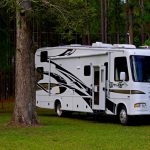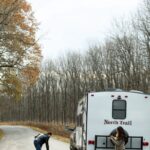

There’s no reliable public data to prove which RV brands had the highest recall rates in 2024: recall counts aren’t recall rates, and a fair rate needs comparable production totals. The practical answer is to check the specific RV’s VIN and model-year notices, then confirm any repairs—because a brand-wide ranking won’t tell you whether the rig in front of you is affected.
We’ve seen how quickly a reassuring “it’s been taken care of” can turn into a paperwork scavenger hunt. A completed recall repair order is worth far more than a seller’s confident nod, especially when a motorhome has separate coach and chassis manufacturers.
This guide examines 12 brands raised in recall and complaint discussions, explains what the available evidence can—and can’t—show, and walks you through checking an RV before you buy or travel.
Key Takeaways
- No verified 2024 brand-by-brand recall-rate ranking is established here. Public recall counts don’t provide the production totals needed to calculate a fair rate.
- Check the exact RV, not just the brand. Search its VIN through NHTSA, then check the RV builder, chassis maker, and relevant component manufacturers.
- Recall counts, owner complaints, and reliability are different measures. A high raw count alone doesn’t prove a brand is less reliable.
- Get documentation for completed recall work. Ask for repair orders and have an independent inspector assess the RV’s condition.
- Treat brand lists as research leads, not verdicts. Model year, VIN, maintenance, repair history, and the specific defect matter most.
Table of Contents
- ⚡ Quick Tips and Facts: RV Recalls in 2024
- 📊 What “Highest Recall Rate” Really Means for RV Brands
- Recall counts vs. recall rates
- Why RV sales volume and vehicle type matter
- 🏭 How RV Manufacturing and Recall Reporting Work
- The role of NHTSA and manufacturer defect reports
- Motorhome chassis, RV body, and component recalls
- 🔎 How We Assessed 2024 RV Recall Data
- Data sources and date boundaries
- What the data can—and can’t—prove
- 🏆 12 RV Brands to Check Closely for 2024 Recalls
- 1. Forest River
- 2. Keystone RV
- 3. Jayco
- 4. Thor Motor Coach
- 5. Winebago
- 6. Grand Design RV
- 7. Coachmen RV
- 8. Airstream
- 9. Tiffin Motorhomes
- 10. Newmar
- 11. Entegra Coach
- 12. Alliance RV
- 🚐 Recall Patterns by RV Type
- Travel trailers and fifth wheels
- Class A, B, and C motorhomes
- Toy haulers and camper vans
- 🛠️ Common RV Recall Problems and Safety Risks
- Electrical systems, batteries, and fire hazards
- Brakes, axles, tires, and towing components
- Propane, appliances, and carbon monoxide risks
- Slide-outs, roofs, and water intrusion
- ⚖️ RV Recall Counts vs. Customer Complaints and Reliability
- ✅ How to Check an RV’s Recall History Before Buying
- Search by VIN, make, and model
- Inspect service records and open-recall repairs
- Questions to ask the dealer and previous owner
- 🧰 What to Do If Your RV Has an Open Recall
- How recall repairs work
- When to stop driving or towing
- What to do if a repair is delayed
- 💡 Smart RV Buying Tips for Minimizing Recall Risk
- ❓ RV Recall FAQs
- Which RV brands had the most recalls in 2024?
- Does the most recalls mean an RV brand is the least reliable?
- Are RV recalls repaired for free?
- How do I check for RV recalls by VIN?
- Can I still buy an RV with an open recall?
- 🏁 Conclusion
- 🔗 Recommended Links
- 📚 Reference Links
⚡ Quick Tips and Facts: RV Recalls in 2024
Before we crown any “worst” RV brand, let’s put the word rate under a bright inspection light. A manufacturer with many recalls may also build and sell far more RVs than its competitors. Raw recall totals, complaints, and the share of vehicles affected are three different measurements.
Our first practical rule: check the specific RV’s VIN and model year, not just the badge on the front. Use the NHTSA recall lookup for motorhomes and chassis, then contact the RV manufacturer for possible RV-body or component notices that may not appear in the same search.
| Quick fact | What it means for RV shoppers |
|---|---|
| A recall is a safety action, not a complete quality score | One recall can affect thousands of units; another may affect only a small production batch. |
| Recall count is not the same as recall rate | To calculate a rate, you need a reliable denominator: how many comparable RVs were built or sold. |
| RVs combine several manufacturers’ products | A motorhome may have a coach builder, chassis maker, engine maker, and component suppliers, each with separate notices. |
| A used RV can still have an open recall | Confirm repair completion using the VIN and written service records. |
| Complaint volume is not proof of a high defect rate | Large brands naturally have more owners who can file complaints. |
✅ Our buying checklist: verify recalls, inspect the exact unit, review service paperwork, and research the model year. For a broader look at reputation concerns, see our guide to worst RV brands.
One curiosity we’ll resolve as we go: which manufacturers genuinely had the “highest recall rates” in 2024? Public sources don’t support a clean, defensible brand-by-brand rate ranking. They do, however, reveal useful recall patterns—and a crucial difference between a high recall count and a high-risk RV.
📊 What “Highest Recall Rate” Really Means for RV Brands
Recall counts vs. recall rates
A recall count usually tells you how many safety campaigns a manufacturer announced or how many vehicles a campaign affected. A recall rate should compare affected vehicles with the total number of comparable vehicles produced or in service over a defined period.
For example, a recall affecting 10,000 units could represent a small fraction of a high-volume production run—or most of a limited production run. Without the matching production denominator, ranking brands by “rate” is guesswork dressed up in a spreadsheet.
NHTSA’s recall database is valuable for checking official notices, affected vehicles, hazards, and remedies. It is not, by itself, a ready-made 2024 league table of RV brands ranked by verified recall rate.
| Measure | What it counts | What it can tell you | What it cannot tell you alone |
|---|---|---|---|
| Recall campaigns | Official safety actions | Whether a manufacturer or component has had safety campaigns | How often a typical unit is defective |
| Affected-unit count | Vehicles included in a campaign | Potential scale of a particular issue | The affected share without a production denominator |
| Customer complaints | Reported consumer experiences | Repeated concerns worth investigating | Verified defect rates or safety risk |
| Recall rate | Affected units divided by an appropriate population | Relative exposure, when data and scope match | Overall quality, repair experience, or every non-safety problem |
Some competitor articles use strong language about “the most recalls” or “the worst brands.” Treat those claims carefully if they mix complaint records, multi-year recall totals, and 2024 campaigns. As one competing RV Brands article puts it, “The brand with the most complaints isn’t necessarily the worst—it’s often just the biggest.” That is a useful caution, not a substitute for verified rate data.
Why RV sales volume and vehicle type matter
A large manufacturer can lead in raw notices because it builds many brands and product lines. Forest River, for example, has a broad portfolio; a total attributed to its parent company may cover multiple RV types, facilities, and model years. A small specialty builder could have fewer notices but a higher share of its limited production affected by one defect.
Comparisons also get messy when they mix:
- Towables with motorhomes
- Motorhome body defects with chassis defects
- One model year with multiple years of production
- RV makers with component suppliers
- Recall campaigns issued in calendar year 2024 with units built in 2024
So when you hear “Brand X had the highest recall rate,” ask: Highest according to which dataset, divided by how many RVs, and covering which vehicles? If the answer is missing, it’s a headline—not a verified rate.
🏭 How RV Manufacturing and Recall Reporting Work
The role of NHTSA and manufacturer defect reports
The National Highway Traffic Safety Administration oversees motor vehicle safety and publishes recall information. Manufacturers may conduct recalls after identifying a safety-related defect or noncompliance with a federal motor vehicle safety standard. Owners can also submit safety complaints, which may help regulators identify patterns, but a complaint is not the same as a confirmed defect or recall.
For a recall notice, check the details rather than stopping at the headline:
- Identify the affected population. Read the make, model, model-year range, and production dates.
- Understand the hazard. Is it a fire risk, detachment risk, loss of control, or another safety concern?
- Check the remedy status. The notice should explain what the manufacturer plans to inspect, repair, replace, or update.
- Confirm your exact VIN. A model may be listed while many vehicles in that model line are not affected.
- Save the paperwork. Keep the repair order and confirmation with your RV records.
Start with NHTSA’s recall search and its vehicle safety information. If the RV is a trailer, also ask the manufacturer and dealer to check the full trailer VIN.
Motorhome chassis, RV body, and component recalls
A motorhome is a rolling collaboration. The chassis might come from Ford, Freightliner, or another supplier, while a separate company builds the coach. Appliances, tires, batteries, generators, and safety equipment may come from still more manufacturers.
That means a motorhome can have a chassis recall, an RV-body recall, and a component recall—each with a different responsible company and repair process. A chassis search alone may not show every coach-related notice, so check with both the chassis manufacturer and the RV builder.
Towable RVs have their own complications. A fifth wheel or travel trailer can involve the RV manufacturer, axle supplier, tire maker, brake supplier, and appliance brands. If you’re shopping for a Class A motorhome or a Class C motorhome, think of the VIN as the start of the investigation, not the whole investigation.
🔎 How We Assessed 2024 RV Recall Data
Data sources and date boundaries
We distinguish official recall information from media summaries, owner complaints, and general reputation claims. NHTSA notices are the strongest starting point for confirming a safety recall; manufacturers’ own notices and service departments can help confirm whether a particular RV is affected and whether a repair is complete.
The summaries available for this topic include examples spanning several model years. That makes them helpful for identifying issues to check, but not a valid basis for claiming that every listed recall occurred in calendar year 2024 or that one brand had the highest annual rate.
When reviewing any 2024 claim, establish which date the source means:
- Recall announcement date
- RV model year
- Date the affected unit was manufactured
- Date a media article or video was published
Those dates can differ substantially. A recall announced in 2024 may affect RVs built years earlier.
What the data can—and can’t—prove
We can use recall notices to identify a documented safety defect, the affected vehicles, and the stated remedy. We cannot responsibly rank “the highest recall rates in 2024” without a consistent brand-level dataset and suitable production totals.
Some supplied competitor summaries report large affected-unit counts for issues involving Puma, Grand Design, Thor, and Winebago products. Those figures are useful leads, but they should be checked against the matching official notices before being treated as precise, current totals. The summaries also include future model years and multi-year ranges, so they are not a clean 2024-only comparison.
We also keep complaints in their proper lane. One competing article notes that “manufacturing errors, not just faulty parts,” can contribute to RV problems. That is a fair reminder to inspect workmanship and dealer preparation, but complaints alone do not establish that a brand’s 2024 recall rate is high.
🏆 12 RV Brands to Check Closely for 2024 Recalls
This is a research checklist, not a ranked list of verified recall rates. We include brands named in the supplied recall and complaint summaries because their owners and shoppers may benefit from checking specific notices. A mention here does not mean every model—or every year—has a safety issue.
| Brand | What the supplied summaries flag | What to verify |
|---|---|---|
| Forest River | Multiple product lines; reported complaints and model-specific safety notices | Exact brand division, model, year, and VIN |
| Keystone RV | Product-specific notices and owner-reported concerns | Model-year notices and repair completion |
| Jayco | Cooktop-related issue described for certain model groups | VIN eligibility and remedy |
| Thor Motor Coach | Slide-out/parking-brake-related notice described in a competitor summary | Motorhome VIN, chassis, and coach notices |
| Winebago | Micro Minnie and Echo issues described in the summaries | Exact product line and production range |
| Grand Design RV | Propane-connector and step-related issues described | Model-specific notice and repair status |
| Coachmen RV | General complaint concerns; no rate established here | Official notices for the exact model |
| Airstream | No verified rate ranking established here | VIN and any applicable component notices |
| Tiffin Motorhomes | A competitor article makes broad recall-number claims without a clear breakdown | Verify each claimed notice directly |
| Newmar | No 2024 recall-rate ranking established here | VIN, chassis, and manufacturer service records |
| Entegra Coach | No rate ranking established by the supplied summaries | Coach and chassis recall searches |
| Alliance RV | No rate ranking established by the supplied summaries | Official brand notices and dealer confirmation |
1. Forest River
Forest River’s size and breadth make its name appear frequently in RV discussions, but raw volume should not be mistaken for a per-unit risk ranking. The supplied summaries mention issues involving certain RPOD and Clipper models, along with common owner complaints such as leaks, slide-out concerns, and wiring problems. Those complaint themes are not proof that every Forest River RV has those defects.
If you’re considering a Forest River travel trailer or fifth wheel, search the exact division and model—not only “Forest River.” The company’s official site can help you locate product and support information, while NHTSA’s lookup can help check official vehicle notices.
2. Keystone RV
Keystone’s product lineup covers multiple towable categories. The supplied summaries mention a model-specific shade-installation concern and recurring owner complaints about electrical systems and interior components. Those are leads to verify, not a manufacturer-wide verdict.
For a Keystone travel trailer or fifth wheel, check both the VIN and the precise model-year notice. Ask the seller for repair documentation, especially if the unit has been stored or sold without a full service history. Visit Keystone RV’s official site for product and owner-support information.
3. Jayco
A competitor summary describes a cooktop-related safety concern affecting certain JAYCO JFeather, JFlight, and JFlight SLX units from specified model years. Because the reported issue is model- and year-specific, don’t assume every Jayco is affected—or that a similar-looking floorplan is covered.
Check the VIN and contact an authorized service provider about the official remedy. Jayco provides owner resources and support. When inspecting a used unit, look for the completed repair order rather than relying on “the dealer said it was done.”
4. Thor Motor Coach
The supplied summaries describe a Thor motorhome recall involving slide-outs that could operate under unsafe conditions related to the parking brake. If you’re shopping for a Thor motorhome, ask the dealer to check the specific VIN and confirm any required harness or control-system repair.
A motorhome may also carry chassis recalls separate from Thor’s coach notices. Check both records, especially on Class A motorhomes and Class C motorhomes. Thor’s official owner resources are a useful companion to NHTSA’s search.
5. Winebago
The summaries flag a spare-tire issue on certain Echo units and a cooktop circuit-board concern associated with some Micro Minnie trailers. These examples make a strong case for checking product-specific information rather than using a brand’s overall reputation as a shortcut.
The supplied summaries also describe a Micro Minnie issue for which no remedy was available at the time of the source article. Remedy status changes, so confirm the current notice directly before traveling. Use Winebago’s owner resources and the NHTSA recall search.
6. Grand Design RV
The competitor summaries describe reported propane-connector and step-related concerns affecting certain Grand Design product groups. The cited affected-unit figures are not a brand-wide failure rate, and dates or repair status may have changed since those summaries were written.
Owners should verify whether their exact model and VIN are included, then ask whether the remedy is complete. Grand Design’s owner support page is a useful starting point. If you’re shopping for a Grand Design fifth wheel, include frame, steps, propane connections, and service history in your inspection.
7. Coachmen RV
The supplied material includes general Coachmen complaint themes, including roof-leak concerns, but does not establish a 2024 recall rate for the brand. A leak complaint is not automatically a recall, and recurring complaints should be checked against the RV’s maintenance history and independent inspection.
Coachmen is part of Forest River’s portfolio. Research the specific Coachmen line and VIN, and ask who completed the pre-delivery inspection and any warranty repairs. Start with Coachmen’s official site and verify safety notices through NHTSA.
8. Airstream
The supplied summaries describe Airstream as a brand with comparatively low complaint volume, but that does not mean a particular Airstream is exempt from recalls or component issues. Premium construction and a premium badge are not substitutes for a VIN check.
Review the trailer’s appliance, chassis, and component records as well as the shell and systems. Airstream offers owner resources; you can also check NHTSA’s recall database.
9. Tiffin Motorhomes
A competing article says Tiffin has had “some of the highest recall numbers in the industry,” and makes claims about multiple recalls for certain Phaeton and Allegro model years. The claim summary does not provide a clear year-by-year notice list or a defensible brand-level rate calculation, so we would not repeat it as a verified 2024 ranking.
For a Tiffin, check the exact VIN and model year, including any chassis notices. Tiffin’s owner resources can help you find service information; NHTSA can verify official notices. A premium motorhome also deserves a thorough inspection of its generator, slides, electrical systems, roof, and service records.
10. Newmar
The information supplied for this guide does not establish Newmar as having one of the highest 2024 recall rates. That is not a guarantee of trouble-free ownership. Newmar coaches combine complex systems and, depending on model, a third-party chassis—so check both coach and chassis records.
Use Newmar’s owner resources alongside the NHTSA lookup. For a used coach, request documentation for recalls, warranty work, and major component replacements.
11. Entegra Coach
No verified brand-level 2024 recall-rate comparison is established for Entegra by the supplied data. For an Entegra motorhome, check the coach VIN, chassis VIN, and component history. A chassis notice and a coach-body notice may be handled by different service networks.
Entegra provides owner resources. Ask the seller to identify which shop performed each repair and keep copies of the work orders.
12. Alliance RV
The supplied summaries do not establish a 2024 recall-rate ranking for Alliance RV. For newer or lower-volume brands, a lack of widely reported notices should not be treated as proof that a specific RV has no open campaign or defect.
Check the exact VIN with NHTSA and the manufacturer, then inspect the unit carefully. For fifth-wheel shoppers, our fifth-wheel RV manufacturers guide can help frame the brand comparison, while an independent inspector can assess the RV in front of you—not just the brochure.
🚐 Recall Patterns by RV Type
Travel trailers and fifth wheels
Towable RV recalls often involve systems where a small installation error can have a serious consequence: propane connections, electrical protection, tires, brakes, structural brackets, steps, or towing hardware.
The supplied summaries describe examples involving certain Puma fifth wheels, Grand Design models, and Jayco travel trailers. Those examples span multiple model years and are not a 2024-only ranking. If you shop for fifth wheel RVs, inspect:
- Hitch and pin-box hardware
- Brakes, axles, tires, and wheel fasteners
- Battery wiring and overcurrent protection
- Propane connections and appliances
- Steps, stabilizers, and exterior brackets
- Roof seams, windows, and signs of water intrusion
Class A, B, and C motorhomes
Motorhomes layer coach systems on top of a road-going vehicle. Recalls can involve the chassis, steering, braking, airbags, engine, fuel system, generator, slide controls, or coach wiring.
For a Class A motorhome, verify chassis and coach notices separately. A Class C motorhome can have the same split responsibility, even if the cab and coach appear to function as one vehicle. Class B camper vans can also have both van-platform notices and conversion-related issues.
Toy haulers and camper vans
Toy haulers add heavy cargo, ramps, garage-area wiring, and sometimes fuel or generator systems. Camper vans add a conversion’s electrical and plumbing work to the original vehicle platform. In both cases, a careful inspection should follow the complete system—not stop at the manufacturer logo.
For toy haulers, ask about ramp-door operation, cargo tie-downs, and the weight distribution of carried equipment. For camper vans, check both the base vehicle’s VIN and the conversion company’s safety information.
🛠️ Common RV Recall Problems and Safety Risks
Electrical systems, batteries, and fire hazards
Electrical recalls can involve wiring routed incorrectly, loose connections, circuit boards, battery protection, or components that overheat. The supplied summaries describe battery-wiring and cooktop-circuit concerns in certain models. A loose wire may seem like a minor workshop nuisance; near combustible materials, it can become a serious fire hazard.
During an inspection, look for:
- Unsecured or damaged wiring
- Signs of heat discoloration or melted insulation
- Missing covers or exposed terminals
- Battery cables routed near sharp edges
- Non-factory repairs without documentation
Do not attempt a recall repair as a DIY project unless the manufacturer explicitly authorizes it. Have a qualified service center confirm the remedy.
Brakes, axles, tires, and towing components
A towing-related defect can threaten not just the RV occupants but everyone sharing the road. Check tire age and condition, wheel fasteners, brake operation, axle records, hitch equipment, and any recall notices involving detachment or loss of control.
For trailers, use the manufacturer’s specifications for loading and towing. A capable pickup does not make an overloaded trailer safe; verify ratings on the tow vehicle and RV, and have a qualified technician inspect anything that feels loose, uneven, or unusually hot after a trip.
Propane, appliances, and carbon monoxide risks
Propane leaks and appliance defects can create fire, explosion, or carbon monoxide hazards. The supplied summaries describe a propane-connector concern in certain Grand Design models and appliance-related issues in other product lines. Verify the exact notice and remedy; don’t rely on a general online discussion.
Use working smoke and carbon monoxide alarms, follow appliance manuals, and have propane systems inspected by qualified personnel. If you smell gas, shut off the supply if safe, avoid operating switches or flames, leave the RV, and contact emergency services or a qualified technician as appropriate.
Slide-outs, roofs, and water intrusion
Slide-outs can present safety risks if they move unexpectedly or fail to stay secured. Roof leaks and water intrusion may not always trigger a recall, but they can cause expensive hidden damage, including soft flooring, delamination, mold, and electrical issues.
Check slide operation, seals, roof seams, window edges, and interior surfaces. Look for musty odors, staining, swollen trim, soft floors, and recently replaced panels that might conceal prior damage. A professional RV inspection can add equipment and experience that a quick walk-through simply cannot.
⚖️ RV Recall Counts vs. Customer Complaints and Reliability
Recalls, complaints, and reliability are related but not interchangeable:
- Recall: A documented safety campaign or compliance remedy.
- Complaint: An owner’s report of a problem or dissatisfaction.
- Reliability: How consistently a product performs over time, ideally measured with transparent, comparable data.
The supplied competitor summaries disagree in emphasis. One describes Forest River as having a high raw complaint burden but says sales volume affects the total. Another reports specific BBB complaint figures and broad annual recall claims without providing enough matching denominator data to establish a 2024 recall rate. Those claims may point to areas for research, but they do not prove that Forest River had the highest recall rate in 2024.
Likewise, a summary’s claim that Tiffin has among the highest recall numbers needs an identifiable year, notice list, and comparison population before it can support a ranking. High-end brands can have safety campaigns; budget brands can have a safe model; and a well-regarded brand can still produce an individual unit with serious defects.
The most useful comparison is the one closest to your purchase:
- Same RV type
- Same model and model year
- Same VIN or production range
- Verified recall repair status
- Independent condition inspection
- Documented service and ownership history
A competing article warns that “a pattern of recalls is a bad sign.” We’d refine that: repeated unresolved safety issues deserve attention, but a completed recall can also show that a defect was identified and addressed. The key question is not just “Did it have a recall?” It’s “Is my RV affected, and has the remedy been completed?”
✅ How to Check an RV’s Recall History Before Buying

Search by VIN, make, and model
Follow these steps before you sign:
- Get the full VIN. Match it to the physical vehicle and the title or registration.
- Search NHTSA. Use the official recall lookup and enter the VIN where available.
- Check the RV manufacturer. Search its owner or recall-support pages, or call customer service.
- Check the chassis maker. This is essential for motorhomes; the chassis and coach can have separate notices.
- Check key component makers. Appliances, tires, generators, batteries, and other equipment may have their own safety notices.
- Ask an authorized dealer to confirm. Request a written record of open and completed campaigns.
If a VIN search shows no open recall, that doesn’t certify the RV’s condition or rule out every non-safety defect. It means you should continue with inspection and records review.
Inspect service records and open-recall repairs
Ask for service documents showing:
- Recall campaign number or description
- Date and location of repair
- Parts replaced or adjustments made
- Any follow-up inspection
- Warranty and maintenance work
- Water-intrusion repairs or structural work
If the seller says, “That recall was fixed,” ask for the repair order. Good paperwork is more persuasive than a confident shrug.
Questions to ask the dealer and previous owner
Use direct questions:
- “Can you provide the VIN before I visit?”
- “Which open recalls apply to this unit?”
- “Can you show the completed recall repair orders?”
- “Were any repairs performed by a shop other than an authorized dealer?”
- “Has the RV had leaks, electrical failures, slide issues, or propane-system repairs?”
- “Can I arrange an independent inspection before purchase?”
A dealer who welcomes an independent inspection is giving you useful information about how the transaction will go. A seller who refuses basic VIN checks? That’s a red flag with its own little flashing light.
🧰 What to Do If Your RV Has an Open Recall
How recall repairs work
A recall notice should describe the hazard, affected vehicles, and remedy. Contact the manufacturer or an authorized dealer to confirm eligibility and schedule the repair. Safety recall remedies are generally provided by the responsible manufacturer at no charge to the owner, subject to the recall terms and applicable rules; confirm the details in the official notice.
Keep copies of the notice, appointment confirmation, repair order, and any follow-up instructions. Ask whether the RV can be driven or towed before the repair.
When to stop driving or towing
Follow the manufacturer’s instructions in the recall notice. If it says do not drive or tow, do not gamble on “just one short trip.” Arrange the recommended transport or service option.
Stop using the RV and seek professional guidance if you notice symptoms connected to the recall, such as burning smells, smoke, propane odor, abnormal brake behavior, loose towing hardware, or a slide-out that moves unexpectedly. For immediate danger, move people to safety and contact emergency services.
What to do if a repair is delayed
If parts or appointments are unavailable:
- Ask the manufacturer for written interim safety instructions.
- Ask whether mobile service or an alternate authorized dealer is available.
- Document every call, message, and appointment.
- Don’t use the RV in a way the notice says is unsafe.
- Contact NHTSA if you believe a safety defect remains unresolved or the recall information is inaccurate.
For official help, use NHTSA’s contact and safety resources.
💡 Smart RV Buying Tips for Minimizing Recall Risk
A recall history is one part of a smart purchase—not the whole pre-buy inspection. Here’s the sequence we’d use:
- Pick a specific model and year. Brand reputation is too broad to judge an individual RV.
- Check the VIN before traveling. That way you’re not driving across town to inspect a unit with an unresolved safety issue.
- Review recall and service history. Ask for documents, not verbal assurances.
- Hire an independent RV inspector. Pay special attention to roof condition, water intrusion, structure, wiring, propane, brakes, slides, and appliances.
- Test every system. Run the furnace, refrigerator, air conditioner, generator, water system, slides, lights, and safety alarms.
- Inspect the chassis and tow setup. For motorhomes, check chassis history; for trailers, verify tires, brakes, hitch, axle, and ratings.
- Compare warranty and service access. A repair that is technically covered can still be frustrating if parts or authorized shops are hard to reach.
- Leave room for a repair delay. If an issue is safety-related, don’t plan a trip around a repair that has not been completed.
If you want a visual companion, the featured video, “Best And Worst Class A RV Brands 2024!” by RVing with Andrew Steele, discusses Class A brand considerations. It can add perspective, but it is not a substitute for the official VIN recall check or an inspection of the RV you’re considering.
❓ RV Recall FAQs

Which used RV brands have the most water damage issues?
There isn’t a trustworthy universal ranking that proves one RV brand has the most water damage across all years and models. Water intrusion depends on model design, build quality, storage, maintenance, climate, prior repairs, and owner use.
When buying used, prioritize the unit’s condition over the brand stereotype. Inspect roof seams, windows, plumbing, wall corners, cabinets, floors, and under-mattress areas. A moisture meter and an independent RV inspector can help uncover damage that a fresh coat of sealant or new flooring may hide.
Read more about “15 Common Problems With Low-End RV Brands 🏕️”
What are the worst RV brands for build quality?
A reliable, apples-to-aples ranking is difficult because brands sell different RV types, price segments, and production volumes—and quality can vary by model year and factory. Online complaints are valuable clues, but they do not establish a defect rate.
Research the exact floorplan and year, read owner reports for recurring problems, review recall notices, and get an independent inspection. Look for repeat patterns, such as similar structural, water, electrical, or slide failures across multiple owners of the same model.
Read more about “12 Best 5th Wheel RV Brands: Find Your Perfect Fit 🚐”
Which RV brands had the most recalls in 2024?
The information summarized here does not support a defensible brand-by-brand ranking of 2024 RV recall rates. It includes recall examples across multiple years and model ranges, and does not provide consistent production totals to calculate rates.
Several supplied summaries discuss high recall or affected-unit counts for brands including Forest River, Thor, Grand Design, Winebago, and Tiffin. Treat those as prompts to check specific notices—not as proof of a 2024 “highest rate” winner. For a particular RV, the VIN and official notice matter more than a general brand ranking.
Read more about “🏆 Top 10 Rated Off-Grid Class C RV Brands for 2026”
How can I check whether my RV has an open recall?
Start with the RV’s full VIN at NHTSA’s recall lookup. Then contact the RV manufacturer and, for motorhomes, the chassis manufacturer. Check relevant component makers if the issue concerns an appliance, tire, generator, battery, or another separately supplied part.
Ask an authorized dealer to confirm whether the recall is open or complete, and request written repair documentation.
Read more about “Which RV Manufacturers Have the Highest Recall Rates? 🔎”
What types of RV defects led to recalls in 2024?
The supplied examples include hazards involving electrical wiring or circuit boards, propane connections, slide-out controls, trailer brackets, steps, and towing-related hardware. The examples are not a complete, verified list of all 2024 RV recalls, and some span model years outside 2024.
For current details, consult the official NHTSA notice for the exact vehicle. The notice identifies the defect, risk, affected population, and remedy.
Read more about “🏆 2026 Travel Trailer Ratings: Best to Worst Brands Ranked”
Are some RV manufacturers more reliable than others?
Some brands and model lines may earn stronger owner satisfaction or service reputations, but reliability can vary substantially by product, model year, facility, components, maintenance, and repair support. Complaint counts and recalls alone are not a complete reliability score.
Compare the specific RV you’re considering using owner reports, verified safety notices, service records, warranty support, and an independent inspection. A well-maintained RV with a completed recall may be a better buy than a neglected unit from a brand with fewer reported campaigns.
Read more about “🏆 15 Top Luxury Campers for 2026: The Ultimate Guide to Mobile Mansions”
Where can I find official RV recall notices?
Use NHTSA’s recall search, then check the RV manufacturer’s owner-support page and the chassis maker’s site for motorhomes. Component manufacturers may publish separate notices for appliances, tires, generators, or other equipment.
A social media post can alert you to a possible problem, but confirm the affected VIN range and repair instructions with an official source.
What should I do if my RV is included in a recall?
Read the notice, confirm your VIN is affected, and contact the manufacturer or an authorized service center. Follow any instructions about whether the RV can be driven, towed, or occupied before repair. Schedule the remedy and keep the repair paperwork.
If the notice warns against operation, don’t use the RV until the manufacturer or qualified service provider says it is safe.
Do RV recalls affect resale value?
A recall can concern a buyer, especially if the repair is unfinished, but the existence of a recall does not automatically make an RV unsafe after a proper remedy. Documentation helps: retain the repair order and disclose recall work accurately when selling.
A seller should also be prepared for buyers to verify the VIN, inspect the RV, and review service history. Open safety campaigns can complicate a sale, so resolve them when possible and keep proof of the repair.