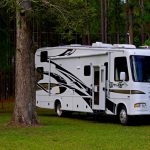

What are the common problems with low-end RV brands? The most frequent concerns include water leaks, plumbing and electrical defects, slide-out adjustments, appliance trouble, and loose or worn interior finishes. These issues aren’t inevitable, but they make a careful inspection more important than trusting a brand name—or assuming a new RV is automatically ready for the road.
One new-trailer owner’s shakedown trips turned up a fresh-water fill hose that sprayed back, bathroom plumbing leaks, dead electrical outlets, and a slide that needed adjustment. That’s one owner’s story, not a verdict on every RV from that manufacturer, but it’s a vivid reminder: test the systems before your first campsite, not after the first rainstorm.
We’ll explain what to inspect, how to spot warning signs, and when an affordable RV may still be a smart buy. The real question isn’t just which problems can happen; it’s which ones should make you pause before signing.
Key Takeaways
- Water intrusion is the biggest red flag. Check roof seals, windows, walls, and floors for leaks, stains, soft spots, or delamination.
- Test every system before delivery. Run the plumbing, outlets, appliances, furnace, air conditioner, slide-outs, doors, and steps.
- Low-end doesn’t automatically mean unreliable. Quality varies by model, year, unit, dealer preparation, and maintenance.
- Look beyond the purchase price. Repairs, service delays, towing needs, and maintenance all affect the real cost of ownership.
- Get concerns documented and consider an independent inspection. A written report can help uncover hidden damage before it becomes your problem.
- Choose the RV that passes inspection—not just the one with the best badge or deal.
Table of Contents
- ⚡️ Quick Tips and Facts
- 🏕️ Background: What “Low-End” Means in the RV Industry
- Entry-level RVs, budget models, and value brands
- Why RV prices and build quality vary
- 🔎 Common Problems With Low-End RV Brands
- 1. Water leaks, roof failures, and hidden moisture damage
- 2. Delamination, soft floors, and weak structural components
- 3. Plumbing leaks and unreliable water systems
- 4. Electrical faults, dead outlets, and battery problems
- 5. Slide-out alignment, seals, and mechanism failures
- 6. Appliances that underperform or fail early
- 7. Leaky showers, faucets, and outdoor water fixtures
- 8. Tank, dump-valve, and sewer-hose hassles
- 9. Weak insulation, poor ventilation, and uncomfortable temperatures
- 10. Cheap furniture, flooring, cabinets, and interior finishes
- 11. Entry steps, doors, windows, and hardware that need adjustment
- 12. Axles, tires, brakes, and suspension concerns
- 13. Incomplete quality control and recurring fit-and-finish defects
- 14. Warranty delays, dealer repairs, and parts availability
- 15. Poor documentation and confusing owner support
- 🧰 Why Budget RVs Can Leave the Factory With Problems
- Production speed, cost-cuting, and assembly-line pressure
- How supplier parts and dealer prep affect reliability
- 📋 How to Inspect a Low-Cost RV Before You Buy
- What to check inside, outside, underneath, and on the roof
- Questions to ask the dealer and manufacturer
- Why an independent RV inspection is worth considering
- 🛠️ How to Prevent Problems and Maintain an Entry-Level RV
- A practical maintenance schedule
- Early warning signs you shouldn’t ignore
- Repairs you can handle and jobs best left to professionals
- 💵 The Real Cost of Buying a Cheap RV
- Purchase price versus ownership and repair costs
- When a budget model is a smart buy
- When to consider a used, mid-range, or higher-quality RV instead
- ⚖️ Low-End RV Brands Compared: What to Evaluate
- Build quality, warranty coverage, and customer service
- Travel trailers, fifth wheels, motorhomes, and camper vans
- ❓ Frequently Asked Questions About Budget RV Reliability
- Are low-end RV brands always unreliable?
- Which RV problems are safety concerns?
- Should you buy an RV with a history of repairs?
- How long can an entry-level RV last?
- Conclusion
- Recommended Links
- Reference Links
⚡️ Quick Tips and Facts
Quick answer: Lower-cost RVs can have more noticeable fit-and-finish shortcomings, but “low-end” does not automatically mean unsafe, unreliable, or a bad buy. Quality varies by individual unit, model year, factory installation, dealer preparation, and maintenance. Even a premium badge cannot make an RV immune to leaks or component failures.
| What to know | Why it matters |
|---|---|
| Water intrusion is the priority inspection | A small roof, window, or plumbing leak can lead to concealed rot, delamination, and mold. The RV Technical Institute offers RV technician training; for a used unit, an independent inspection can help identify hidden damage. |
| A brand name isn’t a quality guarantee | Different models and production years can vary. Research the specific floor plan and model year, not just owner opinions about an entire brand. |
| Test every system before accepting delivery | Check water, outlets, appliances, slide-outs, furnace, air conditioner, and safety equipment while the dealer can still address defects. |
| Plan for repairs and downtime | Warranty coverage and service availability are separate issues. Read the manufacturer’s warranty and ask who will perform repairs before signing. |
| Confirm towing and payload numbers | Use the vehicle and RV manufacturer labels, not a salesperson’s estimate. The National Highway Traffic Safety Administration (NHTSA) explains vehicle weight ratings and towing safety. |
| Fewer features can mean fewer failure points | A simpler trailer may be easier to use and maintain, though it still needs careful inspection. |
| A careful buyer walkthrough is essential | We recommend testing systems, checking tire pressures, and documenting defects in writing before taking the RV home. |
Before you compare specific manufacturers, start with our guide to RV brands commonly flagged by buyers. Treat brand rankings as a research starting point, not a verdict on every unit.
The short version ✅
- Do: Inspect the exact RV, model year, and build; review warranty terms; get defects documented.
- Do: Check the roof, seals, floor, plumbing, electrical systems, tires, brakes, and slide operation.
- Don’t: Assume a low purchase price is the lowest ownership cost.
- Don’t: Treat one owner’s bad experience—or one glowing review—as proof of a brand’s overall reliability.
- Remember: Most RVs combine components from multiple suppliers. A failed appliance may be a component problem, an installation problem, or both.
🏕️ Background: What “Low-End” Means in the RV Industry

“Low-end” usually means entry-level construction, fewer premium finishes, simpler equipment, or a lower-priced model within a brand’s range. It is not a formal RV-industry quality grade. One manufacturer may offer basic and luxury models under the same corporate umbrella, and a modest trailer can be perfectly suitable for occasional trips if its condition and maintenance are sound.
The trouble starts when buyers use “budget” and “poorly made” as synonyms. They are not the same thing. A lighter, simpler RV may give up solid-wood cabinetry or high-capacity batteries to keep weight and cost down. That tradeoff can be sensible. A loose plumbing connection hidden behind a cabinet is not a clever tradeoff; it is a defect.
Entry-level RVs, budget models, and value brands
A low-cost RV might be a compact travel trailer, a basic fifth wheel, or an entry-level motorhome. Compare the vehicle type and use case before comparing badges: a small travel trailer used for occasional weekends faces different demands from a heavy fifth wheel used full-time.
| RV type | Common budget-oriented tradeoffs | Best suited to |
|---|---|---|
| Travel trailer | Lighter materials, compact tanks, fewer luxury options | Weekend trips and buyers with a properly rated tow vehicle |
| Fifth wheel | More living space, but more weight and towing demands | Pickup owners with adequate payload and hitch capacity |
| Class C motorhome | Compact coach layout and motorhome-specific chassis systems | Buyers wanting a drivable RV without a large Class A footprint |
| Class A motorhome | More systems and components to inspect; entry-level models may simplify finishes | Buyers comfortable managing a larger vehicle and its maintenance |
Explore our guides to Class C motorhomes, Class A motorhomes, fifth wheel RVs, and fifth wheel manufacturers to see how the RV type changes what you should inspect.
Why RV prices and build quality vary
Build quality depends on more than the final sticker or badge. Materials, assembly consistency, supplier parts, design choices, dealer preparation, and after-sale service all matter. Two RVs can use the same refrigerator or water heater yet differ greatly in how securely the appliance is installed and how accessible it is to repair.
RV owners also use their rigs differently. A trailer parked seasonally may experience less vibration and wear than one hauled across rough roads every week. Full-time use puts more hours on plumbing, furniture, appliances, and chassis components. A model that suits vacation use may be a poor match for year-round living.
Our rule: Judge the actual unit and its intended use, not the brochure, the price bracket, or the loudest brand-war thread.
🔎 Common Problems With Low-End RV Brands
The problems below are patterns worth checking for, not guaranteed defects. Owner reports can reveal recurring trouble spots, but they are not controlled reliability studies. Online forums naturally collect people who need help; satisfied owners may be out camping instead of posting.
A 2024 Forest River Alpha Wolf 17CB owner, writing after four shakedown trips over five months, described a long list of defects—from a misrouted fresh-water fill hose to plumbing leaks and slide adjustments. Their report is useful as a real-world inspection checklist, but one trailer cannot establish how every Forest River, Alpha Wolf, or competing RV is built.
The same caution applies to a video ranking “worst” travel-trailer brands. Its claims about Forest River, Jayco, Coleman, Coachmen, Keystone, Winebago, Heartland, and Shasta are reported complaints, not verified failure rates. You can review that perspective in the featured video; use it to generate questions, then verify claims against the specific model, service history, and inspection.
1. Water leaks, roof failures, and hidden moisture damage
Water intrusion is one of the costliest RV problems because it can start small and stay hidden. Roof edges, skylights, vents, windows, marker lights, plumbing fittings, and slide-out seals are all potential entry points. Moisture may damage flooring and wall materials before you see a drip.
Look for:
- Soft or spongy flooring, especially around the bathroom, kitchen, and exterior doors.
- Stains, bubbling wallpaper, swollen trim, or a musty smell.
- Cracked or separated sealant around roof penetrations and windows.
- Discoloration or soft spots on the roof. Follow the manufacturer’s roof-walking guidance; not every RV roof is designed for foot traffic.
- Evidence of recent patching that the seller cannot explain.
An owner’s account of a new Alpha Wolf described inadequate sealant around a skylight and several plumbing leaks. That experience reinforces a practical point: new does not mean leak-proof. Inspect both the roof and interior, and ask when the seals were last checked.
For general leak and moisture guidance, see the National RV Training Academy and the RV Technical Institute. A trained inspector can use moisture-detection tools, but readings should be interpreted alongside a physical inspection—not treated as a magical yes-or-no button.
2. Delamination, soft floors, and weak structural components
Delamination happens when bonded layers in a wall or floor separate. It may show as bubbles, riples, or a loose exterior skin. Causes can include water intrusion, failed adhesive, or structural movement. Soft floors may point to rot, damaged subfloor, or a localized plumbing leak.
Frame and body concerns deserve extra scrutiny on used RVs. One RVForum discussion includes an owner’s account of a Forest River trailer that developed frame cracks, roof leaks, deteriorated cabinetry, and rotted flooring after years of use. That is a single owner report, not a brand-wide statistic, but it demonstrates how several smaller issues can compound over time.
How to check without pretending to be a structural engineer:
- Walk every accessible floor area, noting changes in firmness.
- Inspect wall panels for bulges, riples, or separation.
- Look around corners, slide openings, and windows for cracks or shifting.
- Examine visible frame areas for corrosion, bends, cracks, or damaged welds.
- Have a qualified RV inspector assess anything that looks structural.
If the seller says, “They all flex a little,” ask for an independent evaluation. Some movement can be normal; unexplained cracking or separation is not something we’d wave away with a shrug.
3. Plumbing leaks and unreliable water systems
RV plumbing is compact, lightweight, and subject to vibration. Loose clamps, poorly routed lines, damaged fittings, and hard-to-reach connections can create a leak that is tiny on the road and a swamp under the shower.
Check the fresh-water fill, city-water connection, pump, faucets, toilet, shower, water heater, and accessible tank connections. Run the pump with all taps closed and listen for repeated cycling; that may indicate a leak or another system issue. Confirm the pump primes and that fixtures deliver consistent flow.
In the Alpha Wolf account, the fresh-water fill hose was routed in a way that caused water to spray back out, and three bathroom leaks appeared at hose connections. These are examples of installation and access problems, not proof that every unit of that model has the same defects.
For water-system safety, use the RV’s manual and water-treatment guidance from the Centers for Disease Control and Prevention. Sanitize potable-water systems according to the RV and component manufacturers’ instructions.
4. Electrical faults, dead outlets, and battery problems
A dead outlet may be caused by a tripped breaker, a GFCI protecting downstream outlets, a loose connection, or incorrect wiring. Battery complaints can involve the battery itself, charging equipment, wiring, or an inaccurate monitor. Don’t assume the most dramatic explanation—or attempt risky electrical repairs without the right training.
During a walkthrough:
- Test every AC outlet with an outlet tester.
- Reset and test all GFCI outlets, including bathroom and kitchen outlets.
- Check lights, converter, battery monitor, USB ports, and 12-volt accessories.
- Test shore power and generator functions if equipped.
- Ask the dealer to demonstrate the inverter and solar charging system, if installed.
In the Alpha Wolf report, the owner found that none of the wall outlets worked because a bathroom GFCI was wired incorrectly. That’s a good reason to test every outlet, not just the one beside the salesperson’s desk. For basic electrical safety and campground power guidance, consult the National Fire Protection Association.
5. Slide-out alignment, seals, and mechanism failures
Slide-outs add space, but they also add moving parts, seals, wiring, and potential water-entry paths. Problems can include uneven movement, binding, unusual noises, misaligned seals, or a room that stops before fully extending or retracting.
Test the slide several times, with the RV level and according to the owner’s manual. Watch both sides. Inspect the seals when the slide is extended and retracted. Keep people and objects clear of the mechanism.
The featured video summary mentions reported slide and bracket issues among Forest River complaints. The owner account also described a poorly adjusted cable-operated slide one Alpha Wolf. These reports justify a careful test, not a blanket conclusion that a brand’s slide-outs will fail.
If operation is uneven or the mechanism appears strained, ask the dealer to document and correct it before delivery. Don’t adjust a slide system based on a random video unless you understand the exact mechanism and manufacturer procedure.
6. Appliances that underperform or fail early
An RV may include a refrigerator, cooktop, furnace, air conditioner, microwave, water heater, and entertainment equipment—each with its own manufacturer, warranty, and service process. An appliance that fails may be defective, incorrectly installed, poorly ventilated, or simply unsuitable for how you camp.
Test each appliance under realistic conditions where possible:
- Check refrigerator operation and temperature after allowing it to run.
- Run the furnace and air conditioner long enough to confirm they produce heat and cooling.
- Test the stove and microwave.
- Confirm the water heater operates in the modes provided.
- Ask about recalls and service records for the specific appliance model.
The featured video describes owner complaints involving refrigerators, air conditioners, control panels, and water heaters across several brands. These are anecdotal reports and should be checked against the appliance’s model number and recall history. NHTSA provides recall lookup tools for vehicles and some RV-related equipment; use the NHTSA recalls search, and check appliance makers’ own notices for component-specific recalls.
7. Leaky showers, faucets, and outdoor water fixtures
Shower wands, outdoor showers, and faucets can leak at the hose, valve, fittings, or fixture body. Water may run into a compartment or wall cavity rather than onto the ground, so inspect cabinets and access panels while testing.
Open each hot and cold tap, run the shower, and check all accessible connections. Test the outdoor shower and make sure its hot and cold controls work. Look for drips after shutting off the fixtures.
The Alpha Wolf owner reported a leaking Camco shower wand and an outdoor shower leak. A leaking accessory can be relatively simple to replace; a hidden wall leak is a different animal. Find the source before deciding the size of the repair.
8. Tank, dump-valve, and sewer-hose hassles
Black- and gray-water systems are not glamorous, but they are the difference between a pleasant camping trip and an emergency run for disposable gloves. Common frustrations include sticky valves, loose handles, inaccurate tank sensors, awkward hose storage, and poor access to the dump connection.
Inspect the dump valves and handles, verify that the sewer connection is accessible, and check what equipment is included. A rear bumper may not accommodate every modern hose, and storage compartments should be usable without trapping a wet hose beside clean gear.
In the Alpha Wolf account, a gray-tank handle fell off while traveling, and the owner found the rear bumper storage too small for a flanged sewer hose. Those are small parts of the RV, but they can turn setup day into an improvised plumbing workshop.
For safe waste handling, follow campground rules and your RV manual. The National Park Service provides general campground etiquette guidance; always use designated dump stations and approved disposal methods.
9. Weak insulation, poor ventilation, and uncomfortable temperatures
Entry-level RVs may have less insulation or simpler climate-control equipment than higher-spec models. That can mean more temperature swings, condensation, furnace cycling, or greater reliance on shore power. The effect depends heavily on climate, RV design, window area, ventilation, and how you use the rig.
Before buying, ask for insulation and weather-package specifications, but don’t assume a label tells the whole story. Inspect window seals, door seals, roof vents, and the furnace and air-conditioner capacities. If you camp in hot or cold weather, test the RV under conditions close to your intended use—or ask owners with the same floor plan how it performs.
Condensation can look like a leak and can also create moisture problems. Ventilate cooking and shower areas, use exhaust fans, and follow manufacturer guidance for safe furnace operation. The U.S. Department of Energy explains insulation principles; RV construction is different from a house, but the basic heat-transfer concepts still apply.
10. Cheap furniture, flooring, cabinets, and interior finishes
Budget interiors often use lighter materials to save weight and keep costs controlled. Possible tradeoffs include cabinet hardware that loosens, thin floor coverings, cushions that flatten, or upholstery that wears sooner than expected. “Looks nice under showroom lights” is not the same as “holds up to years of use.”
Open doors and drawers. Check hinges, latches, drawer slides, dinette supports, sofa frames, and bed platforms. Sit on the furniture. Look for peeling, cracking, soft edges, loose staples, and bubbling flooring.
An RVForum participant described cabinetry in an older trailer as pressed-paper material that deteriorated. That is one owner’s experience, not a universal description of entry-level RVs. Materials and construction methods vary by model and year, so inspect the actual cabinets rather than relying on a brand stereotype.
For a related owner discussion about upholstery wear, see RV Pleather Couch Failure: Why So Many Recliners Fall Apart Early. The page may require forum access or verification, so treat it as a discussion link rather than independent reliability data.
11. Entry steps, doors, windows, and hardware that need adjustment
Small hardware problems are common candidates for a pre-delivery fix: a door that doesn’t latch, a window that sticks, steps that woble, or a cabinet catch that pops open during travel. Individually, they may be minor. Together, they reveal whether the unit was thoroughly checked.
Set up the RV on a level surface and test:
- Entry and compartment doors, locks, and latches.
- Windows, screens, and emergency exits.
- Steps and handrails.
- Cabinet doors and drawers.
- Awning operation and exterior lights.
The Alpha Wolf owner reported fold-down steps that rattled in transit and needed blocks to reach uneven ground. The featured video also summarizes complaints about doors not latching. A test in the showroom is only the beginning: check operation after the RV is properly leveled and secured.
12. Axles, tires, brakes, and suspension concerns
Tires, wheel fasteners, brakes, axle ratings, and suspension deserve special attention because they affect road safety. Incorrect tire pressure or a mismatched towing setup can cause serious problems, even if the RV looks immaculate inside.
Before travel, verify tire pressure using the tire maker’s guidance and the RV’s loading requirements. Check tire age and condition, confirm that the tow vehicle is rated for the loaded RV, and have wheel fasteners checked to the manufacturer’s specified torque. The NHTSA tire safety page offers tire-care guidance; for RV-specific loading and pressure, follow the RV and tire manufacturers’ instructions.
The Alpha Wolf account noted underinflated tires and loose wheel lugs at delivery. That’s why we recommend a pre-tow check even on a brand-new unit. A shiny exterior is not a substitute for a torque wrench and a proper weight calculation.
13. Incomplete quality control and recurring fit-and-finish defects
“Quality control” is not one final inspection sticker. It includes whether systems were installed correctly, fasteners tightened, seals applied, and functions verified. A unit may pass through production and still arrive with issues that the dealer’s inspection should catch.
The owners at Roads Less Traveled described their new trailer as having numerous defects but said it was “not significantly worse…or better…than the competition.” That perspective matters: a frustrating experience can be both real and not unique to one brand. Their report is a personal account, not a controlled comparison of manufacturers.
The featured video lists complaints by brand, but complaint volume alone can mislead. A high-volume manufacturer may generate more online posts simply because it sells more units. The better questions are:
- Is the same defect recurring in the same model and year?
- Is there a documented technical service bulletin or recall?
- Are owners reporting successful repairs?
- Does an independent inspection find the issue on this specific RV?
14. Warranty delays, dealer repairs, and parts availability
A warranty can cover a defect without making the repair fast or convenient. RV owners may need to schedule service through a dealer, wait for parts, or leave the unit for an extended period. The warranty’s written terms, the repair provider, and the component maker’s separate coverage all matter.
Before buying, ask for the complete warranty documents and clarify:
- Who authorizes the repair?
- Which dealer or service center performs warranty work?
- Is travel or mobile service covered?
- What happens if the selling dealer is far from home?
- Are there limits related to full-time use or commercial use?
- How are component warranties handled?
The Federal Trade Commission explains general warranty and service-contract concepts. RV warranties have their own terms, so read the actual contract and seek legal advice if a disputed claim is substantial.
15. Poor documentation and confusing owner support
A new owner should receive manuals, appliance information, warranty contacts, maintenance instructions, and a clear explanation of installed options. Missing documents can make routine maintenance harder and slow down a repair.
Create a digital folder with:
- RV and chassis manuals.
- Appliance model and serial numbers.
- Warranty documents and dealer contacts.
- Inspection photos and repair invoices.
- Tire, axle, and weight information.
- A list of installed accessories and modifications.
If support is confusing, contact the component manufacturer as well as the RV manufacturer—but keep records of dates, names, and promised next steps. A polite paper trail is more useful than angry memory six months later.
🧰 Why Budget RVs Can Leave the Factory With Problems
An RV is a home, vehicle, and collection of third-party systems that must endure vibration, weather, and repeated setup. It is assembled from many parts, often in a production environment designed to balance cost, speed, and volume. That combination creates opportunities for defects at several points: design, supplier manufacturing, assembly, transport, dealer prep, or owner use.
That does not mean every factory is careless. It does mean the RV you inspect is more important than a slogan about the company’s reputation.
Production speed, cost-cuting, and assembly-line pressure
Roads Less Traveled argues that rapid production can put pressure on workmanship and quotes an industry quip: “If it’s 80% functional, then it’s ready to ship to the dealer.” It is a pointed line, not an audited industry standard, but it captures why a buyer should test systems instead of assuming a factory sign-off guarantees perfection.
Cost control can also influence material choices, component access, and the number of features included. Fewer features may mean fewer things to break, while poor access to plumbing or wiring can make even a modest repair expensive. The key is to distinguish economical design from incomplete or defective assembly.
How supplier parts and dealer prep affect reliability
Many RV systems are made by specialist suppliers, including appliances, water heaters, slide mechanisms, and electrical components. A failure may originate with a part, installation, setup, or maintenance. The RV manufacturer may not make every component, but it still matters whether the part is correctly installed and supported.
Dealer prep is another crucial step. A thorough dealer should inspect and test the RV before delivery, but practices vary. Ask for a written pre-delivery inspection record, not only a verbal “we checked it.”
A useful mental model:
| Where a problem begins | Example | What to ask |
|---|---|---|
| Design | Difficult-to-access plumbing | Can routine service be done without removing major components? |
| Supplier component | Faulty appliance part | What is the component warranty and service network? |
| Factory assembly | Misrouted hose or loose connection | Was the defect corrected and documented? |
| Transport or dealer prep | Damage or low tire pressure | What did the dealer inspect before delivery? |
| Use and maintenance | Failed seal or overloaded system | What schedule does the manufacturer require? |
📋 How to Inspect a Low-Cost RV Before You Buy
A walkthrough should be a hands-on acceptance test, not a tour where someone points out the cupholders. Bring a checklist, take photos, and leave enough time to test systems. If you are buying used, consider an independent inspection before money changes hands.
What to check inside, outside, underneath, and on the roof
| Area | What to inspect | What deserves follow-up |
|---|---|---|
| Roof and exterior | Sealant, vents, windows, lights, siding, seams | Cracks, gaps, soft spots, bubbling, unexplained patches |
| Interior | Floors, walls, cabinets, doors, furniture | Softness, stains, swelling, delamination, loose hardware |
| Water system | Fill, pump, faucets, toilet, shower, water heater | Leaks, pump cycling, inconsistent flow, poor drainage |
| Electrical | Outlets, GFCIs, lights, breakers, battery monitor | Dead outlets, hot or loose connections, error messages |
| Apliances | Refrigerator, furnace, AC, cooktop, microwave | Failure to start, unusual noise, poor output |
| Slide-outs and awnings | Full operation, seals, alignment | Binding, saging, uneven gaps, damaged seals |
| Chassis and running gear | Tires, wheels, brakes, suspension, frame | Cracks, corrosion, tire damage, loose hardware |
| Safety equipment | Smoke and CO alarms, exit windows, fire extinguisher | Missing, expired, inaccessible, or nonfunctional equipment |
Questions to ask the dealer and manufacturer
- Can you provide the written pre-delivery inspection?
- Which defects were found and repaired?
- Who handles warranty work near my home?
- What is excluded from coverage?
- Are full-time use or extended stays excluded?
- What are the loaded weight, cargo carrying capacity, axle ratings, and hitch requirements?
- Which roof and sealant maintenance schedule applies?
- Are all listed options actually installed?
- Which manuals, keys, remotes, hoses, and accessories come with the unit?
- Can I operate every appliance and slide before signing?
The Roads Less Traveled owner specifically recommends a buyer walkthrough and checking the fresh-water fill, tank handles, outlets, microwave, refrigerator, faucets, hot water, air conditioner, furnace, stove, seals, tire pressure, and wheel fasteners. That is an excellent baseline. We’d add the bathroom exhaust fan, exterior lights, emergency exits, and every compartment latch.
Why an independent RV inspection is worth considering
An independent inspector can evaluate moisture, structure, electrical systems, appliances, and visible chassis condition without the sales pressure of a dealership. For a used RV—or a new unit with suspicious defects—that outside opinion may identify problems you would not spot during a quick walkthrough.
Ask what the inspection includes, whether the inspector is certified or otherwise qualified, and whether you’ll receive a written report with photos. An inspection is not a guarantee that nothing will ever fail; it is a way to reduce the chance of buying an expensive surprise.
The RV Technical Institute provides technician education, while the National RV Inspectors Association offers information about RV inspections. Verify an inspector’s qualifications and scope before hiring.
🛠️ How to Prevent Problems and Maintain an Entry-Level RV
Maintenance cannot correct poor construction, but it can catch small failures before they become expensive ones. Your exact schedule should come from the RV and component manufacturers. Start with the owner’s manual, then record what you do.
A practical maintenance schedule
| When | Practical checks |
|---|---|
| Before each trip | Tire condition and pressure, lights, hitch, brakes, latches, water leaks, battery state |
| At setup | Leveling, stabilizers, slide seals, electrical connection, water pressure regulator, propane system |
| After each trip | Drain and store hoses, check for leaks, clean refrigerator and tanks as directed |
| Monthly during active use | Inspect visible roof seals, test alarms, check battery and compartment hardware |
| Seasonally | Follow manufacturer instructions for roof, sealants, plumbing winterization, tires, and appliances |
| Annually | Arrange professional service for systems you cannot safely inspect, including brakes and propane components where appropriate |
Do not use a generic maintenance interval as permission to ignore your manual. Roof materials, sealants, batteries, tires, and appliances may have different requirements.
Early warning signs you shouldn’t ignore
- A water pump that cycles when every fixture is shut off.
- New musty odors, stains, or soft flooring.
- Slide-out movement that changes, binds, or makes unusual noises.
- Flickering lights, tripped breakers, warm outlets, or burning smells.
- Cracks around windows, doors, or wall corners.
- A tire that repeatedly loses pressure or shows bulging or damage.
- A tank valve that leaks, sticks, or becomes difficult to operate.
- Furniture or cabinets shifting during travel.
When in doubt, stop using the affected system and get qualified help. A persistent electrical odor or suspected propane leak is a safety issue, not a “we’ll look at it after the weekend” issue. Follow the RV maker’s emergency guidance and applicable safety instructions.
Repairs you can handle and jobs best left to professionals
Many owners can manage routine tasks such as cleaning, checking tire pressure, tightening accessible cabinet hardware, or replacing a compatible showerhead. More complex work—structural repairs, slide mechanisms, propane systems, high-voltage wiring, brakes, and roof damage—may require training and specialized tools.
Before modifying a system, consider:
- Could the repair affect warranty coverage?
- Is the part compatible with the system?
- Could a mistake create fire, carbon monoxide, water damage, or road-safety risk?
- Can you follow the manufacturer’s service instructions exactly?
A confident DIYer with the right tools can save time. An untrained repair on a brake or propane system can make a bad day far worse.
💵 The Real Cost of Buying a Cheap RV
Purchase price is only one part of ownership. Budget for insurance, storage, registration, fuel, campground fees, maintenance, tires, repairs, and possible service downtime. We’re not listing specific prices because costs vary by location, RV size, use, and condition.
A low-cost RV can be a good value if it matches your needs and passes inspection. A bargain that requires immediate repairs, sits at a service center, or cannot safely be towed may not be much of a bargain after all.
Purchase price versus ownership and repair costs
| Cost factor | Why it changes the ownership picture |
|---|---|
| Routine maintenance | Seals, tires, batteries, appliances, and chassis parts need periodic attention |
| Unexpected repairs | Leaks and electrical faults can become expensive when they affect hidden areas |
| Service downtime | A repair may interrupt trips or full-time living |
| Tow vehicle needs | Upgrading the tow vehicle can erase the apparent savings on the trailer |
| Use intensity | Full-time living generally places more hours on systems than occasional camping |
| Resale condition | Maintenance records and moisture-free construction help protect buyer confidence |
An RVForum participant reported spending heavily on repairs during a year of full-time use, while another owner felt a very inexpensive trailer had been worthwhile despite later deterioration. Those experiences are not cost averages; they show how use, expectations, purchase terms, and repair tolerance shape whether a buyer feels satisfied.
When a budget model is a smart buy
An entry-level RV may make sense when:
- You plan to camp occasionally rather than live in it full-time.
- The floor plan fits your needs without unnecessary systems.
- The RV is within your tow vehicle’s ratings.
- You can inspect and maintain it.
- You are comfortable handling small repairs or arranging service.
- The specific unit has no major structural, water, or safety concerns.
Simpler equipment can be a real advantage. Fewer slides, fewer powered accessories, and a straightforward floor plan mean fewer systems to maintain. Basic can be brilliant—provided it is built and installed correctly.
When to consider a used, mid-range, or higher-quality RV instead
Look beyond entry-level models if you need heavy year-round use, harsh-weather comfort, higher cargo capacity, extensive off-grid capability, or a particular service network. A well-maintained used RV may offer better materials and equipment than a new budget model, but “used” also means you need to investigate maintenance history and hidden damage.
A higher price still does not guarantee better workmanship. Roads Less Traveled notes that owners of more expensive Airstream and Tiffin RVs they knew had also faced repair issues. That is a helpful counterweight to the idea that only budget buyers encounter defects: higher-end construction may improve materials or features, but no badge eliminates inspection and maintenance.
⚖️ Low-End RV Brands Compared: What to Evaluate
Brand comparisons can help you shortlist models, but they are not a substitute for examining the actual RV. The same company may sell different construction levels, floor plans, and equipment packages, and production details can change by model year.
Build quality, warranty coverage, and customer service
Use a consistent scorecard rather than asking, “Is Brand X good?” Ask:
| Factor | What to investigate |
|---|---|
| Construction | Roof, wall, floor, frame, insulation, and visible workmanship |
| Recurring owner reports | Same defect across the same model years, with clear details |
| Warranty | Coverage, exclusions, duration, claim process, full-time-use terms |
| Service access | Local authorized shops, mobile service, parts availability |
| Dealer preparation | Written inspection, repair records, walk-through quality |
| Model suitability | Weight, tank capacity, cargo capacity, climate package, floor plan |
The video summary names complaints tied to Forest River, Jayco, Coleman, Coachmen, Keystone, Winebago, Heartland, and Shasta. Those claims are useful prompts for research, but they should not be repeated as proven failure rankings without reliable comparative data. Search owners’ groups for the exact model and year, then verify any safety concerns through manufacturer notices and government recall databases.
Travel trailers, fifth wheels, motorhomes, and camper vans
The right comparison depends on the RV type. A trailer buyer should focus on towing weights, frame, axles, tires, and hitch compatibility. A motorhome buyer also has a chassis, engine, transmission, and vehicle maintenance history to assess. Fifth wheels bring their own hitch, pickup payload, and height considerations.
| Type | Additional questions |
|---|---|
| Travel trailer | Is the tow vehicle rated for loaded weight and tongue weight? Are brakes and hitch properly set up? |
| Fifth wheel | Does the truck have adequate payload, rear axle capacity, and hitch rating? |
| Class C motorhome | What is the chassis history, maintenance record, and actual cargo capacity? |
| Class A motorhome | What are the engine, drivetrain, tire, suspension, and generator service records? |
| Camper van | How were electrical, water, and interior conversions installed and documented? |
Use the manufacturer’s labels and official ratings. Never choose an RV based only on dry weight; actual cargo, water, propane, people, and accessories change the load.
❓ Frequently Asked Questions About Budget RV Reliability
What problems are most common in budget RVs?
Owner reports and inspection experience most often point buyers toward water leaks, loose or poorly routed plumbing, electrical faults, slide adjustments, appliance issues, and fit-and-finish defects. Tires, brakes, and frame condition also matter because they affect safety.
These are inspection priorities, not a statistical ranking of all budget RVs. A careful buyer should check the specific unit’s roof, floors, plumbing, outlets, appliances, slide-outs, and running gear before purchase.
How can you tell if a low-cost RV is poorly built?
Look for a pattern rather than one cosmetic flaw. Soft floors, moisture staining, wall delamination, widespread loose hardware, misaligned doors, repeated electrical faults, or poorly supported plumbing deserve attention. Ask for repairs and service history, then have an independent inspector evaluate major concerns.
A basic trim piece that needs adjustment may be minor. A leaking roof combined with soft flooring and unexplained wall movement is a much bigger warning.
Which entry-level RV brands have the fewest reliability issues?
There is no reliable universal ranking that proves one entry-level brand has the fewest problems across all models and years. Manufacturers change designs and suppliers; owner reports are uneven; and individual units can differ.
Compare specific model years and floor plans, verify recalls and warranty terms, search for repeated issue patterns, and inspect the exact RV. We would trust a documented inspection and service history over an unsourced “best brand” list.
Are affordable RVs more prone to water leaks?
Some budget models may use less expensive materials or simpler sealing details, but price alone cannot tell you whether a particular RV leaks. A new, expensive RV can leak too, while an older, modest trailer can remain dry with good design and maintenance.
Check roof penetrations, windows, seams, slide seals, plumbing connections, flooring, and wall panels. If moisture damage is suspected, get a professional assessment before buying.
How much should you budget for repairs on a low-end RV?
There is no dependable single repair budget for every RV. Costs depend on age, usage, local labor, parts availability, storage conditions, and whether a problem affects hidden structure. Set aside an emergency reserve that reflects your RV’s age and complexity, and get condition-specific estimates for any known defects.
Ask a service shop to inspect the RV before purchase, and remember that repair downtime can be as disruptive as the bill itself.
What should you inspect before buying a budget RV?
Inspect the roof and seals, walls and floors, plumbing, outlets and GFCIs, appliances, slide-outs, doors, windows, tires, brakes, frame, and safety equipment. Run systems rather than accepting a verbal assurance that they work. Review warranty documents, service history, recall information, and the RV’s weight labels.
For a used RV or any unit with signs of moisture or structural damage, arrange an independent inspection.
Are low-end RVs worth buying for first-time owners?
They can be. A simple, well-inspected RV that fits your towing ability and camping style can be a sensible first purchase. But first-time owners should avoid stretching their budget so far that there is no room for maintenance, storage, insurance, or repairs.
Renting a similar RV first can help you learn what floor plan and systems you actually use. Then buy based on a thorough inspection—not showroom excitement. That’s how you avoid discovering on your first rainy night that the ceiling has a surprise subplot.
Conclusion

Low-end RV brands can deliver plenty of memorable trips, but budget construction makes careful inspection, realistic expectations, and ongoing maintenance especially important. The most consequential problems to screen for are moisture damage, structural concerns, plumbing and electrical faults, slide-out issues, and unsafe running gear.
Our recommendation is simple: choose the specific RV that passes the best inspection, not the brand with the prettiest reputation or the lowest advertised price. Test every system, verify towing and payload ratings, read the warranty, and get repairs documented before delivery. If a seller resists a reasonable inspection or cannot explain major defects, walk away. There will be another campsite—and another RV.
Recommended Links
- RV Technical Institute — technician education and RV service information.
- National RV Inspectors Association — learn about professional RV inspections.
- NHTSA Tire Safety — tire maintenance and safety guidance.
- NHTSA Recalls Search — check for applicable vehicle recalls.
- CDC: Drinking Water While Traveling — guidance for safe drinking water on the road.
- Forest River Owners’ Forum Discussion: Pleather Couch Failure — owner discussion; forum access or verification may be required.
Reference Links
- RV Technical Institute — RV technician training and industry education.
- National RV Inspectors Association — RV inspection resources.
- National Highway Traffic Safety Administration: Vehicle Weight — vehicle weight ratings and safety information.
- National Highway Traffic Safety Administration: Tire Safety — tire care and safety guidance.
- National Highway Traffic Safety Administration: Recalls — recall lookup.
- Centers for Disease Control and Prevention: Drinking Water While Traveling — safe water guidance.
- U.S. Department of Energy: Insulation — general insulation principles.
- Federal Trade Commission: Warranties and Service Contracts — general warranty information.
- Forest River — manufacturer information and RV product lines.
- Jayco — manufacturer information and RV product lines.
- Keystone RV — manufacturer information and RV product lines.
- Winebago — manufacturer information and RV product lines.
- Forest River Owners’ Forum: RV Pleather Couch Failure — related owner discussion.
- RVForum: Long-Term RV Experiences — owner discussion on long-term RV use and condition.
- Roads Less Traveled: Forest River Alpha Wolf Ownership Experience — firsthand account of defects and ownership.
- Featured video — brand-complaint perspective summarized above; reported owner complaints are not verified failure-rate statistics.