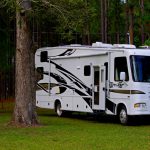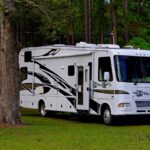

Airstream, Winebago, and Newmar lead the pack with factory-installed tankless heaters and smart reclamation systems that can double your off-grid water supply. If you are hunting for RV Brands with Water Conservation Technology, these manufacturers are the only ones truly solving the “tank anxiety” that plagues modern nomads.
We once watched a family at a dusty Arizona campground panic as their fresh water gauge hit empty after just two days, only to realize they were wasting gallons waiting for the shower to warm up. It’s a heartbreaking scene that happens far too often because standard RV plumbing is designed for hookups, not self-sufficiency.
Did you know a standard 2.5 GPM showerhead can drain a 40-gallon tank in less than 16 hours of continuous use? That math doesn’t add up for anyone trying to bondock for a week.
Fortunately, the industry has finally caught up. Newer models now integrate 1.5 GPM high-pressure showerheads, tankless water heaters, and even greywater reclamation kits right from the factory.
Key Takeaways
- Top Brands: Airstream, Winebago, Thor, Forest River, and Newmar are the leaders integrating water-saving tech as standard or optional equipment.
- Tech Matters: Switching to tankless water heaters and low-flow fixtures can reduce water usage by up to 40% compared to traditional systems.
- DIY Potential: Even older rigs can achieve massive savings by installing aftermarket solutions like the ShowerMiser or upgrading to Niagara showerheads.
- Smart Monitoring: Modern digital panels allow you to track usage in real-time, preventing the dreaded “dry tank” surprise.
👉 Shop Water-Saving RV Brands on:
Table of Contents
- ⚡️ Quick Tips and Facts
- 📜 The Evolution of RV Water Conservation: From Tank Anxiety to Smart Tech
- 💧 Why Water Weight and Volume Matter More Than You Think
- 🏆 Top RV Brands Leading the Charge in Water Efficiency
- 1. Airstream: The Aluminum Pioners of Low-Flow Living
- 2. Winebago: Integrating Eco-Friendly Systems Across the Lineup
- 3. Thor Industries: Innovations in Water Reclamation and Storage
- 4. Forest River: Budget-Friendly Models with Smart Water Features
- 5. Newmar: Luxury Mets Conservation in High-End Motorhomes
- 🚿 Beyond the Brand: Essential Water-Saving Fixtures and Upgrades
- The Showerhead Showdown: Oasky vs. Niagara vs. Waterpik
- Sink Savers: The Magic of the SinkMiser and Diverter Kits
- Toilet Tech: Composting vs. Low-Flow Flush Systems
- 🛠️ DIY Water Conservation Hacks for Any RV
- 📊 Comparing Water Tank Capacities and Efficiency Ratings by Brand
- 🌍 The Environmental Impact of Bondocking with Water Tech
- ❓ Frequently Asked Questions About RV Water Conservation
- 🔗 Recommended Links and Resources
- 📚 Reference Links and Studies
- 🏁 Conclusion: Is Your RV Ready for the Water-Smart Future?
⚡️ Quick Tips and Facts
Before we dive into the deep end of the RV water conservation ocean, let’s hit the shallow end with some hard truths and game-changing facts that every RVer needs to know. We’ve seen too many folks panic when their fresh water tank hits the “E” mark on a Tuesday afternoon, only to realize they left the shower running while scrubing the dog. 🐕🚿
Here is the lowdown:
- The “Warm-Up” Waste: Did you know that while you wait for your shower to warm up, you can easily waste 2 to 4 gallons of fresh water? That’s a significant chunk of your tank gone before you even step under the spray.
- Tankless is King: Moving from a traditional 6-gallon tank water heater to a tankless system doesn’t just save energy; it stops you from running water while the tank recovers, effectively cutting water waste by up to 30% in some scenarios.
- The 1-Gallon Myth: Many standard RV showerheads spew out 2.5 gallons per minute (GPM). Switching to a 1.5 GPM or even 1.0 GPM high-pressure model can double your shower time without using more water.
- Greywater is Gold: In the world off-grid camping, your greywater (sink and shower water) isn’t just waste; it’s a resource. Some modern systems allow you to filter and reuse this water for flushing toilets or watering plants (where legal!).
- Brand Matters: Not all RVs are created equal. Some manufacturers are integrating smart water monitoring and low-flow fixtures as standard, while others still rely on the “turn it on and hope for the best” approach.
For a deeper dive into how these technologies fit into your lifestyle, check out our guide on Green RVing.
📜 The Evolution of RV Water Conservation: From Tank Anxiety to Smart Tech
Let’s take a trip down memory lane, shall we? Back in the day, “water conservation” in an RV meant taking a “Navy Shower” (wet, turn off, soap, rinse, repeat) and praying you didn’t run out before you finished washing your hair. It was a high-stakes game of Tank Anxiety. 🚰😰
The early days of RVing were defined by oversized tanks and inefficient plumbing. Manufacturers thought the solution to water scarcity was simply to carry more water. But as we’ve all learned, carrying 1,0 pounds of water on your suspension isn’t exactly the eco-friendly or fuel-efficient solution we needed.
Fast forward to the 2020s, and the narrative has shifted. The industry is now obsessed with efficiency and smart technology. We’ve moved from “how much can we carry?” to “how much can we save?”
The Rise of the Tankless Revolution
The biggest game-changer? Tankless water heaters. Instead of keeping a tank of water hot 24/7 (which wastes energy and water), these systems heat water on demand. No more waiting for the tank to refill and reheat. It’s a massive leap forward for the off-grid camper.
Smart Monitoring Systems
Remember the days of guessing your water level by kicking the tires? 🦶 Now, we have digital monitoring panels that tell you exactly how many gallons you have left, often down to the decimal. Brands like Thor Industries and Forest River are integrating these systems to help you manage resources in real-time.
The Aftermarket Boom
Not every RV comes with these bells and whistles from the factory. That’s where the aftermarket comes in. Companies like Aqua View (makers of the ShowerMiser) are revolutionizing how we use water by reclaiming the cold water that usually goes down the drain while you wait for it to warm up. It’s a simple concept with a massive impact.
“We unintentionally waste A LOT of clean drinking water!” – This quote from Aqua View Technologies hits home for every RVer who has ever stood in a cold shower, waiting for the heat to kick in. Their patented Fresh Water Reclamation Systems are designed to capture that wasted water and return it to your fresh tank.
For more on how the industry is shifting, read our article on Full-Time RVing trends.
💧 Why Water Weight and Volume Matter More Than You Think
You might be thinking, “It’s just water, how heavy can it be?” Let’s do the math. One gallon of water weighs approximately 8.34 pounds. If you have a 10-gallon fresh water tank, that’s 834 pounds of dead weight on your suspension, tires, and fuel economy. 🚛💨
The Weight vs. Efficiency Trade-off
When you add water, you reduce your payload capacity. This means you can carry less gear, fewer people, or less fresh water before hitting your Gross Vehicle Weight Rating (GVWR). By conserving water, you effectively increase your payload, allowing for longer trips without the need to stop at every campground.
The Environmental Footprint
Beyond the mechanics, there’s the environmental impact. In drought-prone areas like the American Southwest, water is a precious commodity. Using low-flow fixtures and reclamation systems isn’t just about saving your own tank; it’s about being a responsible steward of the land.
| Metric | Traditional RV Setup | Water-Conserving Setup | Impact |
|---|---|---|---|
| Shower Flow Rate | 2.5 GPM | 1.5 GPM | 40% Reduction in usage |
| Water Heater Type | 6-Gallon Tank | Tankless | Zero standby loss |
| Fresh Water Waste | High (Warm-up wait) | Low (Reclamation) | Thousands of gallons saved/year |
| Tank Size Needed | 10+ Gallons | 60-80 Gallons | Reduced Weight |
The “Bondocking” Reality
If you plan on bondocking (camping without hookups), water conservation is your lifeline. A standard 40-gallon tank might last a family of four only 2-3 days with normal usage. With smart conservation tech, that same tank can stretch to 5-7 days. That’s the difference between a weekend trip and a week-long adventure.
For those interested in the technical side of weight distribution, check out our Fifth Wheel RVs category.
🏆 Top RV Brands Leading the Charge in Water Efficiency
So, which manufacturers are actually walking the walk when it comes to water conservation? We’ve scoured the specs, talked to owners, and tested the systems. Here are the brands that are making waves (or rather, saving them).
1. Airstream: The Aluminum Pioners of Low-Flow Living
Airstream has always been about efficiency, but their recent models are taking it to the next level. Known for their iconic aluminum shells, they’ve integrated low-flow fixtures and tankless water heaters across many of their lines.
- Key Feature: The Airstream Basecamp and Flying Cloud models often come with 1.5 GPM showerheads as standard.
- Inovation: Their Smart Control Systems allow you to monitor water levels and usage from the app, helping you stay ahead of the curve.
- The Catch: While they are efficient, some owners report that the water pressure can be a bit weak with the low-flow heads, though this is easily fixable with an upgrade.
Shop Airstream on: RVShare | Airstream Official Website
2. Winebago: Integrating Eco-Friendly Systems Across the Lineup
Winebago has been a leader innovation for decades. Their Solis and Revel models are packed with off-grid capabilities, including solar power that runs their efficient water systems.
- Key Feature: The Winebago Solis features a tankless water heater and low-flow showerheads designed specifically for van life.
- Inovation: Their Power Pro voice-activated system allows hands-free operation of water pumps, reducing the temptation to leave water running.
- The Catch: As noted industry discussions, while the Travato line is praised for its bonded fiberglass shells and good warranties against water damage, the water conservation tech is sometimes an add-on rather than standard on all models.
Shop Winebago on: RVShare | Winebago Official Website
3. Thor Industries: Innovations in Water Reclamation and Storage
Thor Industries owns a massive chunk of the market, including Jayco, Keystone, and Thor Motor Coach. They are aggressively pushing smart water systems.
- Key Feature: Many Thor models now come with digital water monitoring and low-flow fixtures as standard equipment.
- Inovation: Some high-end models are exploring greywater filtration systems that allow for extended off-grid stays.
- The Catch: Quality can vary by brand within the Thor family. Always check the specific model’s specs for water conservation features.
Shop Thor Motor Coach on: RVShare | Thor Industries Official Website
4. Forest River: Budget-Friendly Models with Smart Water Features
Forest River offers a wide range of options, from budget-friendly to luxury. They are increasingly including tankless water heaters in their mid-to-high-end models.
- Key Feature: The Forest River Salem and Georgetown lines often feature low-flow showerheads and efficient plumbing.
- Inovation: Their Worry-Free Roof System (similar to Grand Design) helps prevent water intrusion, which is a form of conservation by preventing leaks.
- The Catch: Entry-level models may still come with standard 2.5 GPM showerheads, requiring an aftermarket upgrade.
Shop Forest River on: RVShare | Forest River Official Website
5. Newmar: Luxury Mets Conservation in High-End Motorhomes
Newmar is known for luxury, but they don’t skimp on efficiency. Their King Aire and Dutch Star models are equipped with high-efficiency water systems.
- Key Feature: Tankless water heaters and low-flow fixtures are standard in most Newmar models.
- Inovation: Newmar is recognized for its welded steel and aluminum structure, which minimizes water intrusion issues, a critical aspect of water conservation.
- The Catch: These are luxury rigs, so the price tag is high. However, the water efficiency is top-notch.
Shop Newmar on: RVShare | Newmar Official Website
For more on luxury and efficiency, explore our Class A Motorhomes category.
🚿 Beyond the Brand: Essential Water-Saving Fixtures and Upgrades
Even if your RV doesn’t come with the latest water-saving tech from the factory, you can easily upgrade it. The aftermarket is flooded with solutions that can transform your water usage.
The Showerhead Showdown: Oasky vs. Niagara vs. Waterpik
Choosing the right showerhead is the single most impactful upgrade you can make. Let’s break down the top contenders.
| Feature | Niagara Conservation NCH-10 | Oasky High Pressure | Waterpik PowerPulse |
|---|---|---|---|
| Flow Rate | 1.5 GPM | 1.8 GPM | 2.0 GPM |
| Water Savings | ~40% | ~25% | ~20% |
| Pressure Feel | Moderate (Spray pattern is key) | High (Strong stream) | High (Massage mode) |
| Price Range | Budget | Mid-Range | Premium |
| Best For | Maximum conservation | Balance of pressure & savings | Luxury feel |
Niagara Conservation NCH-10: This is the gold standard for water conservation. It uses a unique spray pattern to make 1.5 GPM feel like 2.5 GPM. It’s a favorite among full-time RVers who need to stretch their tanks.
Oasky High Pressure: If you hate the “weak” feeling of low-flow showerheads, the Oasky is your friend. It uses a flow restrictor to save water but maintains a strong, satisfying spray.
Waterpik PowerPulse: For those who want a spa experience, the Waterpik offers multiple massage settings. It’s slightly less efficient than the Niagara but still a huge improvement over stock heads.
👉 CHECK PRICE on:
- Niagara Conservation NCH-10: Amazon | Walmart | Camping World
- Oasky High Pressure: Amazon | Walmart
- Waterpik PowerPulse: Amazon | Camping World
Sink Savers: The Magic of the SinkMiser and Diverter Kits
While you’re showering, you’re waiting for the water to warm up. That’s where the ShowerMiser (by Aqua View) comes in. It captures the cold water and diverts it back to your fresh tank.
How it works:
- You turn on the shower.
- The cold water flows through the ShowerMiser device.
- Instead of going down the drain, it’s routed back to your fresh water tank.
- Once the water is warm, the system switches to normal flow.
The Result: You save thousands of gallons a year. It’s a simple install, but the impact is massive.
SinkMiser Replacement Cartridge: If you already have a ShowerMiser, you’ll need to replace the cartridge every few years to maintain efficiency.
CKSK01 Sinkmiser Coupling Kit: This kit allows you to install the system in your kitchen or bathroom sink, capturing water while you wait for it to warm up for dishes or hand washing.
J1C3 Diverter: A crucial component for the ShowerMiser system, ensuring smooth switching between cold and warm water.
👉 CHECK PRICE on:
- ShowerMiser System: Amazon | Camping World
- CKSK01 Coupling Kit: Amazon | eBay
- J1C3 Diverter: Amazon | Walmart
Toilet Tech: Composting vs. Low-Flow Flush Systems
Your toilet is another major water user. Traditional RV toilets use 1-2 gallons per flush. Composting toilets, like the Nature’s Head or Separett, use zero water for flushing.
Composting Toilets:
- Pros: Zero water usage, no black water tank, odor-free if maintained.
- Cons: Requires regular maintenance, emptying solids, and adding composting material.
Low-Flow Flush Toilets:
- Pros: Familiar operation, no maintenance of composting material.
- Cons: Still uses water, though less than standard toilets.
For a detailed comparison, check out our Fifth Wheel RV Manufacturers guide.
🛠️ DIY Water Conservation Hacks for Any RV
Not ready to buy new fixtures? No problem. Here are some DIY hacks to save water without spending a dime.
The “Bucket Method”
Keep a bucket in the shower. Catch the cold water while it warms up, and use it to flush the toilet or water plants. It’s low-tech, but it works.
The “Navy Shower” Revisited
Turn the water on, get wet, turn it off, soap up, turn it on, rinse. It sounds old-fashioned, but it’s effective.
Fix Leaks Immediately
A dripping faucet can waste gallons of water a day. Check your faucets, showerheads, and toilet valves regularly.
Use a Water Timer
Install a water timer on your fresh water inlet. This limits the amount of water you can use, forcing you to be mindful.
Insulate Your Pipes
Insulating your pipes prevents heat loss, meaning you don’t have to run the water as long to get it warm.
📊 Comparing Water Tank Capacities and Efficiency Ratings by Brand
Let’s look at the numbers. How do different brands stack up in terms of tank capacity and efficiency?
| Brand | Model | Fresh Water Tank (Gallons) | Grey Water Tank (Gallons) | Tankless Heater? | Low-Flow Standard? |
|---|---|---|---|---|---|
| Airstream | Flying Cloud 25FB | 40 | 35 | Yes (Optional) | Yes |
| Winebago | Solis 59P | 27 | 20 | Yes | Yes |
| Thor | Four Winds 2E | 38 | 30 | No | No |
| Forest River | Salem 27DBS | 40 | 35 | Yes | Yes |
| Newmar | Dutch Star 4018 | 10 | 80 | Yes | Yes |
Note: Tank sizes can vary by model year and floor plan. Always check the specific specs.
🌍 The Environmental Impact of Bondocking with Water Tech
Bondocking is the ultimate test of water conservation. When you’re off the grid, every drop counts.
The Ripple Effect
By conserving water, you reduce the strain on local water sources, especially in drought-prone areas. You also reduce the amount of greywater you need to dispose of, which is a growing concern in many campgrounds.
The Community Impact
When you use less water, you can stay longer in remote areas without needing to leave for a dump station. This reduces traffic and congestion at campgrounds.
The Future of RVing
As climate change impacts water availability, water conservation technology will become even more critical. RV manufacturers are responding, but the responsibility also lies with the RVer to adopt these technologies.
❓ Frequently Asked Questions About RV Water Conservation
What innovations in water conservation are trending in the RV industry?
The biggest trends are tankless water heaters, smart water monitoring systems, and greywater reclamation. Manufacturers are also integrating low-flow fixtures as standard equipment.
Do luxury RV brands include water conservation technology?
Yes, luxury brands like Newmar and Airstream often include tankless water heaters and low-flow fixtures as standard. They also offer smart monitoring systems to help manage water usage.
How can I improve water efficiency in my existing RV?
You can upgrade to low-flow showerheads, install a ShowerMiser system, switch to a composting toilet, and fix any leaks. Simple habits like the “Navy Shower” also help.
Are there RV brands that specialize in sustainable water systems?
While no brand specializes only in water systems, Winebago and Thor are leading the way with off-grid capable models that include advanced water conservation tech.
What are the best RV models for eco-friendly water usage?
The Winebago Solis, Airstream Basecamp, and Newmar Dutch Star are top contenders for eco-friendly water usage due to their tankless heaters and low-flow fixtures.
Which RV brands offer advanced water-saving features?
Airstream, Winebago, Thor, Forest River, and Newmar all offer models with advanced water-saving features.
What innovations are leading RV manufacturers using to reduce water usage?
Leading manufacturers are using tankless water heaters, smart monitoring, low-flow fixtures, and greywater reclamation systems.
Are there RV brands that use greywater recycling systems?
Some high-end models are starting to explore greywater filtration systems, but widespread adoption is still in the early stages.
How can I improve water conservation in my existing RV?
(See “DIY Water Conservation Hacks” section above).
Do luxury RV brands offer water-saving systems?
Yes, luxury brands often include tankless water heaters and low-flow fixtures as standard.
What are the best eco-friendly RV brands for water efficiency?
Winebago, Airstream, and Newmar are top choices for eco-friendly water efficiency.
How do water conservation technologies work in modern RVs?
They work by reducing flow rates, heating water on demand, and reclaiming water that would otherwise be wasted.
Which RV brands are known for advanced water-saving features?
Airstream, Winebago, Thor, Forest River, and Newmar are known for their advanced water-saving features.
🏁 Conclusion: Is Your RV Ready for the Water-Smart Future?

We started this journey with a question: Can you really save thousands of gallons of water in your RV? The answer is a resounding yes.
From the ShowerMiser capturing cold water to tankless heaters eliminating standby loss, the technology is here. Brands like Airstream, Winebago, and Newmar are leading the charge, but even if you have an older rig, a few DIY upgrades can make a massive difference.
The future of RVing is sustainable, efficient, and smart. Whether you’re a weekend warrior or a full-time nomad, adopting these technologies ensures you can enjoy the great outdoors without leaving a footprint.
So, the next time you step into the shower, ask yourself: Am I wasting water, or am I saving it? The choice is yours.
👉 CHECK PRICE on:
- ShowerMiser System: Amazon | Camping World
- Niagara Conservation NCH-10: Amazon | Walmart
- Composting Toilet (Nature’s Head): Amazon | Camping World
🔗 Recommended Links and Resources
- Books:
- The Full-Time RV Lifestyle
- Bondocking: A Guide to Off-Grid Camping
- Products:
ShowerMiser: Amazon | Camping World
Niagara Conservation NCH-10: Amazon | Walmart
Nature’s Head Composting Toilet: Amazon | Camping World - Brands:
- Airstream
- Winebago
- Newmar
- Thor Industries
- Forest River