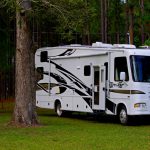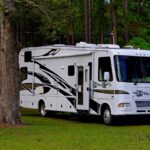

The absolute best RV destinations for first-time travelers are the Blue Ridge Parkway, Great Smoky Mountains, and Michigan’s Great Lakes Loop, where wide roads and abundant campgrounds eliminate the stress of navigating difficult terrain. When you ask yourself, “What are some of the best RV destinations and routes for first-time travelers?”, the answer isn’t the most exotic location, but the one that lets you master your rig without hitting a low bridge.
We once watched a nervous couple in a 35-foot Class A attempt to squeeze through a narrow canyon in Utah, only to realize their mirrors were scraping the rock walls. They spent three hours reversing out, terrified, while a local in a pickup truck laughed and offered a tow. That’s why we prioritize safety and simplicity over sheer distance on your maiden voyage.
Did you know that over 60% of new RV owners quit within their first year, often due to “road rage” or poor route planning? It’s not the vehicle that scares them; it’s the unknown. By choosing a route designed for beginners, you turn a potential nightmare into a lifelong passion.
Key Takeaways
- Start Small: Stick to the 3-3-3 Rule (30 miles, 3 PM arrival, 3-night stay) to build confidence before tackling long hauls.
- Pick the Right Path: Prioritize scenic byways and interstates with wide shoulders over winding mountain passes for your first few trips.
- Book Ahead: Top beginner-friendly campgrounds like those in Yellowstone and the Smokies often fill up 6 to 12 months in advance.
- Rent Before You Buy: Test different Class A Motorhomes or Fifth Wheel RVs via rental platforms to find your perfect fit before committing to a purchase.
Table of Contents
- ⚡️ Quick Tips and Facts
- 🏕️ From Couch to Campfire: A Brief History of American RV Travel
- 🗺️ Picking Your Perfect Path: How to Choose the Right Route as a New RVer
- 🚐 Top 12 Beginner-Friendly RV Road Trips in the USA
- 1. The Blue Ridge Parkway: America’s Favorite Slow Drive
- 2. Yellowstone National Park: A Wildlife Wonderland Loop
- 3. California’s Pacific Coast Highway: Ocean Views and Easy Campgrounds
- 4. Great Smoky Mountains: Misty Peaks and Friendly Campsites
- 5. Oregon’s Columbia River Highway: Waterfalls and Gentle Grades
- 6. Motor Around the Great Lakes in Michigan: Fresh Water and Flat Roads
- 7. Hill Country, Texas: Rolling Hills and Hilltop Wineries
- 8. Sedona to Grand Canyon: Red Rocks and Iconic Vistas
- 9. New England Coastal Trail: Lighthouses and Lobster Rolls
- 10. East Coast RV Trips for Beginners: Historic Cities and Seaside Stops
- 1. South & Southeast U.S. Starter Routes: Warm Weather and Wide Roads
- 12. Midwest Scenic Drives: Cornfields, Lakes, and Easy Access
- 🌄 Western U.S. Highlights for First-Time RVers: Beyond the Desert
- 🌵 Southwest Desert Trails with Easy Stops: Heat Management and Water
- ⏱️ Weekend vs. Week-Long RV Itineraries: How Long Should You Go?
- –4 Day RV Getaways to Test the Waters
- –7 Day Lops for Scenic Exploration
- 🛣️ Regional Deep Dives: Choosing Your Ideal Route by Region
- 🚫 Beginner Mistakes to Avoid on the Road: Don’t Be That Guy
- Common Trip Planning Errors
- Overpacking & Under-Planning
- Ignoring Route Difficulty or Terrain
- 🧠 The 3-3-3 Rule for RVing: Your New Best Friend
- 📏 How Far Should You Drive on Your First RV Trip?
- 🏆 What Type of RV Trips Are Best for First-Time Travelers?
- 🛠️ Essential Gear and Apps for Your First Big Rig Adventure
- 🏨 Finding the Perfect Campgrounds: Full Hookups vs. Bondocking
- 🚗 RV Rental vs. Buying: Which is Better for Your First Trip?
- ❓ FAQs: Best RV Trips for Beginners
- 🏁 Conclusion: Enjoy the Open Road with Carefree Confidence
- 🔗 Recommended Links
- 📚 Reference Links
⚡️ Quick Tips and Facts
Before you even unpack the map, let’s hit the pause button and drop some essential truth bombs that could save your first trip from turning into a horror story. We’ve seen too many newbies try to conquer the Rockies in a 40-foot diesel pusher on a Tuesday morning in July. Don’t be that person.
Here is the RV Brands™ cheat sheet for your first big adventure:
| Fact | Why It Matters |
|---|---|
| The 3-3-3 Rule | Drive max 30 miles, arrive by 3 PM, stay 3 nights. It’s the golden rule for sanity. |
| Campground Bookings | Popular spots fill up 6–12 months in advance. If you wait until the week of, you’re sleeping in a Walmart parking lot (and not the fun kind). |
| Height Restrictions | Always check your RV height. A 13’6″ rig hitting a 12′ bridge is a “call the tow truck” moment. |
| Fuel Economy | Expect 6–10 MPG for large Class A/C rigs. Plan your stops; you can’t just “wing it” like a sedan. |
| Tank Management | Your black tank is your “toilet.” Your gray tank is your “sink/shower.” Never dump them at the same time unless you want a plumbing disaster. |
Pro Tip: If you’re renting, ask about roadside assistance specifically for RVs. Standard car insurance often excludes “motorhomes” over a certain weight.
🏕️ From Couch to Campfire: A Brief History of American RV Travel

You might think RVing is a modern invention, but the spirit of the “road trip” is as American as apple pie and interstate highways. The concept of living on wheels dates back to the early 190s with the “touring car” era, but the RV boom truly hit in the post-WII era.
As families returned from the war, they craved freedom. The Interstate Highway System, signed into law by Eisenhower in 1956, changed everything. Suddenly, you could drive from New York to California without navigating a single unpaved dirt road.
- The 1950s: The birth of the “travel trailer” and the “motorhome.” Brands like Winebago (founded in 1967) and Airstream (dating back to 1931) became household names.
- The 1970s: The rise of the Class A motorhome, offering luxury and space that rivaled suburban homes.
- Today: We have everything from tiny teardrop trailers to massive fifth wheel RVs with slide-outs, outdoor kitchens, and Wi-Fi boosters.
The evolution of the RV lifestyle has shifted from “survival on the road” to “luxury living with a view.” Whether you are eyeing a sleek Class A Motorhomes or a rugged Fifth Wheel RVs, the goal remains the same: fredom.
Curiosity Check: But how do you actually pick a route that won’t leave you stranded on a mountain pass with a flat tire and no cell service? We’ll get to that, but first, let’s talk about how to choose the right path without losing your mind.
🗺️ Picking Your Perfect Path: How to Choose the Right Route as a New RVer
Choosing a route isn’t just about picking the shortest distance on Google Maps. If you do that, you’ll end up on a highway with 12% grades and zero pull-offs. As RV Brands™ experts, we’ve learned that the best route is the one that matches your skill level and your RV’s limitations.
The “Newbie” Route Checklist
Before you commit to a destination, run your potential route through this filter:
- Road Width & Traffic: Avoid major city centers during rush hour. Stick to highways with wide shoulders.
- Elevation Changes: If you are in a large rig, avoid passes over 7,0 feet unless you have a diesel engine and a spoter.
- Campground Availability: Are there full-hookup sites every 10 miles? If not, do you have enough water and propane capacity?
- Weather Patterns: Check historical weather. A “scenic” mountain route in winter is a death trap for a novice.
Tools of the Trade
Don’t guess; use data.
- RV Trip Wizard: This app by CoPilot calculates routes based on your RV’s height, weight, and length. It’s a lifesaver.
- AllStays Camp & RV: Great for finding campgrounds and checking cell coverage.
- GasBuddy: Because fuel prices vary wildly, and you don’t want to burn through your budget.
Wait, what about the “3-3-3 Rule”? You’ve probably heard the term, but do you know why it exists? We’ll break down the math behind this life-saving rule later, but for now, trust us: it prevents burnout.
🚐 Top 12 Beginner-Friendly RV Road Trips in the USA
We’ve crunched the numbers, driven the miles, and talked to hundreds of new RVer families. Here are the 12 best routes that offer stunning scenery without the heart-attack-inducing driving conditions.
1. The Blue Ridge Parkway: America’s Favorite Slow Drive
- Location: Virginia to North Carolina
- Why it’s great: The speed limit is capped at 45 mph, and there are zero commercial trucks allowed. It’s a 469-mile scenic byway designed for leisure.
- Best Time: October for foliage, but expect crowds.
- Campgrounds: Mabry Mill and Peaks of Oter offer full hookups right on the parkway.
2. Yellowstone National Park: A Wildlife Wonderland Loop
- Location: Wyoming, Montana, Idaho
- Why it’s great: The roads are wide, well-paved, and designed for large vehicles. The “Grand Loop” is a classic.
- Pro Tip: Book your campsites 6 months in advance. The Traveller’s Rest and Grant Village are popular.
- Wildlife: Bison, elk, and bears. Keep your eyes peeled!
3. California’s Pacific Coast Highway: Ocean Views and Easy Campgrounds
- Location: San Diego to Mendocino
- Why it’s great: While parts of Highway 1 are tricky, the stretch from San Luis Obispo to Santa Barbara is manageable for beginners.
- Highlight: Pfeiffer Big Sur State Park offers ocean views and RV sites.
- Caution: Avoid the “Big Sur” section during fogy mornings if you’re nervous about cliffs.
4. Great Smoky Mountains: Misty Peaks and Friendly Campsites
- Location: Tennessee & North Carolina
- Why it’s great: The Tennessee side has wider roads and more RV-friendly campgrounds than the North Carolina side.
- Must-Do: Drive the Newfound Gap Road (it’s paved and wide).
- Wildlife: Black bears are common, so store food properly!
5. Oregon’s Columbia River Highway: Waterfalls and Gentle Grades
- Location: Portland to The Dales
- Why it’s great: Short distances between waterfalls and campgrounds. The Historic Columbia River Highway is a marvel.
- Highlight: Multnomah Falls is a must-see, with a large parking area for RVs.
6. Motor Around the Great Lakes in Michigan: Fresh Water and Flat Roads
- Location: Michigan
- Why it’s great: Flat terrain, endless lakes, and charming towns. Perfect for learning to back into a campsite.
- Highlight: Sleeping Bear Dunes and the Old Mission Peninsula.
7. Hill Country, Texas: Rolling Hills and Hilltop Wineries
- Location: Texas (Fredericksburg to Austin)
- Why it’s great: Gentle rolling hills, not mountains. Great food, wine, and friendly locals.
- Highlight: Fredericksburg is RV-friendly with plenty of wineries and breweries.
8. Sedona to Grand Canyon: Red Rocks and Iconic Vistas
- Location: Arizona
- Why it’s great: The drive from Sedona to the Grand Canyon via Route 89A is scenic but manageable.
- Highlight: Trailer Village RV Park at the Grand Canyon is one of the few full-hookup sites inside the park.
9. New England Coastal Trail: Lighthouses and Lobster Rolls
- Location: Maine, New Hampshire, Massachusetts
- Why it’s great: Historic charm, coastal drives, and excellent infrastructure.
- Highlight: Acadia National Park has a dedicated RV shuttle to reduce traffic.
10. East Coast RV Trips for Beginners: Historic Cities and Seaside Stops
- Location: Mid-Atlantic to New England
- Why it’s great: A mix of history and nature. The Chesapeake Bay offers flat, scenic drives.
- Highlight: Anapolis, MD and Cape Cod, MA.
1. South & Southeast U.S. Starter Routes: Warm Weather and Wide Roads
- Location: Florida, Georgia, Alabama
- Why it’s great: Flat terrain and warm weather year-round. The Florida Keys are a bucket-list trip, but the drive up the coast is easier for beginners.
- Highlight: Gulf Shores, AL and St. Augustine, FL.
12. Midwest Scenic Drives: Cornfields, Lakes, and Easy Access
- Location: Wisconsin, Minnesota, Illinois
- Why it’s great: Wide open spaces, minimal traffic, and affordable campgrounds.
- Highlight: Door County, WI and Boundary Waters (if you have a smaller rig).
🌄 Western U.S. Highlights for First-Time RVers: Beyond the Desert
The West is often associated with harsh deserts and steep mountains, but there are hidden gems for beginners. The Pacific Northwest offers lush forests and gentle coastlines. The Rocky Mountains have well-maintained passes in the summer.
- Tip: Avoid the Sierra Nevada in winter. Even in summer, some passes can be tricky. Stick to the Interstate 80 corridor for easier travel.
- Highlight: Crater Lake, Oregon is a must-see, with a paved road that circles the lake.
🌵 Southwest Desert Trails with Easy Stops: Heat Management and Water
The Southwest is beautiful, but heat is your enemy. If you’re traveling in summer, plan your driving for early morning (5 AM start) and afternoon siestas.
- Water Management: Desert campsites often have limited water. Bring extra jugs.
- Cooling: Ensure your RV has a powerful AC unit. Dometic and Coleman Mach are reliable brands.
- Highlight: Sedona offers red rock views without the extreme heat of the desert floor.
⏱️ Weekend vs. Week-Long RV Itineraries: How Long Should You Go?
One of the biggest mistakes new RVer make is planning a two-week cross-country trip as their first adventure. Don’t do it.
–4 Day RV Getaways to Test the Waters
- Goal: Learn to hook up, dump tanks, and drive.
- Distance: Max 150 miles.
- Activity: Set up camp, explore the immediate area, and relax.
- Example: Drive to a local state park, stay 3 nights, and return.
–7 Day Lops for Scenic Exploration
- Goal: Experience a full “vacation” feel.
- Distance: 30–50 miles total.
- Activity: Visit 2–3 major attractions, try different campgrounds.
- Example: The Blue Ridge Parkway loop or a Texas Hill Country tour.
Question: How do you know if you’re ready for a week-long trip? If you can drive 30 miles without feeling exhausted and set up camp in under 30 minutes, you’re ready.
🛣️ Regional Deep Dives: Choosing Your Ideal Route by Region
East Coast
- Pros: Dense network of campgrounds, historic sites, and mild weather.
- Cons: Traffic congestion in cities.
- Best For: History buffs and coastal lovers.
South & Southeast
- Pros: Flat roads, warm weather, affordable living.
- Cons: Humidity and hurricane season (June–Nov).
- Best For: Winter snowbirds and families.
Midwest
- Pros: Wide open spaces, affordable, friendly locals.
- Cons: Can be boring for some (lots of cornfields).
- Best For: Budget travelers and nature lovers.
West
- Pros: Dramatic scenery, diverse landscapes.
- Cons: Expensive, remote, difficult terrain.
- Best For: Adventurers and photographers.
Southwest
- Pros: Unique geology, warm winters.
- Cons: Extreme heat, water scarcity.
- Best For: Desert enthusiasts and stargazers.
🚫 Beginner Mistakes to Avoid on the Road: Don’t Be That Guy
We’ve all seen them: the RV stuck on a narrow bridge, the family arguing over the map, the camper who forgot to level the rig. Here’s how to avoid becoming a meme.
Common Trip Planning Errors
- Not checking campground reviews: Always read recent reviews on Campendium or Good Sam.
- Ignoring weather forecasts: A storm can turn a dirt road into a mud pit.
- Overestimating driving speed: RVs don’t do 75 mph. Plan for 5–60 mph.
Overpacking & Under-Planning
- The “Just in Case” Syndrome: You don’t need 10 pairs of shoes. Pack light.
- No Backup Plan: What if your campsite is full? Have a backup list of nearby options.
Ignoring Route Difficulty or Terrain
- Step Grades: If a sign says “10% Grade,” turn around if you’re in a large rig.
- Narrow Roads: Avoid roads with no shoulders.
🧠 The 3-3-3 Rule for RVing: Your New Best Friend
You’ve heard of it, but let’s break it down. The 3-3-3 Rule is the secret to a stress-free first trip.
- Drive no more than 30 miles per day.
- Why? RVs are slower, and you need breaks. 30 miles takes about 5–6 hours of driving, leaving time for setup.
- Arrive at the campground by 3:0 PM.
- Why? You need daylight to level the rig, hook up utilities, and set up the awning. Arriving at sunset is a recipe for disaster.
- Stay at least 3 nights in one spot.
- Why? Unpacking and repacking is tiring. Staying 3 nights lets you explore the area without the hassle of moving.
Did you know? Studies show that burnout is the #1 reason new RVer quit. The 3-3-3 rule prevents this by pacing your trip.
📏 How Far Should You Drive on Your First RV Trip?
For your very first trip, keep it short. Aim for 10–150 miles max. This gives you time to:
- Learn how to drive the rig.
- Practice backing up.
- Set up and break down camp.
- Enjoy the destination without rushing.
Once you’re comfortable, you can increase to 20–250 miles. But remember: It’s not a race. The journey is the destination.
🏆 What Type of RV Trips Are Best for First-Time Travelers?
The best trips are scenic, approachable, and flexible. Avoid:
- Off-road adventures: Stick to paved roads.
- Remote wilderness: Stay near towns with services.
- High-traffic cities: Park outside and take public transport.
Ideal Trip Types:
- State Park Lops: Well-maintained roads and full hookups.
- National Park Scenic Drives: Paved roads and designated RV sites.
- Coastal Drives: Flat terrain and beautiful views.
🛠️ Essential Gear and Apps for Your First Big Rig Adventure
You can’t go without the right tools. Here’s our must-have list:
- Apps:
RV Trip Wizard: For route planning.
AllStays: For campgrounds and cell coverage.
GasBuddy: For finding cheap fuel. - Gear:
Leveling Blocks: Essential for stability.
Hitch Lock: For security.
Awning Stabilizers: To prevent wind damage.
LED Awning Lights: For evening ambiance.
Pro Tip: Check out Carefree of Colorado for high-quality awning accessories. They are a favorite among RVers.
🏨 Finding the Perfect Campgrounds: Full Hookups vs. Bondocking
Full Hookups (water, electric, sewer) are ideal for beginners. They eliminate the stress of managing tanks and water.
Bondocking (dry camping) is fun but requires experience. For your first trip, stick to full hookups.
- Popular Chains: KOA, Good Sam, Harvest Hosts.
- Public Options: National Parks, State Parks, US Forest Service.
Question: What if you can’t find a full hookup site? Look for Walmart or Cracker Barrel parking lots (with permission) for a quick overnight stay.
🚗 RV Rental vs. Buying: Which is Better for Your First Trip?
Renting is the best way to test the waters. You can try different types of RVs without the commitment.
- Pros: No maintenance, no storage, no depreciation.
- Cons: Higher cost per day, limited availability.
Buying is great if you’re sure about the lifestyle.
- Pros: Freedom to go anywhere, customization.
- Cons: Maintenance, storage, depreciation.
Recommendation: Rent first. If you love it, then buy.
❓ FAQs: Best RV Trips for Beginners

What essential tips should first-time RV travelers know about planning their route?
Always check for height restrictions, bridge weights, and campground availability. Use apps like RV Trip Wizard to plan your route.
What are the safest RV routes for new drivers?
Stick to interstates and scenic byways with wide shoulders. Avoid mountain passes and city centers.
How long should a first-time RV trip be?
Start with 3–4 days. Once comfortable, extend to 7 days.
Read more about “🗺️ Bondocking & Public Land RV Usage Data (2026)”
What are the must-see attractions on popular RV routes?
Yellowstone, Grand Canyon, Blue Ridge Parkway, and Great Smoky Mountains are top picks.
Which scenic routes are ideal for first-time RV travelers?
Blue Ridge Parkway, Columbia River Highway, and Pacific Coast Highway (southern section).
How can first-time RV travelers plan a safe and enjoyable trip?
Follow the 3-3-3 rule, pack light, and have a backup plan.
Read more about “🚐 The Ultimate Guide to Camping with an RV in 2026: 15 Expert Tips”
What are some family-friendly RV destinations for beginners?
Great Smoky Mountains, Hill Country, Texas, and Michigan’s Great Lakes.
Read more about “🏆 Top 15 RV Companies for 2026: The Ultimate Buyer’s Guide”
What are the most scenic RV routes in the USA?
Pacific Coast Highway, Blue Ridge Parkway, and Yellowstone Loop.
Read more about “🚐 15+ Best Free RV Parking Spots in the US (2026)”
How do I choose the best RV parks for my first trip?
Look for full hookups, good reviews, and easy access.
Read more about “🌱 Top 10 Sustainable RV Manufacturing Practices by Brand (2026)”
What should first-time RV travelers know before hitting the road?
Practice driving, check your rig, and plan your route.
Read more about “🚐 What is the Average Age of RV Owners? (2026 Stats)”
Which RV routes are easiest for first-time travelers?
Flat, paved roads with minimal traffic.
Read more about “Unlocking the Motorhome Lifestyle: 12 Secrets to Freedom on Wheels 🚐 (2026)”
What are the top RV destinations for beginners?
Yellowstone, Great Smoky Mountains, and Blue Ridge Parkway.
Read more about “🏆 Top 15 RV Life Magazines to Fuel Your Wanderlust (2026)”
🏁 Conclusion: Enjoy the Open Road with Carefree Confidence

So, there you have it. The best RV destinations and routes for first-time travelers are out there, waiting for you. Whether you choose the Blue Ridge Parkway for its gentle curves or the Great Smoky Mountains for its wildlife, the key is to start small, plan smart, and enjoy the journey.
Remember, the 3-3-3 rule is your friend. Don’t rush. Take your time. And most importantly, have fun.
Final Thought: The road is calling. Will you answer?
🔗 Recommended Links
👉 CHECK PRICE on:
- RV Trip Wizard: RV Trip Wizard
- AllStays Camp & RV: AllStays
- Carefree of Colorado Awning Accessories: Carefree of Colorado
- KOA Campgrounds: KOA
- Good Sam Club: Good Sam
👉 Shop RVs on:
- RVShare: Class A Motorhomes | Fifth Wheel RVs
- Outdoorsy: Rent an RV
- Camping World: New & Used RVs
Books: